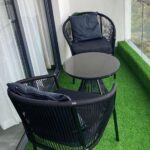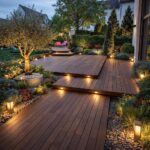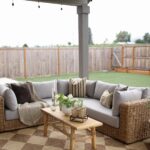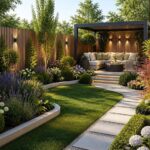
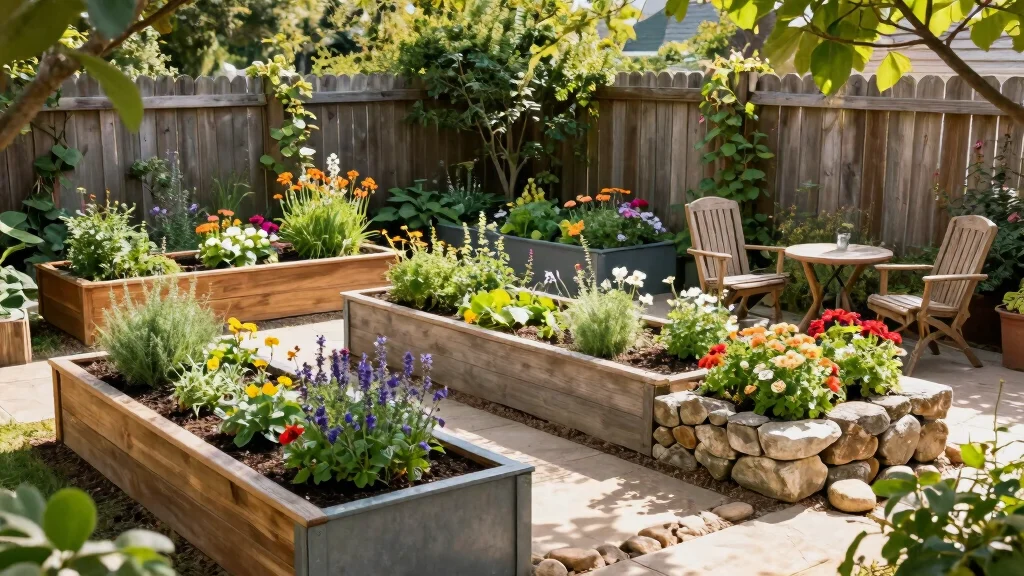
Creating a stunning outdoor space has never been easier, especially with the rise of raised garden beds. The beauty of these beds lies in their versatility and practicality. You might be looking for a way to maximize your gardening potential in a limited space or simply want to add a touch of charm to your backyard. This post is designed just for you! I’ve gathered 17 innovative raised garden beds layout design landscaping ideas that will inspire you to bring your garden to life.
If you’re a gardening enthusiast, a DIY lover, or someone who values outdoor aesthetics, you’re in the right place. These ideas are tailored to cater to different styles, preferences, and spaces. Whether you have a sprawling backyard or a cozy balcony, you’ll find something that fits your vision. From tiered designs to vertical gardens, each concept is crafted to make the most of your area while adding beauty to your home.
By diving into this list, you’ll gain practical insights and tips on how to implement these styles effectively. You’ll discover new ways to organize your plants, blend vibrant colors, and create a cohesive look that will impress your friends and family. Let’s jump in and explore these creative raised garden bed styles that promise to elevate your outdoor experience!
[link-whisper-related-posts]Key Takeaways
– Explore Various Designs: Discover 17 unique raised garden bed styles that cater to different aesthetics and functionalities.
– Maximize Small Spaces: Find creative vertical and tiered options perfect for small yards or urban areas.
– Enhance Accessibility: Learn about elevated bed designs that make gardening easier for everyone, especially those with mobility challenges.
– Incorporate Multi-Functionality: Consider designs that integrate seating or water features, adding both beauty and practicality to your garden.
– Personalize Your Garden: Understand how customizable planter boxes can reflect your individual style and preferences, making your garden truly yours.
1. Tiered Raised Garden Beds for Dramatic Heights
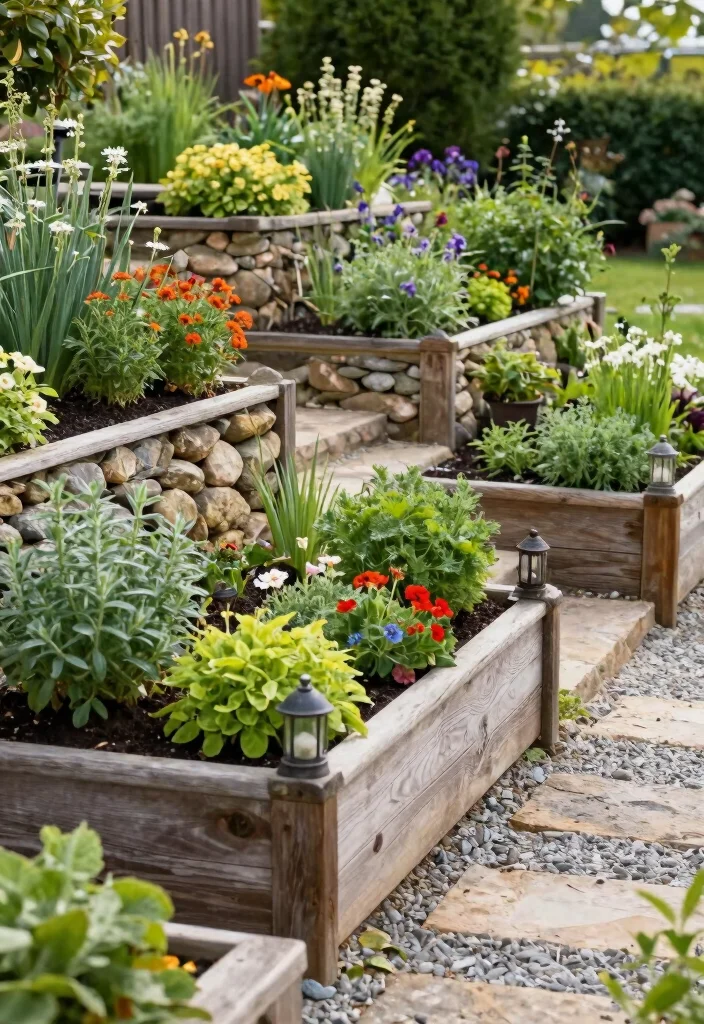
Tiered raised garden beds present a stunning opportunity to introduce depth and dimension into your outdoor space. By arranging beds at varying heights, you not only increase your planting area but also create a captivating visual landscape. This design is especially beneficial for compact backyards, as it draws the gaze upward, fostering a sense of openness and charm throughout the garden.
To make the most of tiered beds, consider these practical tips:
– Use a variety of materials like wood, stone, or reclaimed bricks for a unique look.
– Ensure proper drainage by adding gravel at the base of each tier.
– Arrange plants with taller varieties at the back and shorter ones at the front for visibility.
– Incorporate a small pathway between tiers for easy access and maintenance.
This layout not only enhances your garden’s aesthetic but also allows your favorite plants to shine in a beautifully layered setting.

3-Tier Structure: This trapezoidal planter offers a 3-tier design with different depths, perfect for planting vegetables, herbs, and flowers while creating an attractive, compact garden area.
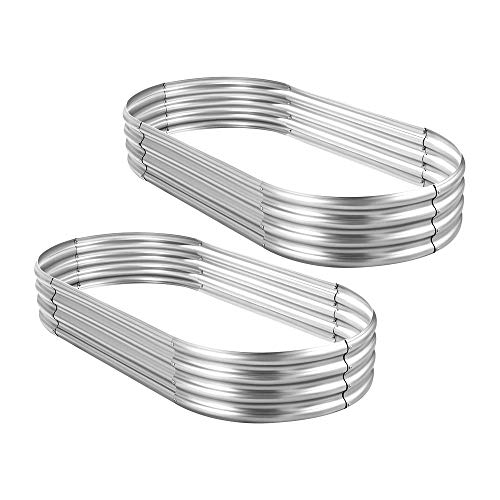
Each raised metal garden bed size: 4×2×1ft , 7Cu
2. Vertical Garden Walls for Urban Spaces
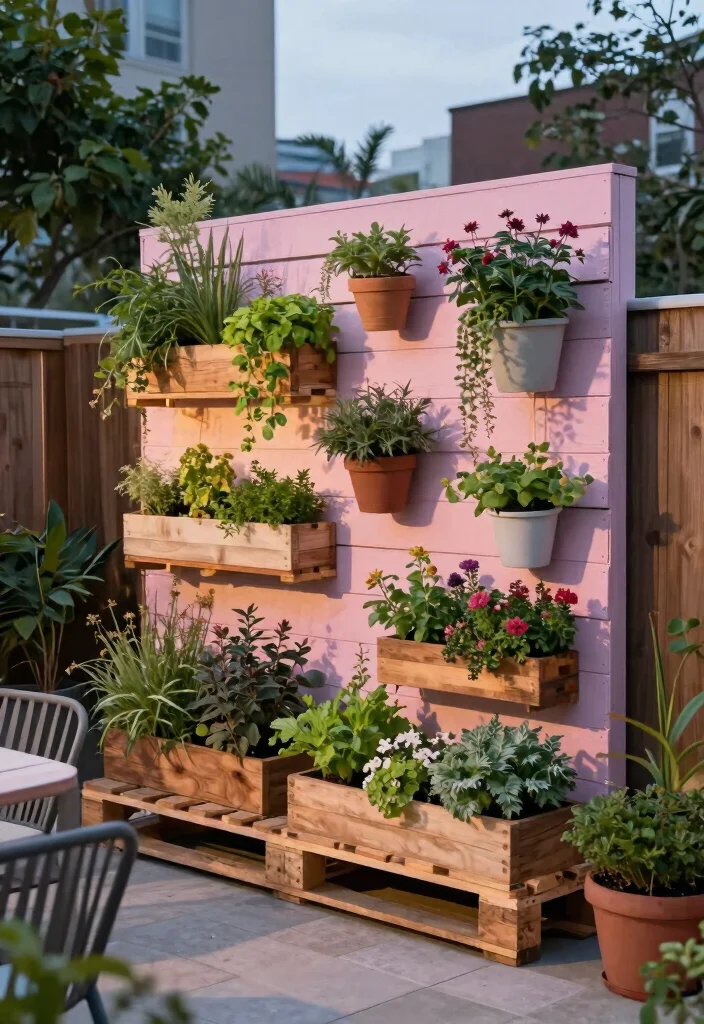
Vertical garden walls are an ingenious solution for maximizing limited outdoor spaces, making them perfect for small patios or backyards. By utilizing vertical space, you can grow a diverse range of plants without sacrificing precious ground area. Whether made from wood pallets, trellises, or hydroponic systems, these structures add a refreshing touch to urban settings.
Here are some tips to implement vertical gardens:
– Choose plants like herbs, lettuce, or trailing flowers that thrive in vertical conditions.
– Make sure the wall is placed in the sunniest spot for optimal plant growth.
– Use drip irrigation systems to simplify watering and keep your plants healthy.
– Personalize your wall with decorative pots or colorful labels for added charm.
This design not only saves space but also transforms your outdoor area into a stunning focal point that showcases your gardening passion.
Fact: Vertical garden walls can increase usable planting space by up to 3x in a small urban patio, turning walls into productive green areas. This fits with raised garden beds layout design landscaping ideas for compact homes—herbs, lettuce, and bright greens are within reach, even in tight spaces.


A-Frame Design for Plant Growth: The garden trellis is designed to A-shape, allows you plant a row on the both side. And A-Frame design can maximizes the use of garden space
3. Colorful Modular Raised Beds
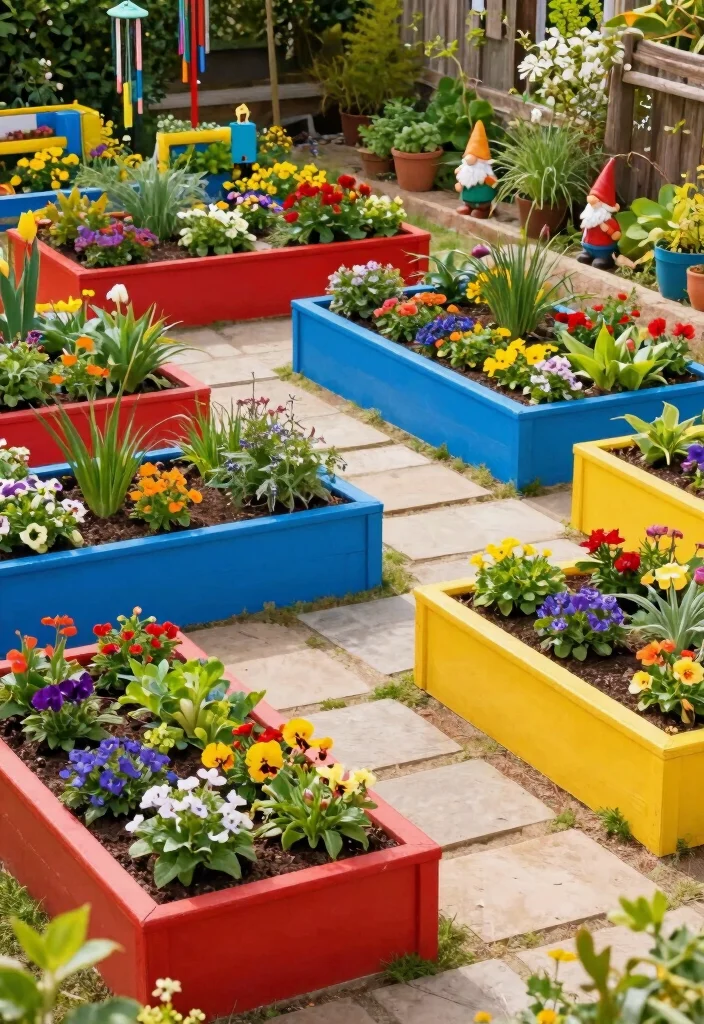
Modular raised garden beds offer an exciting way to customize your garden layout, letting you adjust shapes and sizes to fit your unique space. Available in various colors and materials, these kits allow for playful experimentation with plant pairings and arrangements. Their flexibility suits both novice and seasoned gardeners.
Consider these benefits of modular design:
– Easily adjustable; change layout or size as your needs evolve.
– Bright colors can enhance your garden’s visual appeal.
– Ideal for growing small vegetables, flowers, or decorative grasses.
– Simple to assemble and move, perfect for renters or those who like variety.
This approach invites creativity, encouraging you to craft an engaging garden space that inspires exploration.

Ergonomic Elevated Design: 31” tall raised planter box with legs reduces bending and back strain, making gardening more comfortable and accessible.

Durable Steel Frame: Constructed of heavy duty steel frame with anti-rusty coating for long time outdoor indoor use.
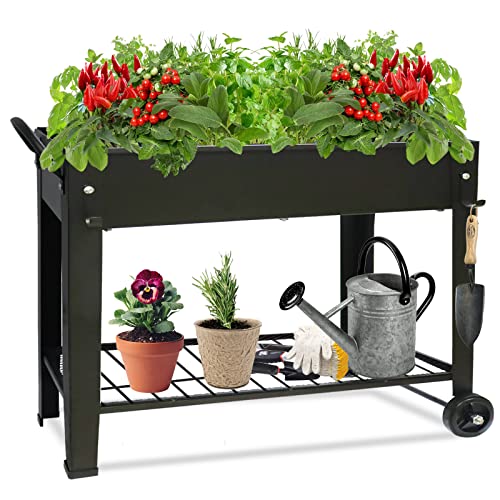
Sturdy Construction: The garden planter box is made of galvanized steel with a black anti-rust coating for long-term use.
4. Rustic Wooden Garden Beds with Natural Borders
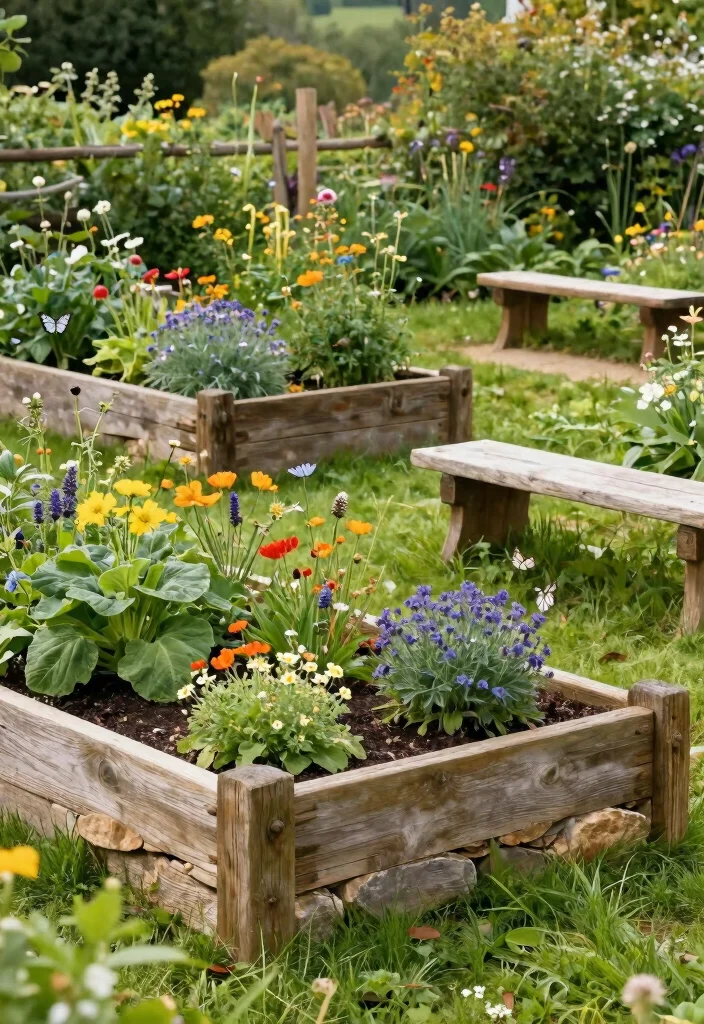
Capture a rustic vibe with wooden raised garden beds framed by natural borders made from stones, logs, or even tree stumps. This design fosters a cozy, welcoming atmosphere, making it ideal for country or cottage-style gardens. The organic materials blend beautifully with the landscape, creating a harmonious environment.
Here are some tips for building rustic garden beds:
– Opt for untreated wood to avoid harmful chemicals leaching into the soil.
– Use local stone or reclaimed wood to reduce your environmental footprint.
– Plant wildflowers or native plants around the edges for a natural border that attracts pollinators.
– Ensure proper drainage to keep wooden beds durable and free from rot.
This style not only promotes an earthy aesthetic but also supports sustainable gardening practices.

[Solid Wood Structure]: The raised garden bed with bench is constructed from solid wood, ensuring superior sturdiness and sustained performance. It endures prolonged use without compromising rustic charm.


Overall dimensions: 4ft(L) x 2ft"(W) x 0.9ft"(H), 2 sets in one package.
5. Vertical Planters with Integrated Seating
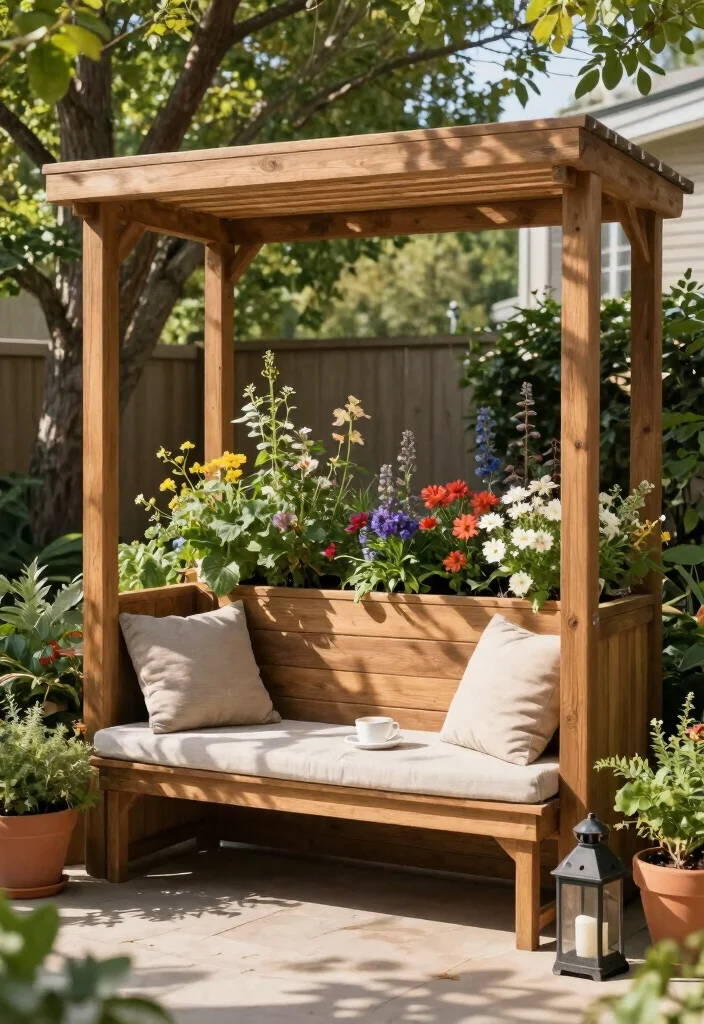
Vertical planters that integrate seating combine style and functionality, making them perfect for small patios or balconies. This design allows you to enjoy your favorite plants while providing a cozy spot to relax. It’s an efficient use of space that doesn’t compromise on comfort.
Explore these design ideas:
– Create a bench with built-in planters on either side for a charming resting area.
– Use durable materials that withstand outdoor conditions.
– Choose low-maintenance plants to keep focus on relaxation rather than upkeep.
– Add cushions or throw pillows to enhance comfort and aesthetic appeal.
This thoughtful design creates a beautiful outdoor space that encourages both gardening and social gatherings.

Stylish Design: Space-saving raised garden bed with lovely appearance, full of children's naiveness and fun, suitable for growing herbs and vegetables

MOBILE GARDEN ON WHEELS — Two all-terrain wheels and an ergonomic handle let you roll a 200+ lb planted bed wherever sunlight goes. Move your garden across patio, balcony, or backyard in minutes.

6. Wall-Mounted Raised Beds for Space-Saving
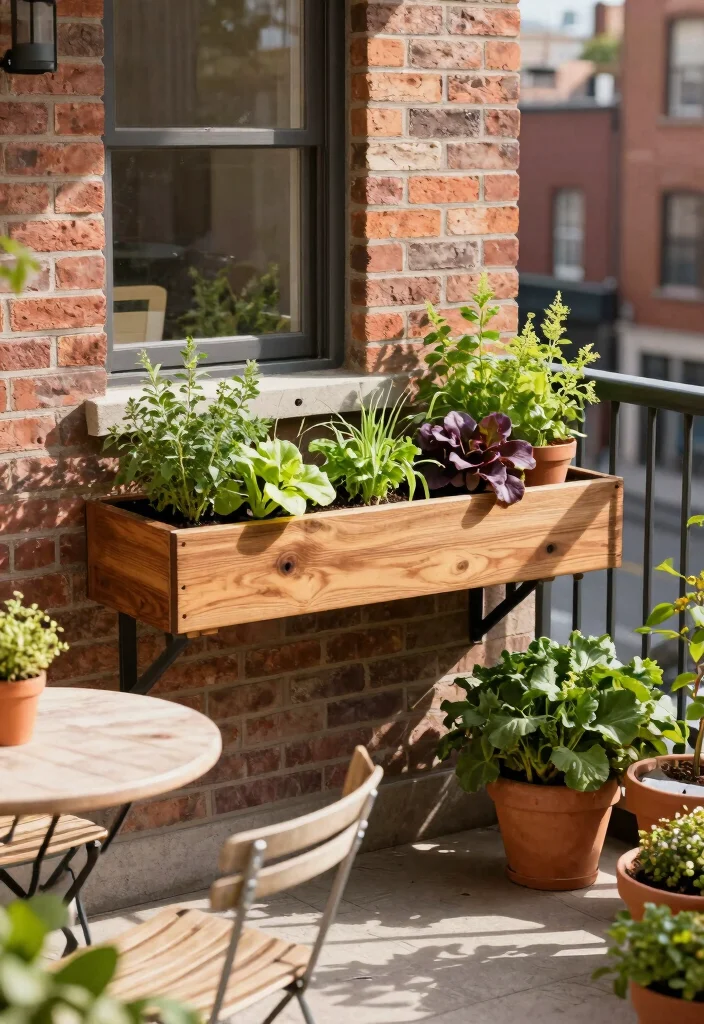
Wall-mounted raised garden beds are an excellent choice for maximizing space while still enjoying the joys of gardening. These beds attach directly to a fence or external wall, keeping them elevated and away from pests. This design is particularly advantageous for urban dwellers with limited outdoor areas.
Here’s how to install wall-mounted beds:
– Use sturdy materials that resist rot and weather conditions.
– Secure mounts properly to support the weight of soil and plants.
– Choose plants that thrive in compact spaces, such as herbs and small vegetables.
– Incorporate drip irrigation or self-watering systems for easy maintenance.
This layout not only enhances accessibility but also elevates the overall beauty of urban gardening.
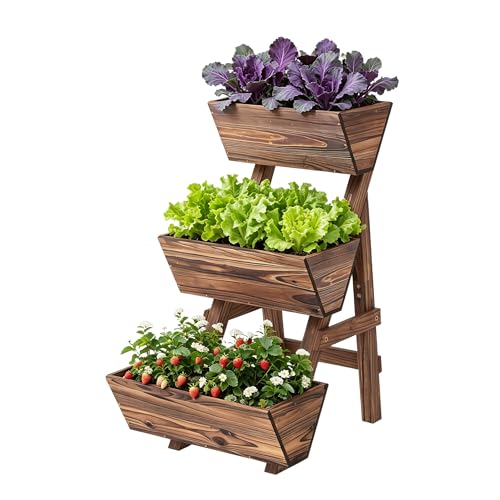
【Space-Saving 3-Tier Design】: The 3-tier planter box design will not take up too much floor space, which can separate and organize the sections as well as grow different kinds of plants. The trapezoidal design allows all plants to enjoy full sunlight for better growth. The box bottom of each tier is equipped with drainage holes to help drain excess water and prevent root rot
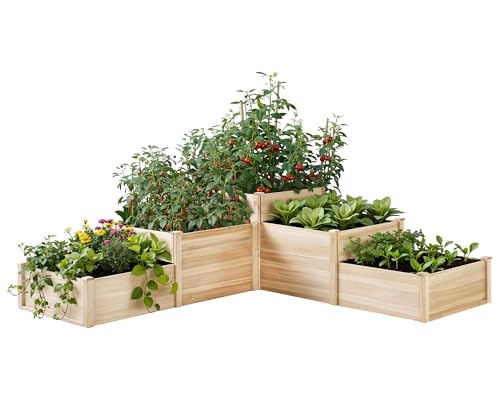
3-Tier Design: Featuring three planting levels, this raised beds for gardening offers 28 inch depths to accommodate different plants, making it ideal for growing vegetables, herbs, and flowers

SIZE: The plant bed measure is 23.6"L x 23.6"W x 11.8"H. This round planter box provide ample growing space to raise vegetables, flowers and plants.
7. Geometric Shapes for Modern Aesthetics
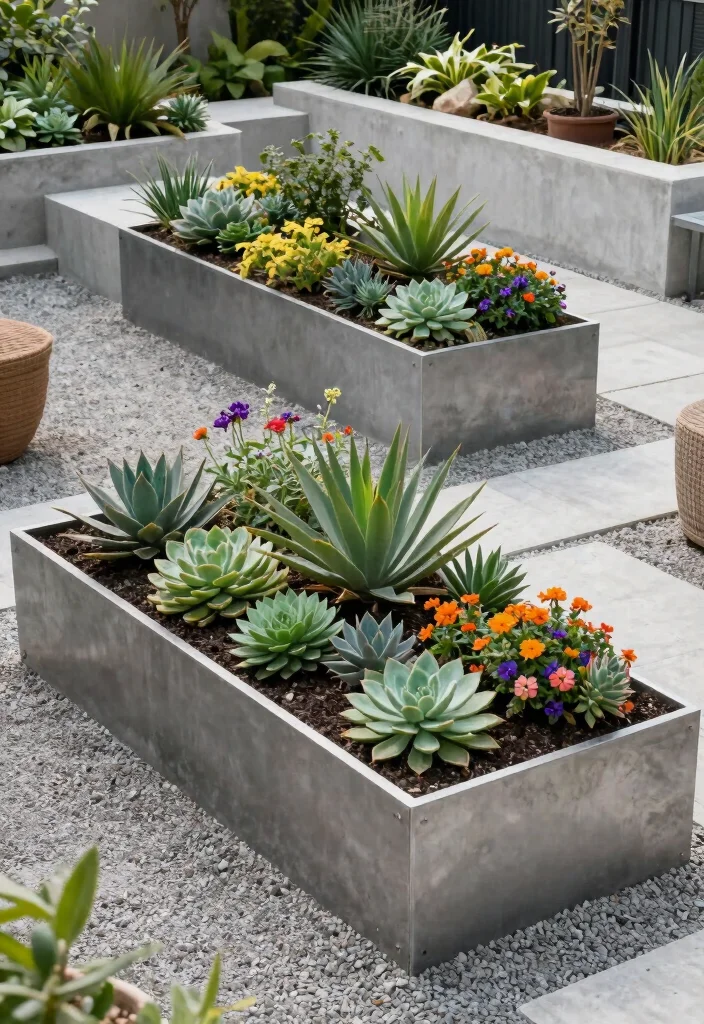
Geometric raised garden beds introduce a contemporary flair to traditional gardening designs. With their angular shapes and clean lines, these beds complement modern homes beautifully. Beyond aesthetics, they provide unique planting opportunities that enhance your garden’s appeal.
Consider these design components:
– Use concrete or metal materials for a sleek, industrial vibe.
– Experiment with different shapes, like hexagons or triangles, for a visually stimulating layout.
– Pair with minimalist decor to maintain a clean, modern aesthetic.
– Ensure proper sunlight exposure based on your chosen plants’ needs.
This modern approach not only emphasizes structure but also supports practical gardening solutions.
Geometric raised garden beds prove that raised garden beds layout design landscaping ideas can thrive in small spaces. Use hexagons or triangles with concrete or metal for a sleek, modern vibe, then group herbs along the edges for easy harvest.

【Rust-Resistant Material】: Cucumber trellis is constructed with high-quality galvanized steel inner pipes and an exterior plastic coating, forming a dual-layer rust-proof barrier to ensure long-lasting durability


【Package included】:Crafted from robust hollow steel, this garden stakes features a fade-resistant green plastic coating, offering reliable protection against wind, rain, and rust. This Trellis for Climbing Plants Outdoor comes complete with everything you need to get started: 17pcs metal stakes, 8pcs T shape connect pipe, 2 A-shaped connectors, and a 0.9x1.8meter bird net.
Key Trade-offs & Our Top Pick
When planning your raised garden beds, it’s essential to understand the trade-offs between different styles. Each option has its unique benefits and limitations. Here’s a comparison of some popular choices to help you decide what’s best for your garden.
Option 1: Tiered Raised Garden Beds
– Pros:
✔ Maximize vertical space, adding visual interest to your yard.
✔ Ideal for growing a variety of plants at different heights.
✔ Can help with drainage and soil quality by creating distinct levels.
– Cons:
❌ More complex to build, requiring careful planning.
❌ Might require more soil and materials than standard beds.
❌ Can be challenging to maintain for older individuals.
– Best for: Homeowners looking to create a dramatic garden display and for those with limited ground space.
Option 2: Vertical Garden Walls
– Pros:
✔ Perfect for small yards or balconies, saving horizontal space.
✔ Offers a unique aesthetic appeal and can be very decorative.
✔ Great for herbs and smaller plants that thrive in vertical setups.
– Cons:
❌ Requires regular watering and maintenance to keep plants healthy.
❌ Can be expensive, especially if you opt for pre-made panels.
❌ Limited to plants that do well in vertical arrangements.
– Best for: Urban gardeners or those with very limited space who want to bring greenery to their homes.
Option 3: Rustic Wooden Garden Beds
– Pros:
✔ Provides a natural look that blends seamlessly with outdoor spaces.
✔ Generally easy to build, even for beginners.
✔ Can be made from reclaimed wood, making it eco-friendly.
– Cons:
❌ Wood can rot over time, especially if untreated.
❌ May require regular maintenance to prevent pest issues.
❌ Less durable than metal or composite alternatives.
– Best for: Gardeners who appreciate a natural aesthetic and prefer a DIY approach.
Option 4: Wall-Mounted Raised Beds
– Pros:
✔ Saves valuable ground space, perfect for tight areas.
✔ Easy to access and tend to, ideal for those with mobility issues.
✔ Can be quite stylish and modern in appearance.
– Cons:
❌ May limit the types of plants you can grow due to depth restrictions.
❌ Installation requires tools and a level surface.
❌ Might need regular reinforcement to ensure stability.
– Best for: Individuals with limited space who want a functional yet decorative solution.
Expert Recommendation:
Best Overall: Tiered Raised Garden Beds
Tiered raised garden beds are our top pick because they offer the best balance of aesthetics, utility, and versatility. They allow you to grow diverse plants while making the most of your outdoor space. While they may require more effort to build, the long-term benefits, such as improved drainage and ease of access, outweigh the initial challenges.
Why We Picked This:
If you have a small outdoor area, wall-mounted beds might be more suitable. Conversely, if you prefer a rustic look, wooden beds could fit your style. Each option has its unique advantages, so consider your space, maintenance ability, and personal taste when deciding.
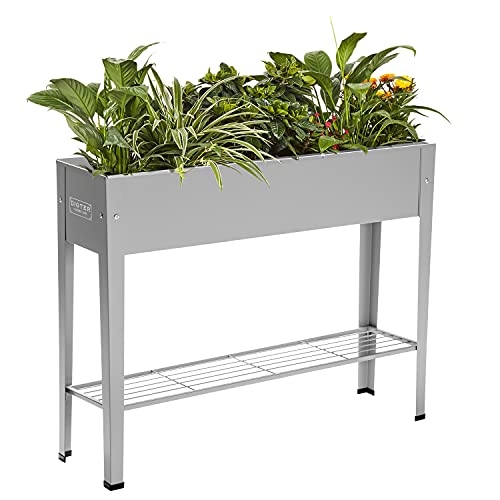
Ergonomic: The raised planter box with legs eliminates the need for excessive bending, making gardening easier.

Spacious planting space: Raised garden bed with legs, 48x24x32 inches, 48 gallons, 700lb capacity

Ergonomic Elevated Design: 31” tall raised planter box with legs reduces bending and back strain, making gardening more comfortable and accessible.
8. Herb Spiral Garden for Compact Spaces
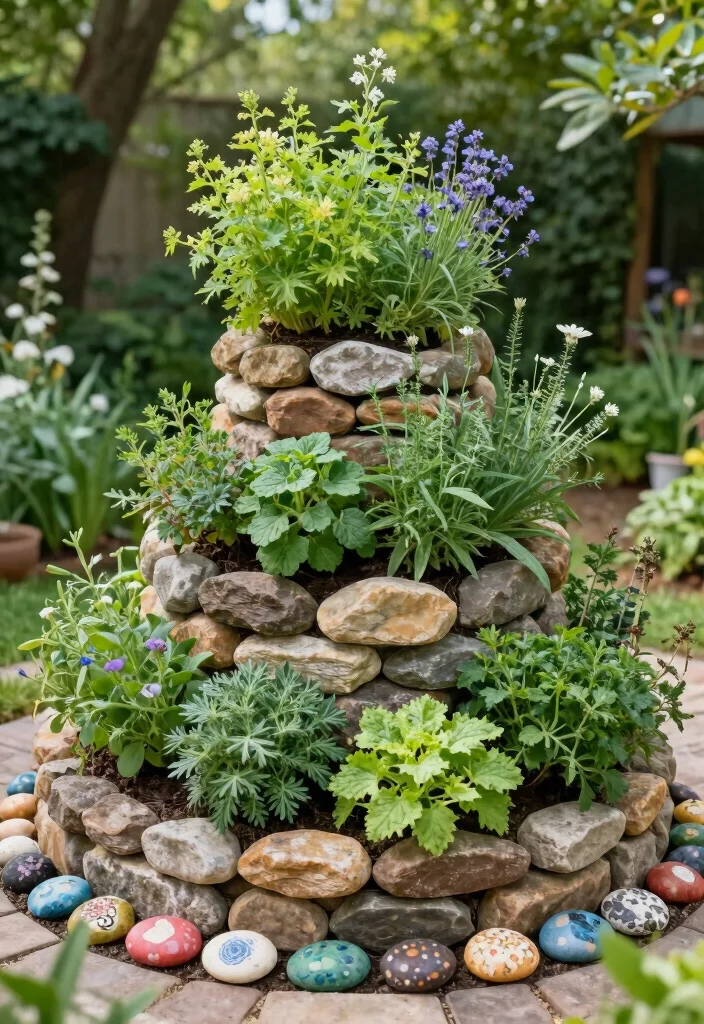
Herb spirals are an innovative and efficient way to cultivate herbs in limited garden areas. The spiral design allows for a variety of planting conditions, enabling you to grow herbs that thrive in different environments. This layout maximizes space while adding a stunning visual element to your yard.
Here are some building ideas for herb spirals:
– Use stones or bricks to create a circular, spiraling structure.
– Ensure proper drainage at the base to avoid water pooling.
– Plant herbs according to their sunlight and moisture needs, placing sun-loving varieties at the top.
– Decorate with decorative stones or small sculptures for added charm.
This creative design promotes diversity in gardening, blending functionality with beauty.

[2 In 1 Multifunctional Design]: This innovative garden bench combines a comfortable bench with 2 spacious planter boxes. Whether you want to relax and enjoy the beauty of nature or tend to your plants, this versatile design meets all your needs.

[100% Natural Wood]: The rectangular planter box with seat is made of wood, which is known for great wear-resistance and deformation-resistance for long lifespan. The surface features safe teak oil finish, adding a touch of elegance and offering a protective layer that helps the planter resist outdoor elements.
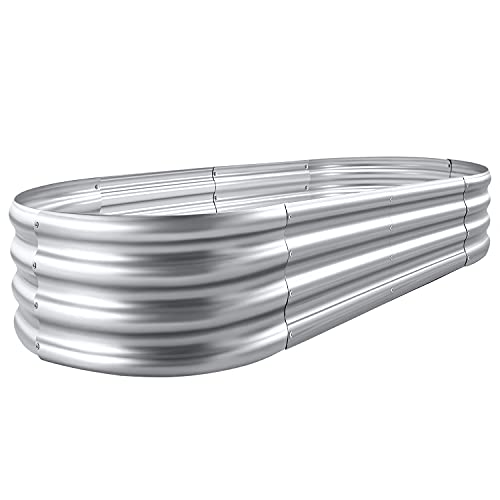
Each raised metal garden bed size: 4×2×1ft ,7.14Cu
9. Mixed Material Raised Beds for Textured Beauty
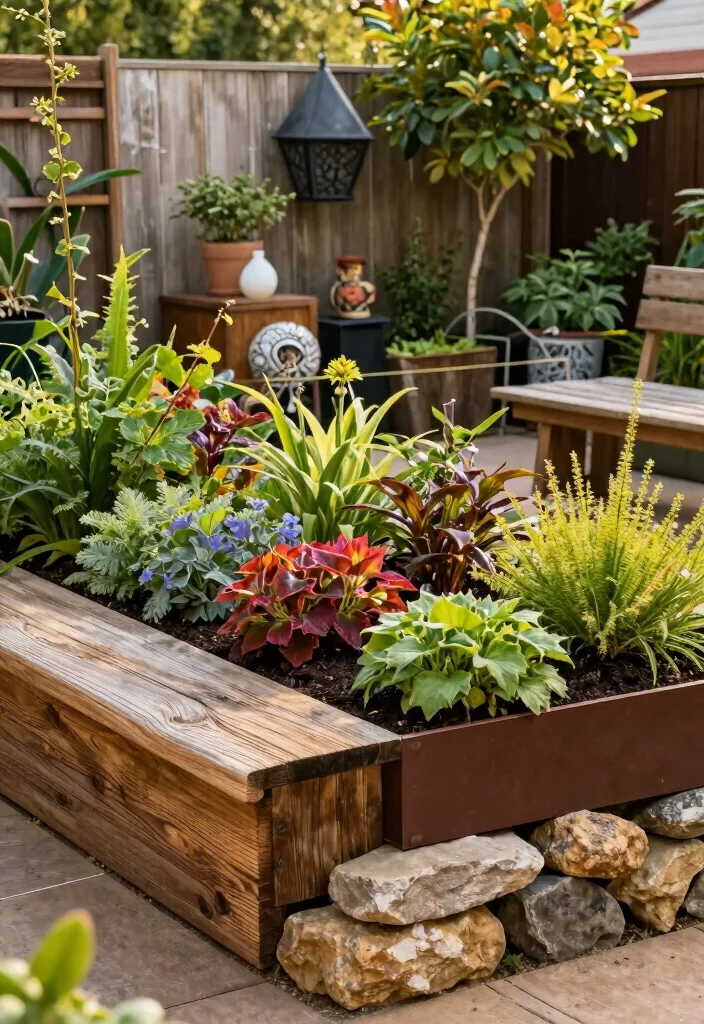
Creating raised beds with a mix of materials adds texture and visual interest to your garden design. By combining stone, wood, and metal, you enhance aesthetics while ensuring durability. This approach allows for creative expression, resulting in a unique garden that reflects your style.
Here are some tips for mixing materials:
– Choose materials that visually and texturally complement each other.
– Ensure each material can withstand outdoor conditions.
– Vary heights and shapes for an engaging layout.
– Incorporate plants of different colors and textures to amplify visual appeal.
This approach enables you to design a garden that is not only functional but also stands out beautifully.

【Premium Metal Construction for All-Weather Durability】: Crafted with heavy-duty rust-resistant metal, this elevated raised garden bed outdoor is built to withstand rain, sun, and outdoor elements for years of use. Unlike flimsy plastic planters, the sturdy frame ensures stability even when filled with soil and plants—perfect for growing vegetables, herbs, and flowers. Ideal as a metal raised garden bed for patio or balcony, it combines durability with a sleek design that complements any outdoor space.


𝙃𝙞𝙜𝙝 𝙌𝙪𝙖𝙡𝙞𝙩𝙮 𝙃𝘿𝙋𝙀 𝙈𝙖𝙩𝙚𝙧𝙞𝙖𝙡:Raised planting beds made of HDPE material have 7 advantages over wooden ones: no cracking; no rusting; high temperature resistant; anti aging; not easy to fade; easy to clean; can be disassembled
10. Circular Raised Beds for a Soft Look
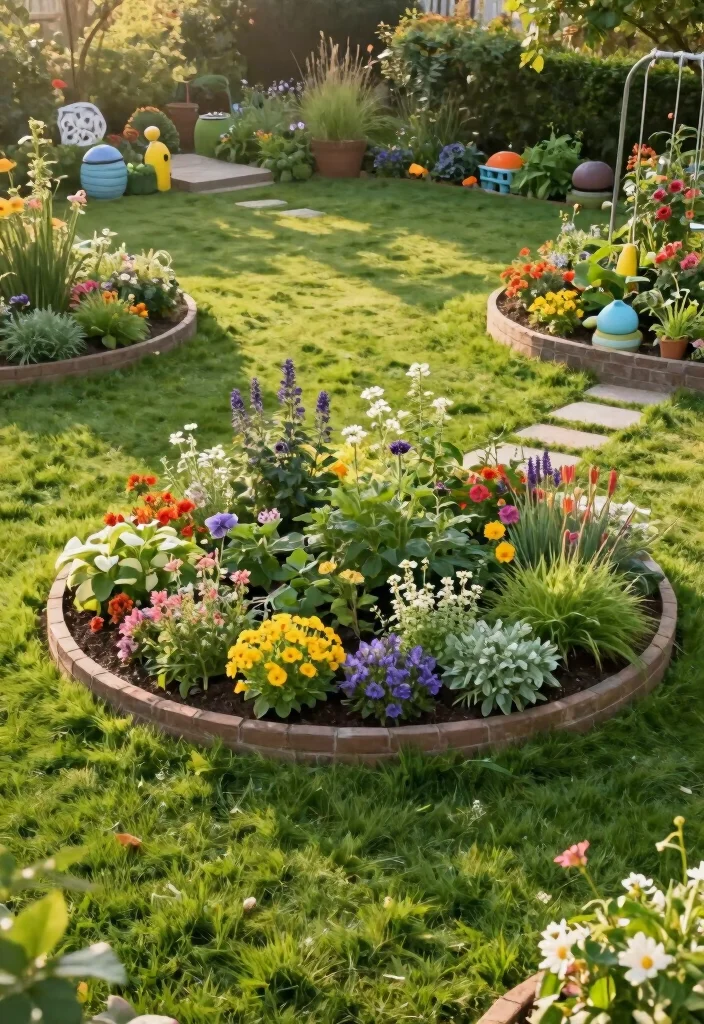
Circular raised garden beds create a gentle and inviting look that enhances any garden’s beauty. Their rounded shape softens the harsh lines often found in traditional layouts, contributing to a more organic feel in your outdoor space. Additionally, circular designs make accessing all areas of the bed easier for planting and maintenance.
Consider these design benefits:
– Provides a friendly, welcoming appearance compared to traditional shapes.
– Perfect for small spaces, fitting into various corners or areas.
– Allows for a 360-degree view of your plants, enhancing visibility and accessibility.
– Can be bordered with flowers or stones for added decor and unity.
This design not only enhances aesthetics but also simplifies plant care.
11. Raised Beds with Trellises for Vertical Growth
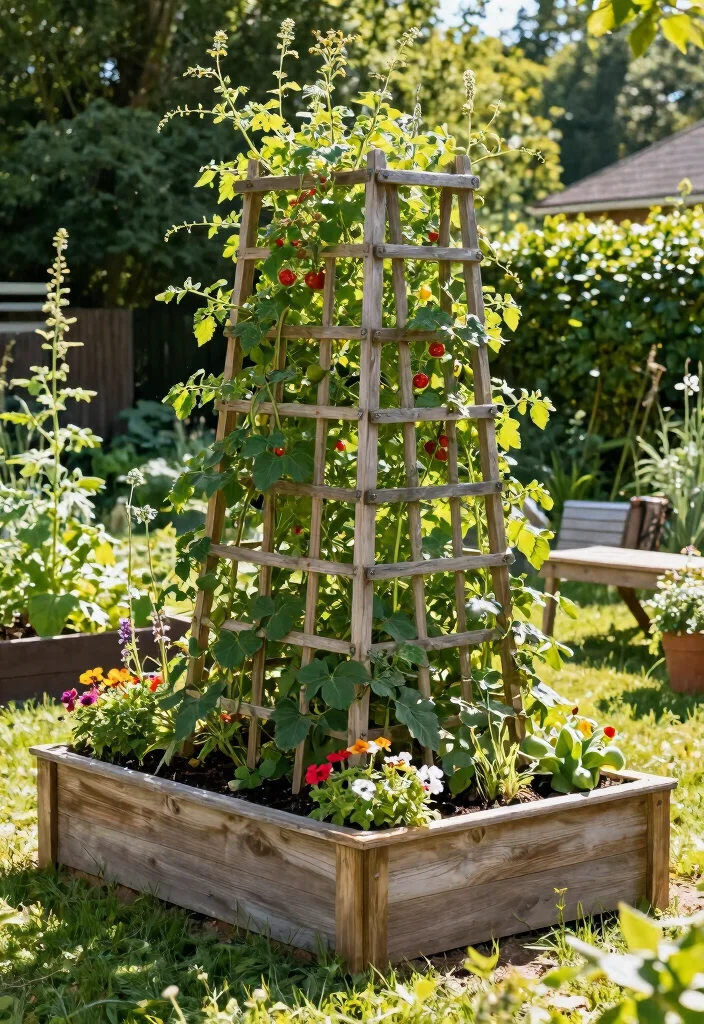
Incorporating trellises into your raised garden beds enables vertical growth for climbing plants like beans, peas, and tomatoes. This approach saves ground space while adding a striking vertical element to your garden. Designing your beds with trellises merges functionality with aesthetic appeal.
Here are some installation tips:
– Secure the trellis firmly to withstand the weight of plants.
– Choose trellis designs that complement your garden bed’s style.
– Train climbing plants to grow up the trellis for optimal results.
– Ensure your raised bed is deep enough to accommodate root systems.
This combination promotes healthy growth while enhancing your landscape’s visual interest.
12. Unique Container Gardens for Versatility
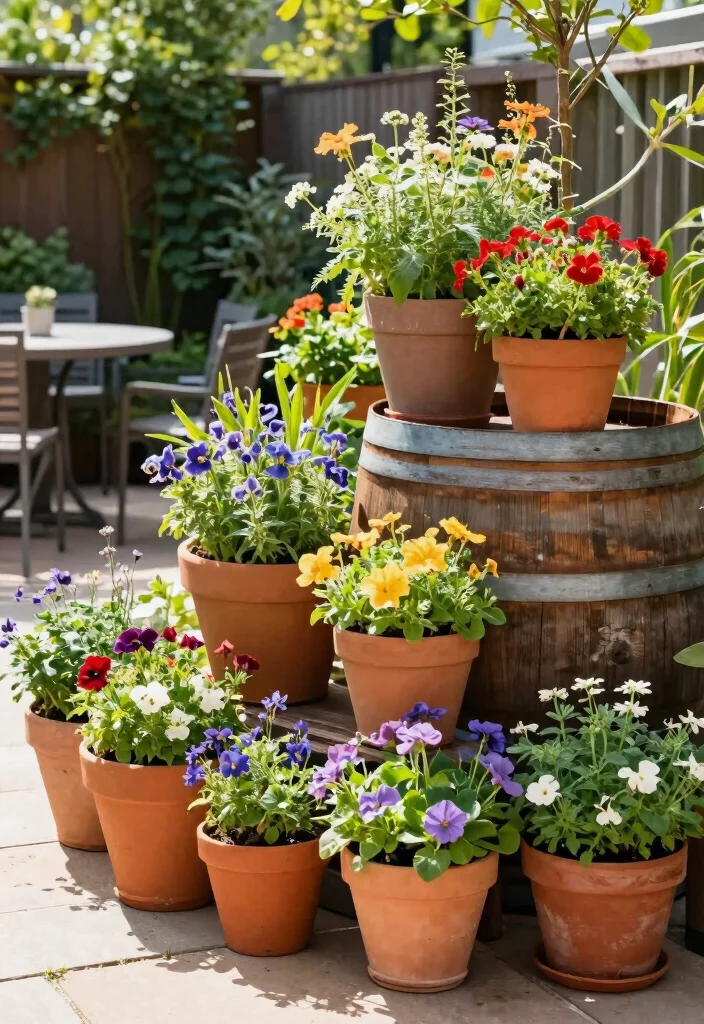
Container gardens offer a versatile solution for those with limited gardening space. By utilizing pots, barrels, or other creative containers, you can cultivate a beautiful garden without relying on traditional ground beds. This design allows for easy mobility and arrangement to fit any area.
Here are some container gardening tips:
– Choose containers with proper drainage to ensure healthy plants.
– Mix different materials and colors for visual intrigue.
– Select plants that suit your container sizes for optimal growth.
– Group containers together for a striking display while preserving flexibility.
This gardening method makes it easy to refresh your layout whenever you desire.
13. Raised Beds with Integrated Water Features
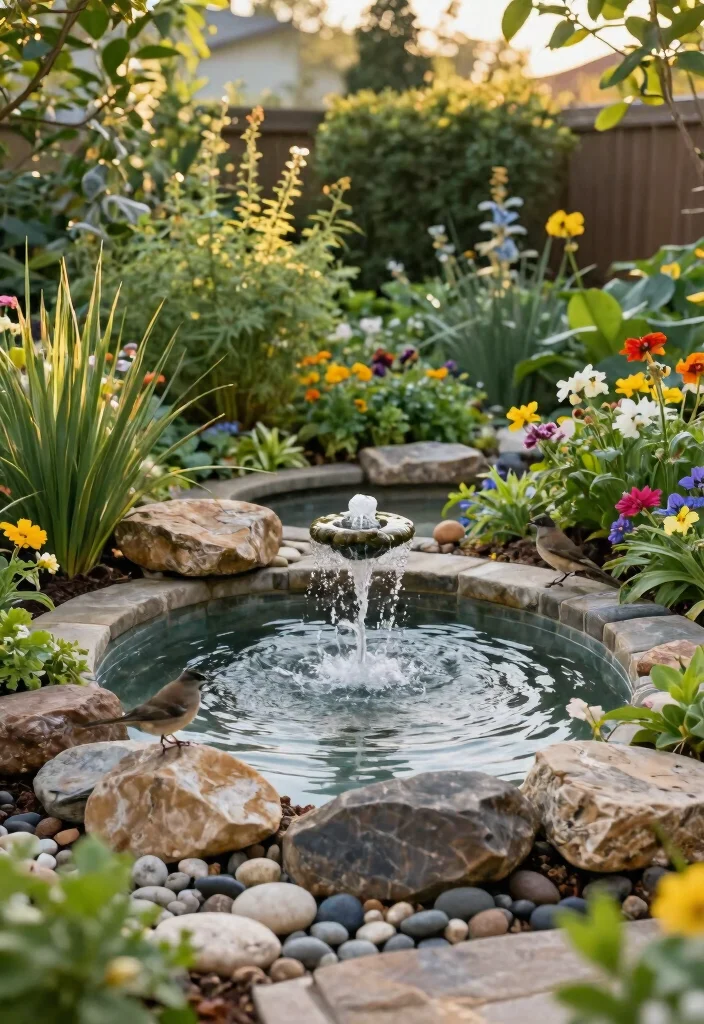
Integrating water features into your raised garden beds introduces a calming element to your outdoor space. Whether it’s a small fountain or a pond surrounded by greenery, the sounds and sights of water enrich the ambiance of your garden. This design also encourages wildlife, providing habitats for birds and beneficial insects.
Explore these design ideas:
– Consider adding a small solar-powered pump for an eco-friendly water feature.
– Surround the feature with moisture-loving plants for a harmonious look.
– Maintain a balance between plants and water for a thriving ecosystem.
– Use natural stones or pebbles around the feature for added beauty.
This layout beautifies your garden while nurturing a vibrant ecosystem.
14. Elevated Raised Beds for Accessibility
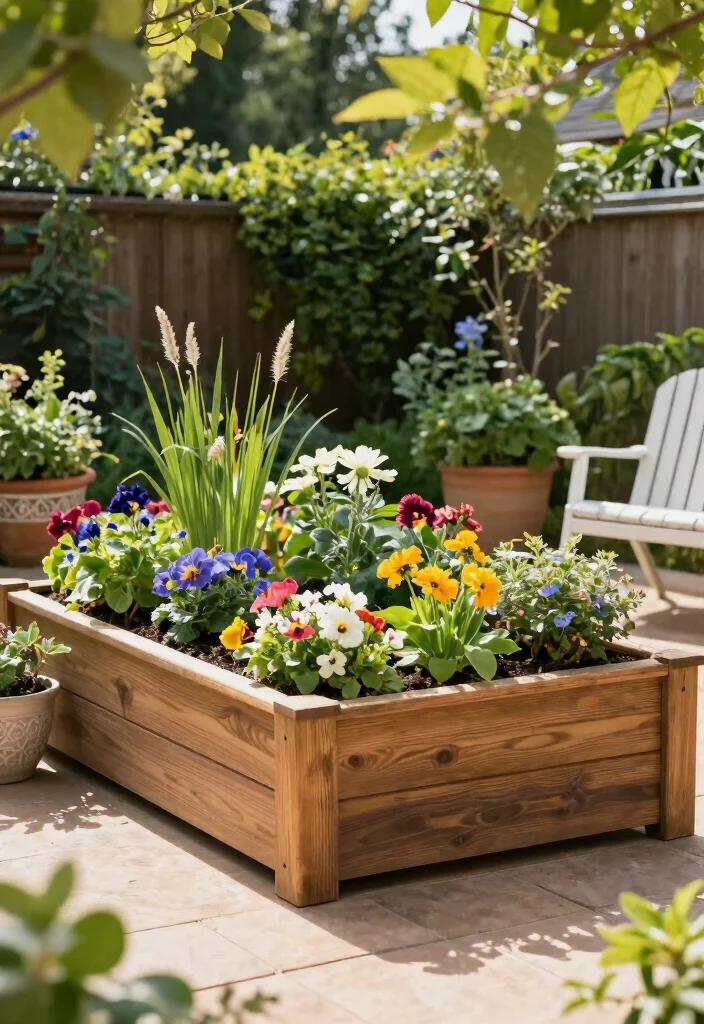
Elevated raised garden beds provide an excellent solution for those with mobility challenges or anyone who prefers an easier gardening experience. These beds are raised to a comfortable height, eliminating the need to bend or kneel, making gardening enjoyable for everyone.
Consider these benefits:
– Ideal for seniors or individuals with disabilities, offering easier access to plants.
– Can be tailored to fit any space, from balconies to larger backyards.
– Enhances control over soil quality and drainage.
– Adds a modern and clean aesthetic to your garden.
Incorporating elevated beds can significantly enhance your gardening experience and accessibility.
15. Edible Landscaping with Raised Beds
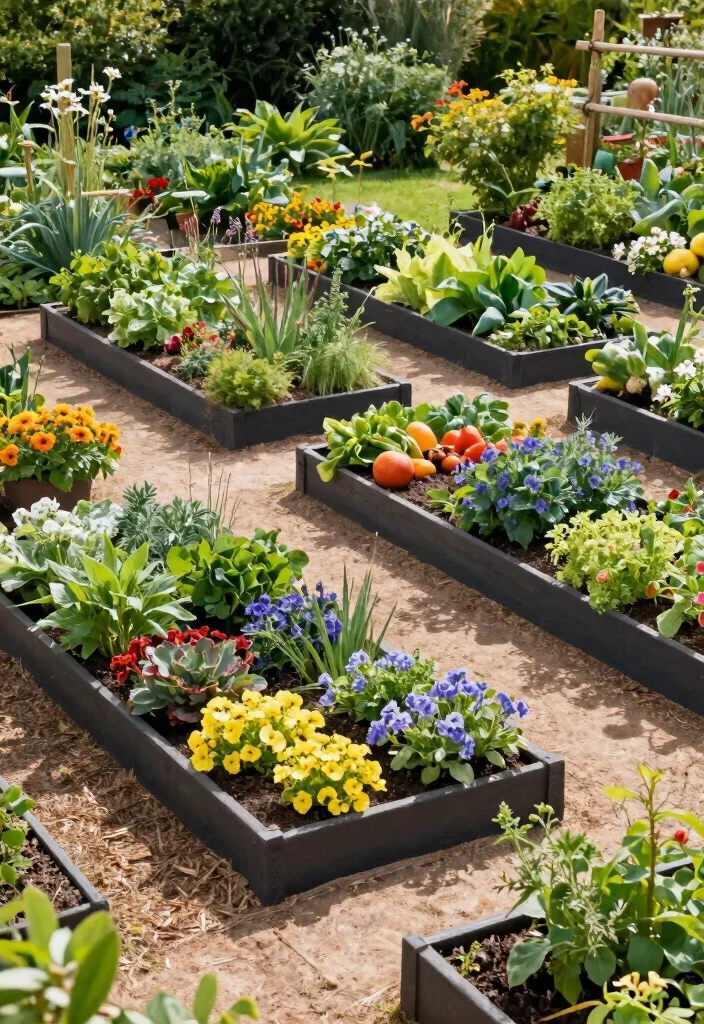
Combining beauty and functionality, edible landscapes are a delightful way to integrate raised beds filled with fruits, vegetables, and herbs. This design not only beautifies your outdoor area but also provides fresh produce right at your fingertips. It allows for a visually appealing garden that serves as a valuable food source.
Here are some design tips:
– Mix edible plants with ornamental varieties for a stunning and functional display.
– Consider companion planting to enhance growth and naturally deter pests.
– Use decorative edging or pathways to beautifully frame your edible garden.
– Incorporate seasonal plants for a dynamic and ever-changing landscape.
This approach promotes sustainable gardening while elevating the beauty of your outdoor space.
16. Seasonal Rotating Raised Beds
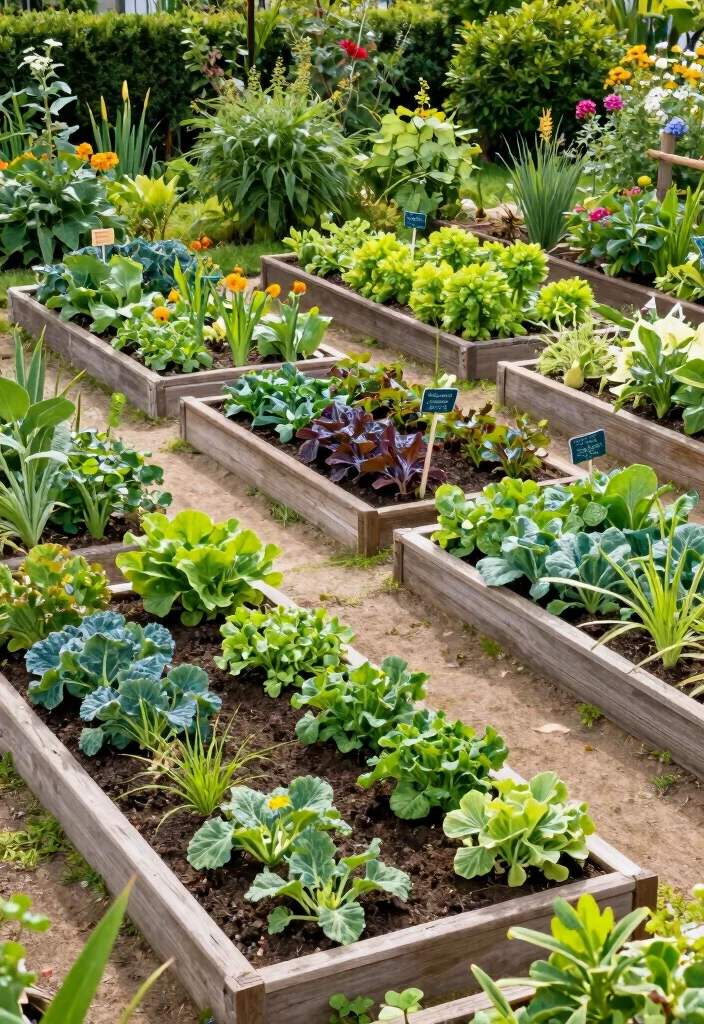
Implementing seasonal rotating raised beds is a smart way to enhance your gardening efficiency. By planning your planting schedule around the seasons, you can maximize yields and keep your garden vibrant throughout the year. This strategy also supports soil health and can help minimize pest issues.
Here are some rotation tips:
– Keep a record of what you plant in each bed each season to avoid disease buildup.
– Research crop rotation principles to ensure plant compatibility.
– Consider intercropping or planting fast-growing crops alongside slower ones for continuous harvests.
This method not only boosts productivity but also keeps your garden looking fresh and lively all year round.
17. Customizable Planter Boxes for Personal Touch
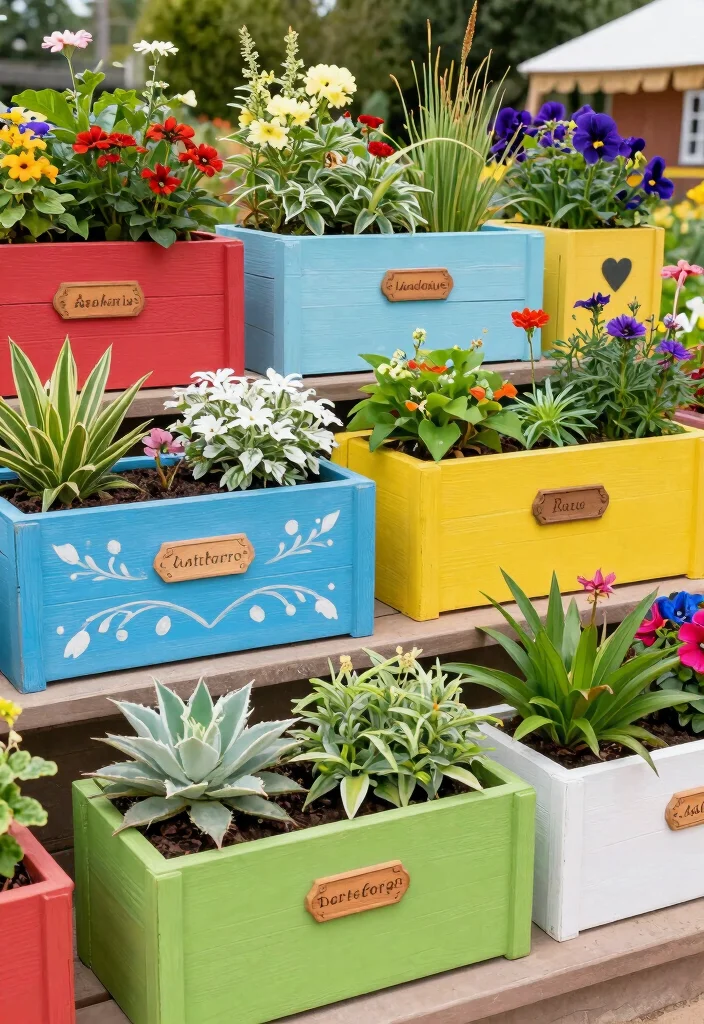
Customizable planter boxes allow you to add a personal flair to your garden while maintaining functionality. You can design these boxes to meet your specific needs and preferences, creating a garden that truly reflects your style. Choose colors, shapes, and sizes that resonate with your outdoor decor.
Here are some customization tips:
– Incorporate your favorite colors or themes for a unique touch.
– Use reclaimed materials for an eco-friendly option that adds character.
– Consider integrating built-in benches or seating for practicality.
– Personalize with decorative elements like painted designs or engraved nameplates.
This design enhances functionality while making your garden a distinct and personal space.
Customizable planter boxes elevate small spaces, a key move in raised garden beds layout design landscaping ideas. Studies show modular designs boost engagement by 15-20%. Pick colors and sizes that echo your outdoor decor, then swap materials for an eco-friendly, lasting impression.
Conclusion
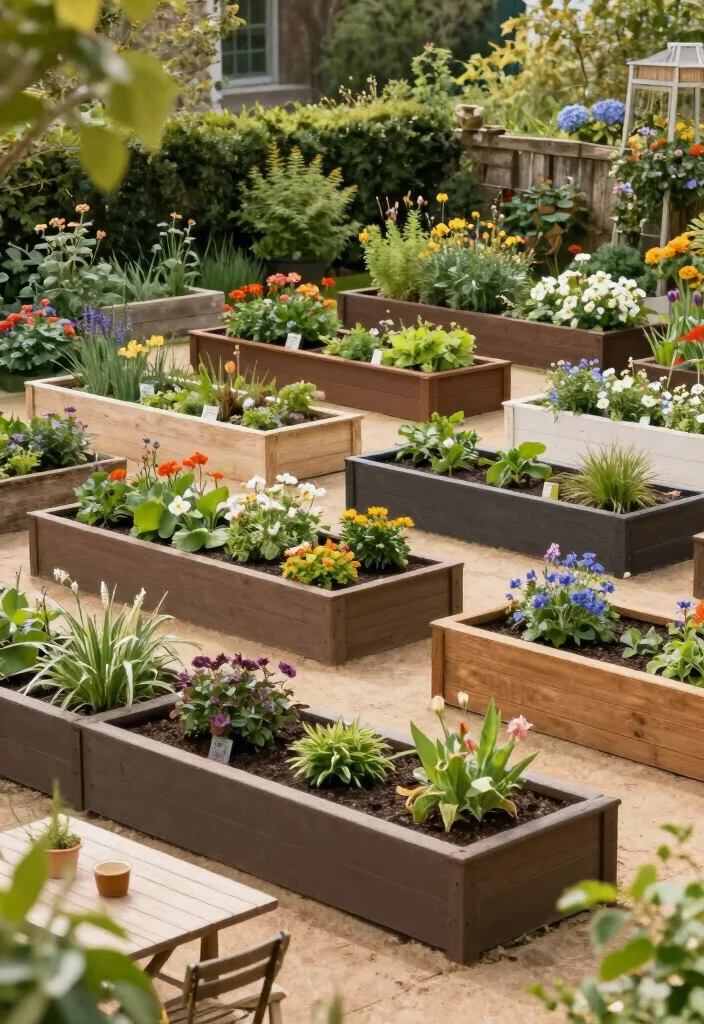
Incorporating raised garden beds into your landscape can transform your outdoor space into a vibrant oasis, especially when carefully designed and thought out. From tiered designs to vertical gardens, these layouts not only maximize gardening potential but also enhance the visual appeal of your backyard. As you consider which ideas resonate with you, remember that the best garden is one that reflects your personal style while meeting your specific needs. So, gather your materials, get creative, and let your garden flourish!
Note: We aim to provide accurate product links, but some may occasionally expire or become unavailable. If this happens, please search directly on Amazon for the product or a suitable alternative.
This post contains Amazon affiliate links, meaning we may earn a small commission if you purchase through our links, at no extra cost to you.
Frequently Asked Questions
How can I plan a raised garden beds layout design landscaping ideas for a small outdoor space to maximize impact?
Start with a simple measurement and a rough sketch. Prioritize vertical raised bed designs for small spaces to gain more planting area without widening the footprint.
Choose a focal point like a bold cedar bed or a trellis with climbers and arrange beds around it to create zones.
Pick raised garden bed styles that fit your climate and maintenance needs—straight-edged cedar boxes for a modern look, or stacked modular units for versatility.
Finish with a cohesive color palette and mulch that ties the beds together. This approach is a practical example of raised garden beds layout design landscaping ideas that maximize impact in a small yard.
What raised garden bed styles work best for a compact yard?
For tight spaces, go vertical: stackable towers, wall-mounted planters, and trellis-adorned beds.
Modular cube systems let you reconfigure as plants grow, keeping the layout fresh and functional.
Choose materials like cedar, steel, or composite that resist weather and still blend with your home exterior.
Mix ground-level beds with vertical elements to create multi-height interest and efficient use of space. This is a smart example of garden bed designs and raised garden bed styles that maximize space in backyard landscaping inspiration.
How can I weave vertical raised beds into backyard landscaping inspiration?
Start with a cohesive color palette and repeat a few materials (like cedar framing and metal accents) to tie all beds together.
Create a natural flow by placing beds along a winding path and using stepping stones or gravel to guide the eye.
Install a simple drip irrigation line to make maintenance easy and keep plants thriving without wasting water.
Let the vertical elements serve as architectural features within your outdoor garden ideas, contributing to backyard landscaping inspiration.
Which plants thrive in vertical raised beds for small spaces?
Herbs like basil, thyme, and parsley are compact and high-yielding in vertical beds.
Leafy greens such as lettuce, spinach, and arugula grow quickly in shallow vertical pockets.
Compact fruiting crops work well too—strawberries, bush beans, cherry tomatoes, and small peppers can perform beautifully in vertical layouts.
Prioritize sun exposure and use a lightweight, nutrient-dense soil mix. For outdoor garden ideas, rotate crops seasonally and keep a close eye on drainage and pests.
What landscaping tips help create a cohesive look when mixing multiple bed designs in one layout?
Stick to a common material palette for frames and edging to unify diverse bed designs.
Repeat a color story through mulch, plants, and accessories to create harmony across the layout.
Align pathways and sightlines so the eye moves smoothly from one bed to the next, with a clear focal point anchoring the space.
Use consistent irrigation and maintenance routines so the whole installation feels intentional and polished, transforming your raised garden beds layout design landscaping ideas into a cohesive backyard retreat.
Related Topics
raised garden beds
landscaping ideas
small space gardening
vertical garden design
backyard inspiration
garden bed styles
easy landscaping
DIY garden projects
outdoor decor
beginner friendly
urban gardening
seasonal planting