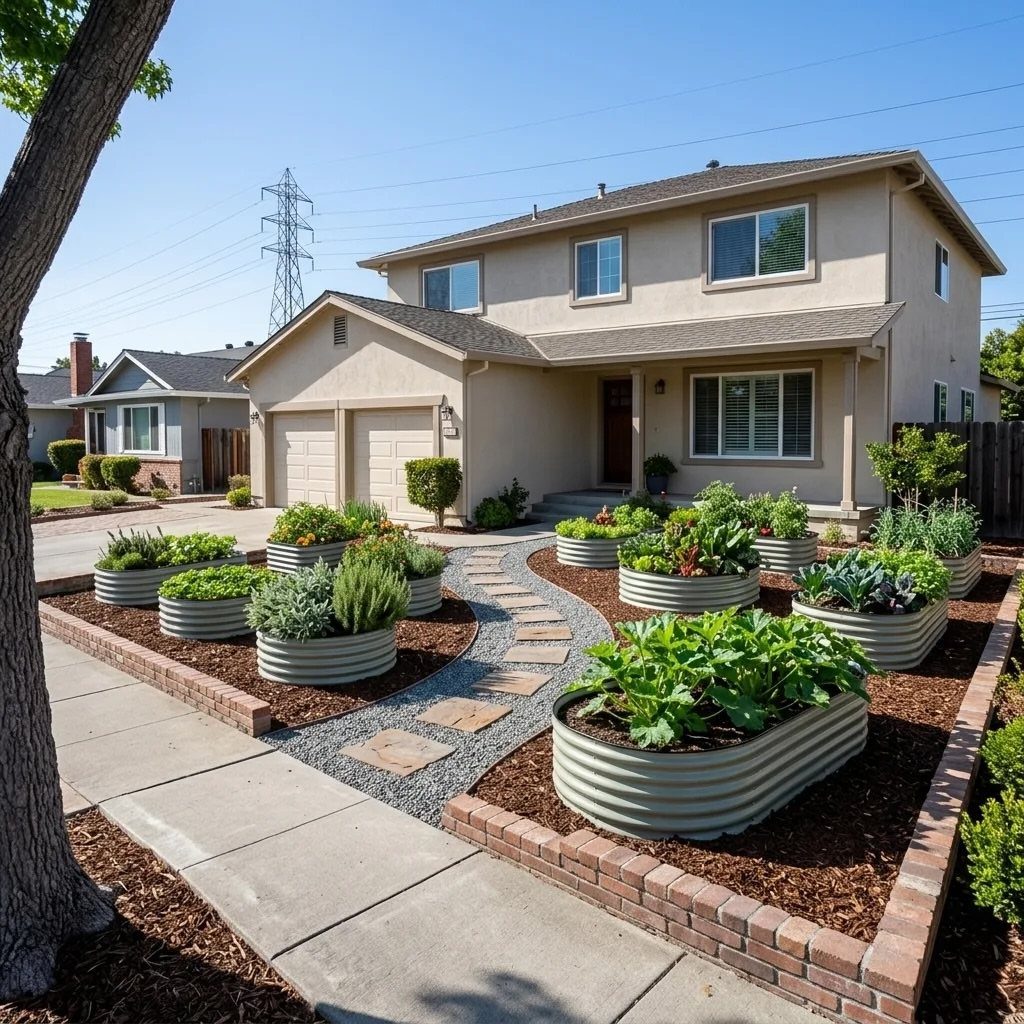
Front yard raised garden beds span from a quick stack of cinder blocks to dry-stacking limestone that needs a delivery truck.
What picks one over another is how much of the work you want to do with your hands and whether you need the bed to outlast your time in the house.
The galvanized stock tank that skips construction entirely still needs a ring of half-inch drainage holes drilled 2 inches up from the bottom, and that single step separates the projects you finish Saturday from the ones that sit in the garage until fall.
[link-whisper-related-posts]1. Cinder Blocks
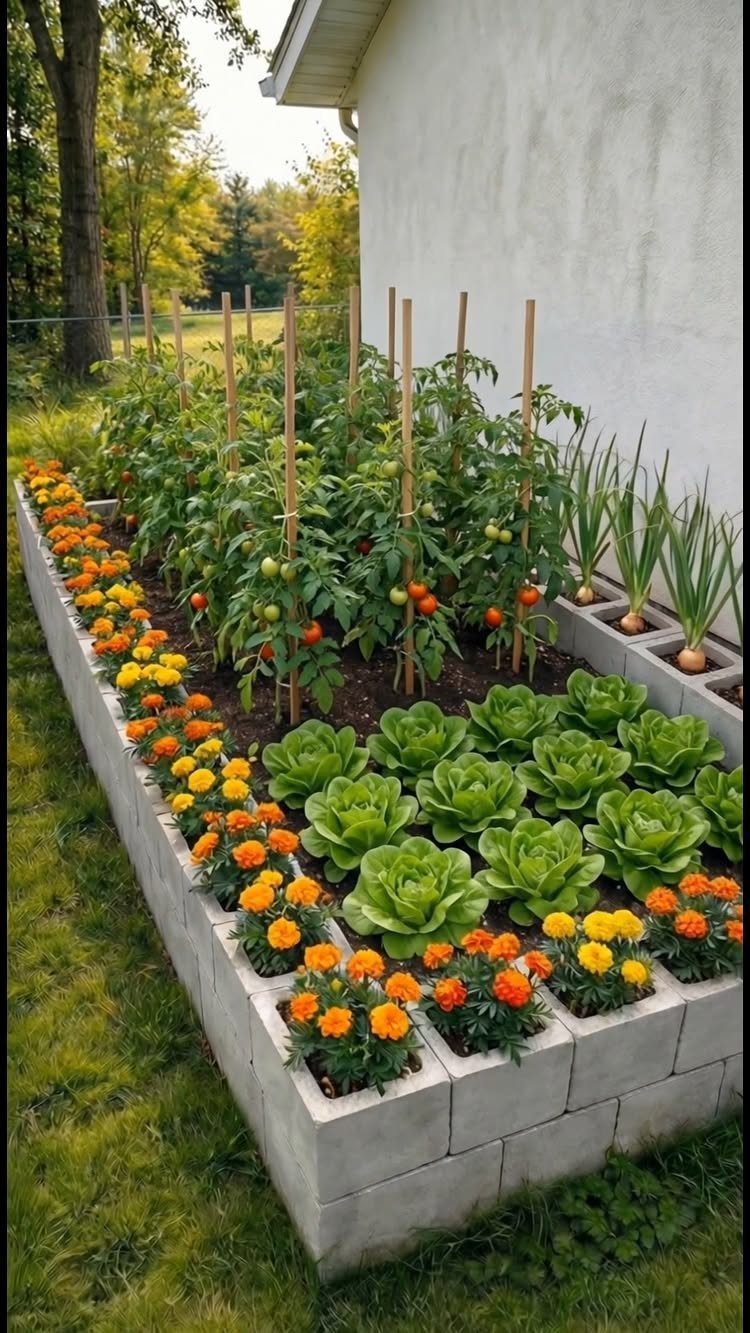
Cinder blocks are cheap at most hardware stores, and you can build a decent-sized bed for less than the cost of a tank of gas.
The holes work as extra planting pockets for shallow-rooted plants like marigolds or onions, though they dry out faster than the main bed.
Check that your wall sits level; a half-block stagger at the corners locks the run together without mortar. I would skip painting them, the bare concrete weathers to a soft gray that disappears behind the plants in about 2 seasons.

Size: 60×29×11 in, 68 gallons of soil required.
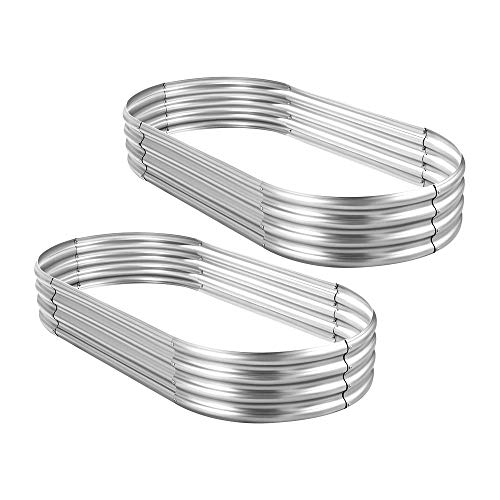
Each raised metal garden bed size: 4×2×1ft , 7Cu
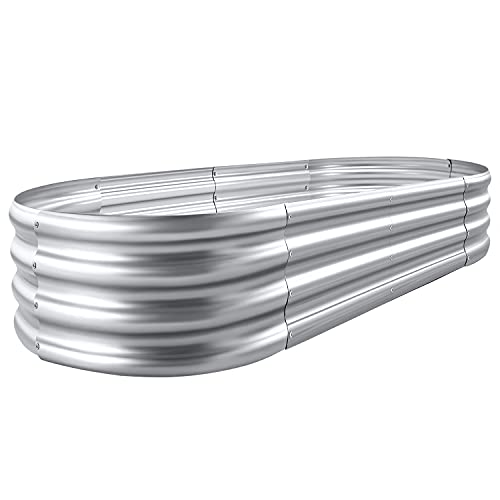
Each raised metal garden bed size: 4×2×1ft ,7.14Cu
2. Galvanized Metal Raised Beds
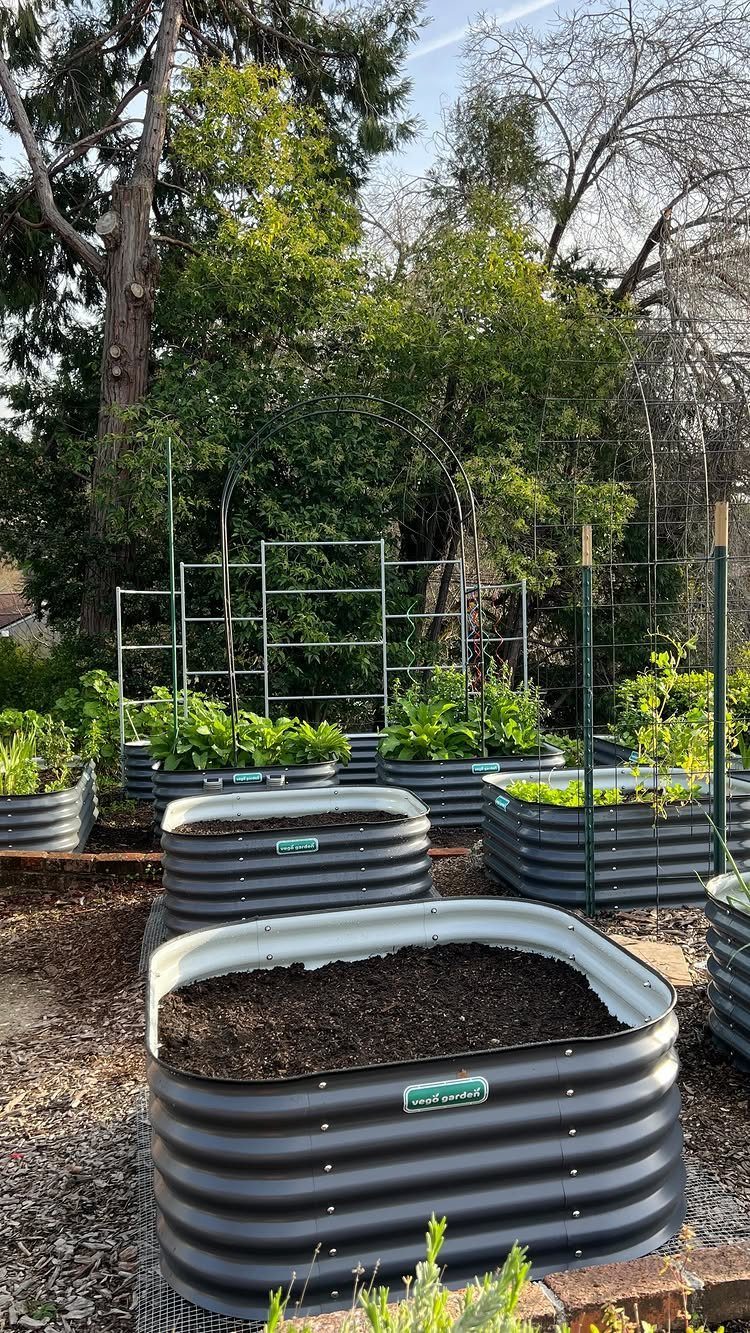
Corrugated galvanized beds like the Vego Garden kits ship flat and bolt together in under an hour with a socket wrench.
The dark gray finish absorbs more heat than bare metal, which makes it a poor choice for lettuce through July.
I like the arched trellis add-on for cucumbers or pole beans; it turns a single bed into a vertical plot without guy-wires or staking.
One thing to check: the bottom edge should sit on bare soil or a weed barrier, not directly on lawn, or grass runners will find the seam.
Contaminants: If the soil is contaminated with lead or other heavy metals, growing in raised beds can help reduce the risk. For more information, watch the Extension video about lead in gardens ( 2020; 3:38).

【Spacious and Versatile Design】: The CATMANOR raised garden beds outdoor provide ample growing space for a variety of vegetables, herbs, and flowers. The raised bed design maximizes planting capacity, making it an ideal solution for gardening enthusiasts who want to grow medium to deep-rooted plants such as broccoli, beans, and more.

【Spacious and Versatile Growing Space】The CATMANOR raised garden beds outdoor offer plenty of room for growing vegetables, herbs, and flowers. The raised bed design helps make better use of planting space and works well for medium to deep-rooted plants like broccoli, beans, and similar crops.

4X2X1FT GROWING SPACE: This oval raised garden bed measures 4 x 2 x 1 ft, providing 7+ cu. ft. of organized growing space for vegetables, herbs, flowers, strawberries and selected root crops. Its compact footprint fits naturally into backyards, lawns and small outdoor gardens while keeping plants easy to reach and maintain.
3. Galvanized Tubs and Cattle Troughs
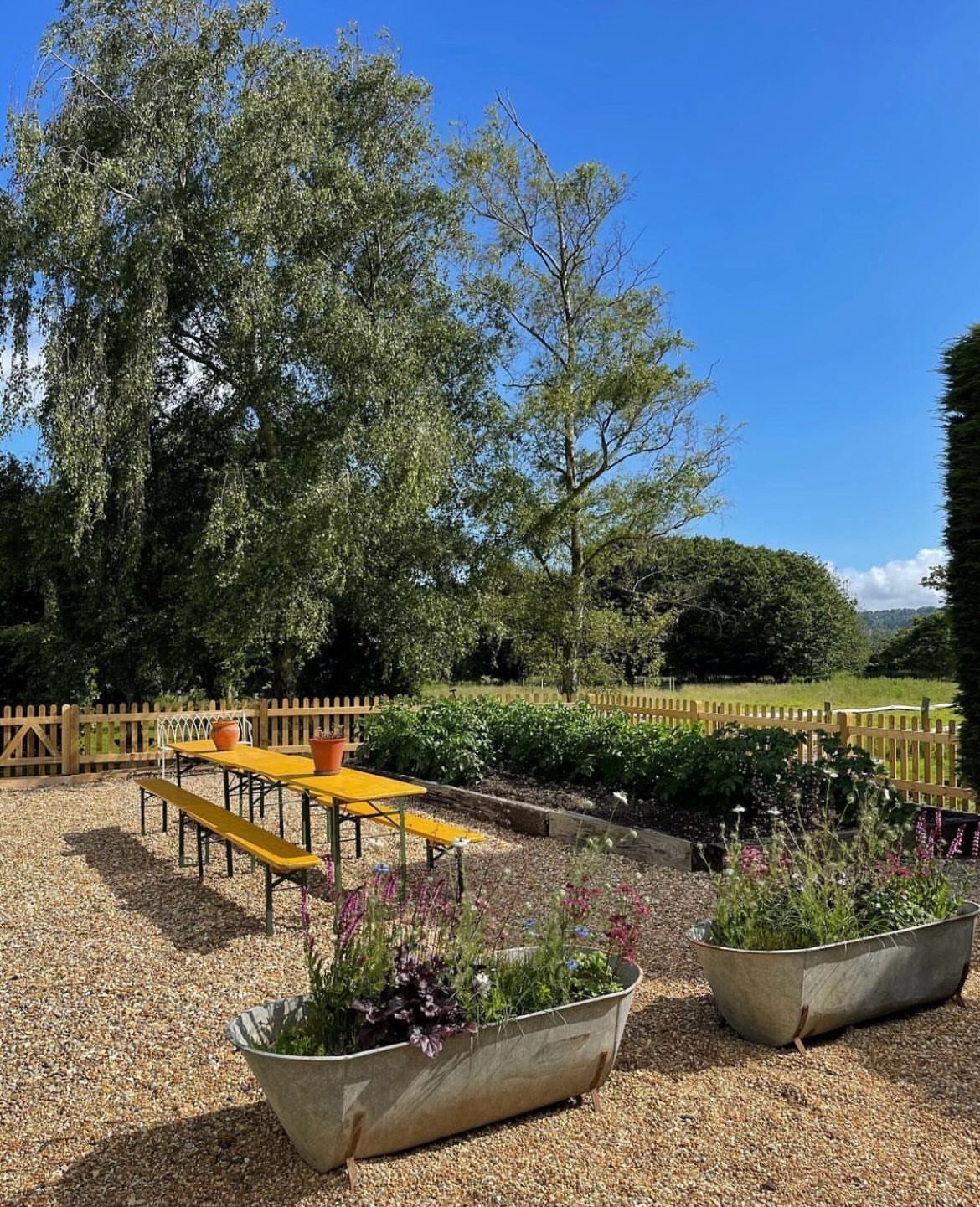
Vintage tubs and stock tanks skip the building phase entirely. A small tub holds one determinate tomato or a cluster of annual flowers; a full-size cattle trough gives you the soil depth for carrots or a small pepper patch.
Drainage is the only real work. I drill a ring of half-inch holes 2 inches up from the bottom, not at the base, so a shallow reservoir stays put during a hot afternoon.
The galvanized dents and scratches over time; I think that patina looks better than the factory finish, but it is not for anyone who wants crisp lines.

Professional metal raised garden bed size: 6×3×1.99ft, you can grow vegetables, fruits, flowers, herbs and other plants in courtyards, yards, gardens and greenhouses.

【24'' Growing Depth】Measuring 48"(L) x 24"(W) x 24"(H), the metal raised garden bed holds 144 gallons of soil and provides extra large growing space for vegetables, fruits, flowers and other plants.

Versatile: Perfect for windowsill planter of hearbs, succulents, or flowers. Or as storage, display, organziing household items.
4. Borders and Edging Materials
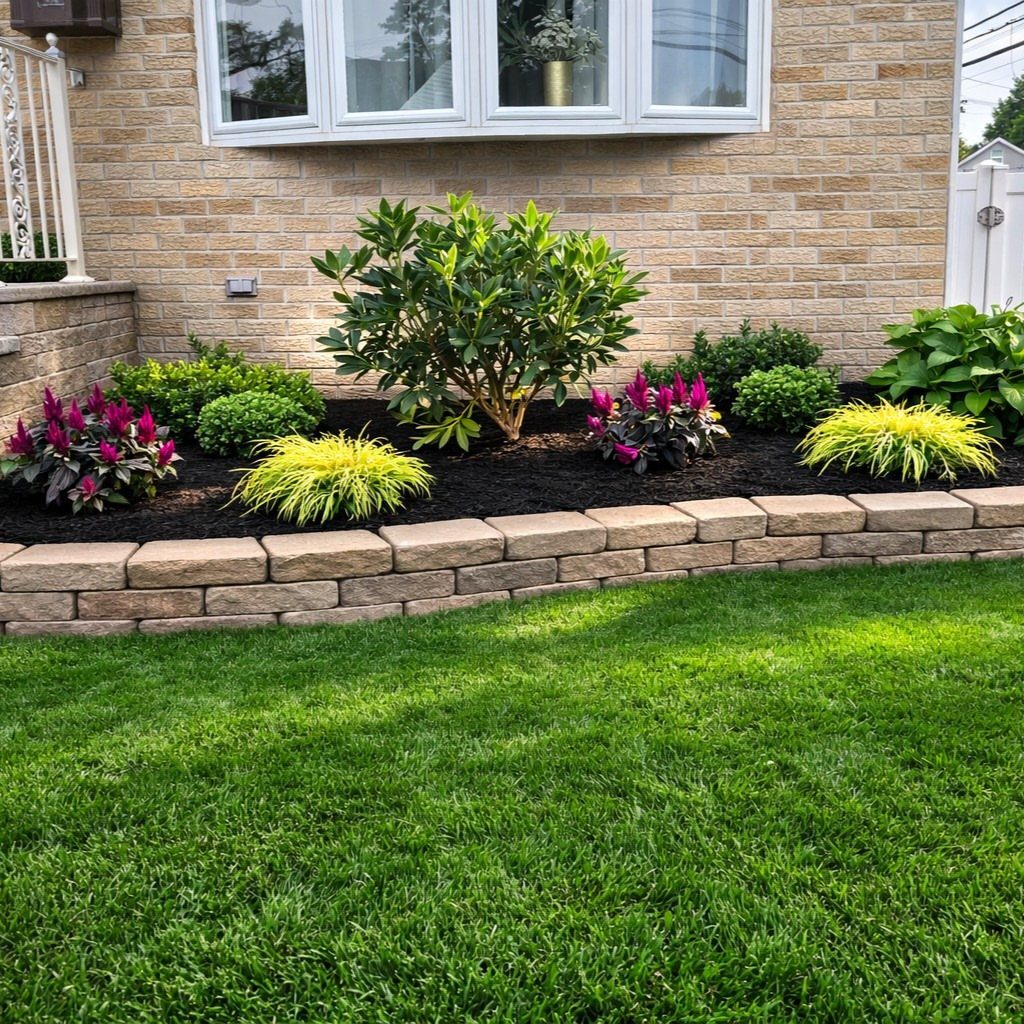
Stacked stone block edging turns a sloped front yard into level planting beds without a full retaining wall. The visible beds use a single course of rectangular block set on a sand base, with dark mulch inside to suppress weeds.
I would set aside a full day; the digging and leveling takes longer than the stacking.
If your lawn meets the bed, leave the block a half-inch above grade to keep grass from creeping over. No mortar needed for low beds, the weight of the block and the backfill do the work.

【18’’ Growing Depth】Measuring 48"(L) x 24"(W) x 18"(H), the metal raised garden bed holds 89 gallons of soil and provides extra large growing space for vegetables, fruits, flowers and other plants.

Raised Garden Bed - Add a new level of convenience to your gardening experience with the Galvanized Raised Garden Bed. Enjoy expanded yield and a more assembled garden layout with this garden accessory, each sized at 120 cm X 60 cm x 30 cm.

Outdoor galvanized planter boxes size: 8x2x1 ft, Can hold garden soil and fertilizers:113Gallon. Available in a variety of colors, you can choose the one that best suits your garden style. Moreover, you can use galvanized sheets to splice out the size and shape you want. Use your design skills and imagination, and combine this galvanized garden beds outdoor with metal plant stakes to DIY your beautiful garden
5. Wooden Raised Beds
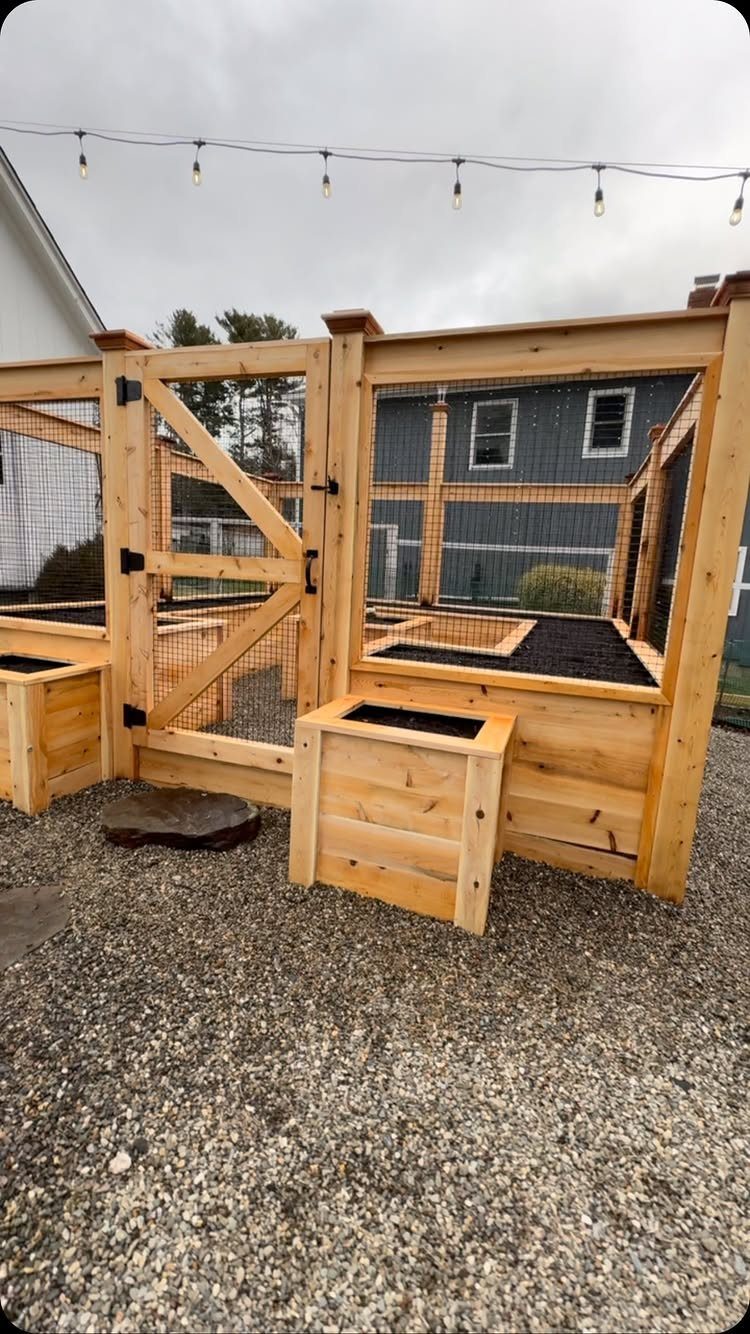
Wood is what most people picture when they think raised bed, and for good reason.
Cedar or redwood lasts years untreated; pine rots faster but costs a good deal less. The visible enclosure uses a simple box joint at the corners with a cap rail wide enough to sit on while you weed.
The wire mesh fence and gate are worth adding if deer or rabbits visit your yard; attach it to the bed frame itself so the whole structure moves as one unit.
I would line the inside with landscape fabric only if the bed sits on bindweed or Bermuda grass, otherwise the soil contact helps drainage.

EASYFLEX DECORATIVE NO-DIG LANDSCAPE EDGING: Get a beautifully landscaped yard without all the work of a dig-in lawn edging; simple installation without trenches or shovels; color may vary due to the unique manufacturing process.

Realistic Faux Stone Texture: Our landscape edging boasts a lifelike stone texture with detailed surface patterns that add depth and a polished look to your outdoor space. It beautifully enhances garden beds, lawns, pathways and flower beds, bringing a natural, decorative touch to any yard.

Durable & Flexible Material GTSABWAY garden edging is Made from high-quality metal, ensuring superior durability and flexibility. Easily shape it into straight lines,curves, circles, or unique contours ,without cracking,Can withstand all kinds of weather conditions, ensuring long-term durability and reliability. providing reliable Garden Border solutions.
6. Raised Beds for Herbs
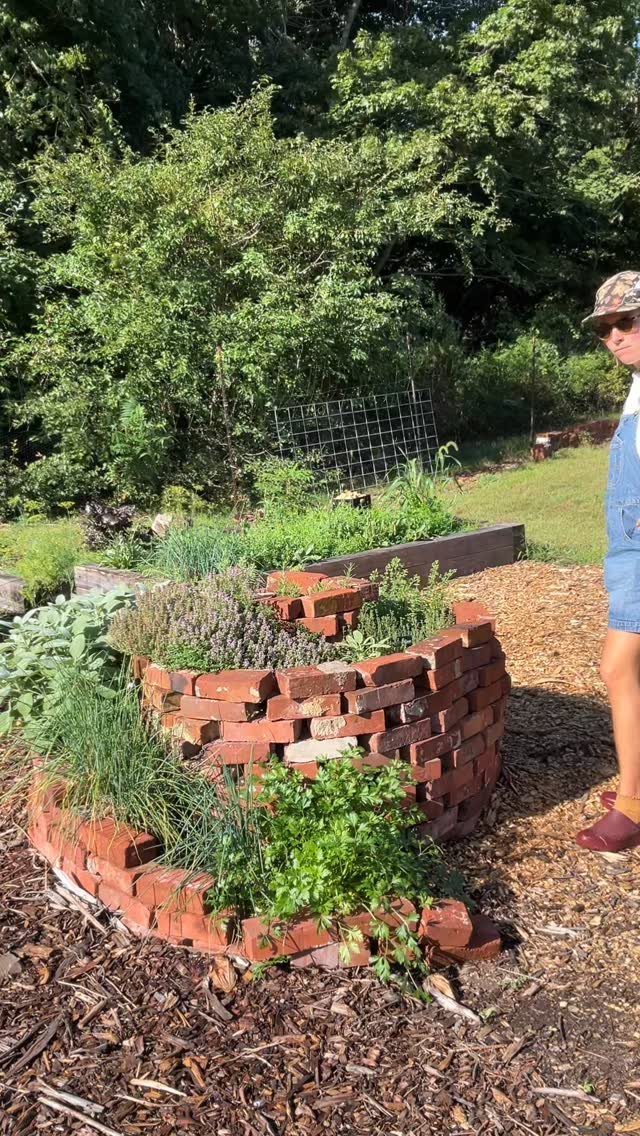
A spiral brick bed puts more growing edge into the same footprint than a flat circle, and the top stays drier for thyme or sage while the lower pockets hold parsley that wants steady moisture.
The visible bed uses standard red brick laid dry, no mortar, with soil packed tight to lock the angle.
I would start with a round base and a moderate center peak; anything taller and the top dries out too fast in August.
The brick wicks water, so I check the spiral more often than my wooden beds. One trade-off: the curves look informal, which suits a cottage front yard better than a symmetrical facade.

More suitable raised garden bed size and Volume:67"L x 20"W x10"H, 7 Cu. Ft. You can cultivate plants, like vegetables, flowers, herbs in your patio, yard, garden, and greenhouse.
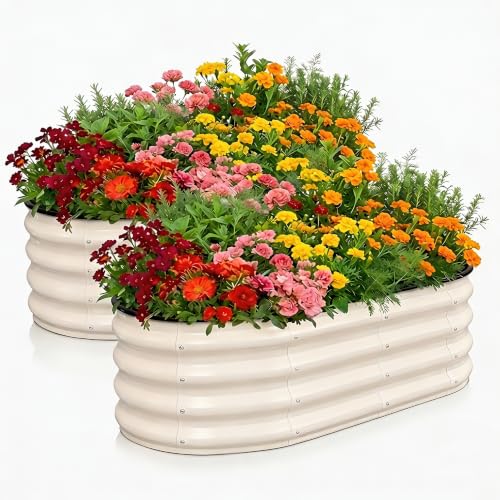
【Raised Garden Beds Outdoor】: GRASQUILINE’s galvanized raised garden bed features enhanced rust and corrosion resistance, ensuring years of durable use even in harsh outdoor environments and humid climates — so you never have to worry about premature wear.

SIZE: The plant bed measure is 23.6"L x 23.6"W x 11.8"H. This round planter box provide ample growing space to raise vegetables, flowers and plants.
7. Flowers in Raised Beds
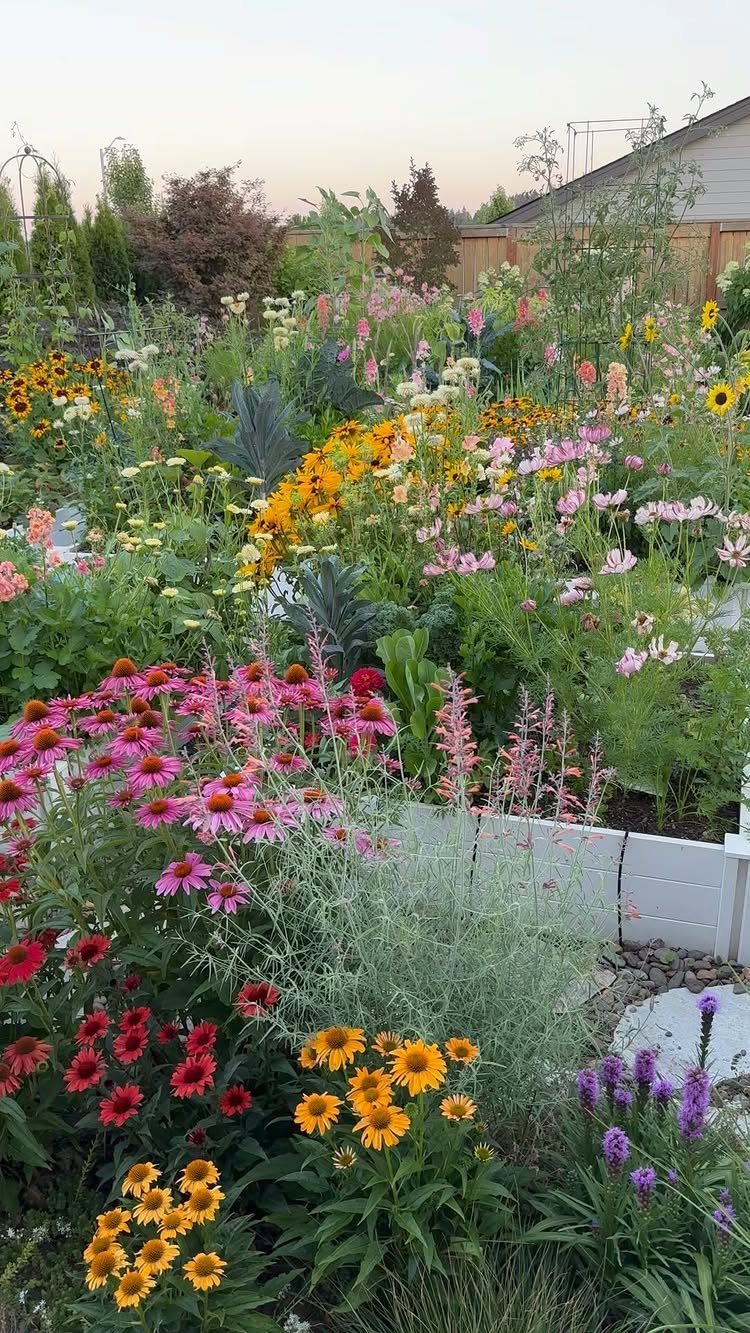
White-painted wooden boxes give annuals a clean frame that reads as deliberate from the sidewalk.
A single color family per bed is the safer bet; the mix of pinks, oranges and purples here works because they share similar saturation, not because anything goes.
Coneflowers, cosmos and sunflowers all want full sun and soil that drains well, so the gravel between these beds serves a purpose beyond looks.
One check before you plant: measure your box depth against the root run of what you are growing. Sunflowers send roots deep; shallow beds suit annuals better than perennials.

【Spacious and Versatile Design】: The CATMANOR raised garden beds outdoor provide ample growing space for a variety of vegetables, herbs, and flowers. The raised bed design maximizes planting capacity, making it an ideal solution for gardening enthusiasts who want to grow medium to deep-rooted plants such as broccoli, beans, and more.

Size: The garden bed measure is 23.6"L x 23.6"W x 17"H. Made of galvanized steel sheet metal with a rust-resistant coating features long-lasting use during kinds of weather.

【Spacious and Versatile Growing Space】The CATMANOR raised garden beds outdoor offer plenty of room for growing vegetables, herbs, and flowers. The raised bed design helps make better use of planting space and works well for medium to deep-rooted plants like broccoli, beans, and similar crops.
8. Front Yard Focal Points
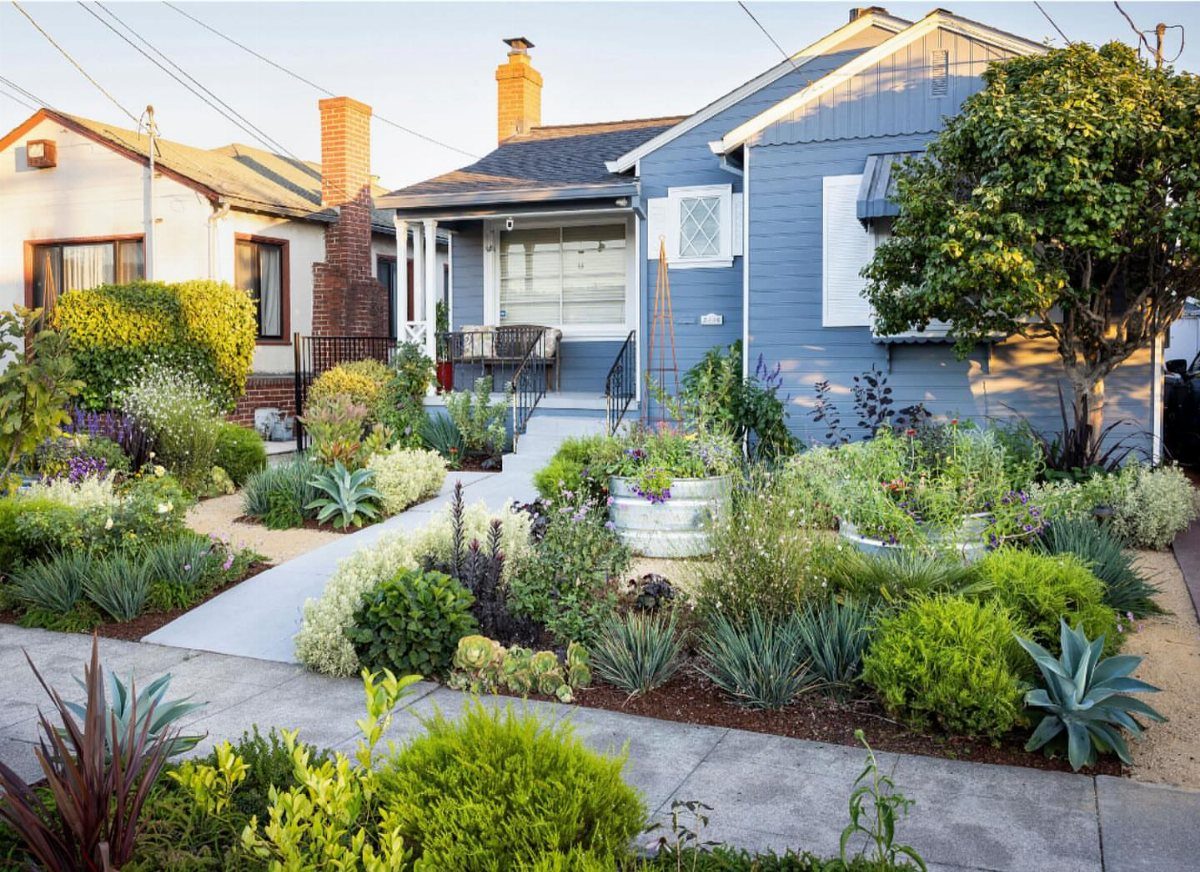
Galvanized stock tanks parked beside a walkway turn a plain lawn into something planted and intentional without a single day of construction.
The metal reads as industrial against the soft succulents and flowering perennials, which is the contrast that makes it work.
I would cluster two or three at staggered heights rather than line them up like soldiers.
Concrete paths give stock tanks a natural home; against asphalt or bare dirt, they tend to look dropped in rather than placed. Set them where you already walk, not where you wish you did.

🪣Inspired by classic American farmhouse design, its round metal tub shape & sturdy metal handles bring rustic charm to any space—perfect for galvanized bucket planters in cozy corners or garden nooks.

Professional standard garden bed size: Each 2×2×1ft, 3.14cubic feet, you can grow vegetables, fruits, flowers, herbs and other plants in courtyards, yards, gardens and greenhouses.

Classic WINDOWBOX style- These rectangular flower boxes have a Rolled edge, embossed lines and a simple classic style. Drainage holes are provided for direct planting flowers, herbs, and edibles.
9. Drip Irrigation for Raised Beds
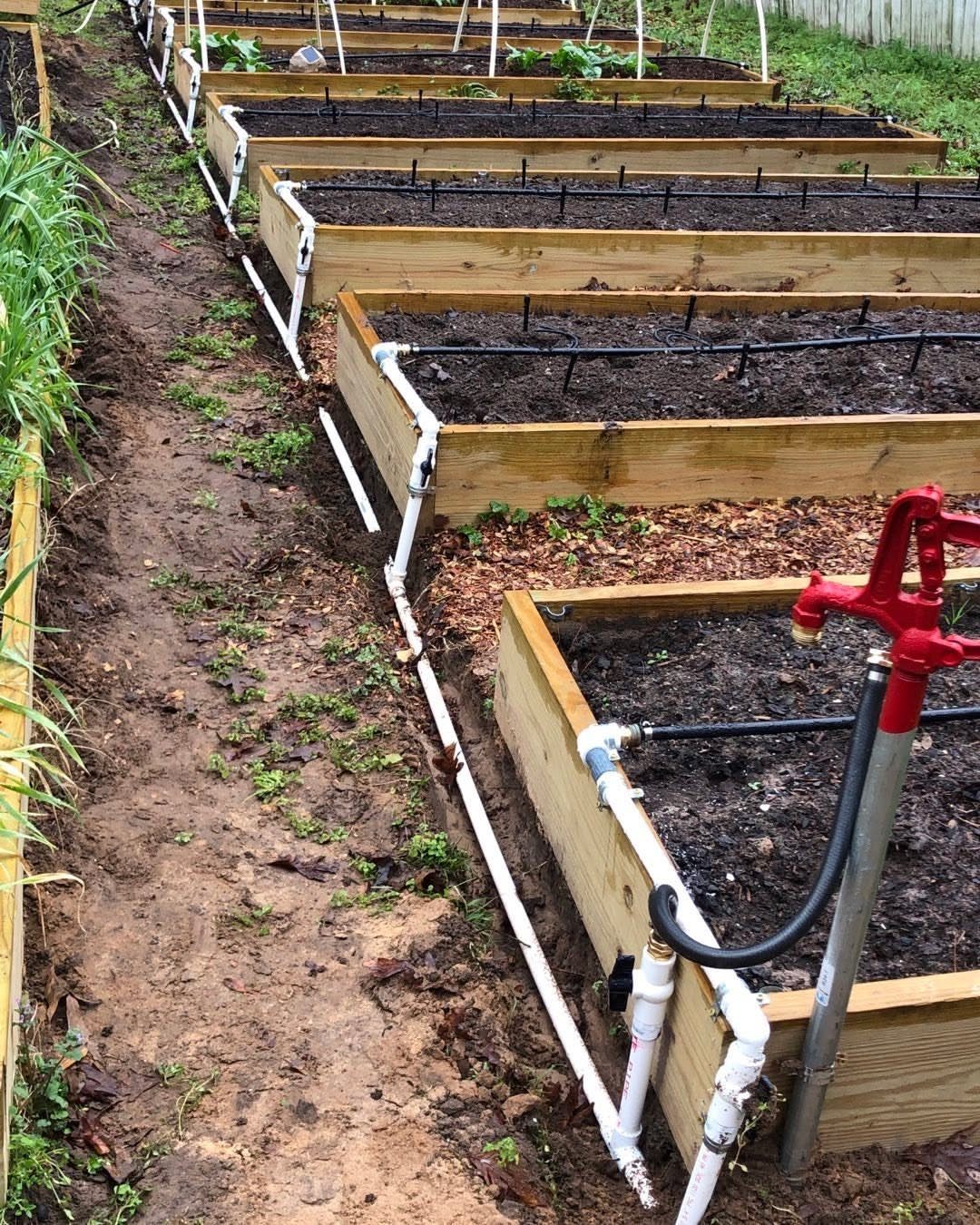
Black drip line snaked across dark soil beats a sprinkler for raised beds because the water reaches the roots without wetting foliage that will fry in afternoon sun.
Lay the tubing before you plant, spacing emitters closer together for dense flowers than for vegetables.
One limit: drip lines clog. I flush mine every spring with a bucket of clean water run through the open end.
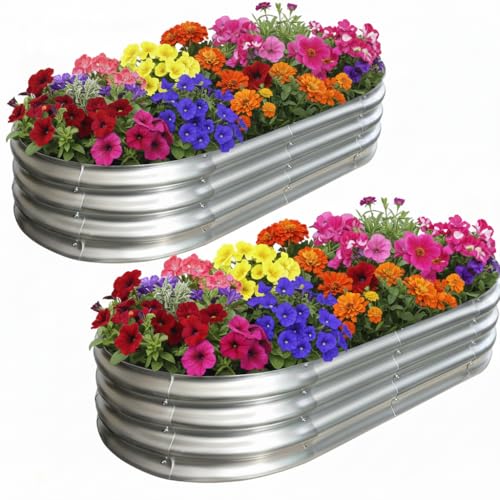
Discover the ergonomic elegance of our oval design—engineered for stress-free gardening and visual appeal. Raised flower bed features a heavy-duty construction using secure...
10. Stone Raised Garden Beds
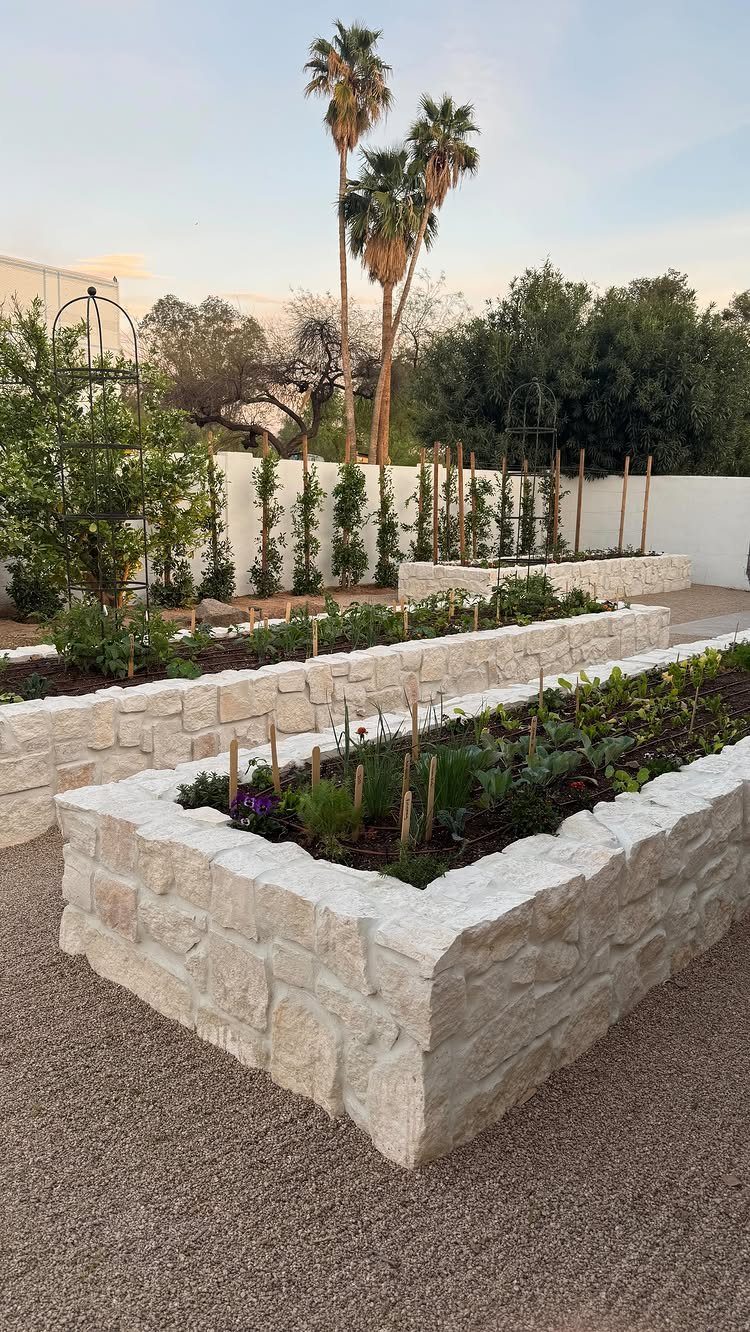
Rough-cut limestone or sandstone beds sit heavy and permanent where wood would rot and metal would dent. Light stone reflects heat, which helps leafy greens through a southern summer that would cook them against dark corrugated steel.
Pea gravel underneath drains well and keeps mud from splashing the stone faces. I would budget for delivery; a bed this size needs a pallet of stone at more than a ton, and that is not a trunk load.
Dry-stacking a level rectangle takes a full weekend, and cutting stone for corners adds another day.

EASYFLEX DECORATIVE NO-DIG LANDSCAPE EDGING: Get a beautifully landscaped yard without all the work of a dig-in lawn edging; simple installation without trenches or shovels

20-Pack Garden Edging Set: Includes 20 gray plastic edging panels. Each panel measures approx. 9.65 x 3.94 x 9.06 in and weighs about 0.13 lb. When connected, the full set covers up to 16 ft.

Durable & Flexible Material GTSABWAY garden edging is crafted from premium galvanized steel, ensuring superior durability and flexibility. Easily shape it into straight lines,curves, circles, or unique contours ,without cracking,Can withstand all kinds of weather conditions, ensuring long-term durability and reliability. providing reliable Garden Border solutions.
11. Tiered Stone Retaining Beds
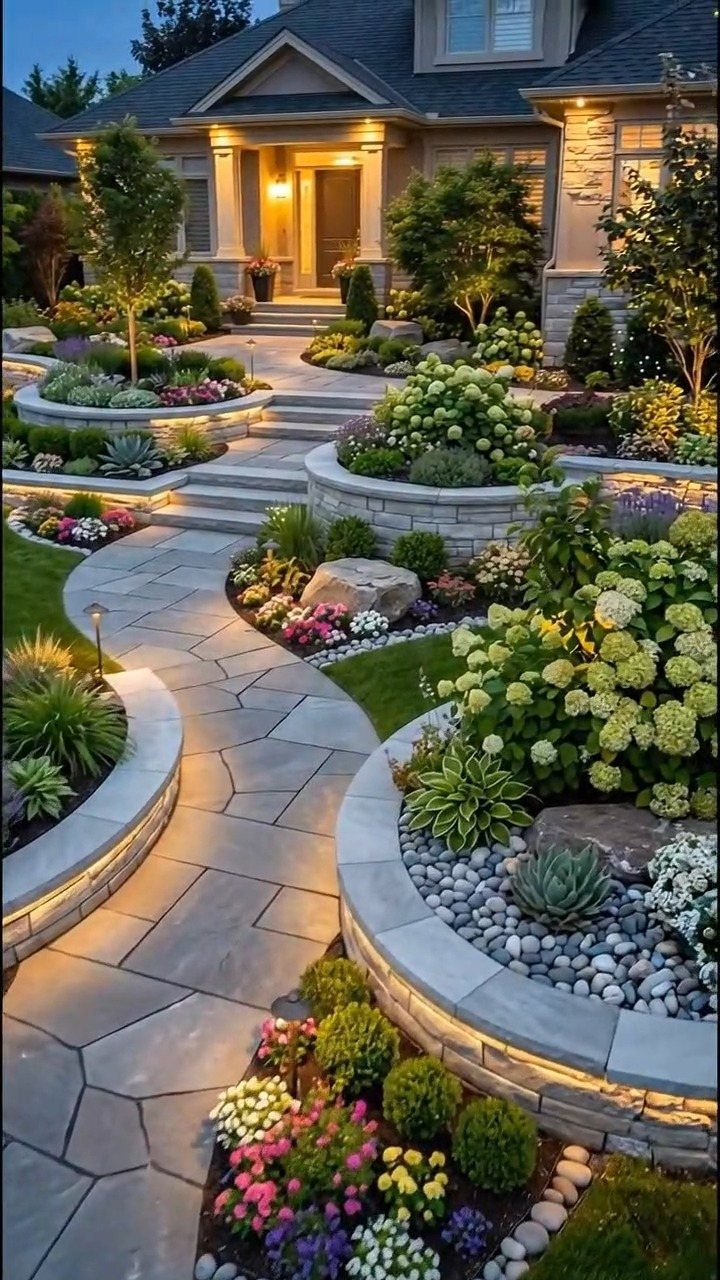
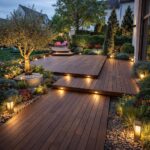
Curved stone walls step up a slope into planted terraces, turning grade change into garden space rather than fighting it.
Under-cap lighting is a detail I would add last, after the plants settle in; wiring during construction means replacing a failed fixture means rebuilding the wall cap.
Flagstone between the tiers needs a compacted base or it will shift in 2 winters.
Hydrangeas suit the dappled light these curves create, but their roots are shallow; plant them near the top where water drains slower, not at the toe where it runs off fast.
Maintenance Tips
Mulch is the maintenance task that pays back most. A 2–3 inch layer of shredded bark or wood chips keeps weeds from germinating and slows evaporation through July and August.
I pull it back a few inches from plant stems so rot and pests do not move in where the stem meets the soil.
Organic mulch breaks down and feeds the soil, which means replacing it each spring rather than topping off what is left. That decomposition is the point, but it also means the bed level drops over time.
Watering needs change with the material your bed is built from. Cinder block holes dry out fastest and need checking more often than a wooden box of the same depth.
Soil Filling Recommendations
I fill the bottom half with topsoil and the top half with compost, then mix them together before planting.
I buy topsoil in bulk by the cubic yard; it costs less than bagged and I avoid the stuff labeled "raised bed mix," which is usually priced higher for the same materials.
If the topsoil runs heavy on clay, I work in sand until the texture loosens toward loam.
Too much compost hurts more than helps; it dries fast and can start repelling water once it gets dry enough. Peat moss or coconut coir helps balance that, mixed in equal parts with the other two.
Potting soil stays in pots.
It drains too fast for a bed and will leave roots stressed by August. Manure and composted manure need a soil test first; they load phosphorus and I only add them when the test shows a real deficit.
Frequently Asked Questions
Can you build raised garden beds on a slope?
Yes, and the slope becomes an advantage rather than a problem.
When your front yard slants, stacked stone blocks let you carve out level beds without pouring footings or mixing mortar; each course sits on the one below it, held in place by its own weight and the soil you pack behind.
Should I do raised beds or in-ground garden?
Raised beds win when your soil is poor, you need better drainage, or you want to start planting sooner in spring. They also keep grass and weeds from creeping in and let you control the soil mix from day one.
In-ground gardens cost less up-front and suit large plots with decent native soil, but they demand more digging and longer prep time.
What are some ideas for a small flower garden?
Painting wooden boxes white gives annuals a crisp border that looks planned from the curb, and sticking to one color family per bed keeps the whole arrangement from reading as scattered.
Container planters using the thriller, filler, spiller method also pack a lot of visual punch into a tight footprint.
What are some creative landscaping ideas using raised beds?
Galvanized stock tanks parked beside a walkway turn a plain lawn into something planted without construction; cluster two or three at staggered heights rather than line them up.
Stone retaining beds built in steps up a hillside become planted terraces, and a string of lights tucked under the capstones after everything fills in buys you an hour of view past sunset.
A brick spiral squeezes more usable edge into the same ground area than a rectangle would; the top dries out enough for thyme while the bottom stays damp enough for parsley.