A garden bed layout can be as temporary as a weekend build with cinder blocks or as permanent as mortared stone, and the right choice comes down to how much you want to bend and how long you want it to last.
Durability runs from stone or concrete block that warms soil a week earlier in spring, down to pine or cedar tiers that cost less upfront but gray out in 2 seasons if you skip the sealer.
Hardscape beats turf for anything with a base that sits on the ground; soil under grass stays wet and the blades underneath turn to mush in a season.
[link-whisper-related-posts]1. Raised Beds Garden Bed Layout
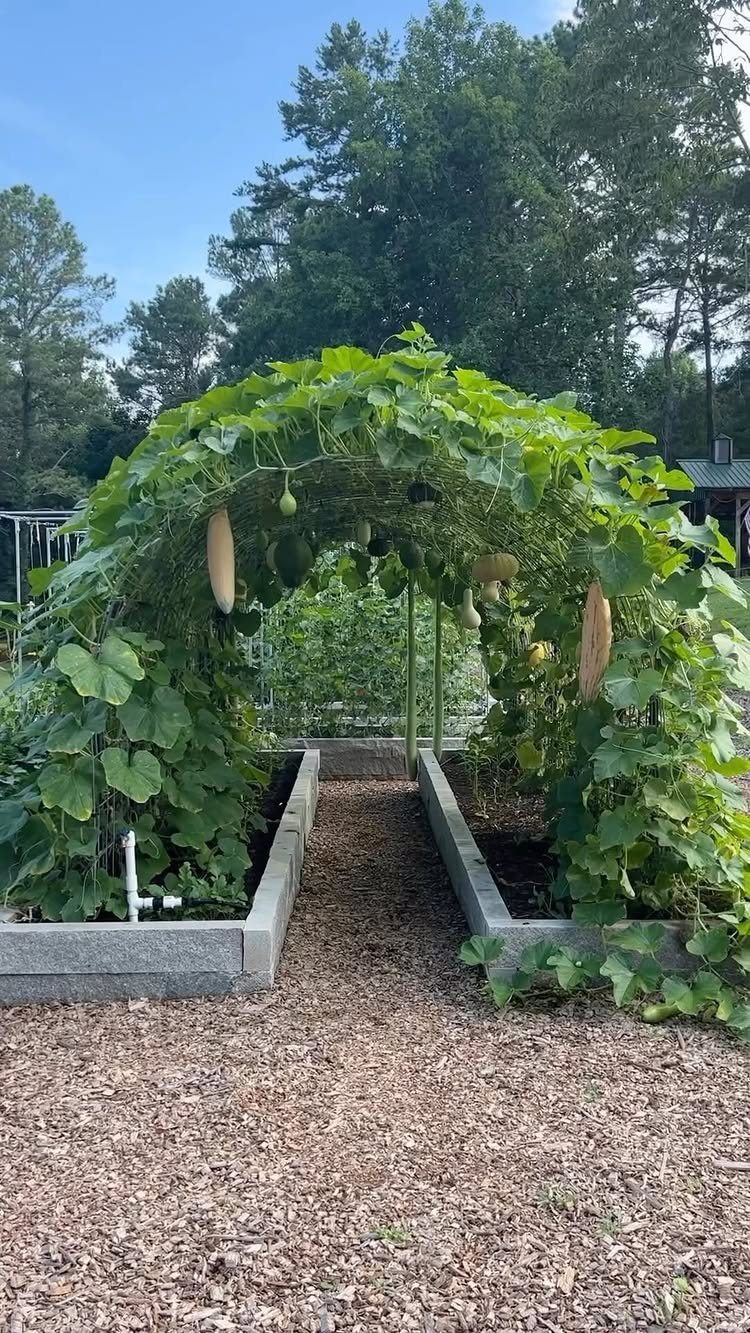
A raised bed gives you control over soil quality and drainage that in-ground planting never matches.
I would go with stone or concrete block over wood if your budget allows; it lasts decades and the thermal mass warms soil earlier in spring.

EASYFLEX DECORATIVE NO-DIG LANDSCAPE EDGING: Get a beautifully landscaped yard without all the work of a dig-in lawn edging; simple installation without trenches or shovels; color may vary due to the unique manufacturing process.

Flexible Mold Construction: Soft silicone bends around cured pieces for easier removal while helping protect raised textures and edges, making it practical for repeated concrete, cement, plaster or resin casting projects
2. Vertical Gardening
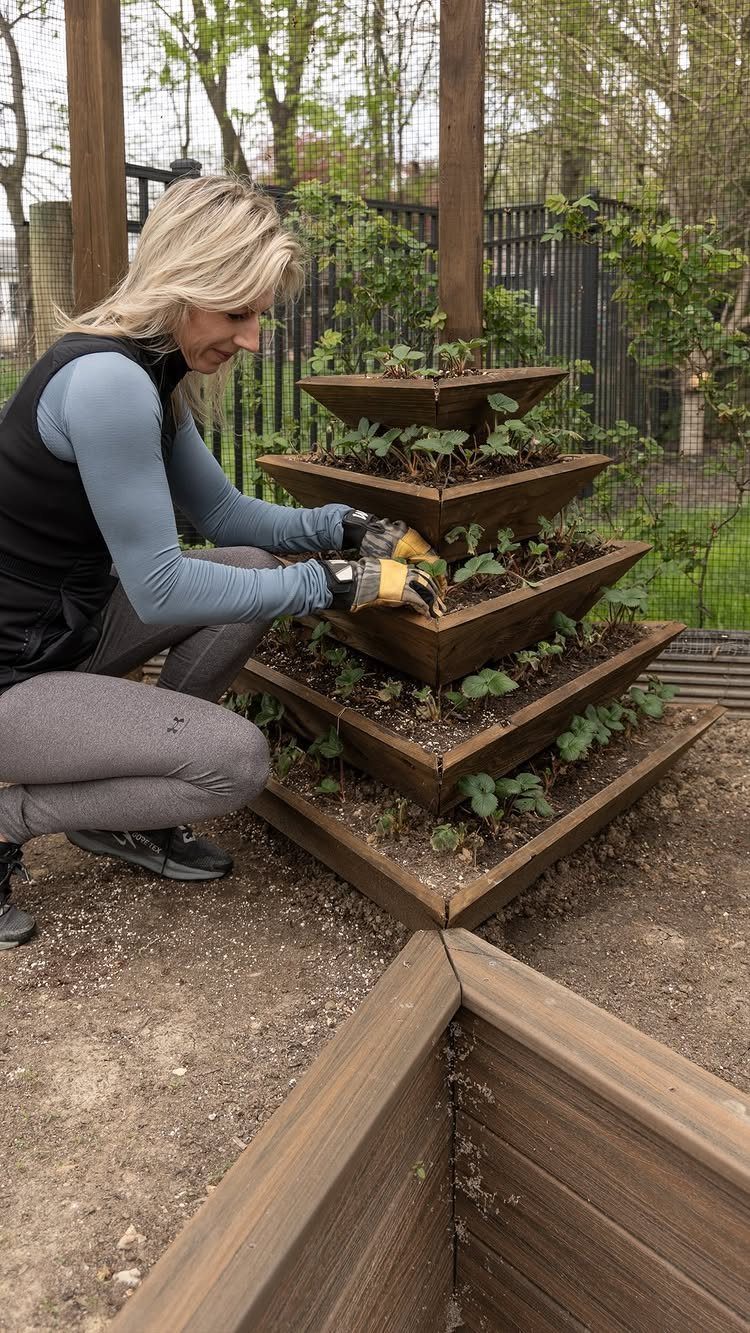
Vertical gardening stacks your growing area upward instead of outward. A pyramid planter is one approach: a tiered wooden frame that puts lettuce, herbs, or strawberries at waist height and above.
Before building or buying, check that each tier drains properly and that the base is wide enough not to tip once soil is wet.
I would set this on hardscape, not lawn; the bottom stays damp and grass underneath rots fast. The wood will need sealing or it will gray and split within 2 seasons.

Space-Saving : This strawberry planter maximizes your gardening space by stacking 5 layers to grow more plants in a compact area. The strawberry tower planter is ideal for patios, balconies, or indoor use

【4-Tier Size Set】: This strawberry tower set includes 4 round pots: 35.4”x11.8”, 27.5”x11.8”, 19.6”x7.8”, and 11.8”x7.8”. These strawberry planters for outdoor plants can be stacked into a vertical planting tower, maximizing space on balconies or small yards. Compared to horizontal planting, this stackable planters design increases growing capacity by 3 times for efficient strawberry cultivation

High-quality Product: Thick, high-quality PP materials can be used repeatedly without fading, not easy to crack even in summer, suitable for garden or indoor use
3. Evenly Spaced Rows
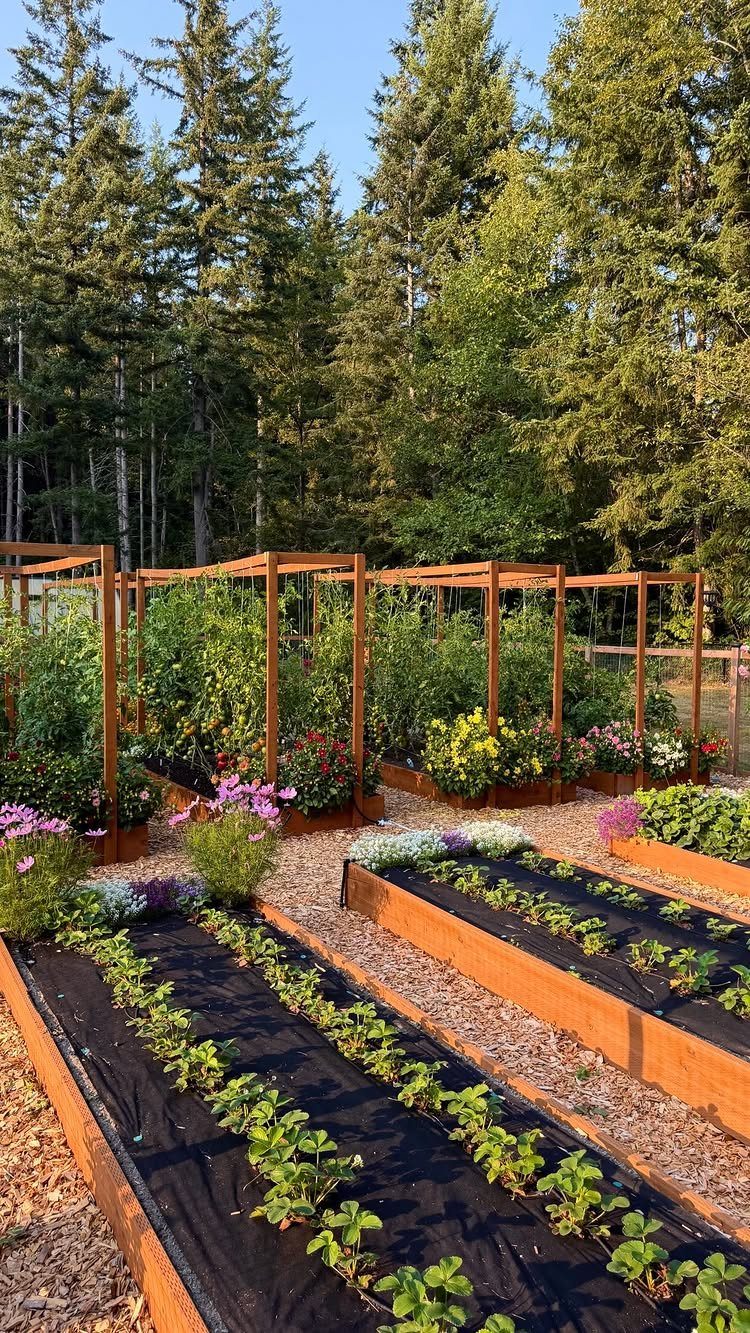
Straight rows through weed fabric suit anyone who wants order and less maintenance. The fabric suppresses most weeds, and the even spacing lets you walk between rows for harvesting without compacting root zones.
Check your soil drainage before committing; fabric on clay stays soggy.

Heavy-Duty Woven Ground Cover: Woven polypropylene fabric helps block weed growth while allowing air, water, and nutrients to move through, supporting long-term soil and plant health
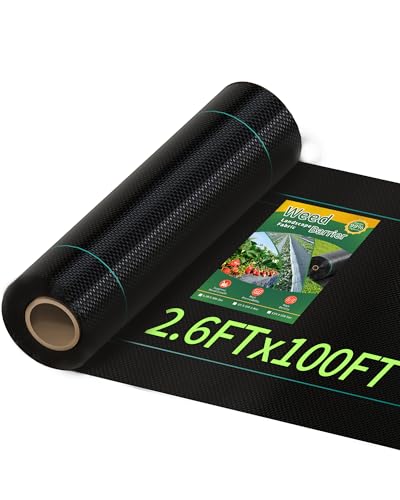
Weed Control: Woven polypropylene physically blocks sunlight to prevent weed seed germination, keeps flower beds, vegetable gardens, and landscaping weed-free without chemical herbicides.
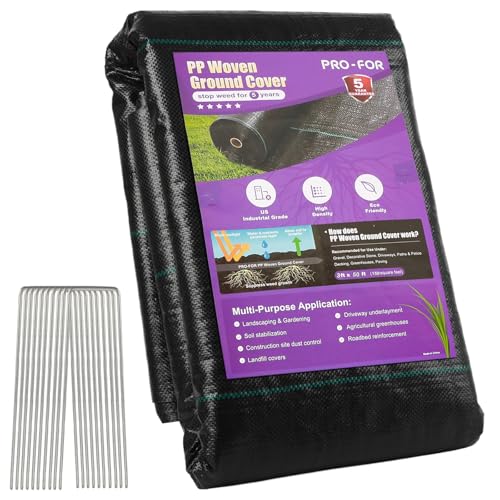
[3.2oz Woven Weed Barrier] This PRO-FOR 3FT x 50FT weed barrier landscape fabric is made from black woven polypropylene to help block sunlight at ground level and reduce weed growth while supporting soil moisture management in garden and landscape projects.
4. Companion Planting Garden Bed Layout
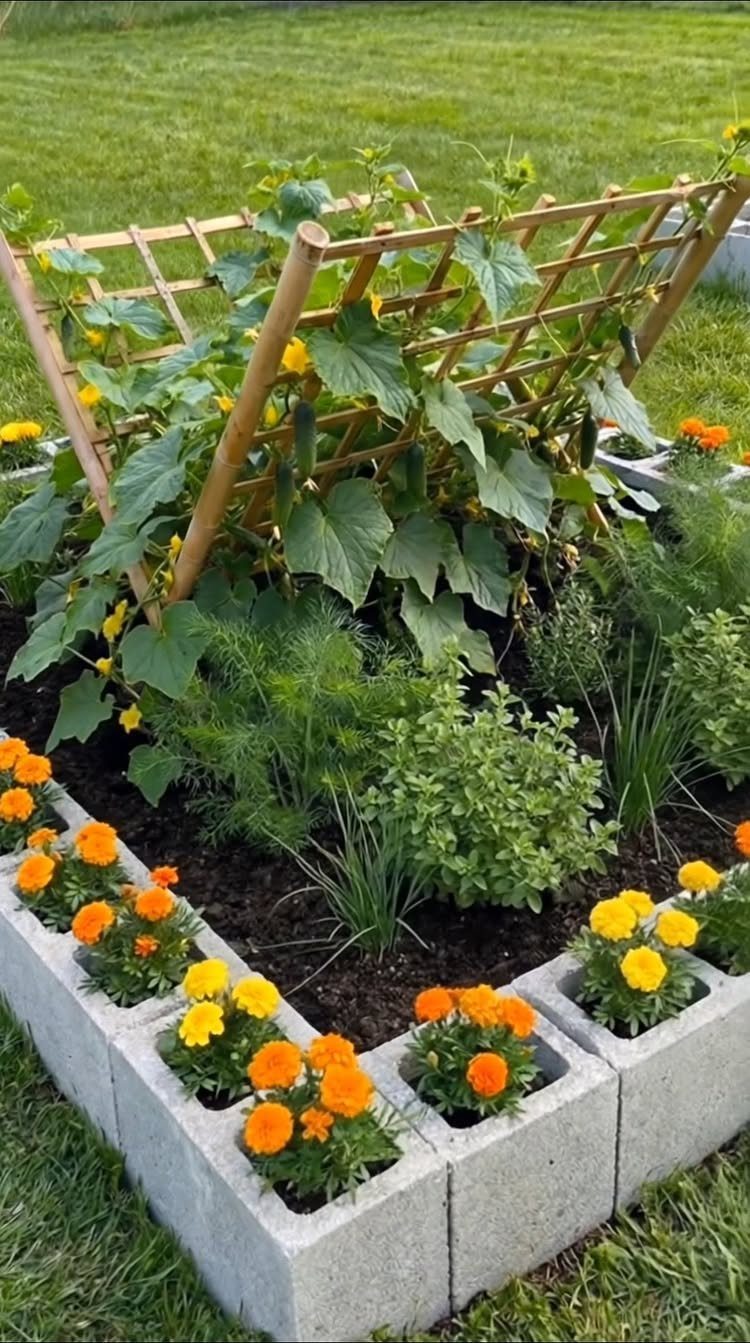
Companion planting pairs crops that help each other: marigolds may deter some pests, while an A-frame trellis lets cucumbers climb instead of crowd the herbs below.
I would plan this by listing what I want to eat, then checking which combinations actually work.
Basil near tomatoes is well-tested; many other pairings are folklore. The cinder block frame is cheap and functional, though the cavities dry out fast and suit shallow-rooted plants like chives, not deep vegetables.

Vibrant Flowers: Marigolds burst forth with large, vivid blooms, creating an enchanting garden display that adds eye-catching beauty to flowerbed borders

850 Seeds - African Marigold ‘Hawaii’ is an heirloom cultivar that has large, fluffy orange flowers and grows to 36 inches tall. The flowers are used for natural dyes in food and fabrics. Recommended for beds & borders and the cutting garden. Also useful in the vegetable garden.

The Best Value - Organo Republic Marigold Seeds Pack includes 1 oz or approximately 9,250 Non-GMO heirloom marigold seeds. Marigold (Tagetes erecta) offers vibrant ornamental beauty and is valued in traditional medicine for its anti-inflammatory and antimicrobial benefits.
5. Garden Bed Layout Paths
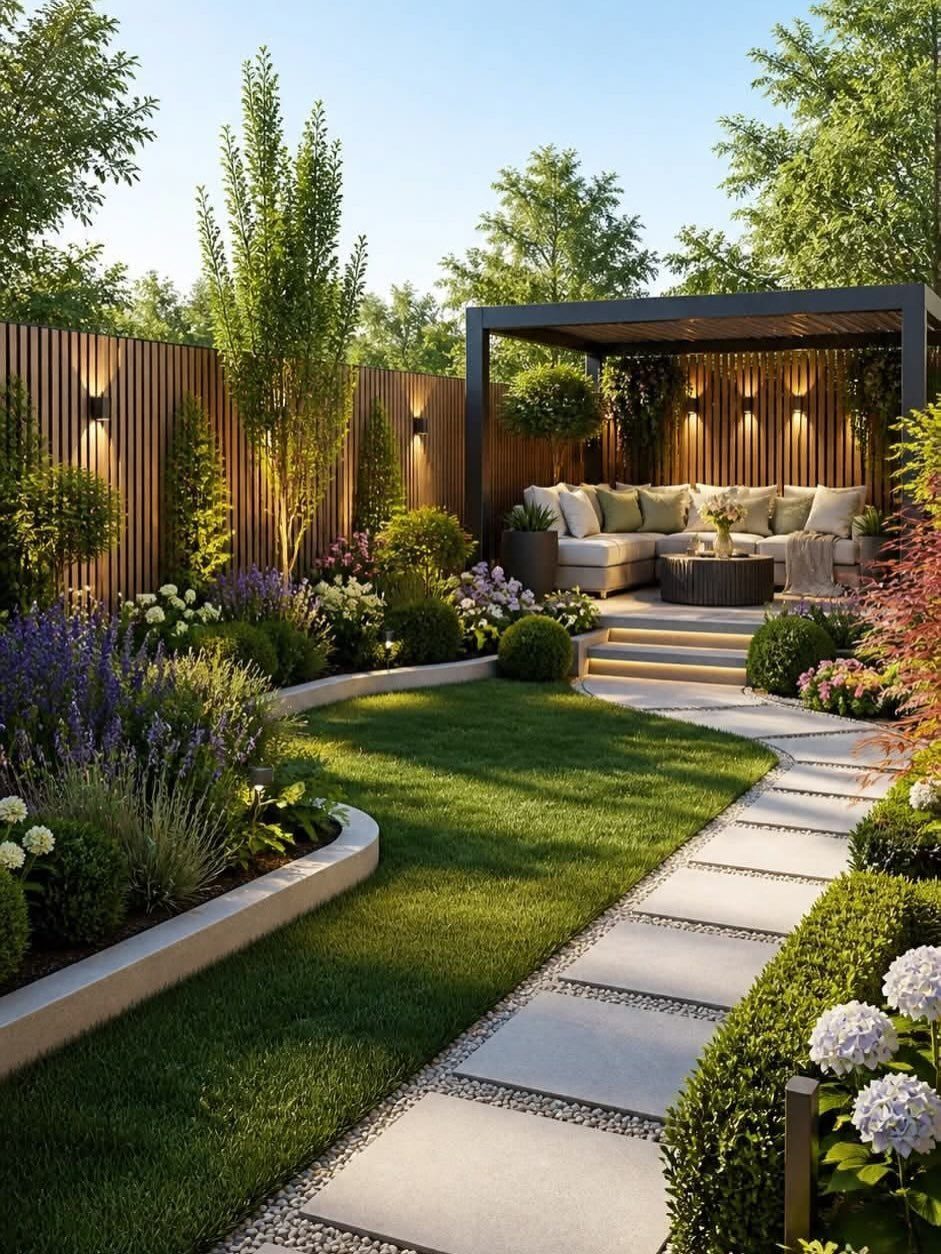
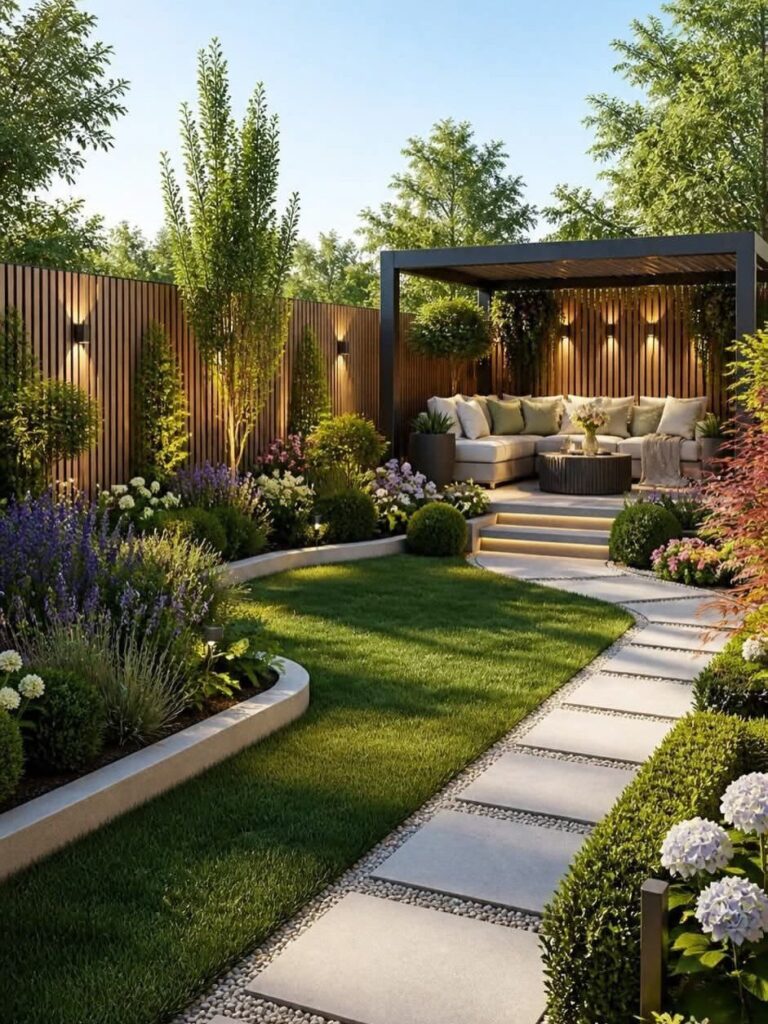
A path turns a planted area into a garden you can actually tend.
A curved stone route keeps every bed reachable without stepping on soil, which matters more than beginners realize; one foot on a planted bed compresses roots and opens weed gaps.
I would lay pavers on sand over compacted gravel, not set them in concrete; you will want to adjust the line as plants spread.

UNIQUE OUTDOOR WALKWAY SOLUTION: Elevate your garden, lawn, or backyard with BIRDROCK HOME Rubber Stepping Stones. These durable pavers create a functional and stylish walkway, enhancing your landscape while providing a solid and reliable surface to walk on.

RUBBER STEPPING STONES: Elevate your outdoor space with these lightweight simulated flagstone rubber pavers that offer the timeless beauty of real stone without the heavy lifting.
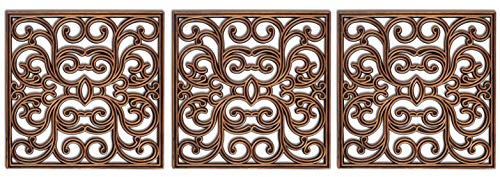
UNIQUE OUTDOOR WALKWAY SOLUTION: Transform your garden, lawn, or backyard with BIRDROCK HOME Rubber Stepping Stones. These durable pavers provide a beautiful and practical pathway through your outdoor spaces. The modern design not only enhances the look of your landscape but also offers a sturdy and solid surface to walk on.
6. L-Shaped Garden Bed Layout
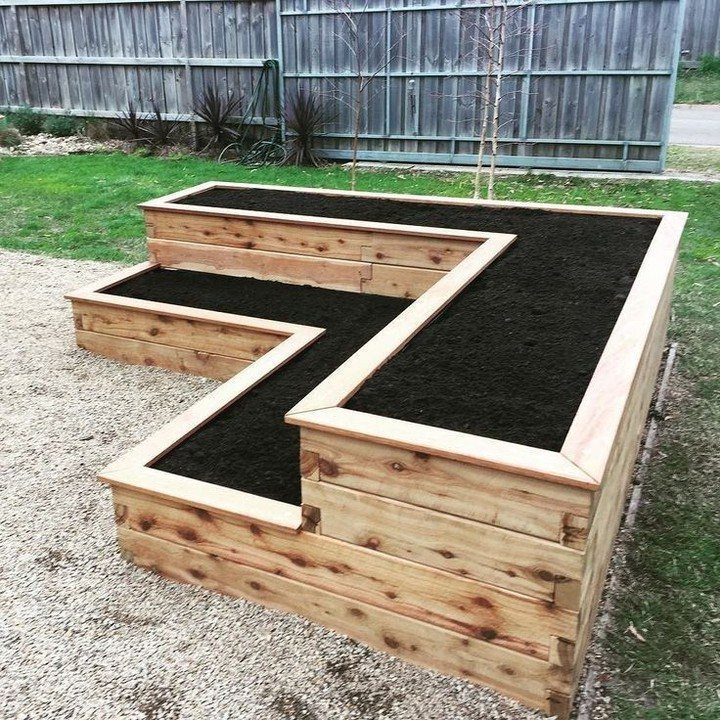
An L-shaped bed fills a corner that otherwise stays awkward or unused.
I would build the tall side first and level it carefully; the lower tiers follow from that line. Fill with a mix of topsoil and compost, roughly 60/40, rather than straight garden soil.

Size: 60×29×11 in, 68 gallons of soil required.
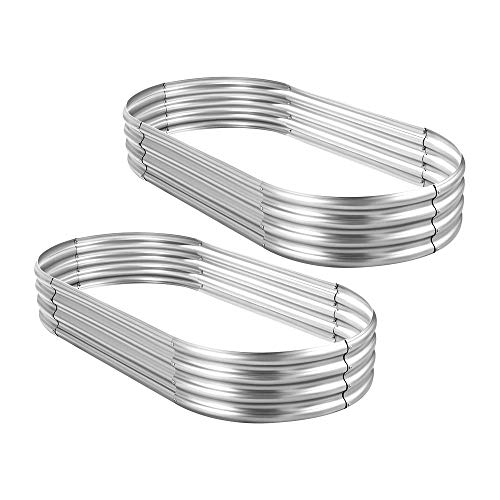
Each raised metal garden bed size: 4×2×1ft , 7Cu
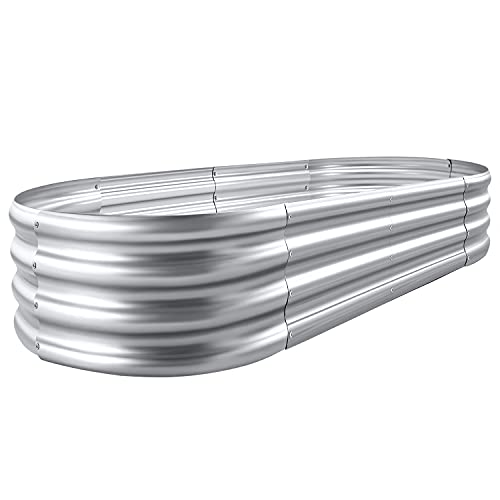
Each raised metal garden bed size: 4×2×1ft ,7.14Cu
7. Tiered Garden Bed Layout
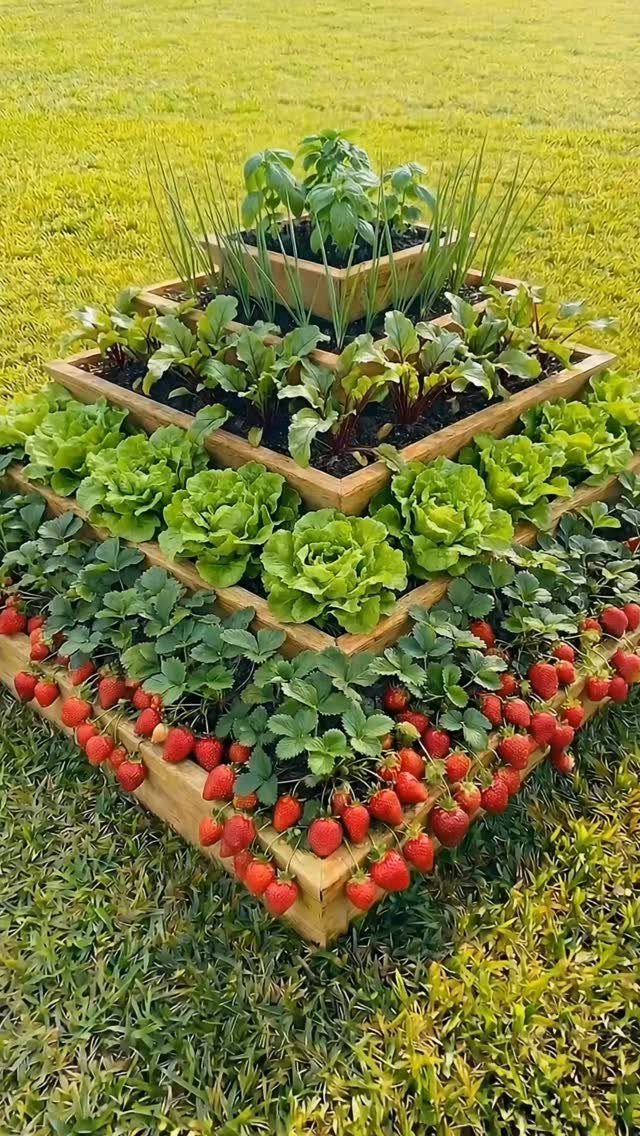
A tiered pyramid packs more plants into the same footprint by putting shade-tolerant greens below and sun-hungry herbs on top.
Each level shrinks as it rises, so mark the base dimensions before cutting any wood; that bottom tier sets the footprint for everything above it.
I would line the inside with landscape fabric to keep soil from washing through the open joints, and drill drain holes in each tier’s floor so water does not pool.
The soil depth on upper levels is shallow, so stick to lettuce, spinach, or strawberries rather than root vegetables.
This shape looks best centered in an open space; pushed against a wall, half the planting disappears from view.

【Material Description】The vertical raised garden bed consists of a sturdy metal frame and 3 plastic boxes (Dimension: 16.8 x 7 x 5.5 inches). It is lightweight, rust-resistant, and easy to move, making it a great choice for both indoor and outdoor use.
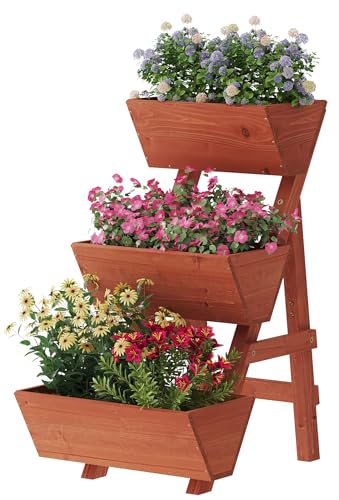
【SIZE】: Vertical garden planter size: 16.5*17*27.8 inches.

SAVE FLOOR SPACE - Stackable vertical planter tower
8. Perimeter Border Garden Beds
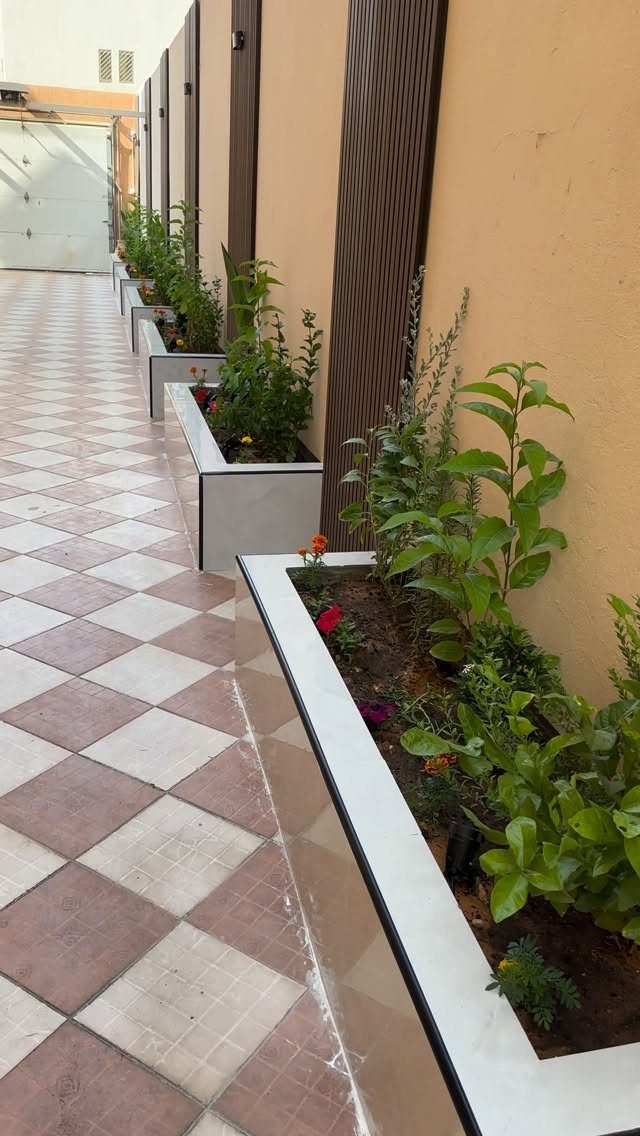
A perimeter border turns an unused wall or fence line into running growing space without eating the center of the yard.
Set boxes out from the wall far enough to tend from behind as well as the front; any less traps you against the planting.
The long runs dry out faster than square beds, so I’d run drip line or soaker hose the full length rather than hand-water.
These boxes in the photo are finished clean and modern; cedar or a whitewashed pine would match that look.
Go higher than you think for comfortable kneeling border work; anything too low will have your back complaining before the weeds do. Shorter boxes save lumber but cost your back over a season.

Heavy-Duty Woven Ground Cover: Woven polypropylene fabric helps block weed growth while allowing air, water, and nutrients to move through, supporting long-term soil and plant health

[3.2oz Woven Weed Barrier] This PRO-FOR 4FT x 50FT weed barrier landscape fabric is made from black woven polypropylene to help block sunlight at ground level and reduce weed growth in garden and landscape areas.

Heavy-Duty Woven Ground Cover: Woven polypropylene fabric helps block weed growth while allowing air, water, and nutrients to move through, supporting long-term soil and plant health
Common Mistakes in Garden Layout
Overcrowding is the mistake I see most often, and it starts with ignoring the mature size on a seed packet.
A tomato that reaches 4 ft wide will swallow its neighbors if you gave it 18 inches. Plan for that final spread, not the cute transplant you set out.
Sunlight needs are non-negotiable for fruiting crops. Most need 6–8 hours of direct sun; less than that and you get leafy growth with little fruit.
Track your yard for a full day before you dig, because morning shade from a neighbor’s tree is easy to miss in a quick look.
I would label every plant at planting. Seedlings all look alike at first, and guessing leads to pulling the wrong sprouts or feeding tomatoes with fertilizer meant for leafy greens.
Crop rotation matters even in small plots.
Planting tomatoes in the same bed year after year builds up soil-borne pests and depletes the same nutrients. I move nightshades to a different bed each season, on a 3-year cycle if I have the space.

Sowing: Marigold seeds are best sown after the last frost, when the soil has warmed. Sow the seeds shallowly in sunny, well-draining soil.

🏅 TRUSTED VARIETY - Popular cucumber seeds used by gardeners for years. It produces green slicing cucumbers.

Beautiful - Large premium packet of Crackerjack African Marigold (Tagetes erecta) seeds. Large bushy plant with a lively burst of gold and orange hues. Marigolds grow quickly from seed and bloom continuously summer through fall. This versatile flower also makes a great companion plant in your vegetable garden to repel pests. Enjoy outdoors in the garden or indoors as a cut flower. Minimum 750 mg (about 350 seeds).
Garden Size Considerations
Height is where I would start.
An 18-inch wall is ideal: deep enough for root vegetables, tall enough to sit on while you weed. Above 18 inches, the weight of wet soil pushes outward hard enough to bow or split most frames.
Width matters more than length. Three feet is workable; 4 feet is better for row spacing and lets you reach the center from either side without stepping in.
Length is flexible, though 8–12 feet is the range I see most often for efficient material use and comfortable reach.
Think about what sits underneath. A bed on lawn will sink and shift as the grass decomposes; I would strip sod first.
On hardscape, you can go taller since soil cannot erode downward, but check that the surface carries the load. A filled bed this size weighs hundreds of pounds.


Coastal Shell Design: Add seaside charm to your outdoor space with this shell-pattern garden stepping stone. Designed to elevate garden paths, walkways, patios, and yard displays, this decorative round accent brings a relaxed coastal feel to flower beds, entry areas, and backyard landscaping.

9-inch Standard Size:Each circlular paver measures 9 inches in diameter,,the smooth poslished pebble surface delivers a comfortable barefoot walking experience.
Planting Order
Plant north to south rows whenever your site allows.
The sun crosses east to west, so a north-south row catches even light on both sides all day. An east-west row leaves one side shaded by midday.
Within those rows, put your tallest crops on the north end. Corn, tomatoes, or pole beans go there so their shadow falls behind them, not across shorter plants.
Medium-height crops, peppers or bush beans, take the middle. Lowest growers, lettuce, radishes, or strawberries, sit on the south side in full sun.
I would mark these heights from mature plants, not the seedlings you are holding.
A determinate tomato hits 3–4 feet; an indeterminate vine keeps climbing to 6 feet or more if you let it. Getting this wrong means replanting midseason or accepting stunted greens.
Leave walking space between rows that matches your comfort. If you cannot carry a harvest basket through without brushing plants, you will compact roots or break stems eventually.
Avoid planting large sprawling crops unless they can be trained up a fence or other structure. Use inter-cropping techniques to grow small, fast-growing plants between larger, slower-growing ones, and plan for succession planting so there is no wasted space.
Frequently Asked Questions
How wide does a garden bed need to be?
Plan 2 ft of width or less so you can reach the center without stepping in; 3 ft is workable and 4 ft is better for row spacing if you have the room.
Height is a separate decision; 18 inches gives enough depth for root vegetables and a place to sit while weeding.
In what order do you plant vegetables in a garden?
I run my rows north to south whenever the yard allows, putting the tallest plants on the north end and the shortest on the south.
The sun tracks east to west across the rows this way, giving even light, and the tall plants shade nothing but the path behind them.
What are some ideas for a kitchen garden?
A raised bed kitchen garden gives you control over soil quality and drainage that in-ground planting never matches, and a perimeter border along a wall or fence turns unused line into running growing space without eating the center of the yard.
Set boxes out from the wall far enough to tend from behind as well as the front, and run drip line or soaker hose the full length since long runs dry out faster than square beds.
What is the best vegetable garden layout for beginners?
Evenly spaced rows through weed fabric suit anyone who wants order and less maintenance; the fabric suppresses most weeds and the spacing lets you walk between rows for harvesting without compacting root zones.
Fabric on clay stays soggy, so I check my soil drainage first. This is simpler to plan than companion pairings or tiered structures, and the straight format makes it easy to adjust spacing as you learn what each crop needs.
How do I determine the spacing for my vegetables?
I check the seed packet for the mature spread and plan for that final size, not the transplant I am holding. Label every plant at planting so you do not mistake seedlings and crowd them later.
Can I mix different vegetables in the same garden layout?
Yes, but check which combinations actually work before you plant. Group plants with similar needs together, and give each the full mature space its seed packet lists so one variety does not overgrow another by midsummer.