These 5 ideas run from a narrow trellis line against a garage wall to a full walk-in cedar enclosure you step inside to tend, with stops at mesh covers, wire borders, lattice backing, and a materials guide for the fence itself.
The deciding factor is which pest you are actually fighting and whether you need a roof over the bed, a border around it, or a full room you can walk into.
Cedar weathers to silver-gray without pressure treatment, and the half-inch hardware cloth that stops rabbits will not stop a deer that can reach over a low border.
[link-whisper-related-posts]1. Tall Trellis Raised Garden Bed
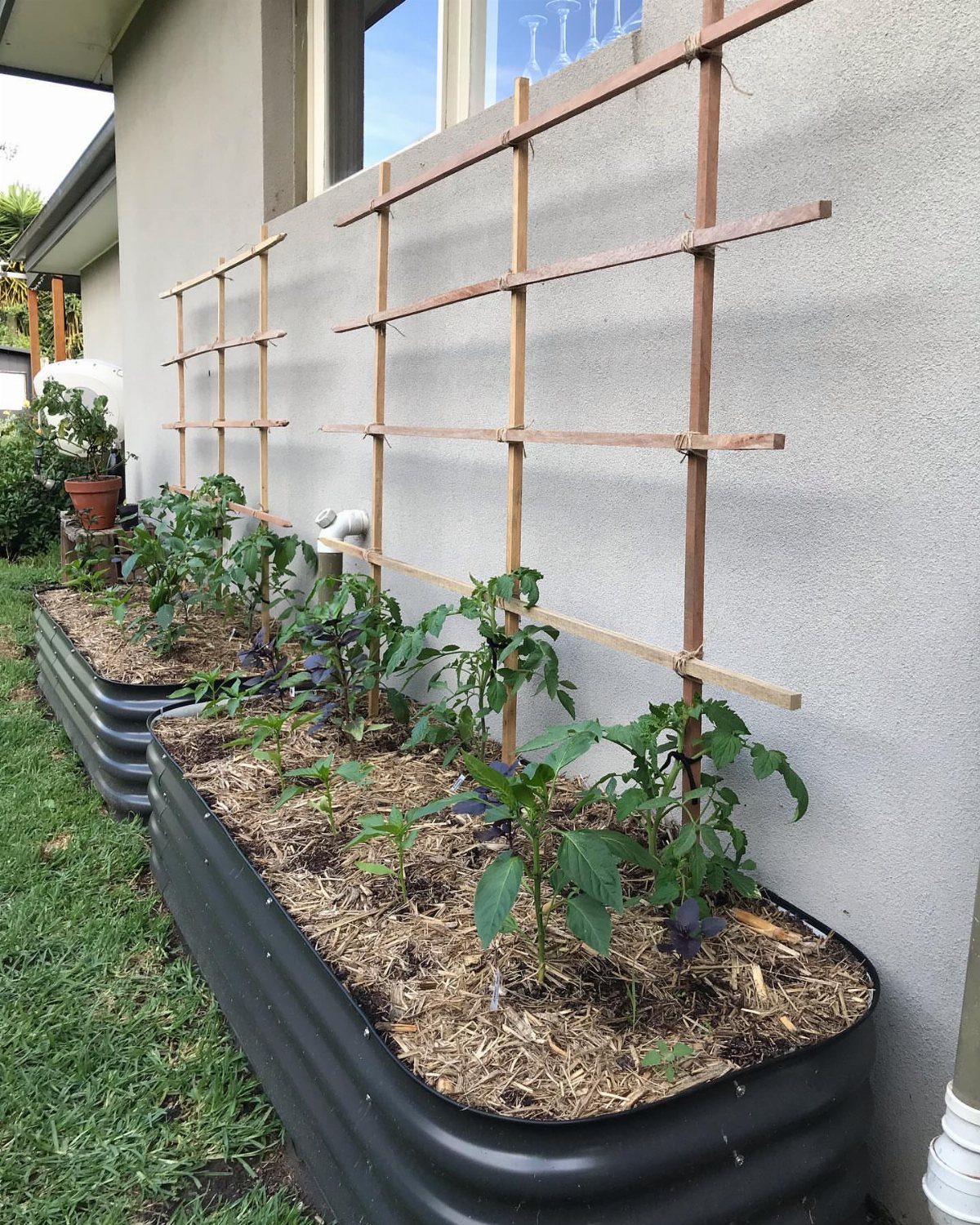
This setup pairs corrugated metal beds with vertical wooden grid trellises tied off with twine, giving climbing plants a structured path upward without swallowing floor space.
I like this for narrow side yards or against a garage wall where width is tight but height is free.
The metal holds heat, which starts the season earlier in cooler zones; in hot summers it can bake roots, so I would line the interior with landscape fabric or a double layer of cardboard to buffer the soil.
Check that your wall can take some moisture runoff and that the trellis tops stay below any eaves or gutters. Twine is easy to replace yearly; wire lasts longer but can cut into stems if tensioned too hard.
Deer Resistant Fence: Equipped with Deer Resistant fence, this raised garden bed kit provides an additional layer of protection, keeping unwanted animals at bay and safeguarding your plants.
2. Full Walk-in Garden Enclosure
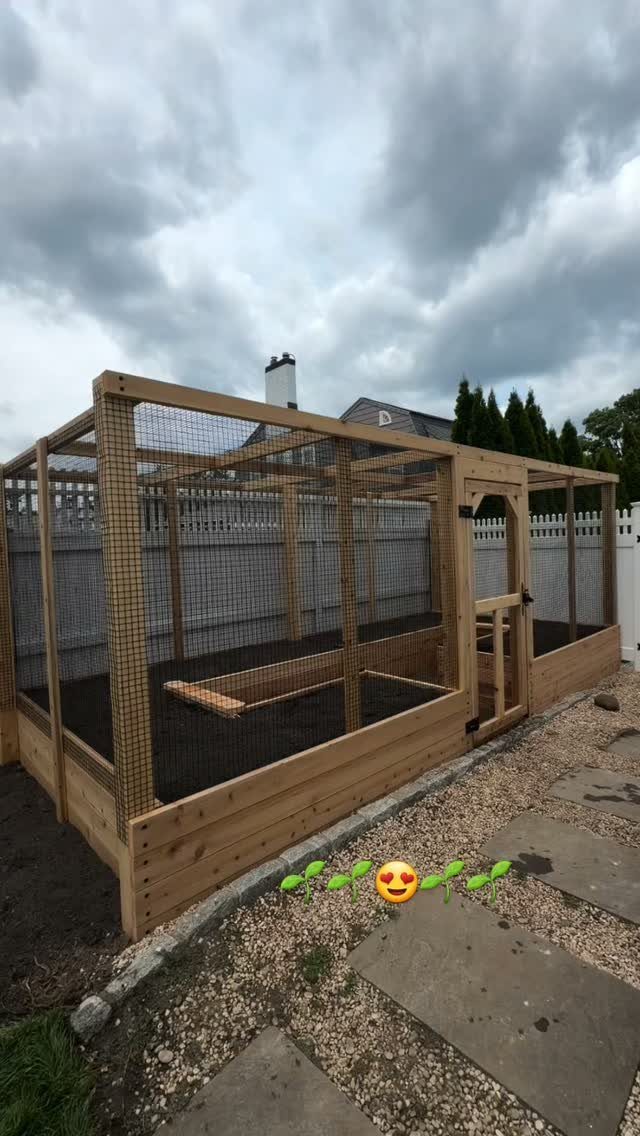
A cedar-framed structure with raised beds inside and wire mesh on all sides, including a latched gate you step through to work.
This is what I would build if rabbits, deer, or a determined dog were my problem. The mesh height matters: low fencing stops most rabbits, but deer in browse-hungry seasons need something tall enough that they cannot simply reach over.
Cedar weathers to silver-gray and resists rot without pressure treatment; I would pay more for it and carry the heavier boards.
The footprint is serious, so measure your sun hours first and mark it out with a hose before you commit.
Direct light for most of the day is the floor for productive vegetables; less than that and the enclosure becomes a nicely fenced shade garden.
Plan the door swing so it opens away from the nearest bed; you will carry tools, compost, and harvests through it often.

Elevate Your Garden - Opt for a brilliantly engineered raised garden bed to revolutionize your gardening. Its spacious design, measuring 48x24x30 inches, allows for the cultivation of multiple vegetable varieties alongside a plethora of herbs, optimizing your gardening space for ease and diversity.
3. Raised Bed with Mesh Cover
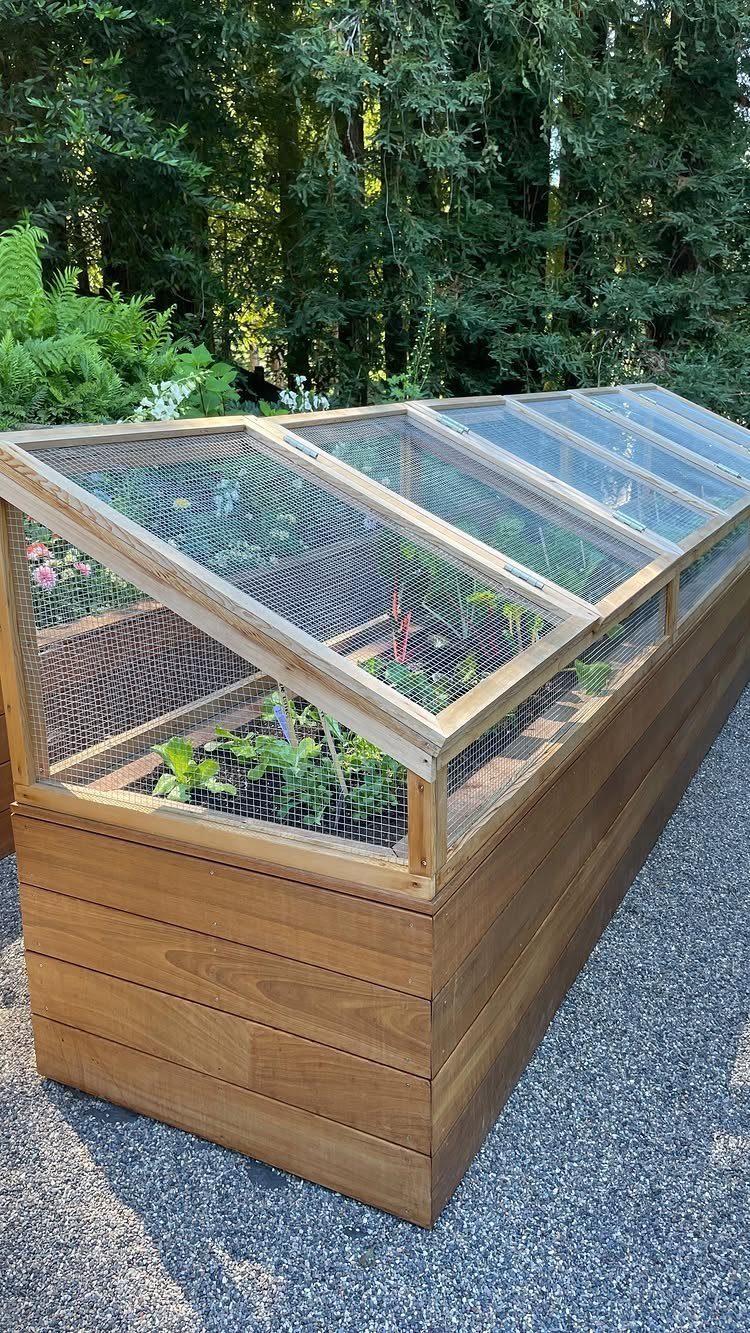
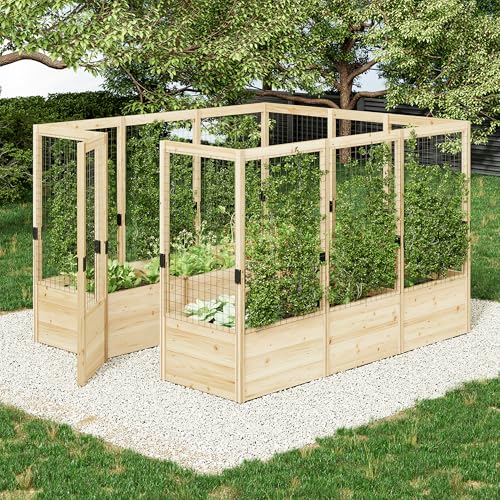
A stained wooden bed with a hinged wooden frame fitted with wire mesh, sitting on gravel so it drains clean.
I see this as pest insurance for lettuce, kale, and young seedlings.
The cover stays open for weeding and harvesting, then drops to block birds, cabbage moths, and browsing mammals. Hinge it from the back so the lid lifts toward you; a prop stick or a simple chain keeps it open one-handed.
The mesh must be fine enough for your target pest. Half-inch hardware cloth stops rabbits and most birds; quarter-inch for small rodents and insects.
The frame adds height, which the plants inside can use or ignore; I would keep it low enough that lifting a full watering can over the edge still feels easy.
Gravel underneath beats bare dirt for mud control and rodent hiding spots.
4. Low Wire Mesh Fence Border
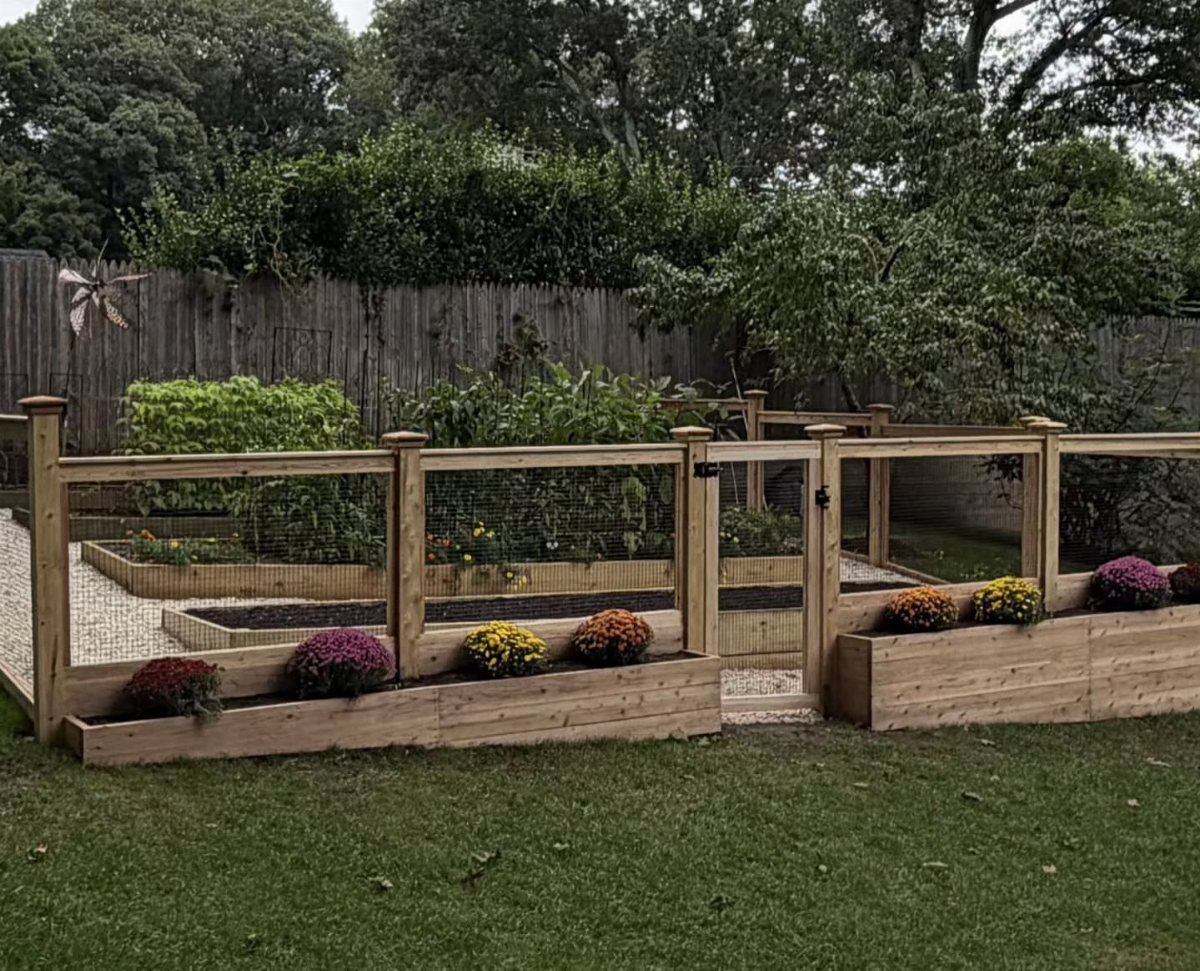
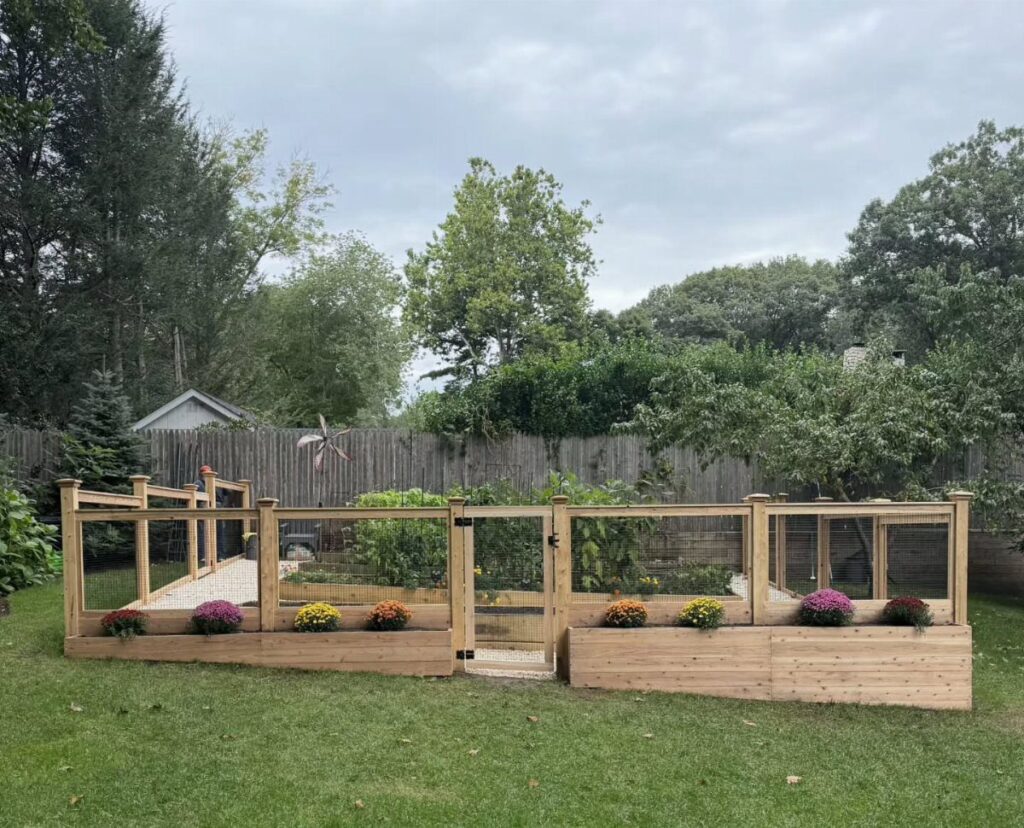
A waist-high wooden fence with wire mesh panels, wrapping a defined garden zone that has both built-in exterior planters and interior raised vegetable beds.
This reads as yard architecture, not just function, which I think matters when the garden sits close to a patio or front sidewalk you actually look at.
The low height keeps views open; it will not stop deer, but it defines space and deters casual foot traffic.
The integrated planters along the outside are the detail I would copy.
Flowers or herbs there face the viewer; vegetables stay inside where soil disturbance and staking look less messy. Building the fence and beds as one system saves material and keeps lines straight.
Check your frost line if the posts are wooden and set in ground; shallow anchoring heaves in freeze-thaw cycles.
5. Raised Bed Against Lattice Fence
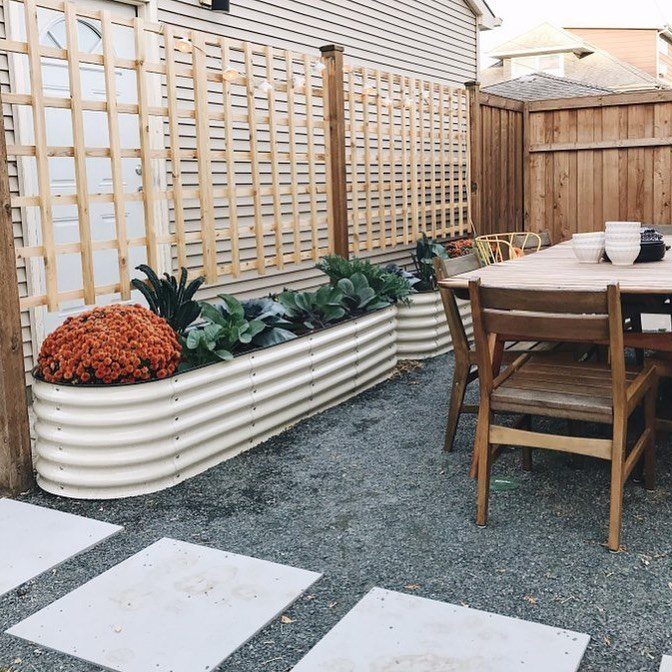
Corrugated metal beds set flush against a tall lattice panel, with gravel underfoot and an outdoor dining table nearby.
I would use this to screen a sitting area from neighbors while the garden does double duty.
The lattice breaks the visual mass of solid fencing and still gives climbing beans, cucumbers, or flowering vines something to grip. Metal beds against wood lattice is a texture pairing that needs no extra styling; it already looks finished.
The gravel base is practical here, not just decorative. Spilled soil brushes off, water drains, and you are not tracking mud to that dining table close enough to serve from.
Leave a small air gap between the bed back and the lattice so moisture does not sit against the wood. Wood against metal in constant contact traps moisture and rots the lattice uprights faster.
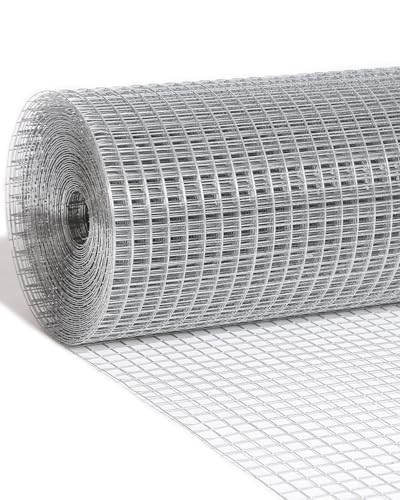
Premium Galvanized Construction – Made with 1/2 inch x 1/2 inch mesh, 36 inches x 50 feet (0.91m x 15.3m), from galvanized annealed steel wire. The wire mesh is double-galvanized after welding, offering exceptional corrosion and rust resistance. It’s securely packed in a durable carton to ensure no torn edges and to keep the product in perfect condition during shipping
Premium Galvanized Construction – Made with 1/2 inch x 1/2 inch mesh, 48 inches x 100 feet (1.22m x 30.5m), from galvanized annealed steel wire. The wire mesh is double-galvanized after welding, offering exceptional corrosion and rust resistance. It’s securely packed in a durable carton to ensure no torn edges and to keep the product in perfect condition during shipping
Premium Galvanized Construction – Made with 1/2 inch x 1/2 inch mesh, 24 inches x 50 feet (0.61m x 15.3m), from galvanized annealed steel wire. The wire mesh is double-galvanized after welding, offering exceptional corrosion and rust resistance. It’s securely packed in a durable carton to ensure no torn edges and to keep the product in perfect condition during shipping
Choosing Materials for Fences
Either way, skip anything that needs chemical preservatives if roots will sit close.
I would seal wood with a garden-safe stain or paint, not regular exterior finish. The difference matters for edibles growing inches away.
Galvanized or stainless steel hardware is worth the upcharge for anything that moves; screws, hinges, and latches seize when rust sets in, and a gate that won’t close defeats the fence’s purpose.
Moving parts take the most weather, so I would check them each spring.
Metal beds sidestep the sealing question entirely.
Metal beds run hotter, but they will not rot or need repainting. That trade-off is the one I would weigh first: heat management against zero maintenance.

Perfect Fit: A complete plant protector from animals kit, including a roll of 11.8ft x 16in green chicken wire mesh, 4 metal supports, 20 zippers, and 10 U-shaped garden stakes to help you firmly secure. Designed specifically for 4 * 2 * 1ft raised garden beds, planters.

【Our animal barrier fence is not suitable for blocking large animals or pets.【

Safe & Sturdy: Our fences have been tested by Intertek, an independent testing facility as well as passed California Proposition 65 to ensure safety for both people and our pets. Metal stakes are designed with rounded ball tips to protect from injury. The upgraded metal rods have been designed to be more easily inserted into the ground for more stability and rigidity, which ensures your dogs won't knock them over.
Frequently Asked Questions
What is the cheapest type of wood for a garden bed?
Cedar costs more upfront but it resists rot without pressure treatment, so I would pay for it rather than replace a cheaper wood in three to five seasons.
Pressure-treated lumber is cheaper at the register, though I would skip it for beds growing edibles since the chemicals sit close to roots.
Should I do raised beds or in a ground garden?
Raised beds give you control over soil and drainage, which matters if your native ground is clay, compacted, or contaminated.
Raised beds with fencing handle pest problems and soil problems together, which is why I favor that pairing; in-ground gardens are fine where the soil is already loose and clean.
How to build removable fence panels?
Use a PVC socket system that lets panels slide into brackets attached to the bed frame. Each panel lifts out separately so you can reach any bed for planting, weeding, or harvesting without dismantling the whole enclosure.
A composite or wooden bed with a flat top rail gives you the straight edge needed for the sockets to line up and stay secure.