These 20 backyard DIY ideas run from a few dollars in plastic bottles and paint to just over a thousand for a pergola or bar build, and the one that fits your yard depends on whether you are trying to fix a problem or add something new.
A bare slab, a muddy path, or nowhere to sit after dark calls for a different approach than a finished patio that just needs atmosphere.
The pea gravel patio that opens the list cuts your gravel cost roughly in half by checkerboarding it with concrete pavers, which only works if your spot already drains.
[link-whisper-related-posts]1. Pea Gravel Patio
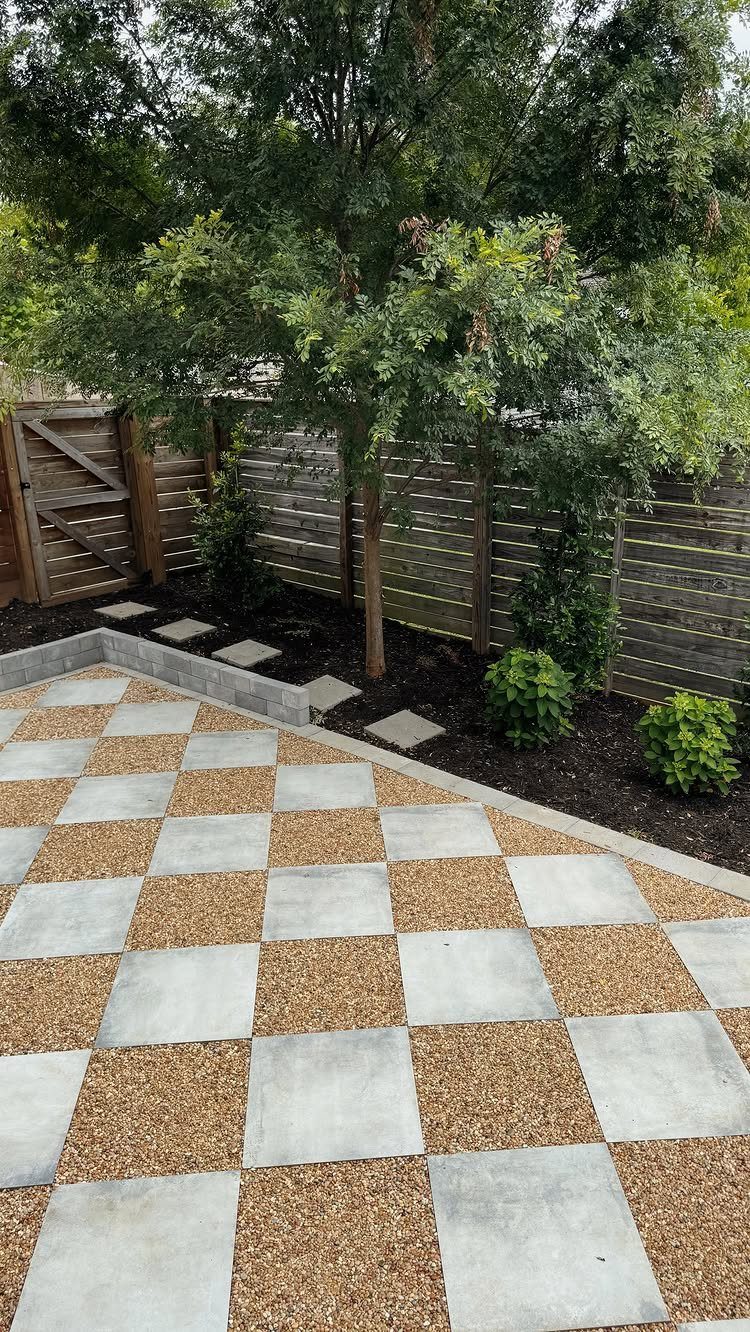
A pea gravel patio set in a checkerboard with concrete pavers gives you a stable surface that drains well and costs less than poured concrete.
The visible version alternates light gray square pavers with tan gravel squares, which means you are buying 2 materials and cutting the gravel volume roughly in half.
Before you start, check whether your yard drains through that spot or toward your foundation; pea gravel washes in heavy runoff and needs a border to hold it.
I would lay landscape fabric under the whole area, then set the pavers at grade so mowing and walking feel even.

DURABLE AND ECO-FRIENDLY: Crafted from 100% recycled PPE plastic, our gravel paver system delivers exceptional strength and longevity; This set includes 22 units with a 1-inch depth, covering an area of 65 square feet

HEAVY-DUTY, DURABLE CONSTRUCTION : Our permeable pavers each piece measures 41 x 41 x 2.5 centimeters (16x16x1inch) and is made of thick, high-strength plastic mesh that can withstand vehicular traffic without deformation, ensuring the long-term durability of your permeable paving system

TRANSFORM ANY SURFACE: Bind pebble and gravel into a solid, upscale, permeable finish on driveways, patios, pool decks, front stairways, porches, pathways, and tree wells.
2. Vertical Garden
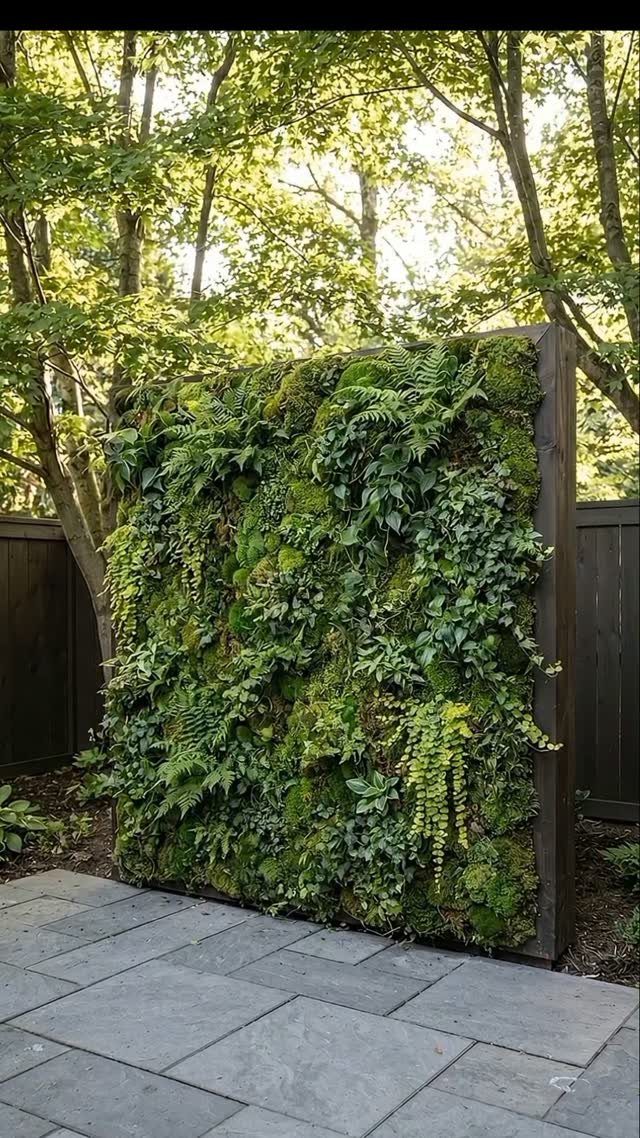
Vertical gardens suit renters and small yards where ground space is scarce or nonexistent. A freestanding wooden frame like this one needs shade and regular moisture to keep moss, ferns and trailing plants alive.
I would check the weight before hanging anything on a fence or wall; a planted frame this size gets heavy fast when watered.
If you are renting, the freestanding route keeps your deposit safe and lets you move it with the sun.
A simple drip line or a watering can with a long spout saves you from dismounting the whole thing every few days.

VERSATILE DESIGN: Perfect for growing herbs, flowers, vegetables, and small plants both indoors and outdoors with multiple planting tiers for space-saving gardening
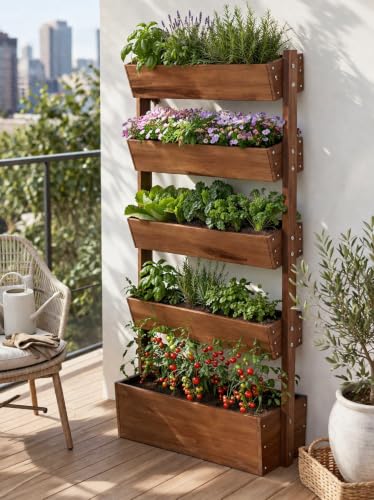
NON-DISTURBING PLANTING: Our wooden raised planter has 5 separate planting boxes,you can freely cultivate different plants.You can plant flowers and vegetables together and they don't disturb each other.It also saves garden space and allows you to experience different matching planting patterns.Layering also ensures better long-term nutrient availability

Spacious 5-Tier Growing Area: Designed with 5 separate planting boxes, this garden planter provides generous room for growing fruits, succulents, vegetables, or colorful flowers while keeping your gardening area neatly organized in one place.
3. DIY Vegetable Garden
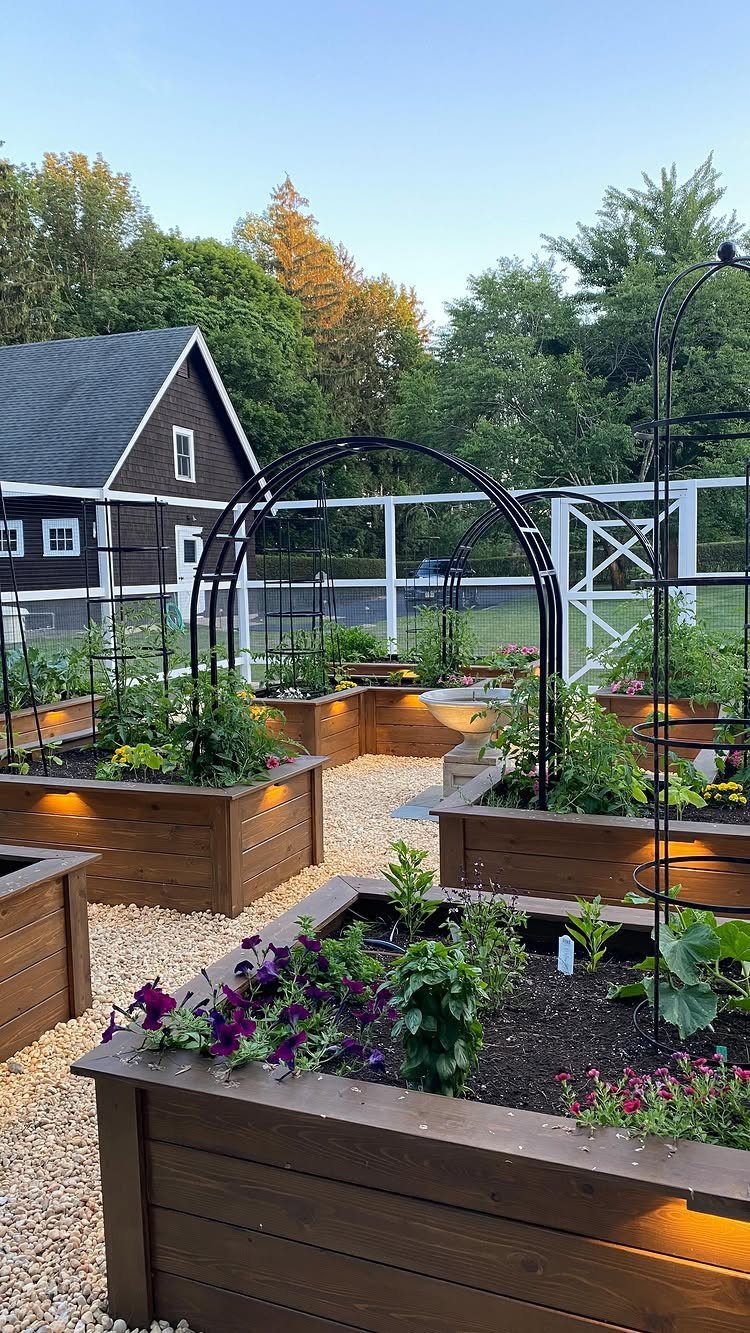
Raised beds with gravel paths between them keep your vegetables out of compacted yard soil and save your back.
Under-lip lighting and metal arches mean the builder planned this as a space they would use after dark and maybe train vines over later.
I would start with two or three beds rather than filling the whole yard; you can always add more once you know how much time watering and weeding actually takes.
Cedar or a rot-resistant hardwood lasts longer than pine, but pine is the cheaper way to test whether gardening sticks.
The white fence and barn backdrop also show that enclosing against rabbits or deer is worth thinking about before you plant anything they like.

Elevate Your Garden - Opt for a brilliantly engineered raised garden bed to revolutionize your gardening. Its spacious design, measuring 48x24x30 inches, allows for the cultivation of multiple vegetable varieties alongside a plethora of herbs, optimizing your gardening space for ease and diversity.

Multifunctional Design: This garden planter is separated into two growing areas for different plants or planting methods. The baffle can be removed to form a bigger growing area.

DEEP PLANTER FOR MAXIMUM YIELD: With 16" of soil depth and a spacious planting area, this elevated bed supports healthy root vegetables like carrots, beets, and radishes while allowing more crops per bed, boosting overall harvest and garden productivity
4. String Lights
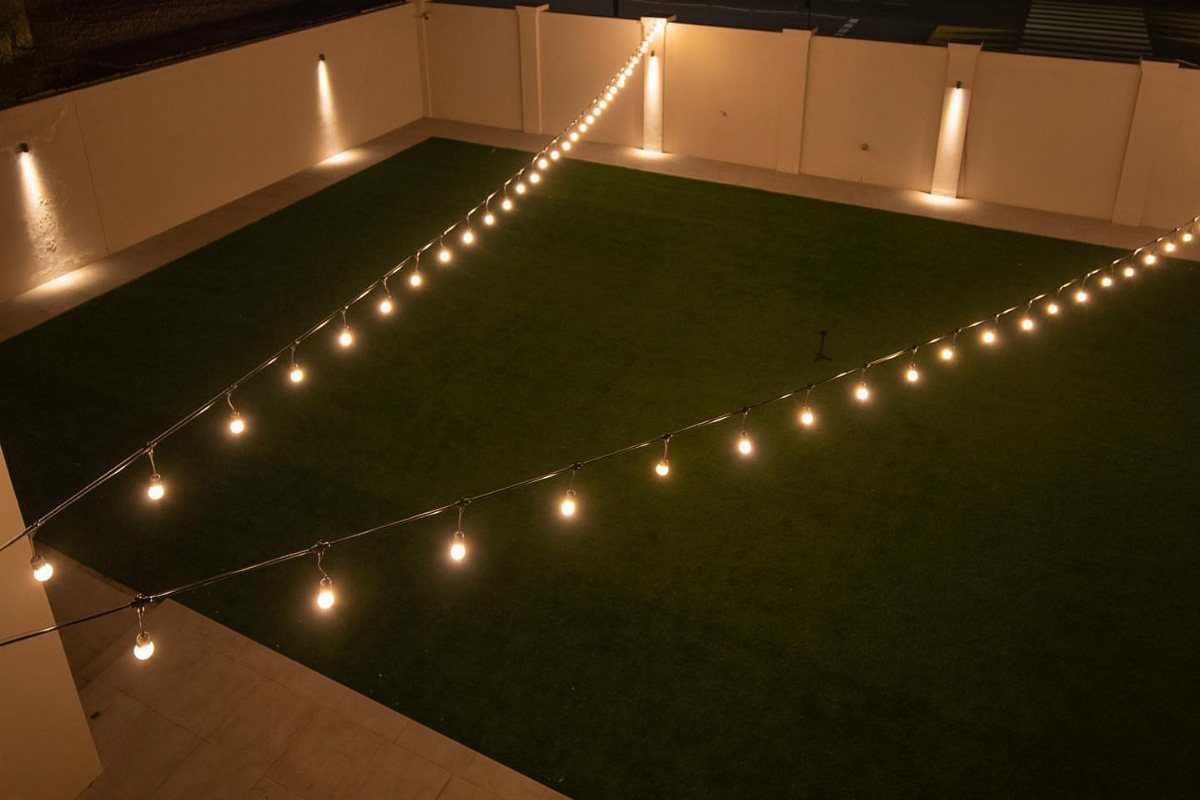
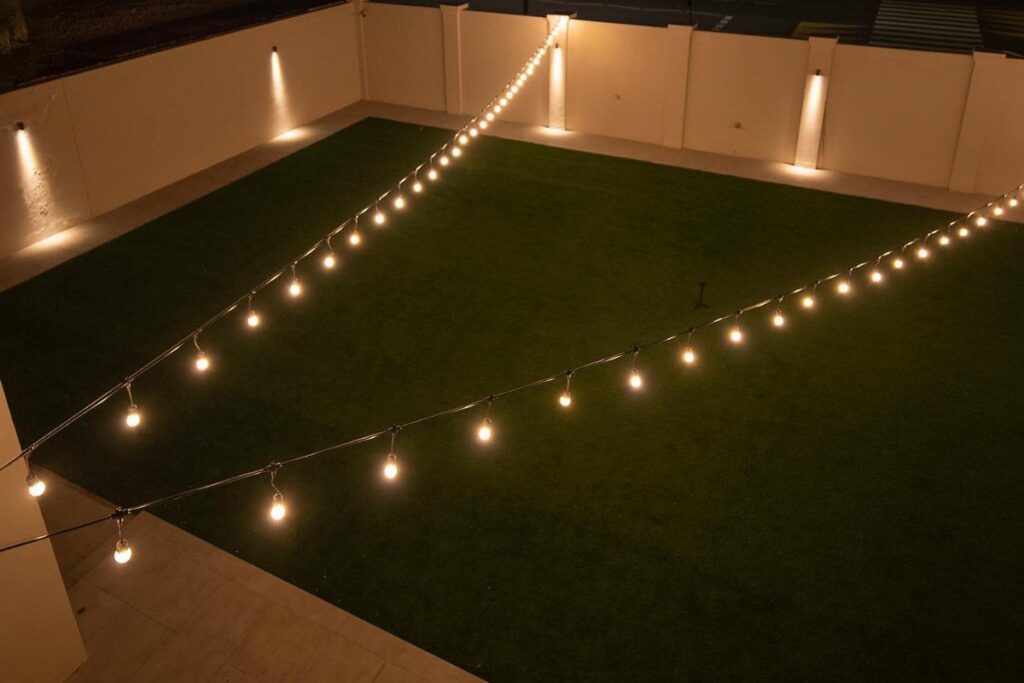
2 strands of warm bulbs crossed overhead turn a plain lawn into a space you want to stay in after sunset. Wall sconces plus the strings mean the light comes from multiple heights instead of one flat layer.
I would measure your span before buying; outdoor strings come in set lengths and need anchor points that can handle tension and weather.
Plan for a GFI outlet or battery-operated bulbs if you do not have exterior power where you want them.
When no trees sit in the right spots, anchoring to walls works fine; poles or a pergola frame do the job when nature does not cooperate.
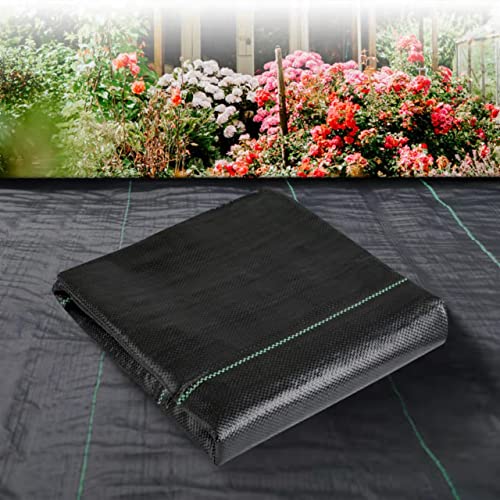
Premium Weed Barrier Fabric:Weed barrier landscape fabric is a type of geotextile fabric that is commonly used in landscaping and construction.With excellent weed control properties, providing a clean and tidy landscape.Very strong and durable,Pro landscape weed barrier will provide you with premium weed protection for a very long time.

Plastic nails balance strength and toughness,plastic spikes can reusable and easy to store in your gardening shed for other projects

Professional Grade Weed Barrier: LAVEVE weed barrier fabric is made of woven polypropylene material. Its high-density and permeable characteristics effectively stop weed growth and protect soil health so your plants can grow well.
5. DIY Fire Pit
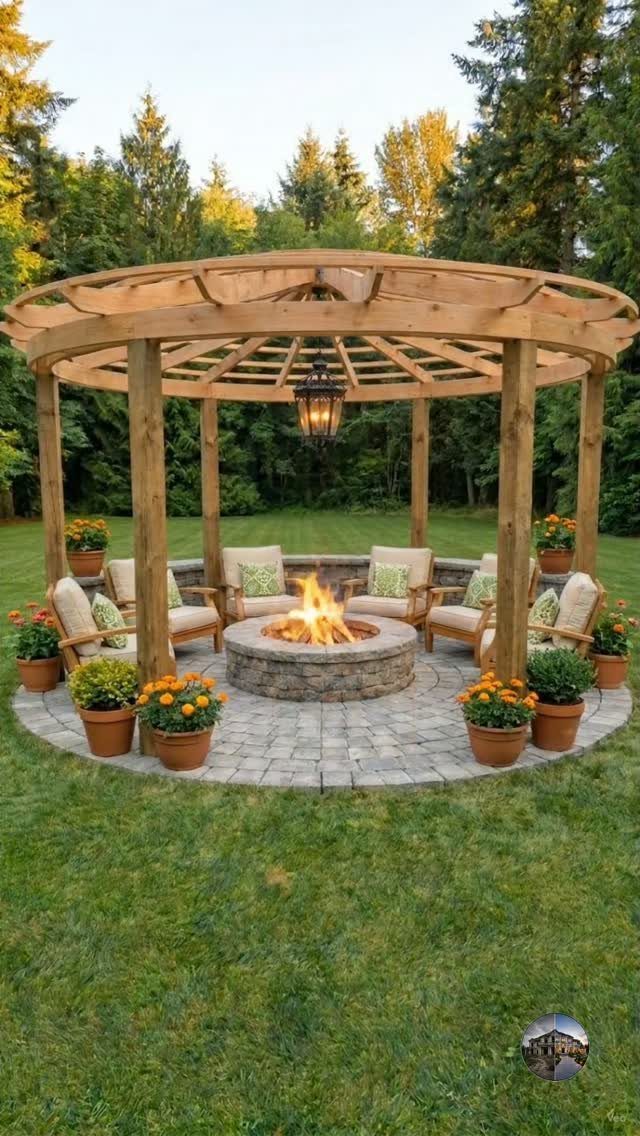
A stone fire pit centered on a paver patio with a pergola overhead gives you a defined room that works even when the fire is not lit.
A circular layout with cushioned chairs means you need serious diameter for seating plus safe clearance on every side.
Before you dig, check your local burn code; many towns require a pit to sit a set distance from structures and overhanging branches.
I would build the ring from dry-stacked block or natural stone without mortar, so air feeds the fire and you can adjust or move it later.
A wood pergola, not vinyl, means the owner accepted yearly maintenance for the warmer look.

Charming Christmas Lights: Package include 1 x 20ft mini string light, 1 x spare fuse, 2 x replacement incandescent bulbs, 2 x flasher bulbs. The lighted length of outdoor Christmas lights is 18.5 ft, the leading wire is 1.5 ft, and the bulb space is 2.25 inch, work voltage of each bulb is 2.5V / 0.42W, safety with built in 3A fuse.

CLASSIC CHRISTMAS WARM WHITE GLOW: Create a cozy, festive atmosphere with the classic warm white glow. These lights are ideal for setting a welcoming holiday mood—perfect for Christmas trees, fireplaces, windows, and outdoor entryways. The soft, inviting illumination adds timeless elegance to any space, from quiet family gatherings to lively seasonal celebrations.

【 55ft LED Connectable String Lights 】- This outdoor light comes with 25+2 G40 LED bulbs. Each bulb is 2 feet apart for a total length of 55 feet. It supports an end-to-end connection of up to 14 strings, allowing you to customize the length you need. These lightweight and convenient patio lights are easy to carry and store
6. Hummingbird Feeder
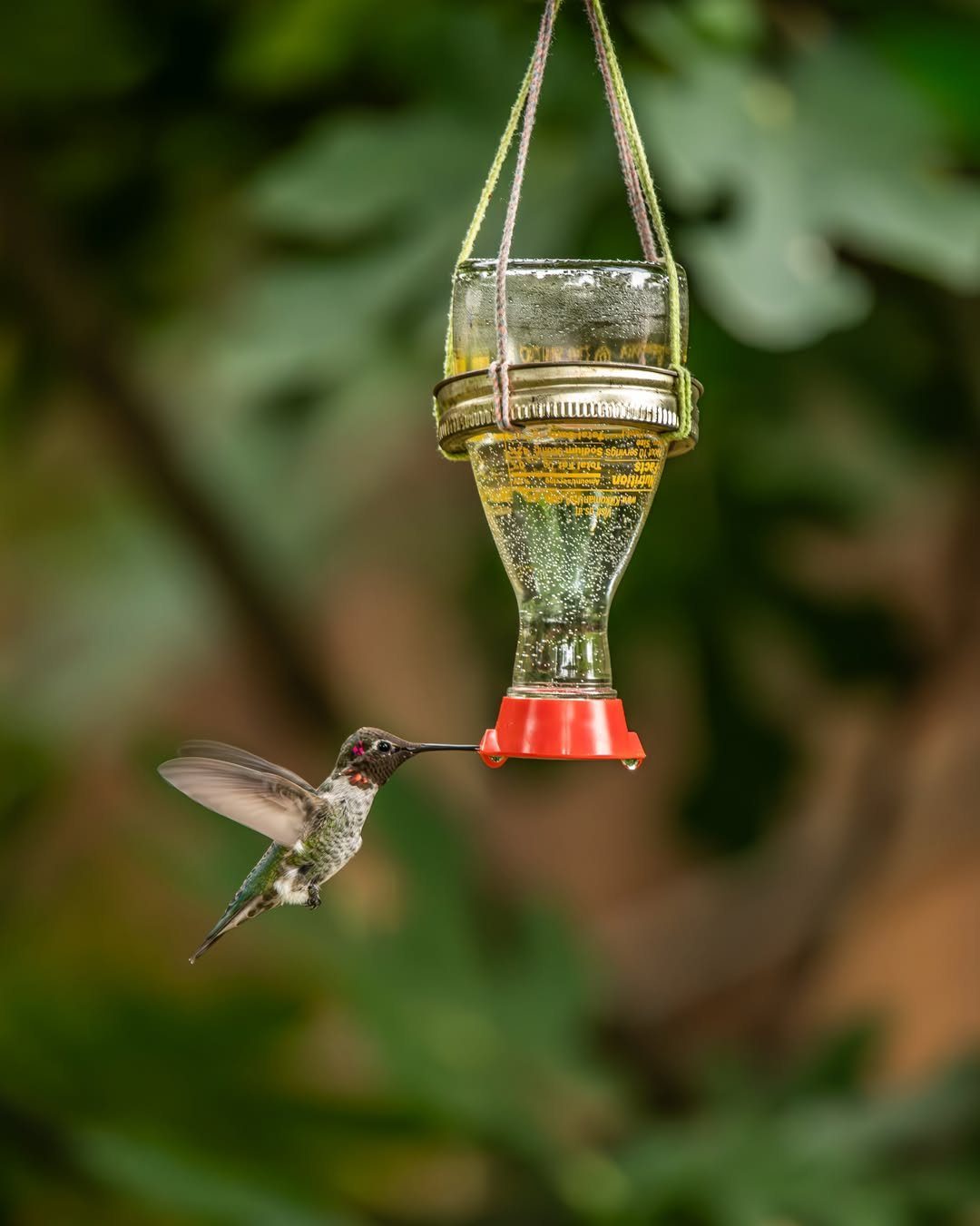
An inverted glass bottle feeder brings hummingbirds close enough to watch from a window or porch. Hanging near leafy cover and away from direct midday sun keeps nectar from spoiling fast.
I would skip red dye in the sugar water; plain four-to-one syrup is safer and the yellow flower-shaped ports attract birds on their own.
Clean and refill often in summer heat, or you are feeding mold instead of hummingbirds. The visible bottle has a nutrition label, which suggests a repurposed container works as well as anything store-bought if the opening fits a feeding tube.

【10 lbs Pebbles】The size is about 3/8 inch. Total weight of a bag: 10 pounds. The mixed color gravels contains 5 colors: white, red, yellow, gray and apple green. Perfect size for succulent and cactus, as well as any vase or fish tank
Sturdy and durable: Resin washed stone premixed is designed for hardening decorative garden paths and pool bottoms. It is packaged in sealed bags and can be activated and cured when exposed to air to form a durable and sturdy path. Its convenient use method is ideal for professionals and DIY enthusiasts

UNIQUE OUTDOOR WALKWAY SOLUTION: Elevate your garden, lawn, or backyard with BIRDROCK HOME Rubber Stepping Stones. These durable pavers create a functional and stylish walkway, enhancing your landscape while providing a solid and reliable surface to walk on.
7. DIY Planters

Plastic bottle planters hung on a wall give you a vertical garden for almost no cost and as much personality as your paint skills allow.
The animal faces and emoji designs in the visible version show acrylic craft paint over clean-cut 2-liter or similar bottles, with drainage holes melted or drilled in the bottom.
I would test my hanging system with a full bottle of water before trusting it with soil; wire or strong twine through a punched hole in the cap end keeps the weight on the neck, which is the strongest part.
These suit a rental patio or a fence where ground space is gone; the bottles fade and get brittle in full sun, so expect to repaint or replace every couple of seasons.

Ideal Garden Trellis:Height 6.3 feet(75.6 inches), perfect size to work as plant trellis.The vertical tomato tower obelisk gives flowering vines,vegetables and other planters a sturdy support to climb.Adds dramatic height to your garden with vertical trellising.

Four-Layered Garden Design: This planter box features a four-tier structure, allowing you to cultivate a variety of plants in separate layers. You can plant everything from vegetables and herbs to flowers, fruits, and even strawberries. Each tier offers ample space for healthy growth without overcrowding your plants

Spacious 5-Tier Growing Area: Designed with 5 separate planting boxes, this garden planter provides generous room for growing fruits, succulents, vegetables, or colorful flowers while keeping your gardening area neatly organized in one place.
8. DIY Outdoor Bar
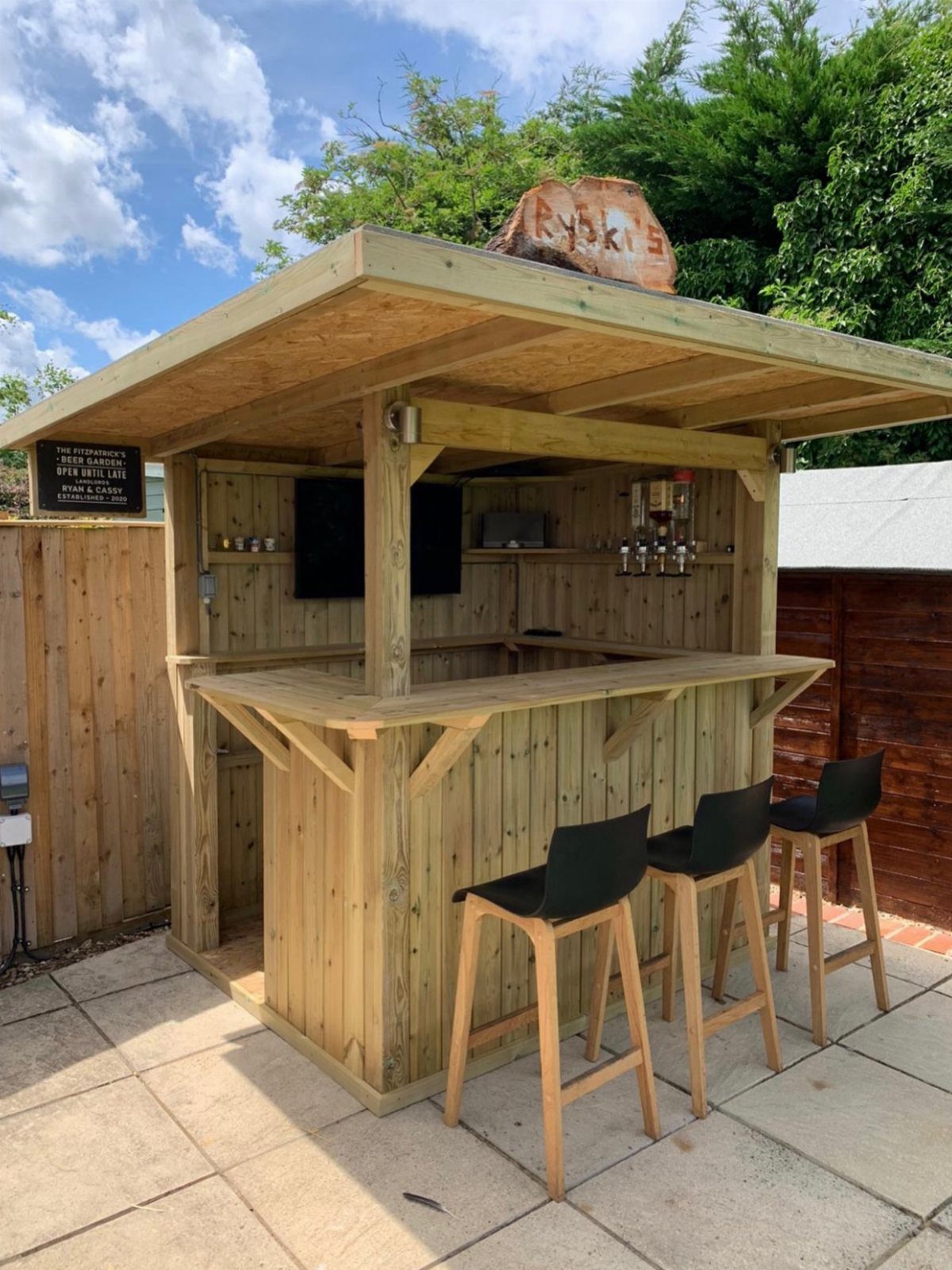
A roofed outdoor bar with a poured counter and built-in liquor dispensers turns a corner of patio into a serving station that keeps you outside with guests instead of running in for ice.
The visible version sits on pavers with a wood frame roof and 3 backless stools, which means the counter height is bar standard, the same height you would find at any indoor bar.
Before you build, check whether your town counts this as an accessory structure; a roof and fixed foundation can trigger setback rules or permit requirements that a rolling cart avoids.
I would use pressure-treated or cedar framing with a metal roof; shingles look heavier and need replacing sooner.
The liquor dispensers are a nice touch if you already own the bottles, but I would skip buying them just for this, a basic speed rail or ice bin does the same work.
Each raised metal garden bed size: 4×2×1ft ,7.14Cu


Spacious and Practical Design: 8-foot garden bed provides ample space for plants to grow with an included liner to separate the wood from the soil and keep it in excellent condition
9. DIY Outdoor Coffee Table
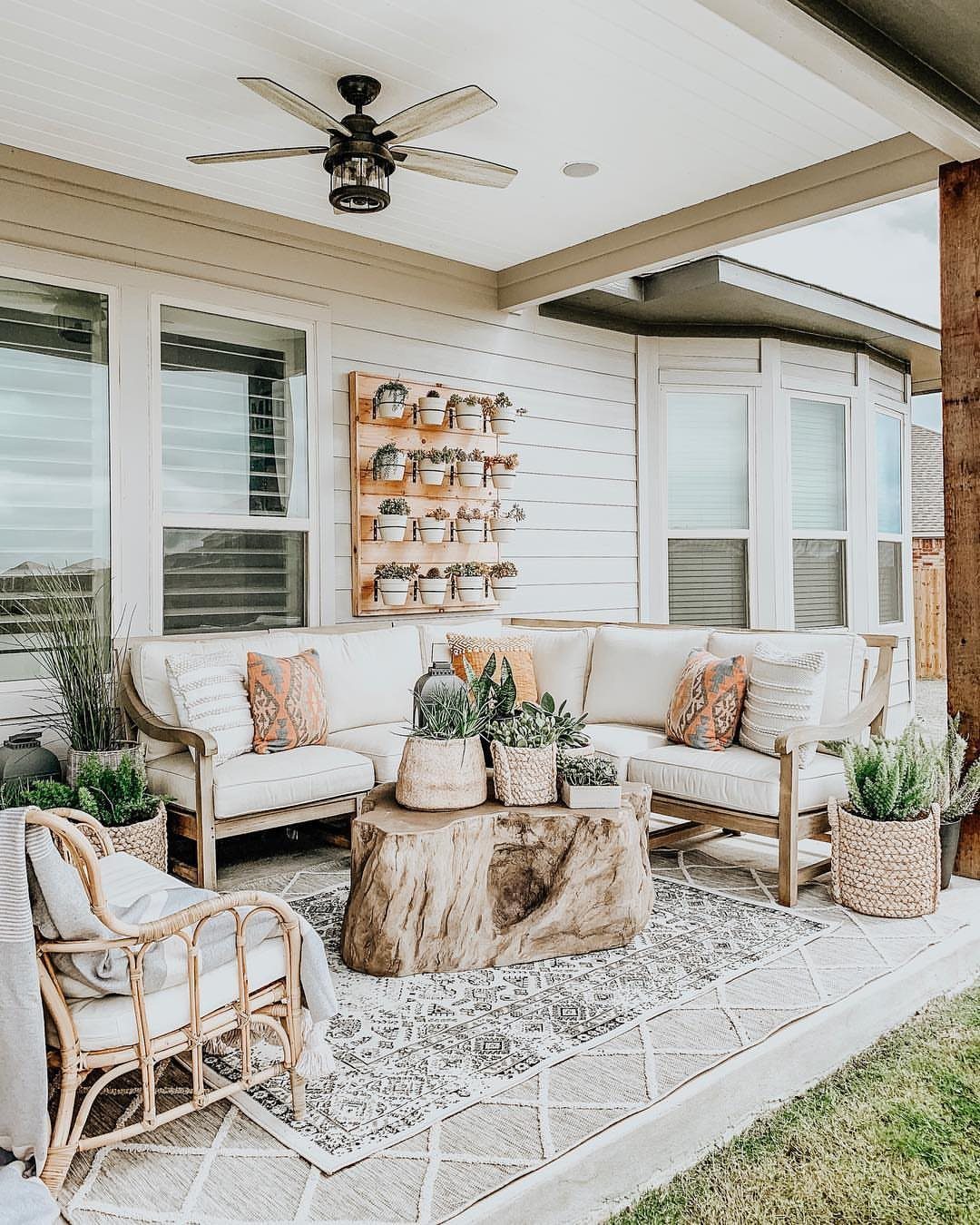
A single large tree stump as coffee table brings organic shape and zero assembly to a covered seating area.
The visible version sits on a patterned rug with a sectional and rattan chair, which means the stump diameter is generous enough for drinks from any seat; a trunk section this tall is usually wide enough to catch a glass from any angle.
I would seal the top and bottom with outdoor polyurethane or epoxy so it does not wick moisture from the ground or stain from spilled drinks. Bark-on looks rustic but sheds; stripped and sanded lasts cleaner.
Sourcing is the hard part: arborists, tree services, or firewood sellers often have sections for cheap if you ask, Craigslist and Facebook Marketplace too. Let it dry fully before sealing or it will crack indoors or out.
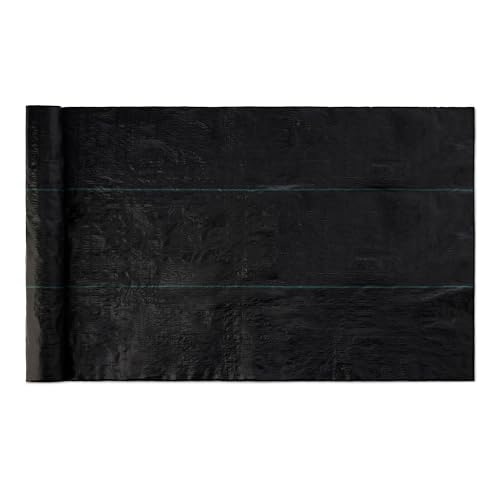
50x3-foot heavy-duty weed control fabric for helping prevent unwanted weed growth
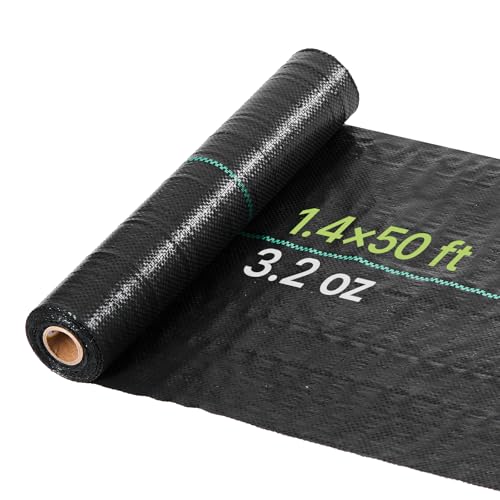
Clean Weed Control: Made from 3.2 oz/90.7g high-density PP woven material, our garden weed fabric blocks sunlight from passing through and limits weed growth without frequent manual removal. By reducing competition for water and nutrients, it supports healthier plants while keeping gardens, beds, and walkways neat.

Used Book in Good Condition
10. Incorporate Vintage Finds
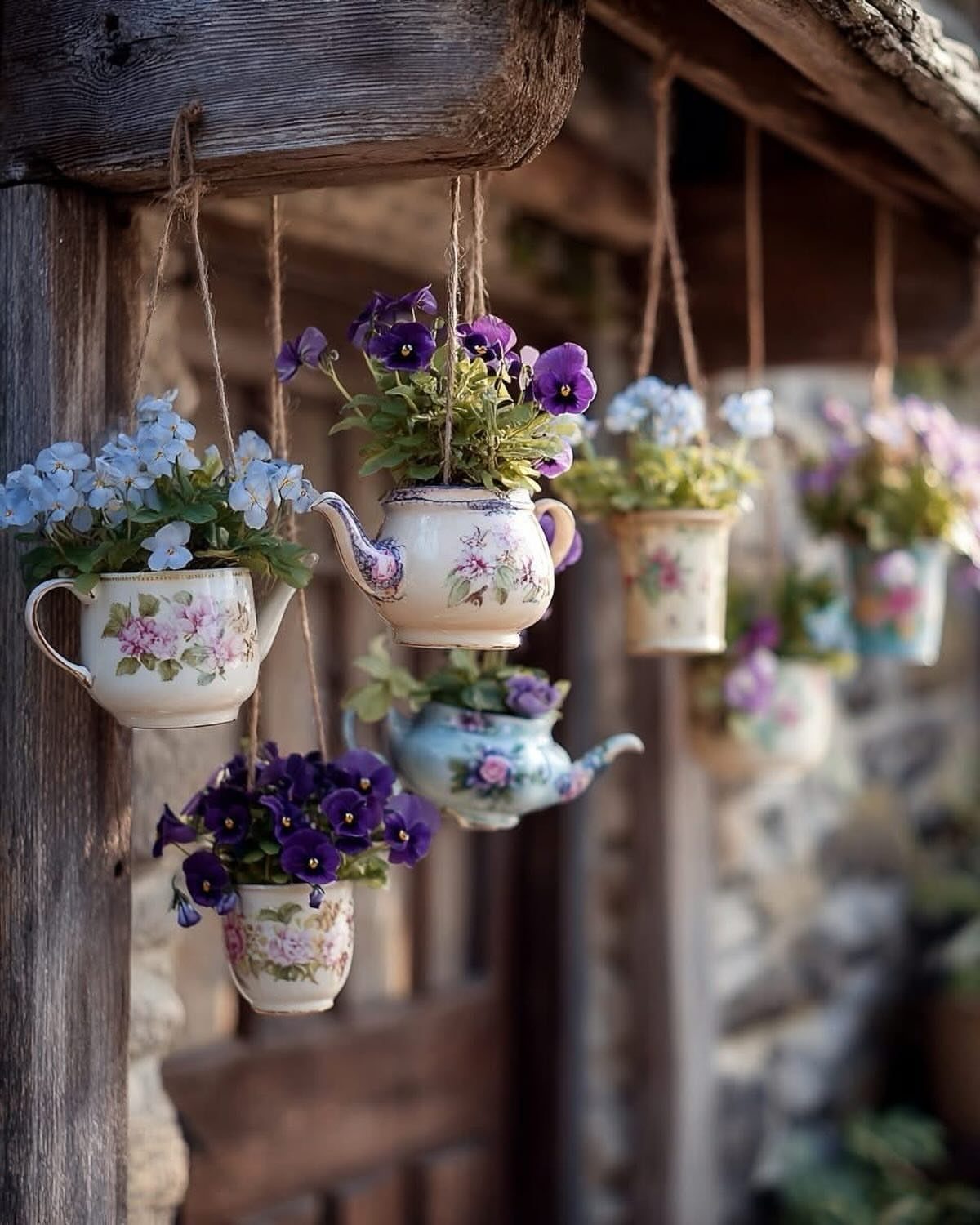
Teacups and teapots hung from twine on a beam turn mismatched thrift store china into planters that read as intentional, not cluttered.
The visible version uses floral patterns with pansies, which means the scale is small; a teacup holds one plant and dries out fast.
I would drill drainage holes or line with gravel and keep these in part shade; no glaze on vintage china is fully frost-proof, so bring them in before hard freeze or accept casualties.
The twine knots through handles, so check that the beam or branch can take the loaded weight; a cup with wet soil runs heavier than you expect.
Flea markets and estate sales cost less than shops that have already sorted and priced the good stuff; I look for chips and cracks since I am drilling anyway.

Connectable String Lights Indoor Outdoor: These 66ft Christmas lights feature 200 warm white LEDs and offer a timer, memory function, waterproof construction, 13 lighting modes, and a connectable design. The fairy lights emit a warm, inviting glow, creating the perfect atmosphere for Christmas, weddings, dates, or everyday decorations. Effortlessly connect multiple strands to cover larger areas in rooms, gardens, and so on. Wrap your world in a soft, romantic radiance!

Commercial Grade and Energy Saving: 105 FT S14 Patio string lights with 33+2 pcs shatterproof 1 W E26 base bulbs. 80LM Brightness equivalent to 11 watt traditional bulbs, brighter and slash electric bills by 90% with our outdoor string lights
11. A Stunning (User-Friendly) Pergola
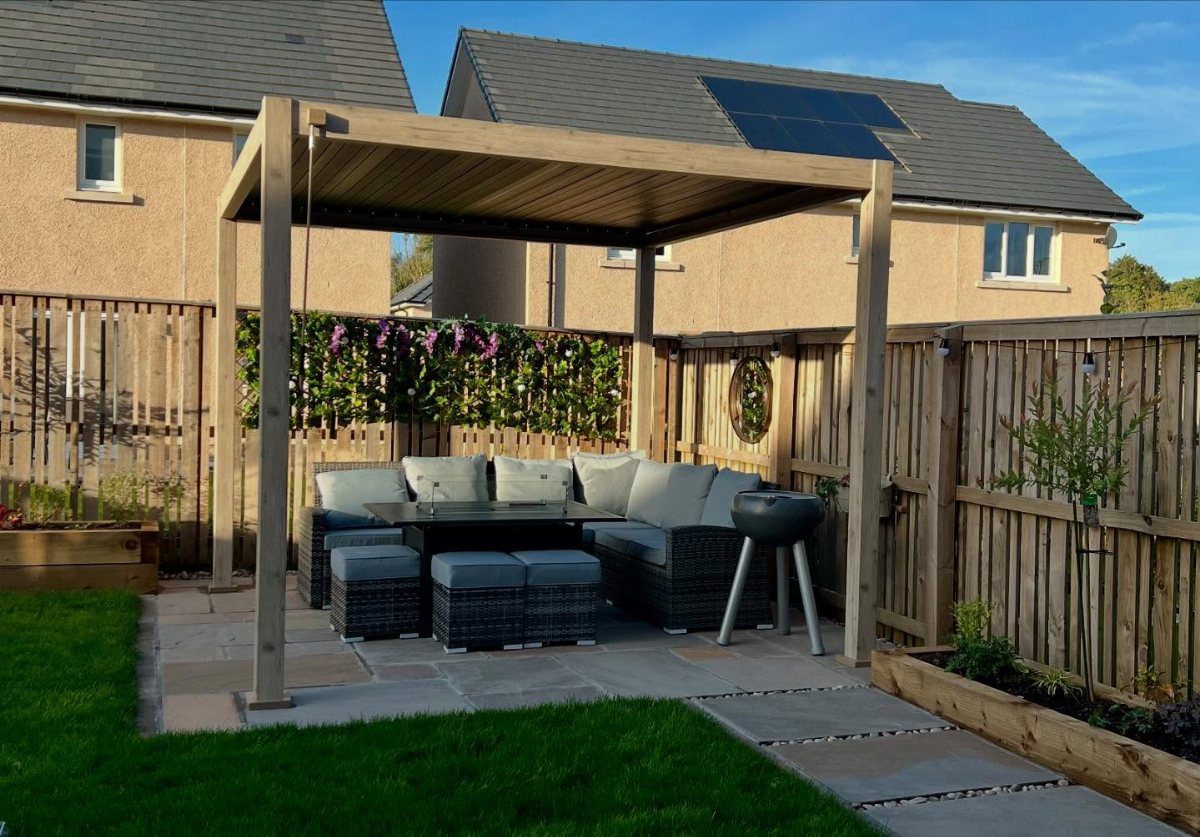
A louvered-roof pergola over a full patio set gives you adjustable shade without the full cost of a solid roof structure.
The visible version covers seating, dining, and a grill in one footprint, which means the posts carry serious load and the span is wide.
Hollow structural posts let you run wiring for fans or lights inside, which keeps the look clean and the hardware out of weather.
I would set footings below frost line if you are in a zone that heaves; in warmer areas, surface-mounted post bases on concrete piers save digging.
The wood here is stained dark; lighter cedar or redwood needs less maintenance but costs more upfront. Check your property line setbacks before sizing; many towns want 5–10 feet from the edge.
12. Stenciled Concrete
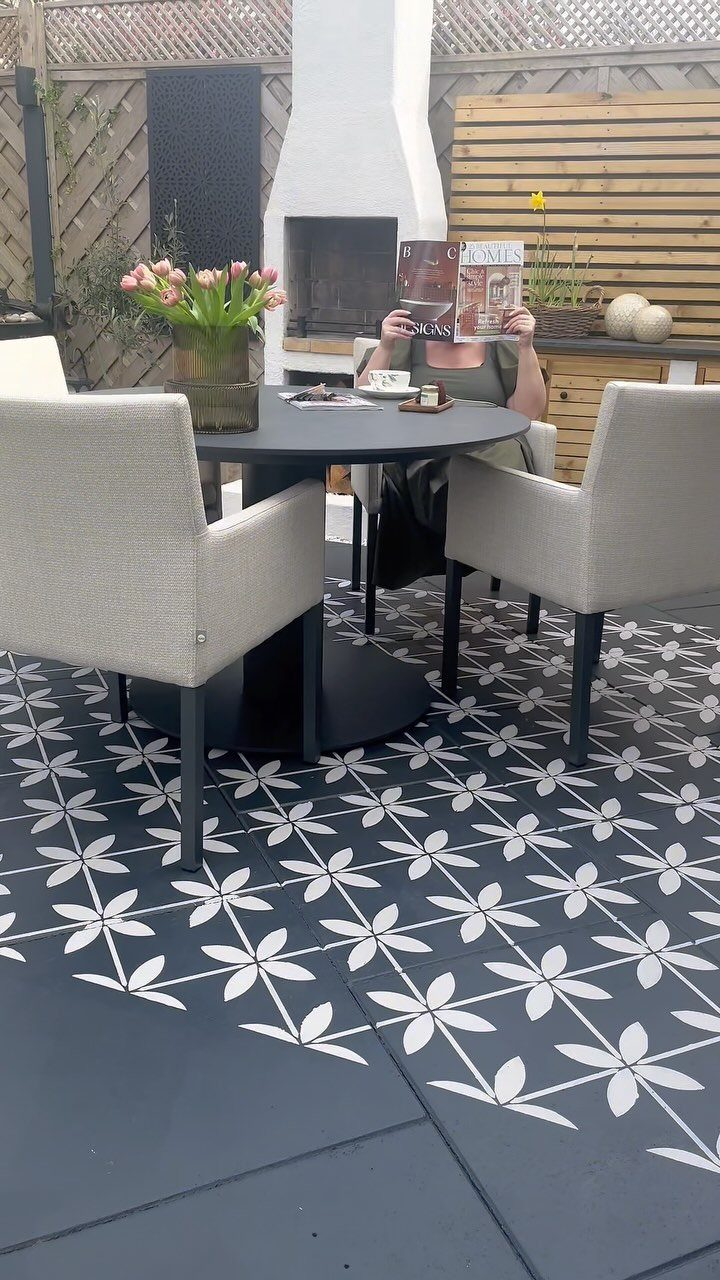
Stenciled concrete takes a plain slab from garage-grade to intentional floor for the cost of paint and a weekend.
The visible version uses a large white geometric floral on dark gray, which means the base coat is solid and the stencil repeats across the field without obvious seams.
I would clean and etch the concrete first so paint grips; any sealer or grease left underneath will bubble the finish within a month.
Exterior porch and floor enamel holds up better than basic latex; plan two coats of base, stencil, then two clear coats for traffic.
The pattern size matters: small repeats look busy on a large patio, oversized ones need careful alignment or the mismatch shows.
I would buy or cut my stencil from Mylar or sturdy plastic; paper softens with paint and warps after a few repeats.
13. DIY Greenhouse
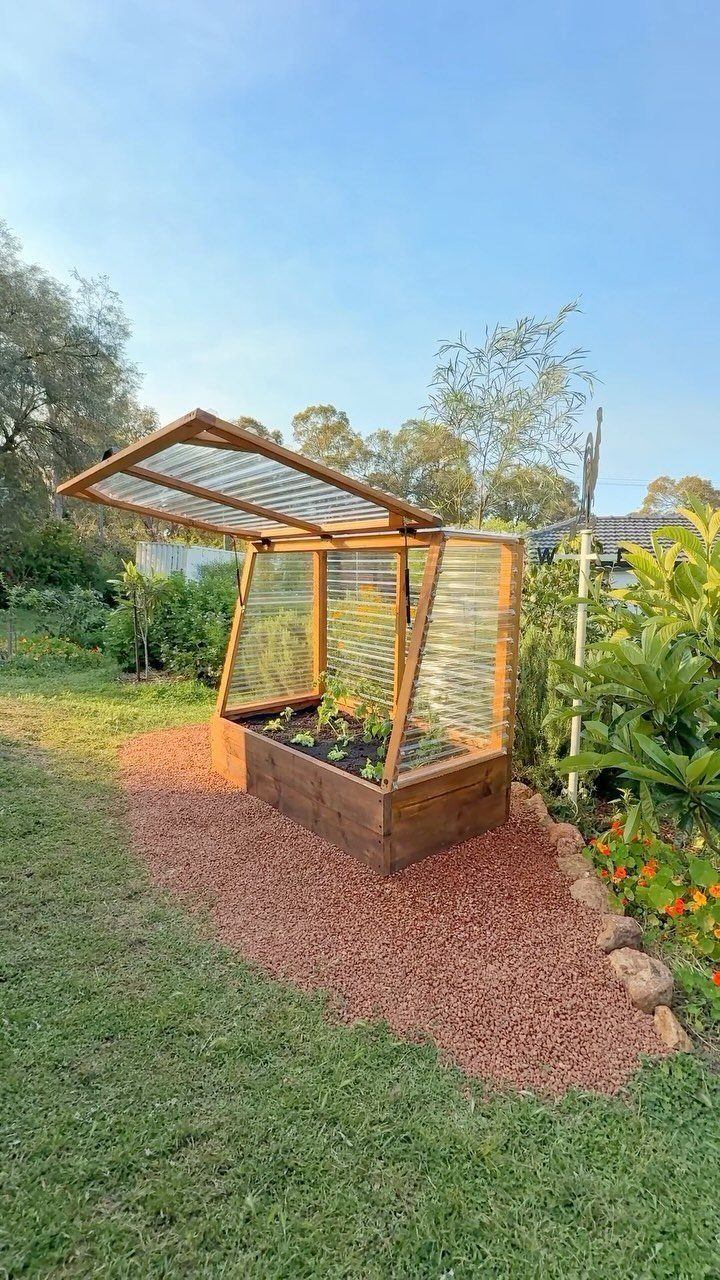
A hinged greenhouse cover over a raised bed lets you start seeds weeks earlier and keep tender plants past the first frost.
Gas struts hold the lid open for tending without a free hand, and corrugated clear panels pass light while shedding rain.
Ventilation matters more than insulation in spring and fall, so plan to prop the lid manually or add automatic openers if you step away for days. The gravel base here drains well and keeps mud down.
14. DIY Outdoor Bench
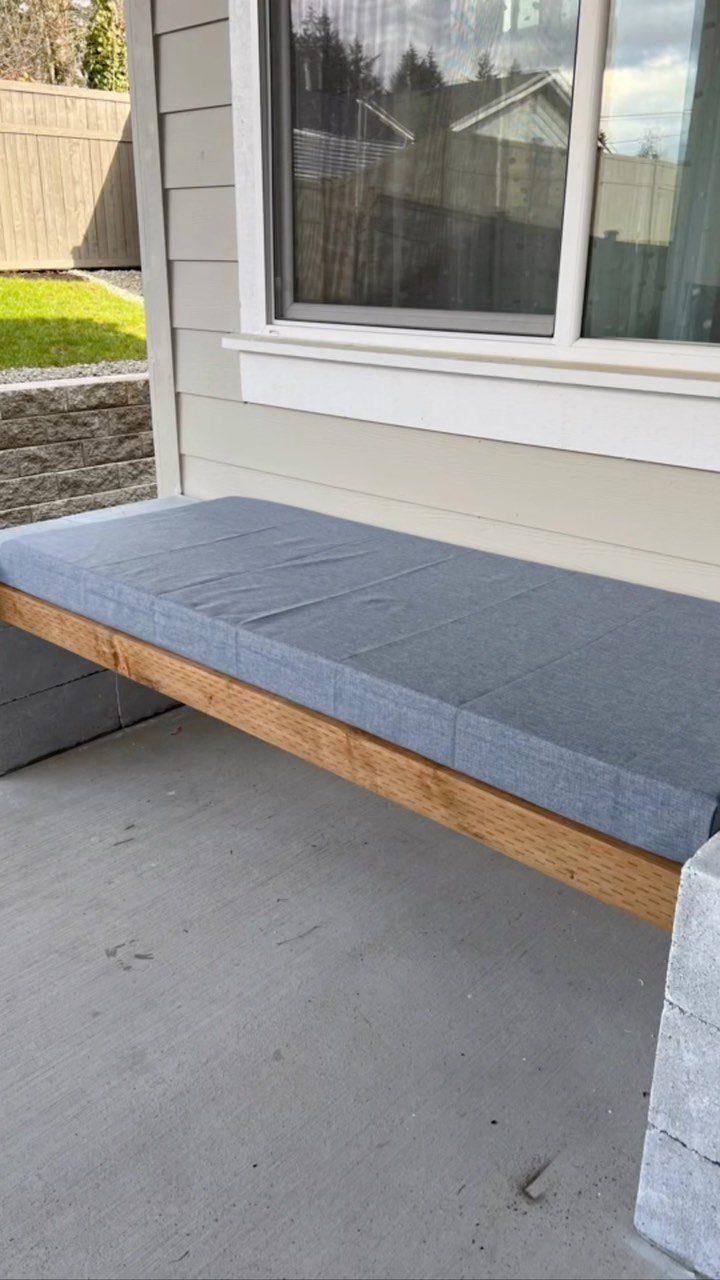
Cinder block and timber benches give you seating for the cost of a few blocks and a 4-by-4 or 6-by-6 beam, no tools beyond a level and gloves.
The visible version runs long against the house wall with a single cushion on top, which means the beam is one straight piece or well-joined.
I would check the block height with the cushion included; a too-low seat is hard to rise from.
The blocks need to sit flat and level or the beam rocks; compacted gravel or a concrete paver under each block stops settling.
The wood will gray and crack outdoors even with sealing, so I would use cedar or replace every few years.
15. DIY Outdoor Couch
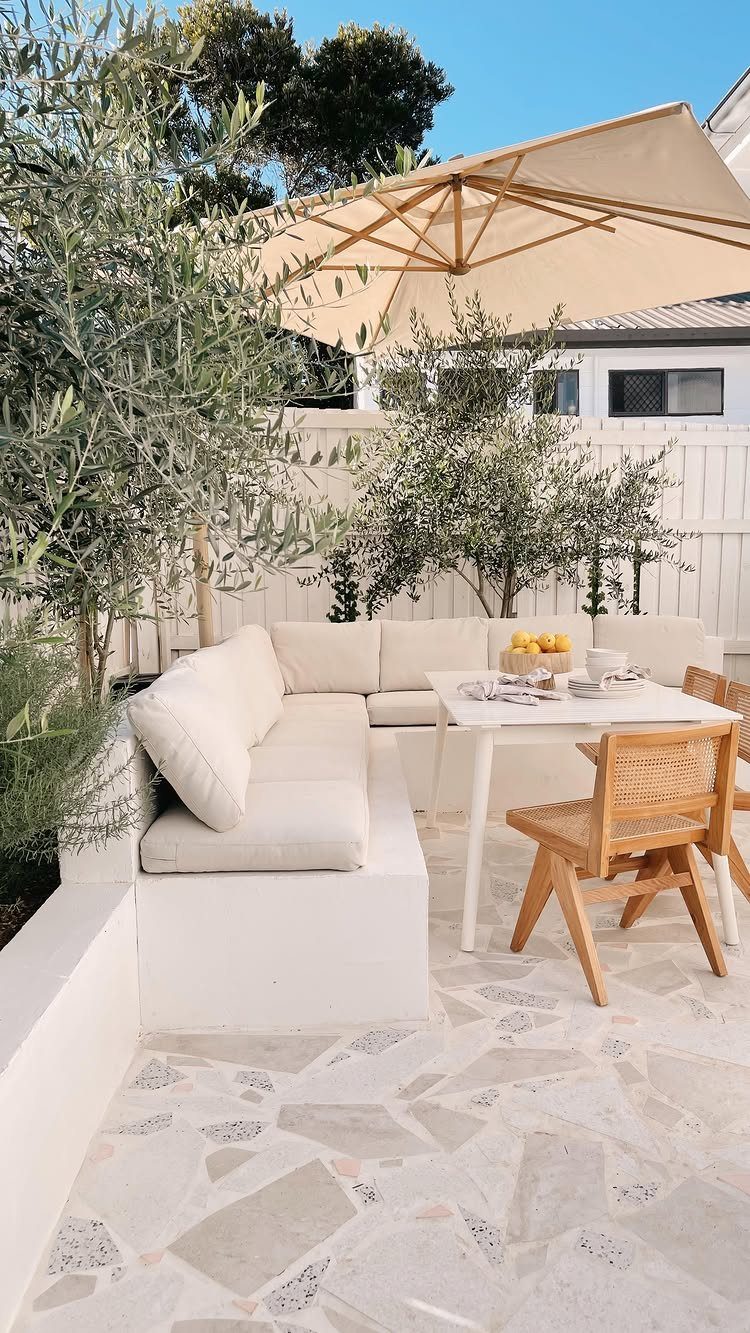
Built-in corner seating uses the fence or house walls as backrest, saving the cost and bulk of separate furniture frames.
The visible version is white-painted wood with thick cream cushions under a market umbrella, which means the seat depth and cushion overhang are planned together.
I would build the frame from pressure-treated 2-by lumber with decking screws; the paint film protects cuts and end grain.
Slat the seat for drainage or water pools where cushions sit. Cushions this large are the real expense; I would price outdoor foam and Sunbrella-grade fabric before cutting any wood, or plan to store cheaper cushions dry.
16. Seasonal Decorations
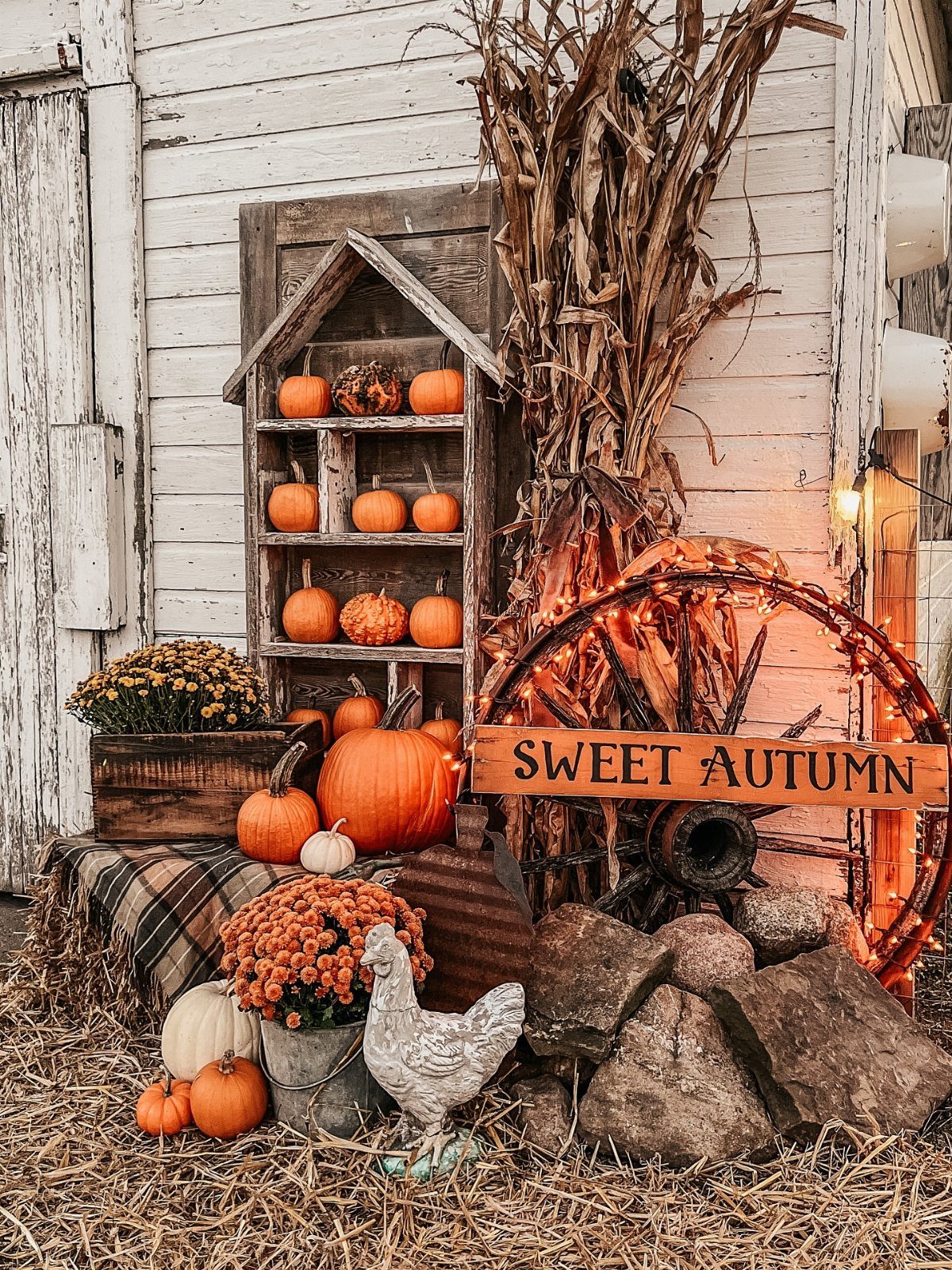
A grouped display of pumpkins, cornstalks, hay bales and potted mums marks the season without permanent yard changes you have to undo.
The visible version stacks height from ground to wagon wheel against a white barn wall, which gives a backdrop that makes orange and gold read clearly.
I would buy hay bales last; they shed and attract mice if left out wet. Cornstalks last a few weeks before drooping; stand them in buckets of sand if no soil is handy.
The wagon wheel and string lights here suggest working with what you already own or find cheap at farm auctions, not buying props.
17. DIY Bocce Ball Court
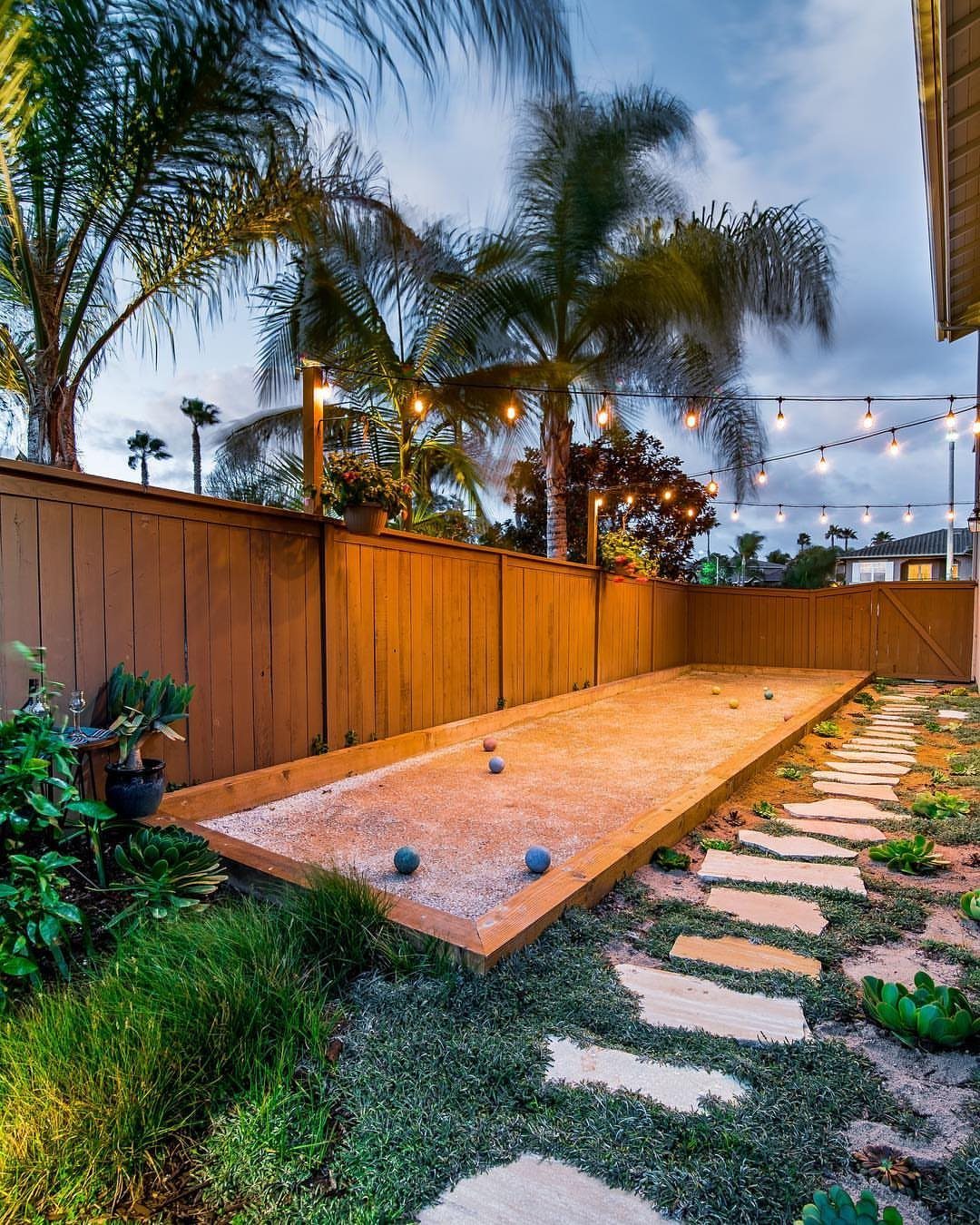
The visible version is boxed in wood with a sand or decomposed granite surface, lit from above with strings of bulbs.
The border boards keep balls in play and show where the court ends. Sand is forgiving on old knees but needs raking after rain; crushed oyster shell is traditional but harder to find.
18. DIY Cornhole Boards
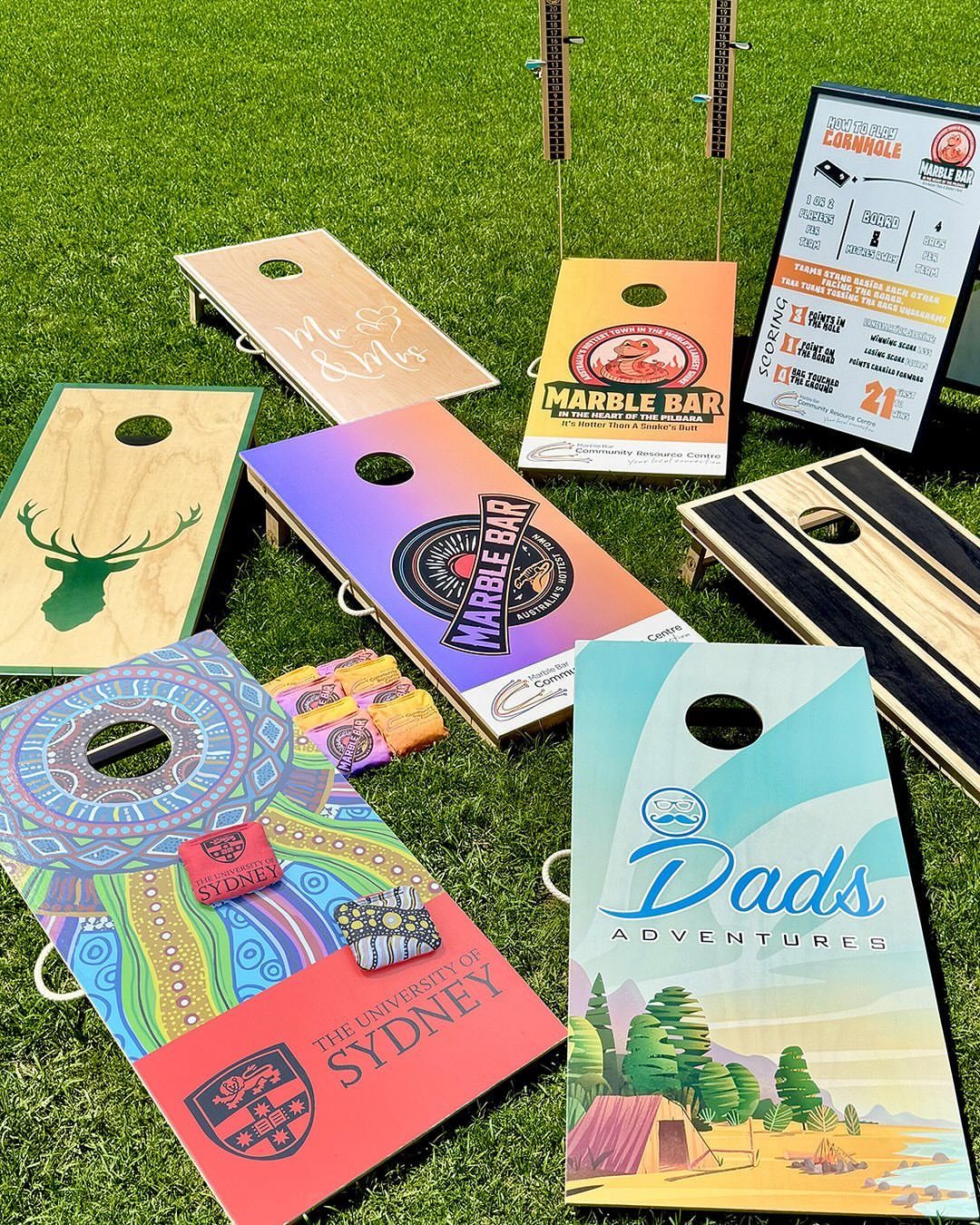
The visible versions carry custom paint and decals, which means sanded plywood and a roller or spray gun, plus clear coat over the art.
I would use half-inch birch plywood for a smooth face; construction-grade sheathing splinters and warps. Hinged legs fold flat for storage and must be the same length or the board tilts.
19. DIY Chalkboard
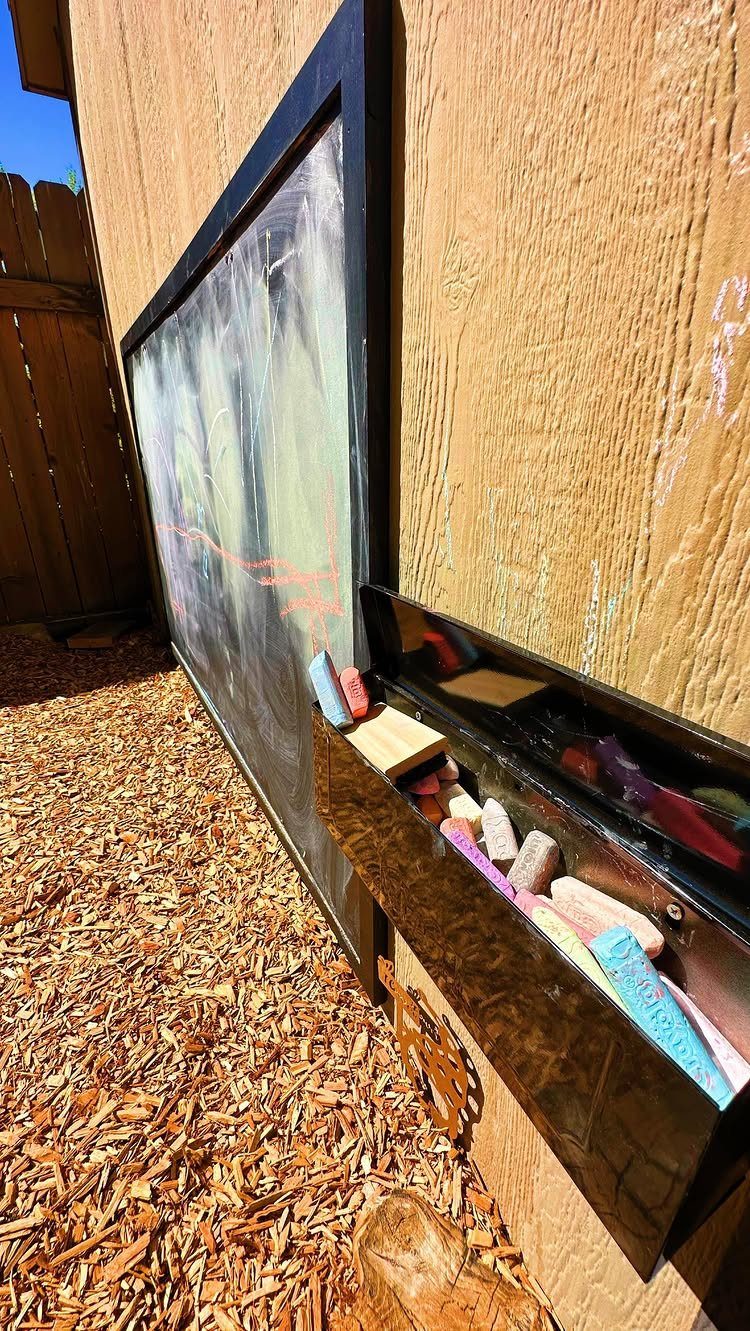
An outdoor chalkboard framed in painted wood and hung at kid height turns a patch of siding into a station for games, menus, or afternoon doodling.
The visible version pairs the board with a shallow metal bin screwed underneath for chalk and erasers, which keeps supplies from scattering into the mulch.
I would use exterior plywood or MDF rated for moisture, not interior chalkboard paint alone; rain will peel it. Real slate or enameled steel sheet costs more but lasts years longer.
Mount with lag bolts into studs, or the weight of a wet board pulls screws from siding. The bin below needs drainage holes or it becomes a planter for mold.
20. DIY Garden Shed
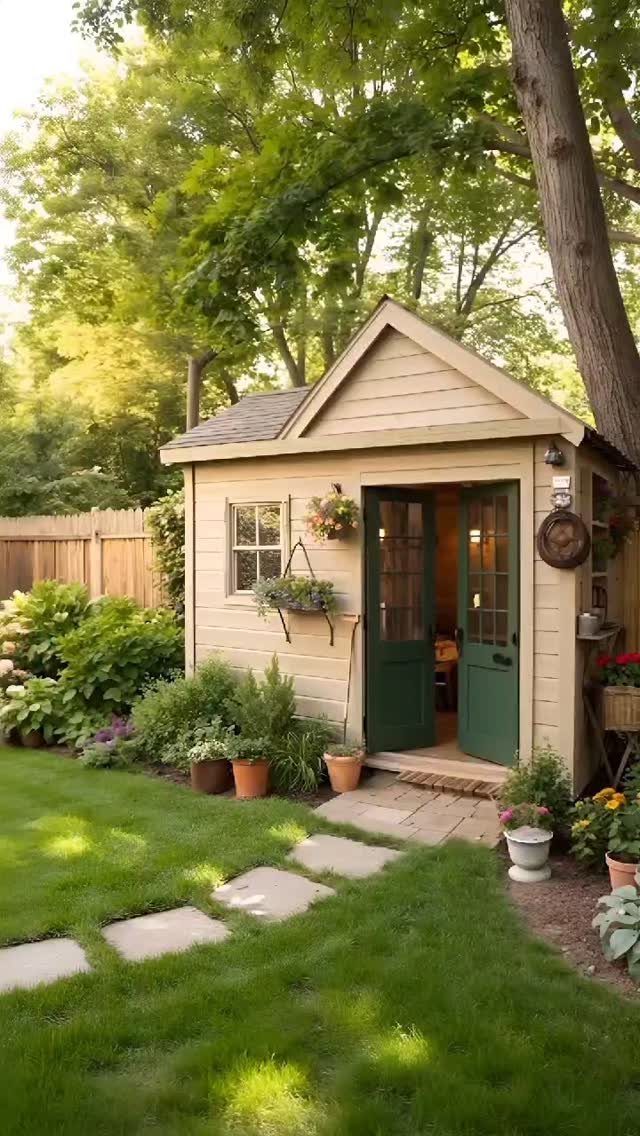
A small shed with painted trim and window boxes shifts from tool storage to a garden room you actually want to walk into. The visible version keeps the footprint modest, with French doors that swing wide for air and light.
Check your setback rules before pouring a foundation; most towns have a required distance from property lines. I would build on skids or concrete blocks rather than a slab if I might move it later.
The flower boxes and potted plants here are doing the real work of making it feel finished; paint color matters less than the living stuff around it.
A shed this pretty still needs a solid roof and vented eaves or humidity warps anything stored inside.
Budgeting for DIY Projects
A $300–$1,000 budget works if you assign it before you pick up a tool.
I would list every project I want, then rank them by what fixes a real problem: bare ground where mud tracks in, nowhere to sit, no light after dark. One or two solved problems beats five half-finished.
Watch where impulse spending lives.
Reels and video tours push finishes you did not plan for; a stencil here and a string light set there each make sense alone, but stack 3 impulse buys with new cushions and half the fund is gone.
I would price the biggest material line first, usually pavers or lumber, then fit everything else around it.
If your yard needs both seating and planting, split the year.
A spring bed build and a fall bench upgrade each get your full attention and budget. Spending twice is fine; spending once and regretting the compromise is not.
Choosing Materials Wisely
Reclaimed wood, concrete left over from a neighbor’s pour, or pallets pulled from behind a store cut material costs by half or more.
Before hauling pallets home, I look for an HT stamp; heat-treated is safe to work with, but chemically treated should stay out of any project that touches soil or skin.
Local suppliers beat big-box delivery on stone and gravel if you have a truck or can borrow one.
Bagged goods cost more per pound but save your back on small jobs; I would calculate by weight, not by bag count, to compare honestly.
Weather resistance matters more than looks at checkout.
Exterior-rated screws and galvanized hardware run a few dollars more and hold up through seasons of weather that chew through standard fasteners. I would rather buy once and nail it right than dig out rusted fasteners from swollen wood.
Seasonal Maintenance Tips
Rotate what sits out. Cushions store dry in a deck box or garage; left stacked under a leaky cover, they mildew and need replacing in 2 seasons.
I would wash frames with mild soap in spring, check for wobble, and tighten joins before the summer load.
Decorations follow the calendar, not the trend.
Hay bales and cornstalks for autumn go out dry and come in before rain locks the rot into your pavers. Winter blankets on furniture need to breathe; plastic sheeting traps condensation that rusts metal frames.
Plants shift with temperature. Move tender pots against the house wall for windbreak, or lift them indoors before the first hard freeze.
Fertilizer stops by late summer; new growth pushed in fall dies first. A greenhouse lid props open on mild days to cook off fungus and stale air, then locks down before sundown.
Check drainage twice a year. Channels clogged with leaves let even a short rain turn into standing water against your foundation.
Frequently Asked Questions
What is the cheapest way to do backyard?
Start with what you already own: cut the grass, pull weeds, and clean existing surfaces before buying anything.
A single strand of string lights runs about $30 and changes how the space feels after dark. If you need usable patio ground cheap, pea gravel is hard to beat.
Stake down landscape fabric first so weeds do not push through in a season, then spread the gravel four to six inches deep and ring it with bigger stone or brick to keep the edges from scattering every time you kick a chair leg.
What are some good DIY backyard plans?
Fire pits, vertical gardens, raised vegetable beds, and string lights all work on a real budget and a weekend timeline. For kids, a framed outdoor chalkboard at their height turns a fence section into a drawing station.
I would pick one project that solves a problem you actually have, bare ground, nowhere to sit, no light, rather than stacking half-finished ideas.
What are some cool things I can build in my backyard?
Build a stone fire pit on a paver base and set a simple post-and-beam roof above it, and you have an outdoor room with a ceiling.
Leave the beams natural, no fabric, and the structure still reads as a destination even when the fire is cold.
What can I do to make my backyard more beautiful?
Plants, light from multiple heights, and small personal touches do more than any single expensive piece. Group seasonal displays like pumpkins, cornstalks, and potted mums against a light wall so the colors read clearly.