Small home landscaping can start with a packet of morning glory seeds or run to a brick courtyard with a recirculating fountain, and the deciding factor is whether you own the ground or answer to a landlord.
Renters will gravitate toward window boxes and portable fire pits that pack with the U-Haul; owners can plant climbing trellis vines and pour concrete chessboard squares that stay for the next decade.
[link-whisper-related-posts]1. Vertical Garden
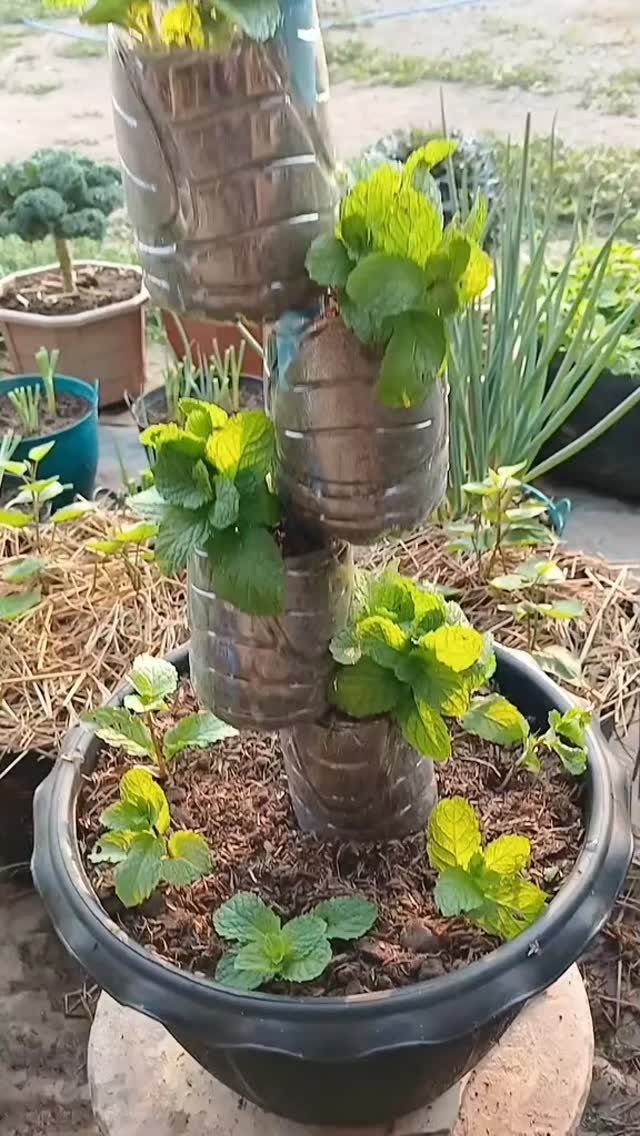
A vertical garden stacks growing space upward instead of spreading it outward, which matters when the ground area is measured in feet, not acres.
Ordinary clear plastic bottles work fine filled with soil; I would start with something trailing or compact since root space is tight.
Before trying this, check that your wall or fence can handle the weight of damp soil plus water.
Full sun heats plastic quickly, so I would place this where it gets morning light and afternoon shade, or switch to ceramic or metal containers if the spot bakes after noon.

MADE IN THE USA – SUPPORTS 3 SMALL BUSINESSES Proudly manufactured in the United States. Every Smart Spring planter purchased directly supports three small U.S. businesses, helping keep jobs and production local.
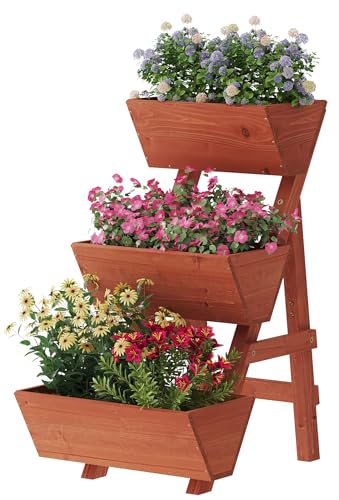
【SIZE】: Vertical garden planter size: 16.5*17*27.8 inches.

Space-Saving : This strawberry planter maximizes your gardening space by stacking 5 layers to grow more plants in a compact area. The strawberry tower planter is ideal for patios, balconies, or indoor use
2. Pots and Window Boxes
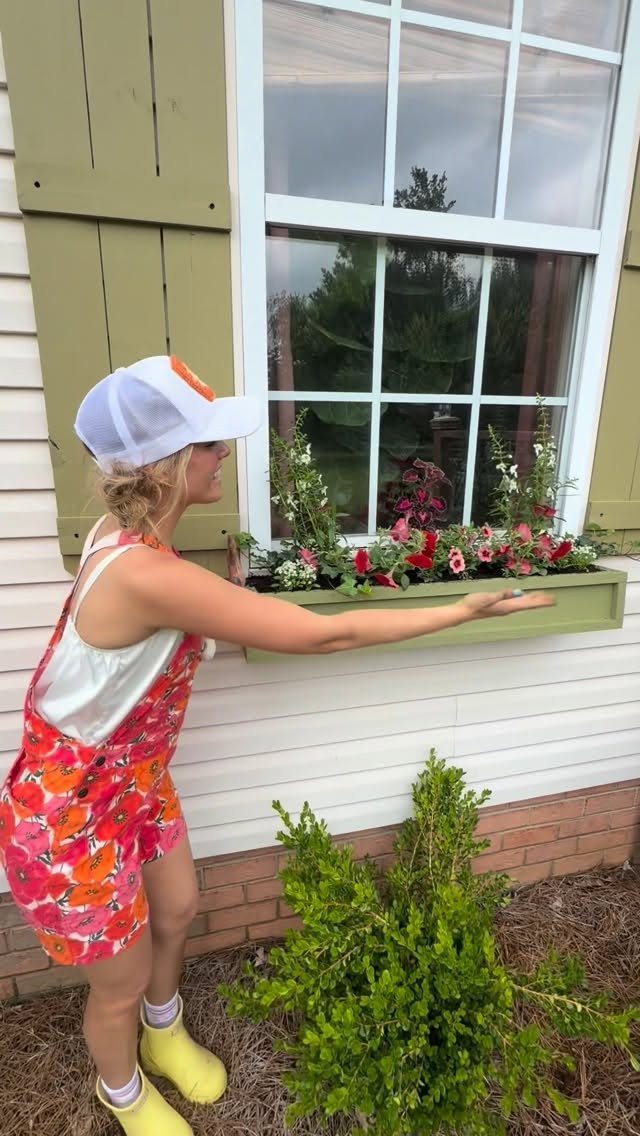
Window boxes suit renters and first-home owners because they install with a few screws or a bracket, not a landscape crew, and they move with you.
A painted box mounted under a shuttered window above foundation plantings already in place keeps the bed below while the box adds color at eye level.
Buy for the glass width minus the trim; a box that floats too wide or sits too narrow never looks intentional.
I would line the interior with a coco fiber mat or a sheet of plastic with drainage holes punched through to keep soil from drying in one afternoon.

High Quality: Our window box brackets are made of high quality iron, strong and firm, with a strong load-bearing capacity, which can provide strong support for window frames; the surface is coated with black powder coating, which can increase its ability to prevent rust and corrosion, providing you with long-term service
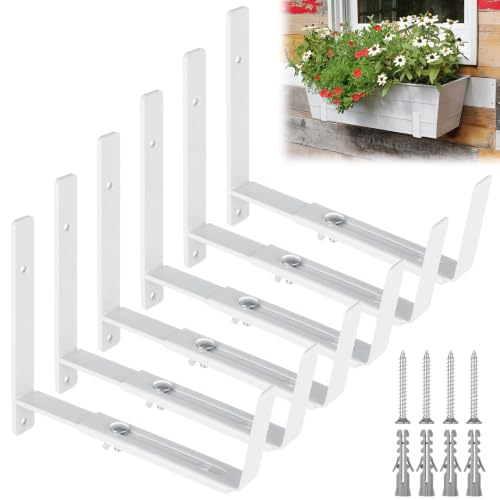
High Quality: Our window box brackets are made of high quality iron, strong and firm, with a strong load-bearing capacity, which can provide strong support for window frames; the surface is coated with white powder coating, which can increase its ability to prevent rust and corrosion, providing you with long-term service

Adjustable Base Design: Our planter box brackets features a versatile and adjustable design with minimum 6'' and the maximum 12'' depth (Front To Back), allowing you to customize the width to suit your preferences
3. Raised Garden Beds
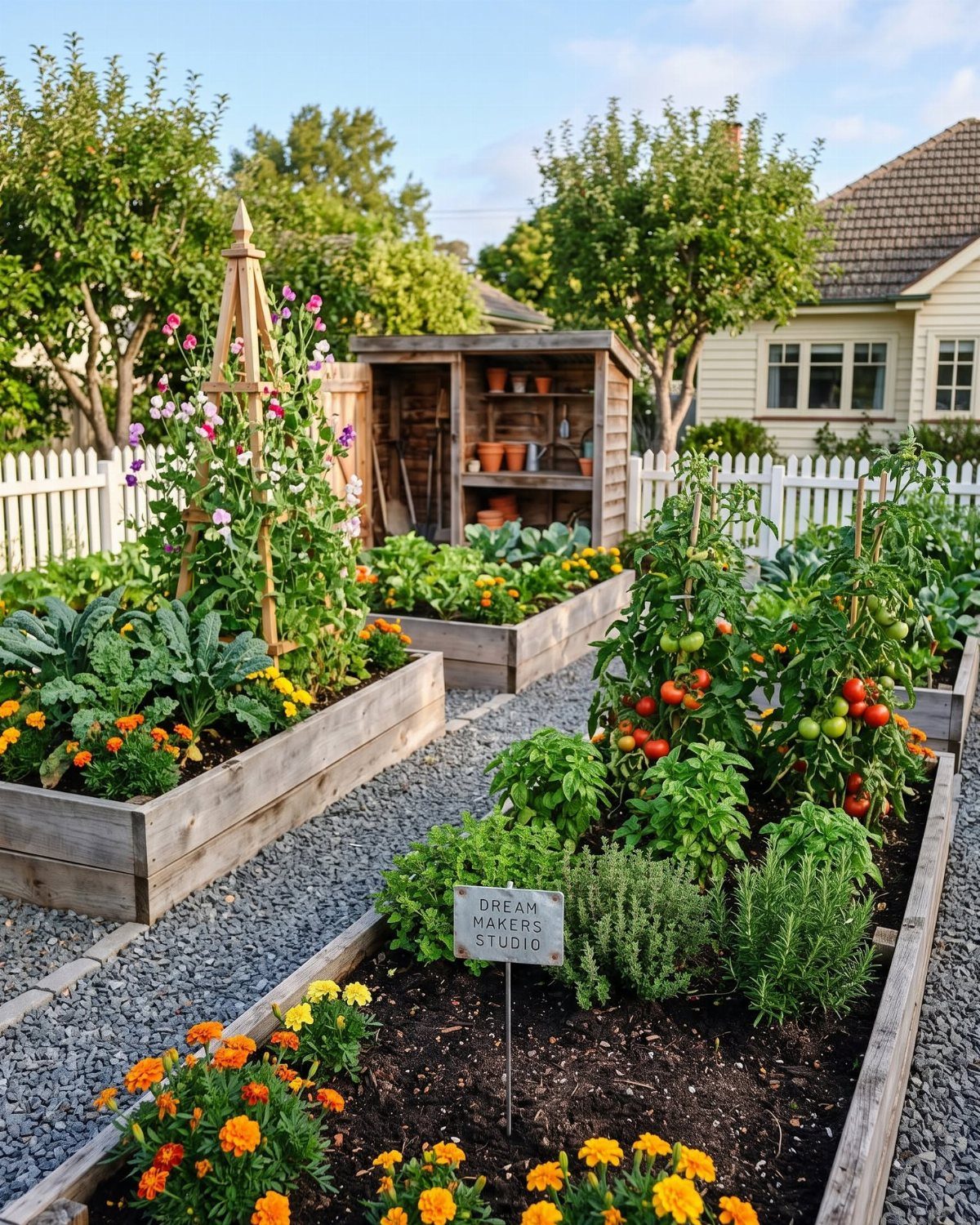
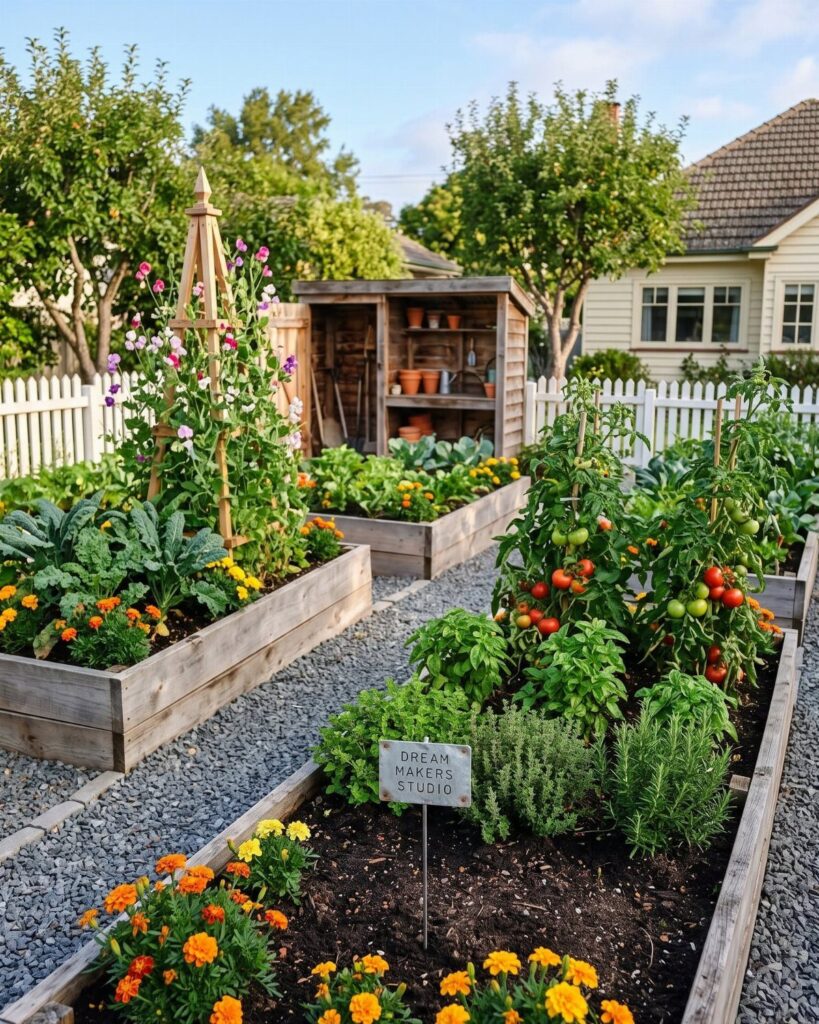
Raised beds lift the growing surface to waist height, which saves your back and warms the soil faster in spring; gravel paths between them keep your shoes clean and discourage mud.
I would use cedar or a rot-resistant composite if the budget allows; pine rots fast in most climates and you will rebuild sooner than you want.
A depth of about a foot handles most vegetables; anything deeper is wasted soil and cost unless you are growing carrots or parsnips.

Elevate Your Garden - Opt for a brilliantly engineered raised garden bed to revolutionize your gardening. Its spacious design, measuring 48x24x30 inches, allows for the cultivation of multiple vegetable varieties alongside a plethora of herbs, optimizing your gardening space for ease and diversity.

Spacious Planting Area: This raised garden bed provides a generous 44 cubic feet of planting space and 1.5 feet of depth, making it perfect for cultivating lettuce, tomatoes, or colorful flowers in a wooden planter box.

16.5" deep to accommodate large, deep-rooted plants
4. Outdoor Fire Pit
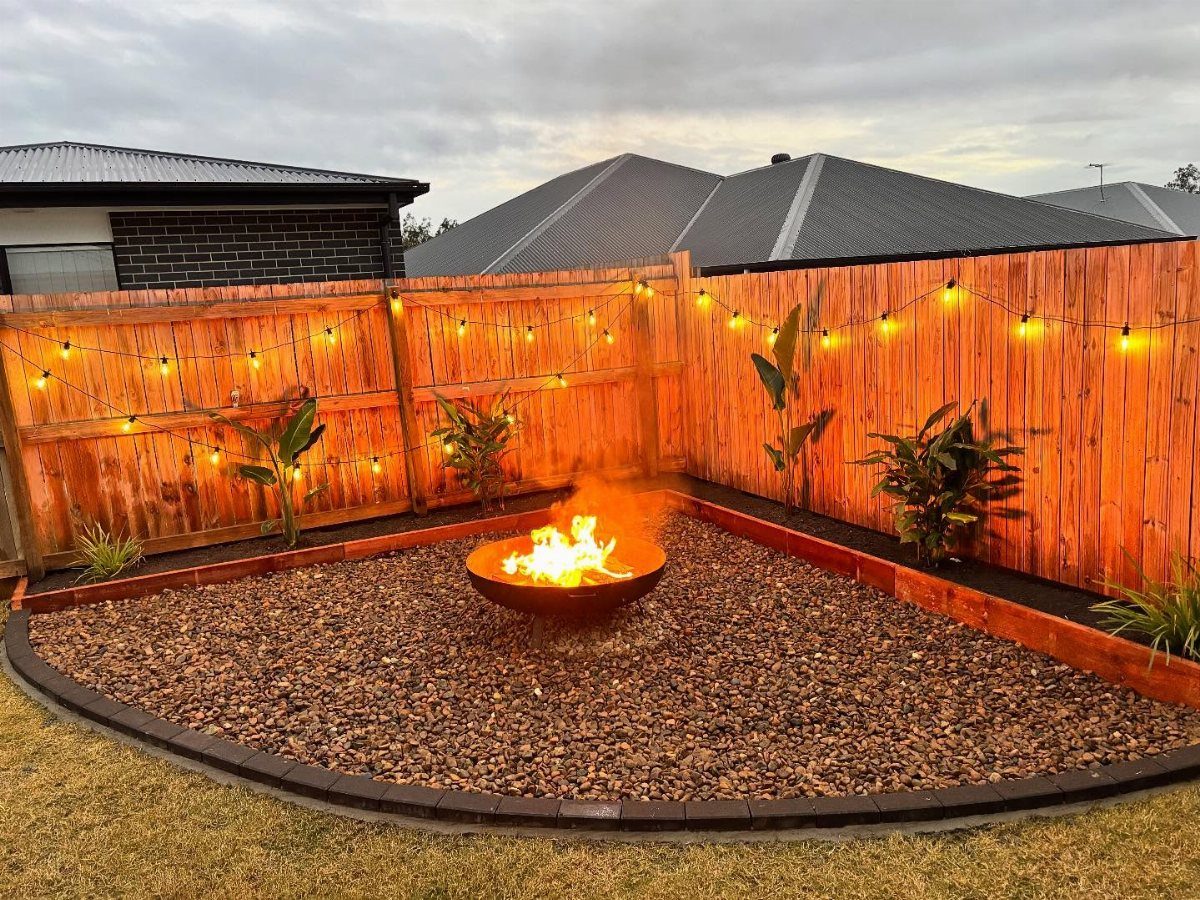
A fire pit turns a corner of gravel into the spot where people gather, which is the hardest function to build into a small yard.
A metal bowl set in a gravel patio with brick and wood edging, enclosed by a fence with string lights above; the lights extend the usable hours without adding cost.
Check your local burn regulations first; many towns restrict open burning or require a distance from structures and fences.
I would keep the bowl portable rather than sunk into the ground; a built-in pit is a hardscape decision you cannot walk back from, and a bowl you can store when the wind shifts.

Fun Moments Around the Campfire: If you want to create a welcoming atmosphere in your backyard for gatherings where you can enjoy delicious marshmallows and endless conversations together with your family and friends, the Gas One portable fire pit for camping is the ideal solution!

PERFECT FOR WINTER FIRE - Great for the family and entertaining or just to sit and to relax during a cold winter night. 22-inch little fire pit is super suitable for a small backyard. Surround it with your family and friends, you will definitely feel considerable warmth from it.

Protect Your Deck and Patio: 36 inch round fireproof and oil-resistant mat can protect your deck, patio, lawn from embers, hot oil, sauces and food stains, prevent fire risks, reduce the burden of cleaning, perfect for fire pits, grills, fireplaces, etc.
5. Decorative Stones
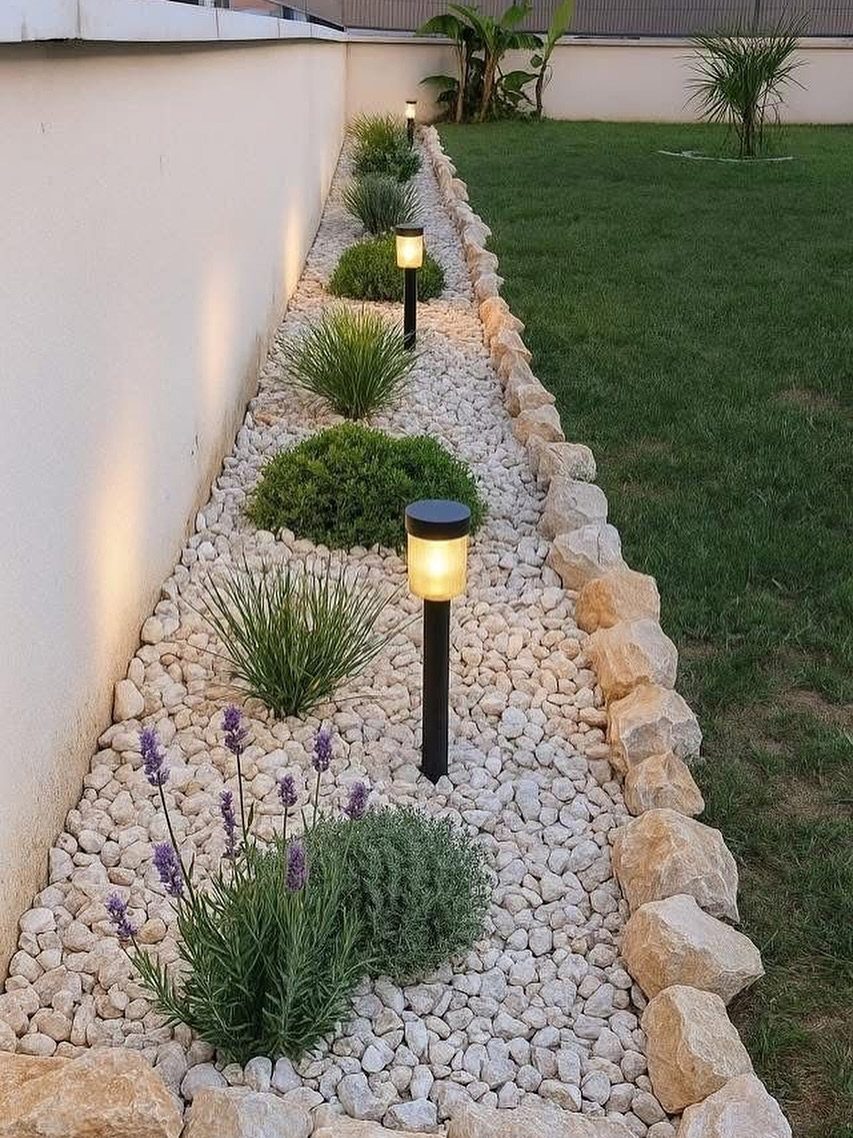
White gravel reflects light, which keeps a narrow bed against a wall from feeling like a tunnel.
A bed running the foundation line, planted with small shrubs, lavender, and solar lights, bordered by larger rocks that keep the gravel from drifting into the lawn.
I would lay landscape fabric underneath or prepare to weed between stones twice a season; reflected heat also dries soil faster, so choose plants that tolerate lean conditions.
The cheap solar lights fade after a year; hardwired low-voltage fixtures last longer if you have an outdoor outlet.

RELAXING WATER FLOW: Enhance your outdoor space with the Alpine Corporation 2 Tier Barrel and Pump Water Fountain. Water gently cascades from the pump spout into the rustic barrel tiers, creating a soothing and peaceful ambiance. Perfect for relaxing in your garden, patio, or yard, this fountain adds a tranquil touch to your outdoor oasis, helping you unwind and enjoy nature’s calming sounds.

SOLAR POWERED FOUNTAIN PUMP: Mademax solar birdbath fountain only needs 3 seconds to operate automatically in direct sun, with a spray height of 4–27.5 inches (10-70cm). No electricity or battery needed. (Solar fountains does not store energy, can not work on cloudy days or night, please make sure the product is used in direct sunlight, and it is recommended to use it in clean water, which will prolong the life of the product

HANGING CUPS TIER DESIGN: Features 6 cascading cups that create a stunning waterfall effect for your home or garden. The soothing movement of water provides a peaceful ambiance, making it perfect for patios, entryways, yards, or indoor spaces.
6. Use of Gravel
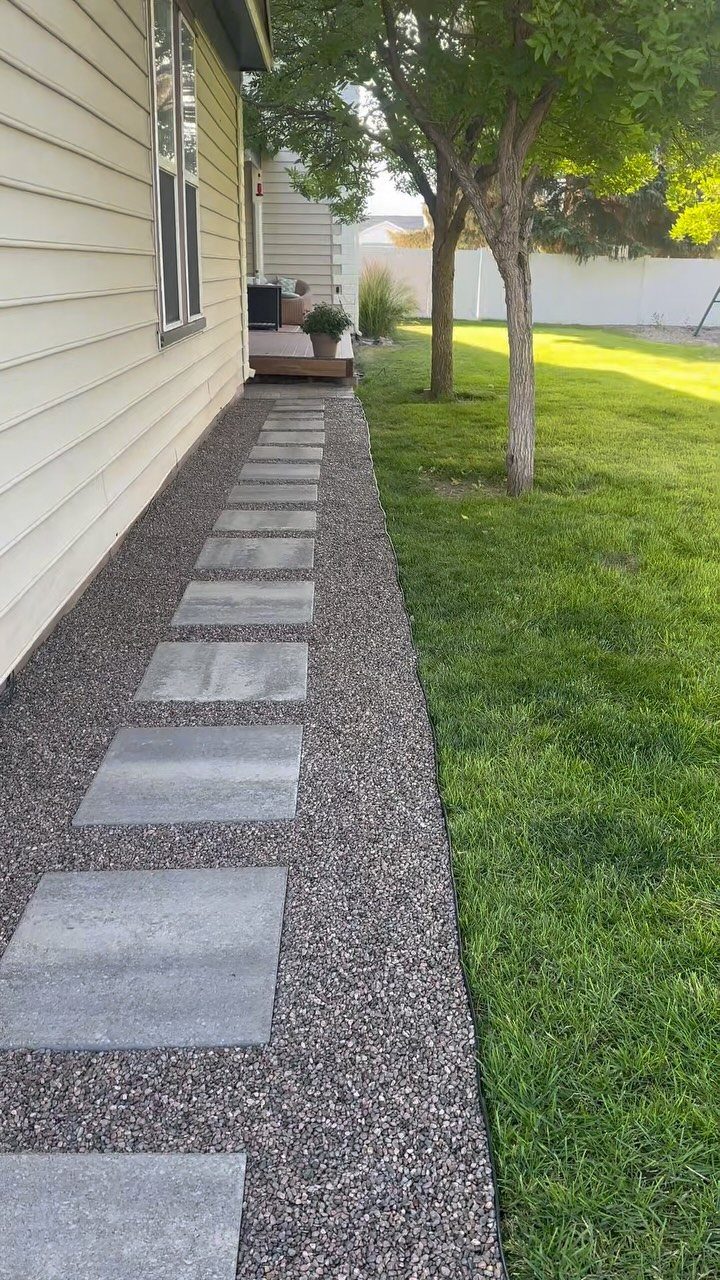
Gravel with stepping stones is the lawn replacement you can install in a day and never mow again.
A path running alongside a house, alternating grey rectangular pavers with loose stone; the pavers give solid footing where you walk, the gravel handles drainage and fills the gaps without growing.
Order stone by the cubic yard and estimate generously; even a thin layer over walkable ground takes more volume than it looks like.
I would set the pavers flush with the gravel surface, not proud of it, or every step tilts and every wheelbarrow catches an edge.

Larger Capacity for Bigger Growth: This large vertical planter tower offers increased planting volume and root space, making it ideal for serious gardeners, backyard food production, and high-yield growing.
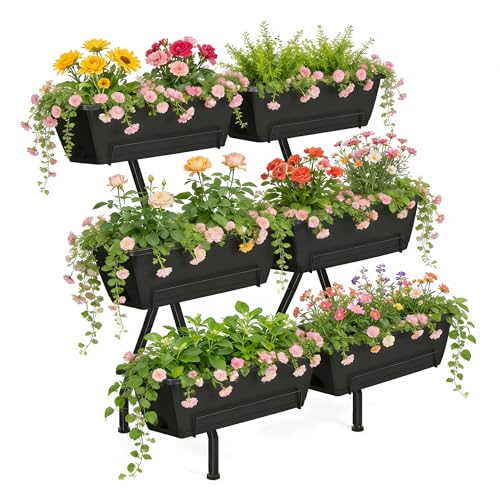
Vertical Raised Bed: The 3 tier vertical garden bed is made of solid metal frame. The triangular frame structure ensures that the vertical planters are stable in wind and rain. You can grow a variety of plants both indoors and outdoors.

【Sturdy and Stable】The 4 tier vertical garden bed is made of solid metal frame. The triangular frame structure ensures that the vertical planters are stable in wind and rain. You can plant different plants in the terrace, yard, garden, balcony, and living room.
7. Layered Landscape
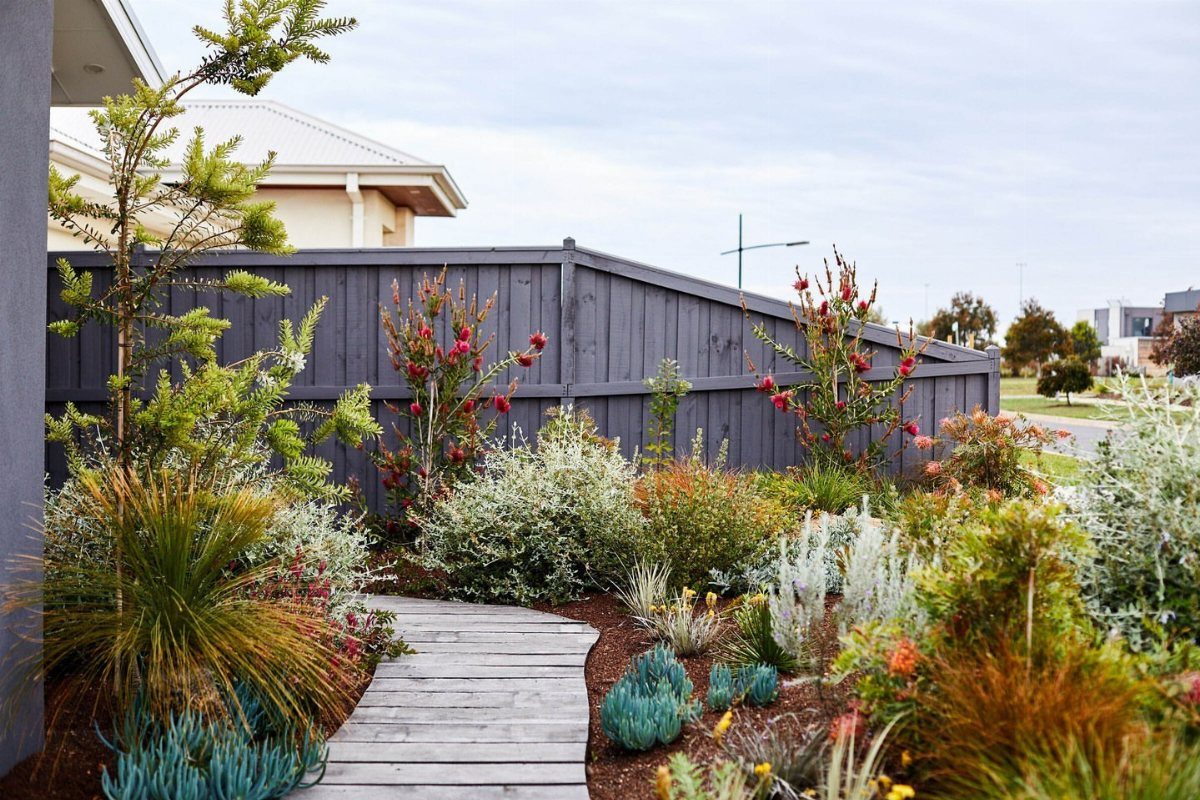
Depth in a small yard comes from stacking heights low to high, not from spreading sideways.
Ground-hugging succulents in front, medium shrubs in the middle, and taller flowering bushes against the fence in back keep every layer visible from the yard.
I would keep the tallest layer well off the fence so air still moves behind it; damp wood rots fast in most climates.
Mulch between layers saves water and suppresses weeds, though I would pull the mulch back from stems by a hand width to avoid collar rot.
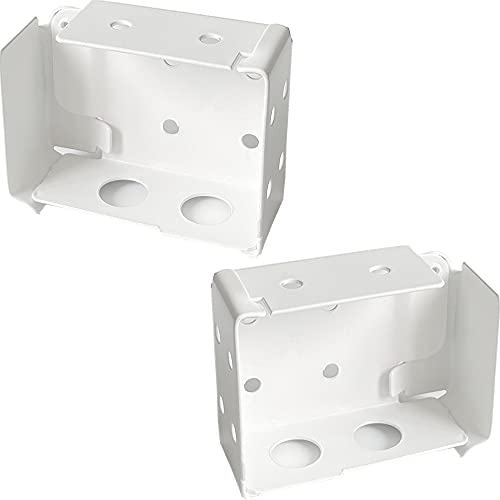
Package: A set(2 pieces - a left and a right) of low profile blind mount brackets, NOT INCLUDE any Screws
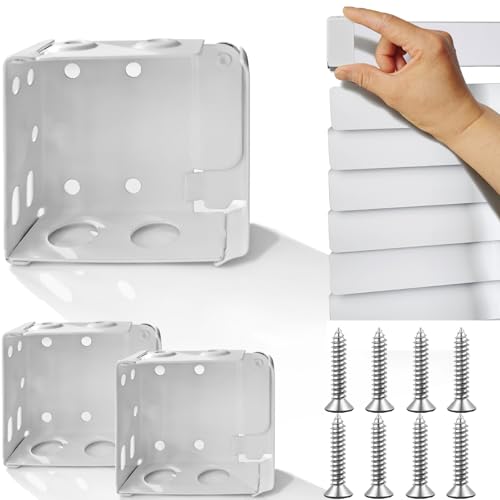
✅【Package Include】: Set of 2 mini blind brackets (two brackets as a set, a Left bracket and a right one, with 8 screws)

✅【Package Include】: A Set of 2 mini blind brackets with 8 screws (two brackets as a set, a Left bracket and a right one)
8. Privacy Screens
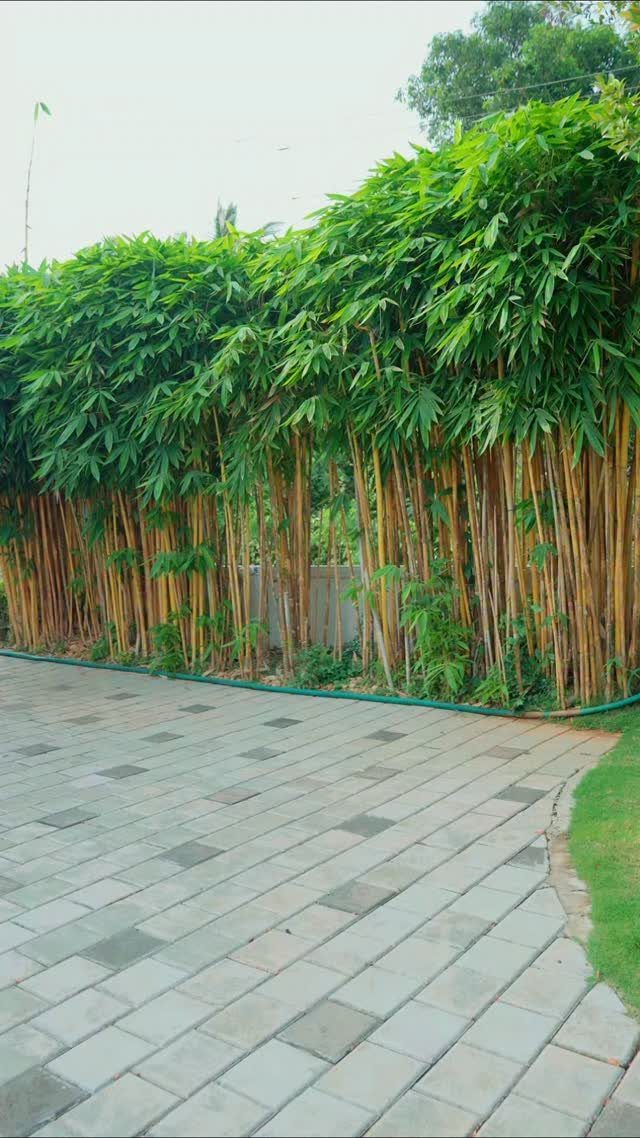
A bamboo hedge gives height without the wait of boxwood or arborvitae, and the clumping varieties stay where you put them. Gold-stalked bamboo runs dense enough to block sightlines from a neighboring patio without turning into a solid wall.
Running bamboo spreads and becomes a fight; I would confirm the tag says clumping before I bought.
Check your hardiness zone: most clumping bamboos handle zones 8 and up, and a winter 2 zones too cold will kill the canes to the ground.
A screen on the south edge of a yard gives afternoon shade where you may not want it.

LONG-LASTING: Made from rot resistant, 1" thick, North American Western Red Cedar

Size: The garden bed measure is 46"L x 23.6"W x 17"H. The planter box provides ample space for planting vegetables, fruits, flowers and other plants.
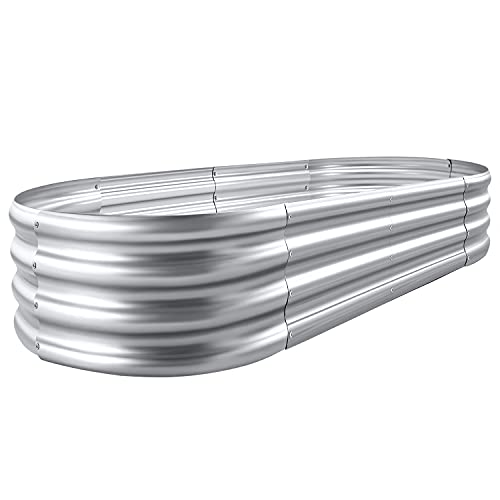
Each raised metal garden bed size: 4×2×1ft ,7.14Cu
9. Narrow Spots
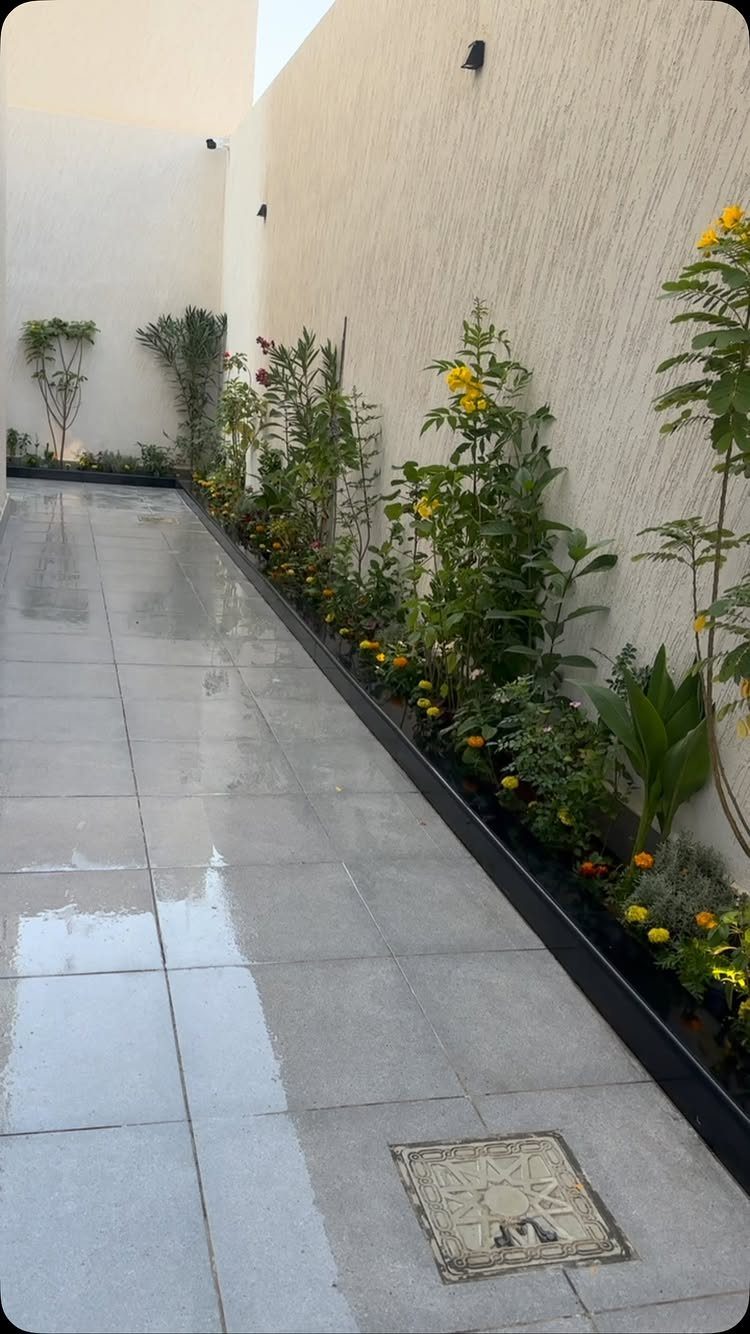
A bed against a wall or fence is often the only planting space left in a small yard, and it dries faster than open ground because walls shed rain and radiate heat.
A long black planter holding soil and moisture solves the problem when native ground is rubble or compacted clay.
I would use a deep planter for shrubs or perennials; anything too shallow is an annual-only spot and needs watering daily in July.
A soaker hose snaked behind the planter beats hand-watering for consistency, though it does need a faucet timer to prevent sogginess.

Perfect S'mores Experience: Create magical moments with our tabletop fire pit - ideal for roasting s'mores and marshmallows. Brings cozy warmth to any outdoor space, from garden patios to intimate balcony settings

WHAT'S INCLUDED: Mini Fire Pit, Butane Adapter, Metal Mesh Screen, Lava Stones
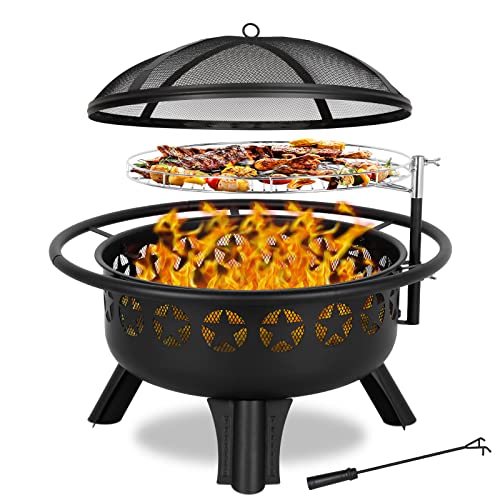
【2 in 1 Outdoor fire pit with grill】: 31” Dia x 24” H, this wood burning fire pit features a multi-functional design ideal for outdoor heating or grilling. The fire pit with cooking grate is designed with an outer ring around the central fire area allowing for easy movement. The creative pentagram vents help increase airflow for the firewood and brings a brighter flame. Air circulation burns longer and vigorously, and a mesh cover can prevent from flying sparks.
10. String Lights
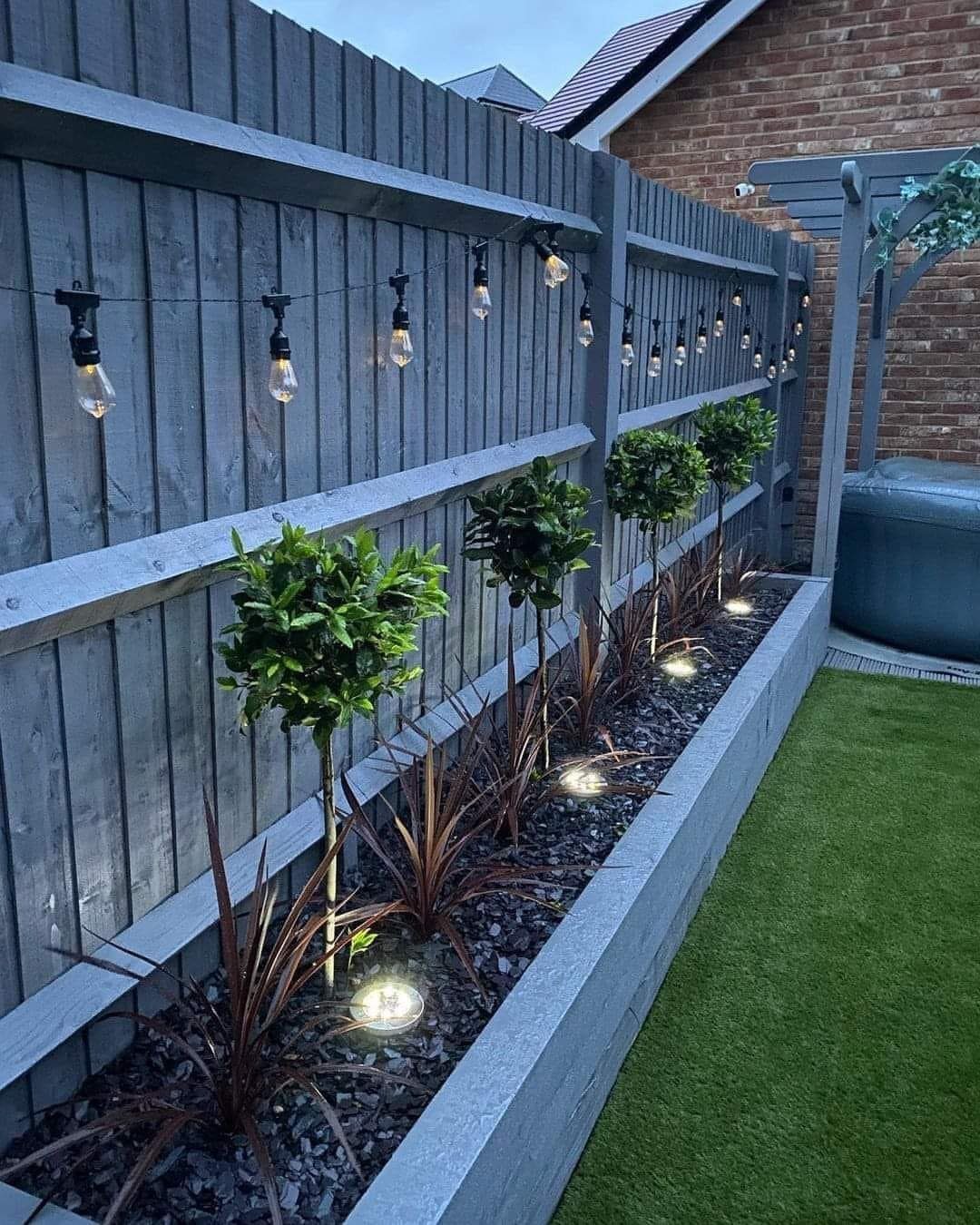
Edison bulbs on a cable turn a fence line into the ceiling of an outdoor room after dark, which stretches usable hours in a small yard without adding square footage.
String lights hung along a fence above planting give height enough to walk under and light low enough to read by.
I would use LED filament bulbs; they sip power and the glass stays cool.
LED string lights draw so little power that running them nightly costs pocket change over a season. Check that your outlet is GFCI-protected; outdoor plus water is the combination that codes worry about.

2-IN-1 DESIGN WITH BUILT-IN PLANTER: Elevate your garden decor with a unique top planter cavity. The outdoor water fountain perfect for customizing with your favorite real or faux succulents, trailing vines, or colorful flowers. It seamlessly blends lush greenery with flowing water for a vibrant, natural oasis.
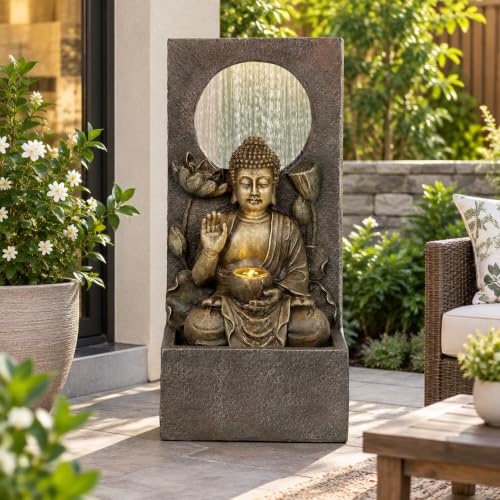
[Zen‑Inspired Buddha Fountain]:Elevate your outdoor space with this Ferrisland Buddha waterfall fountain outdoor, a freestanding Asian‑Zen water fountain. This 27.6"H gold fountain works as a peaceful garden fountain, perfect for patio and backyard. Gentle trickling water creates a relaxing ambiance. This exquisite buddha statue is an ideal decor choice among outdoor fountains, garden fountain, waterfall fountain, water fountain outdoor, outdoor water fountain, outdoor fountain, even for outdoor fountains on clearance

Durable Construction: Made of sturdy polyresin, stone and fiberglass with delicate craftsmanship, the outdoor fountain is in strong construction and weatherproof for long-lasting outdoor use and keep the fountain looking new over time
11. Large Chessboard
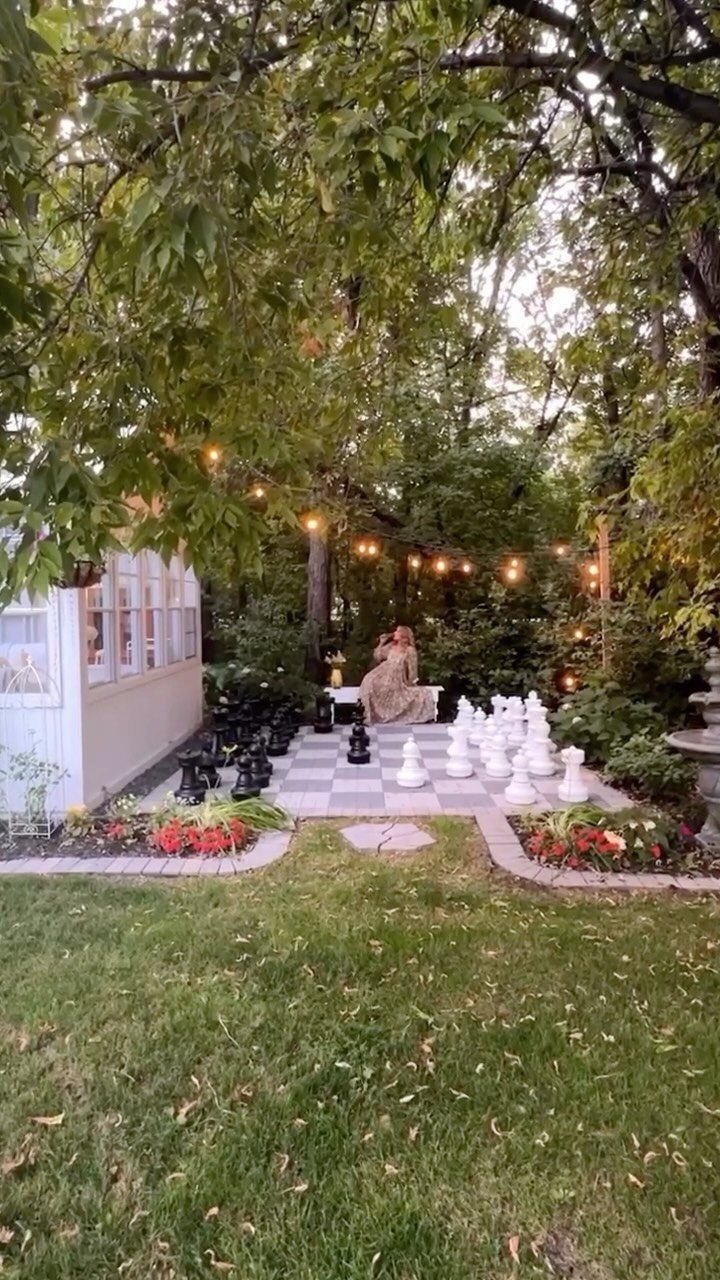
A tiled chessboard patio is a hardscape piece that happens to be playable, not a game set that happens to sit outside.
Black and white squares large enough to stand in, with pieces scaled to match, read as geometric pattern even when no one is playing.
Concrete pavers in two colors, cut and laid alternately, are the durable route; painted concrete weathers to gray in 2 seasons.
I would size squares generously or the pieces crowd and the board reads as busy instead of graphic. Storage for the pieces needs a plan; they are too large to leave out year-round in freeze zones.
12. Paved Courtyard with Water Feature
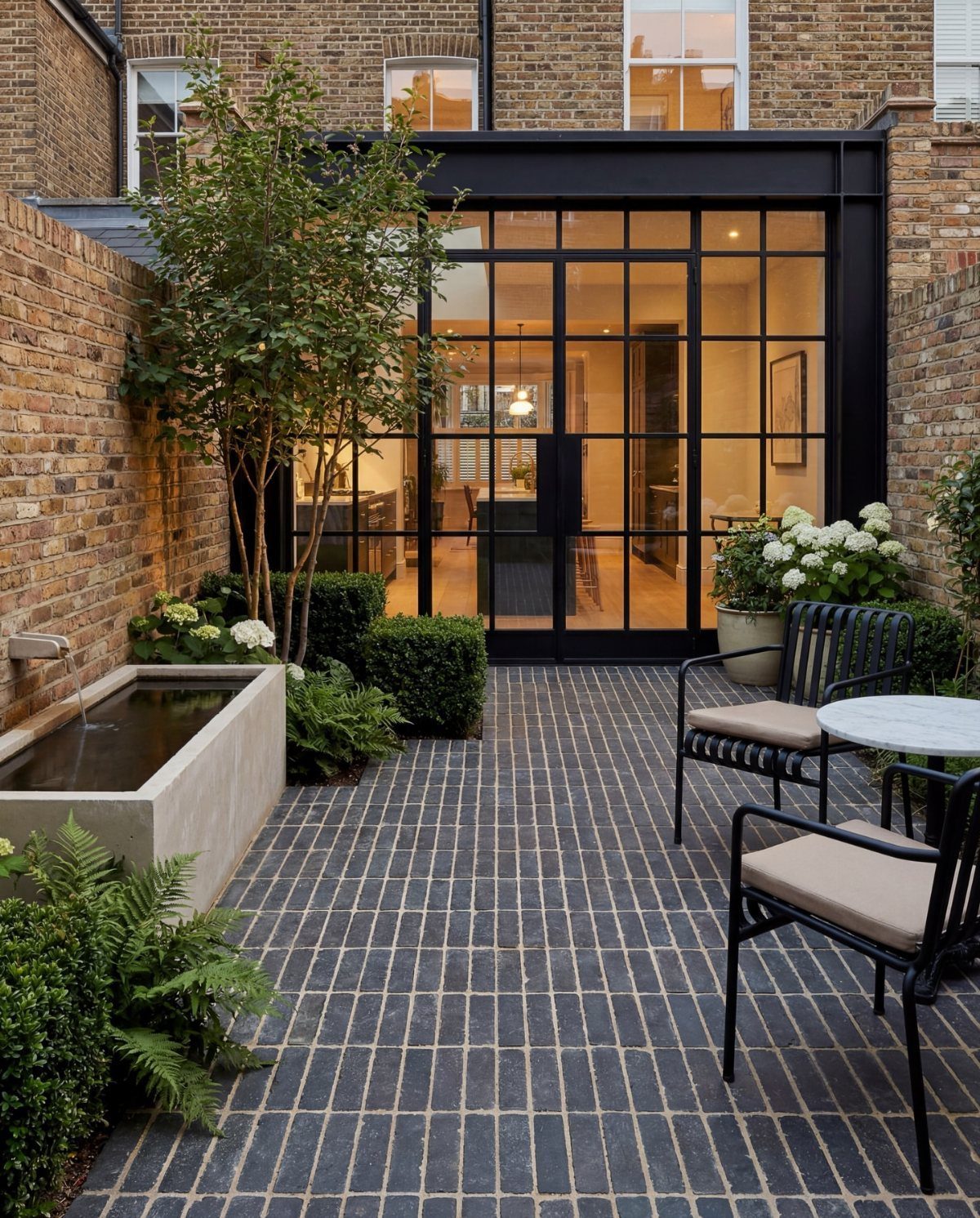
A courtyard of brick pavers with a fountain at center makes a small yard feel like a room, not a leftover space.
Brick walls enclosing the space, neat shrubs, a single small tree, and a low rectangular concrete fountain to sit beside keep the courtyard human-scaled.
I would keep the fountain basin simple and the pump accessible; a clogged impeller in a buried reservoir means tearing brick. A recirculating pump on a GFCI outlet draws about the same power as a single bulb.
The brick walls reflect sound, so falling water that trickles in open air may splash louder than you expect; test the flow before finalizing the stone.
13. Built-In Modern Exterior Lighting
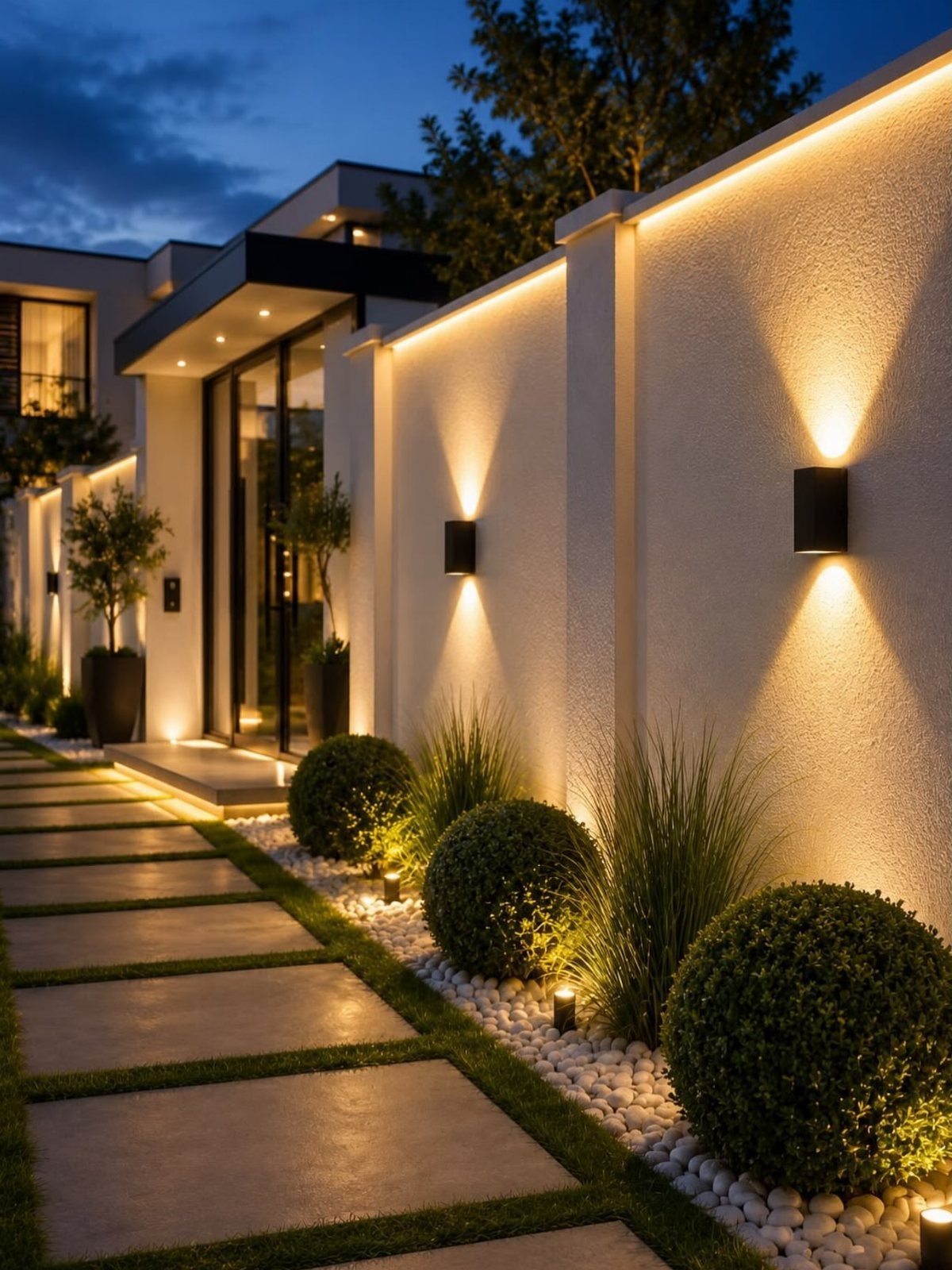
Strip lighting recessed into a stucco wall and sconces aimed up and down turn a walkway into architecture after sunset.
The light grazes the wall texture and silhouettes rounded shrubs against white pebbles, which gives depth to a planting bed that reads flat in daylight.
I would run the strip on a photocell timer so it greets you coming home without a switch to remember.
Wall-wash sconces need clearance above the shrub line or foliage blocks the beam; I mount them with a hand’s width of breathing room, enough that the light skims the wall without catching leaves.
Both fixtures need an outdoor-rated driver or transformer; indoor parts in a wet location fail fast.
14. Circular Stepping Stone Path
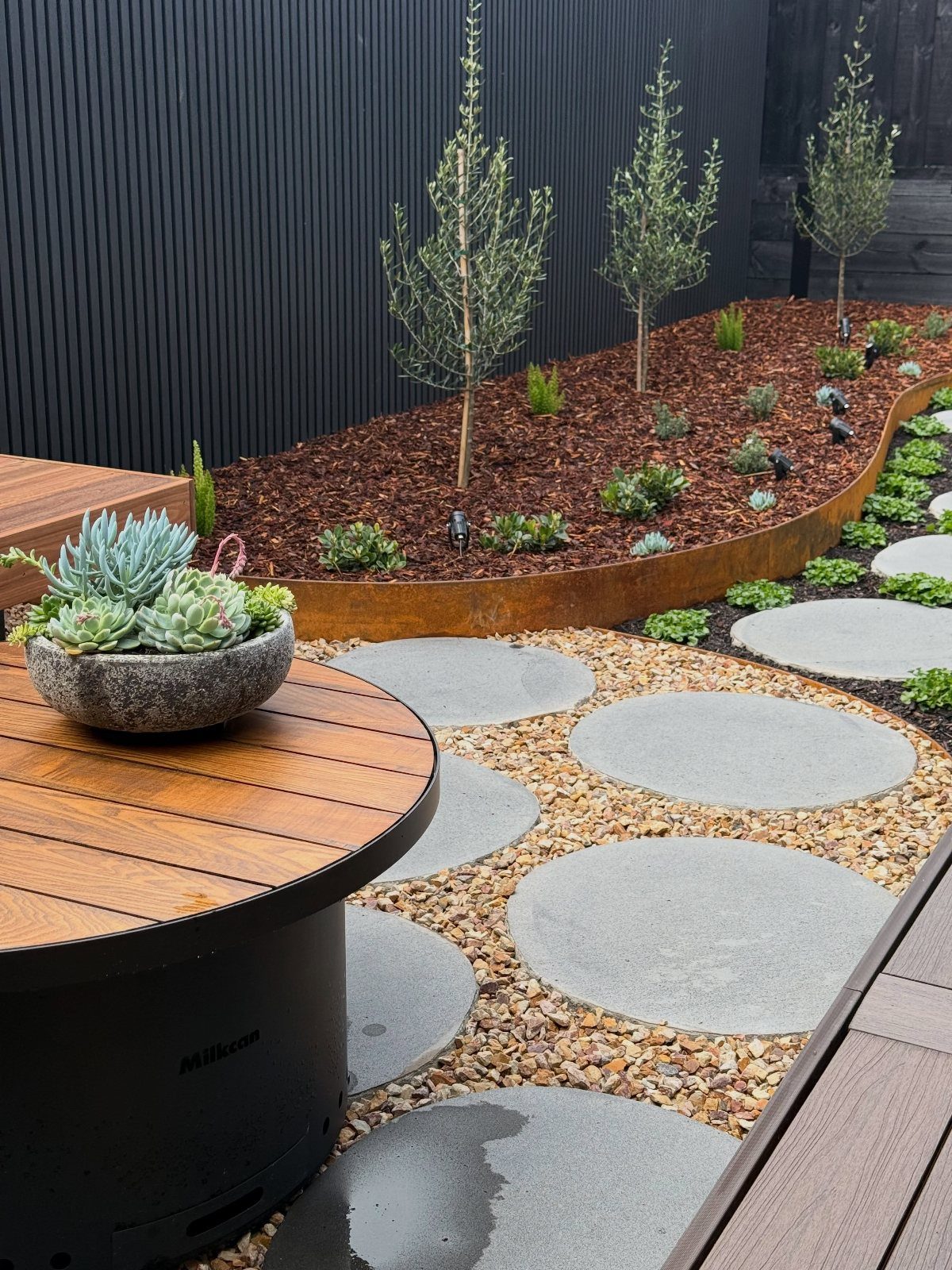
Round concrete pads set in pea gravel soften the geometry of a small yard where every line otherwise runs straight to the fence.
The gravel between them drains well and hides uneven ground; the circles read as deliberate pattern, not leftover pavers.
I would keep the gravel depth shallow, just enough to lock the stones in place, or they rock underfoot like stepping into a tub.
A steel edge against the mulch bed keeps the materials from mingling over a season of rain. Cut the circles slightly larger than your stride; small pads make you mince.
15. Climbing Trellis Plants
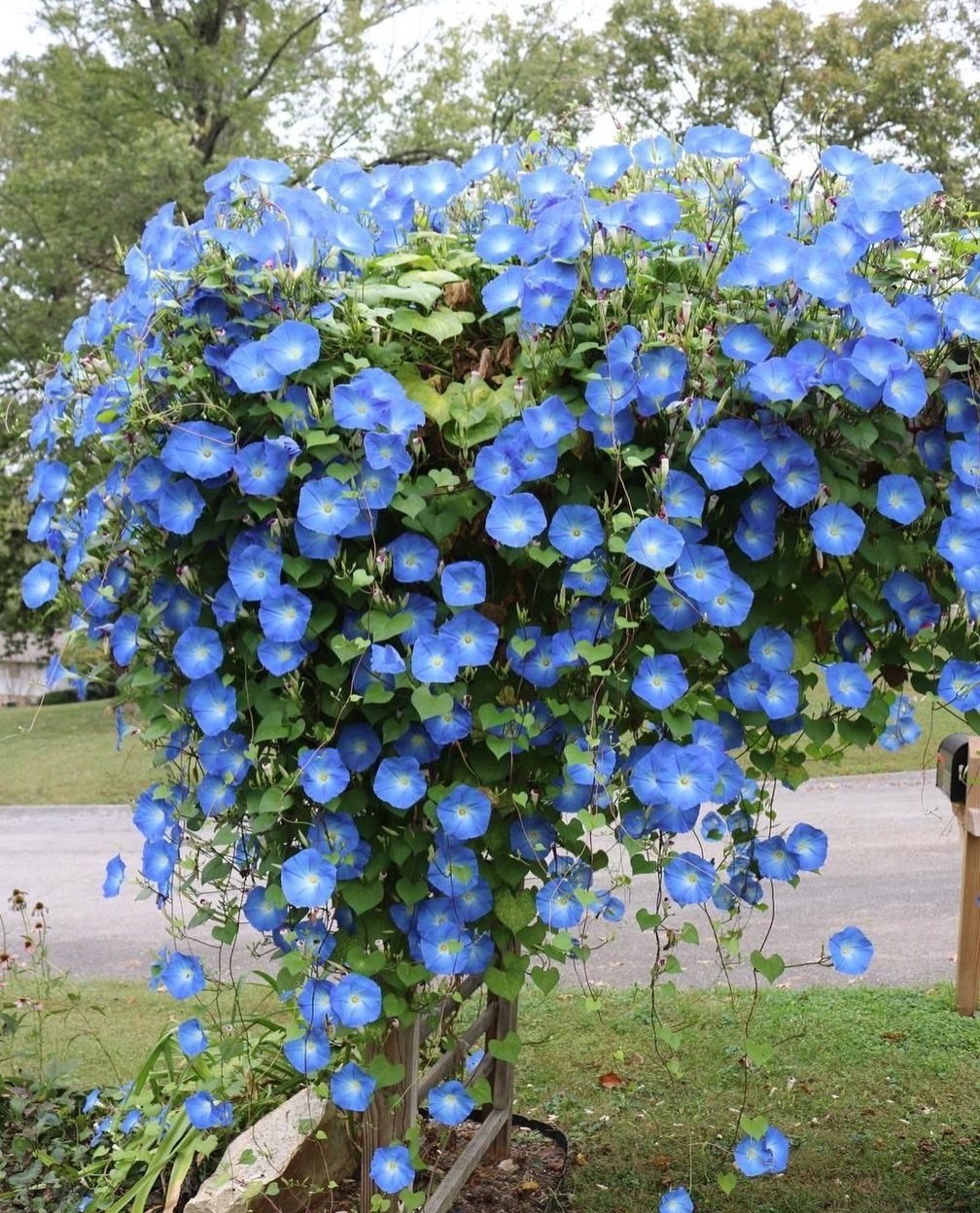
Morning glory covers a wooden trellis in a season from seed, which is the fastest vertical green a small yard can get.
The vines twine clockwise and climb fast through summer; the flowers open at dawn and fade by afternoon, so the blue is a morning greeting.
I would soak the seeds overnight and plant after the last frost; the coat is hard and germination otherwise straggles.
The vine dies back in fall and the trellis stands bare all winter, so place it where winter skeleton does not bother you. Some towns list morning glory as invasive; check before planting near open land.
16. Tiered Wall Water Feature
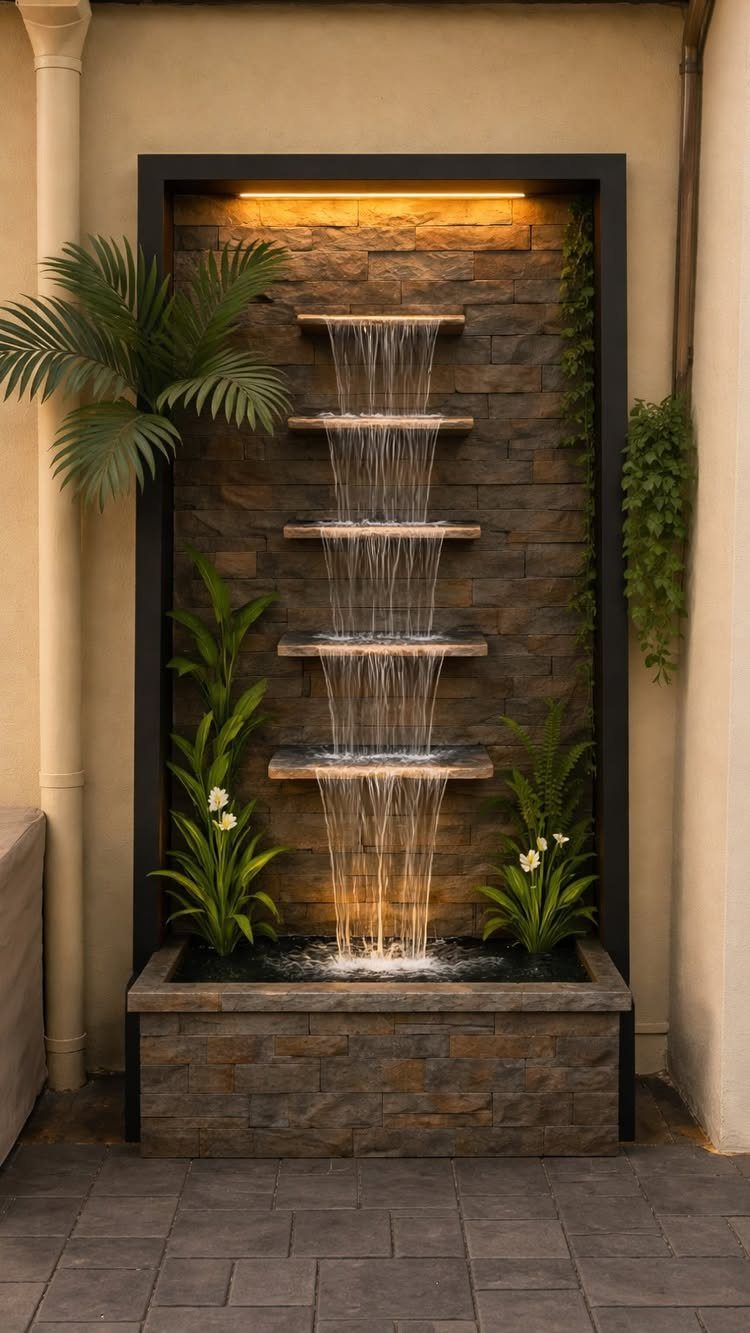
A wall-mounted water feature with stacked ledges runs a thin sheet of water that falls in steps, which suits a small patio that cannot fit a basin at center. The sound masks street noise without the space a pond demands.
I would check that the wall can handle the weight of the reservoir, pump, and saturated backing board; a heavy unit on stucco needs blocking or it tears loose.
The pump needs cleaning monthly in leaf season or the intake clogs and the trickle becomes a drip. Keep an outdoor outlet handy; extension cords across stone are a trip and a code issue both.
Automate Watering Tasks
A timer on your hose bib keeps watering consistent without you keeping a mental schedule.
I would run a quick-connect fitting on the hose end and add male fittings to any sprinkler or wand you switch between; the snap connection saves walking back to the faucet to change tools.
I reach for a watering wand with a trigger at the nozzle; water stays off until I’m exactly where I want it.
Rain Bird makes a hose timer with a digital panel and override buttons for "water now" or "cancel," which is the one I would buy for reliability.
If your property runs large, the same fittings scale to hundred-foot hoses without extra trips.
Simplify Maintenance
Native plants run on less fertilizer, water, and pesticide than anything from outside your region, and that gap is where most of your maintenance savings come from.
Drought-tolerant natives also forgive inconsistent watering, a practical match for anyone who treats the yard as weekend work rather than daily duty.
Your state name plus "native plants" in a search engine brings up what already grows in your climate without help. The switch is the moment a small yard stops feeling like part-time labor and still looks lush.
Create Zones
Splitting a small yard into 2 zones, sit and grow, gives every corner a job and makes the space feel twice as usable.
One divider between zones does the job; adding more just makes clutter. A seating area with a clear sightline to planting, linked by a short strip of grass or open hardscape, keeps the 2 zones from feeling boxed in.
Overcrowding is the error that turns small into claustrophobic. Leave breathing room between the chair and the bed so the eye travels and the body does not bump.
When considering landscaping ideas for a small yard, remember to leave space. It’s easy to overcrowd things and inadvertently create a claustrophobic effect.
Frequently Asked Questions
How to redesign a small backyard?
Start with vertical gardens and container plantings that lift greenery off the ground, then add a fire pit or string lights to give the space a reason to be used after dark.
I would keep the layout simple; unifying the materials and colors makes a small yard feel larger than it is.
Leave open space between a seating spot and a planting bed so your eye has somewhere to go and your legs still have a path through.
What landscaping trend should homeowners avoid and why?
Overcrowding a small yard with too many zones or features turns it claustrophobic rather than cozy. One divider between a seating area and planting is enough; anything more breaks the space into fragments that fight each other.
I would leave a clear sightline between zones and space to walk without brushing against leaves, since small yards live or die on how open they feel.
What is the rule of 3 in landscaping?
I build visual balance by stacking plants low to high, not by counting them in threes; each height gets its own band across the yard so nothing hides behind another.
Pull the tallest row a foot or two forward from the fence line so air circulates back there and the boards stay dry year after year.
What are Small Front Garden Landscaping Ideas?
A bracket-mounted window box moves with you when you leave, and a painted box set below shutters puts color right at eye level without tearing out whatever is already planted along the foundation.
Buy for the glass width minus the trim; a box that floats too wide or sits too narrow never looks intentional.