These ideas run from a weekend gravel path to a full outdoor kitchen, and the right one for you depends on whether your yard is flat enough to build on or shaped enough to work with.
A berm can rescue a level lawn with nothing to look at, while a curvy pathway suits the yard that already has beds worth walking through.
Check your water runoff before you move a single shovel of dirt for that berm; nothing else here matters if the rain pools against your foundation.
[link-whisper-related-posts]1. Curvy Pathways
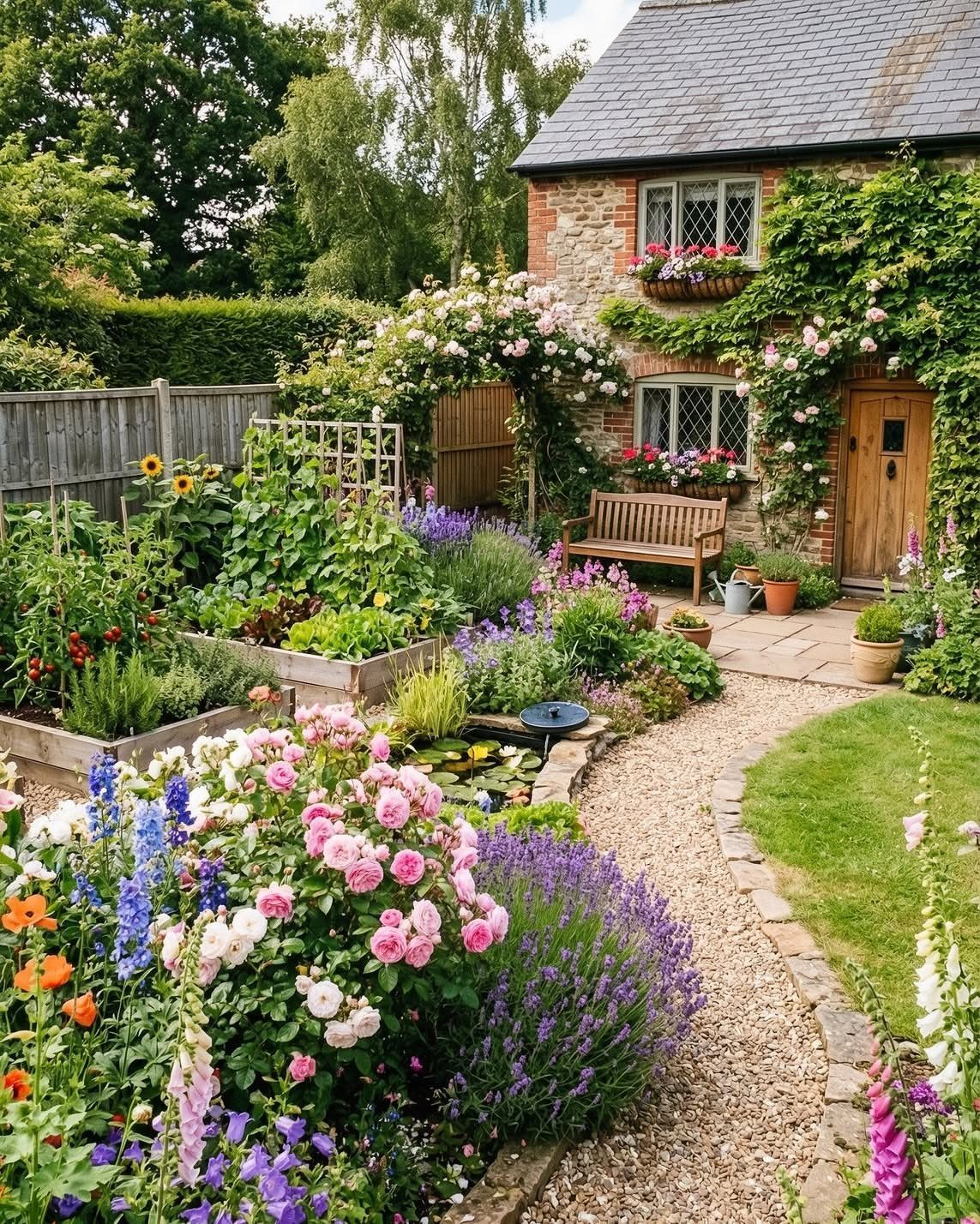
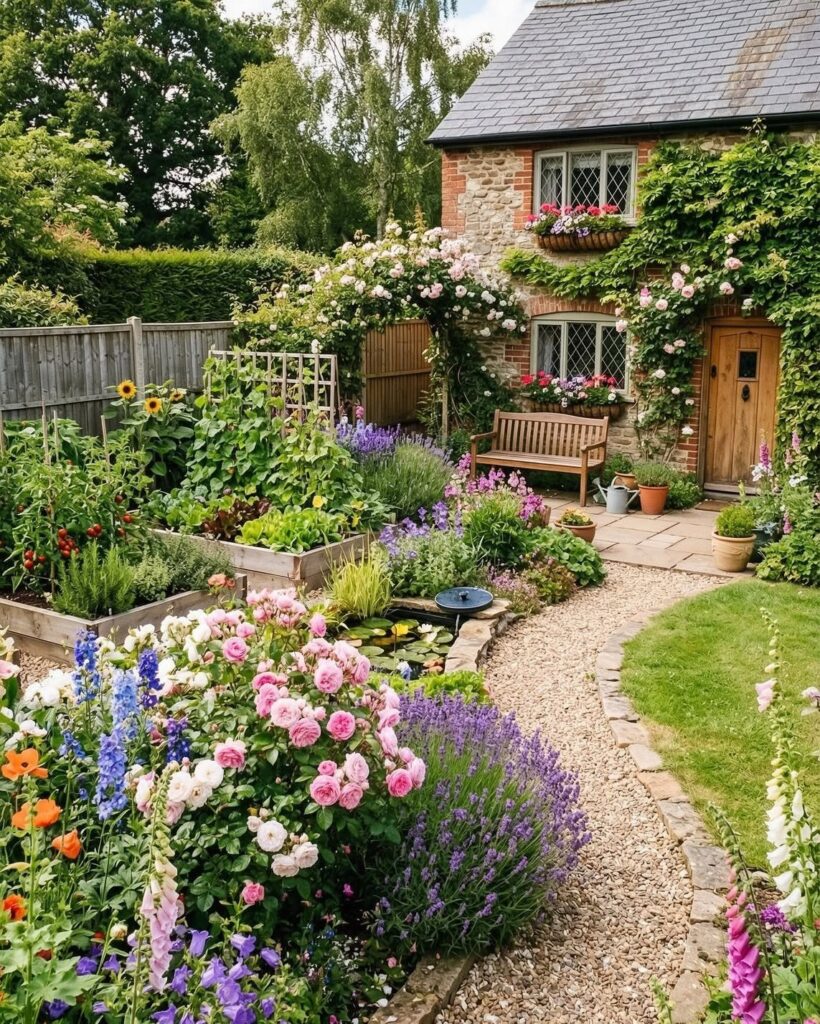
A gravel path that bends instead of running straight reads more like a garden discovery than a sidewalk.
Stone edging keeps gravel from migrating into the beds, which is the first thing I would check: does your soil hold an edge on its own, or do you need that border?
Curves work best when you can see around them; a tight corner behind a shed loses the effect.
I would slope the gravel surface slightly so water runs off, not pools. For a weekend job, packed gravel over landscape fabric is enough; skip the fabric and you will be weeding through the stones by July.

12 pcs Accessory Set: Our fire pit pan burner kit comes with a 4ft extended connection hose and a 4.4ft propane regulator hose, igniter, and valve, all certified by CSA for safety. No need for additional purchases, this comprehensive set is ready to use right out of the box.

✓ PERFECT NO MESS CAMPFIRE: Say goodbye to dirty ash, expensive firewood, and bothersome smoke and enjoy a clean realistic propane campfire. The perfect outdoor centerpiece for camping trips, RV travels, tailgating get-togethers, beach parties, and family evenings on the backyard patio.
12 pcs Accessory Set: Our fire pit pan burner kit comes with a 4ft extended connection hose and a 4.4ft propane regulator hose, igniter, and valve, all certified by CSA for safety. No need for additional purchases, this comprehensive set is ready to use right out of the box.
2. Berm Landscaping
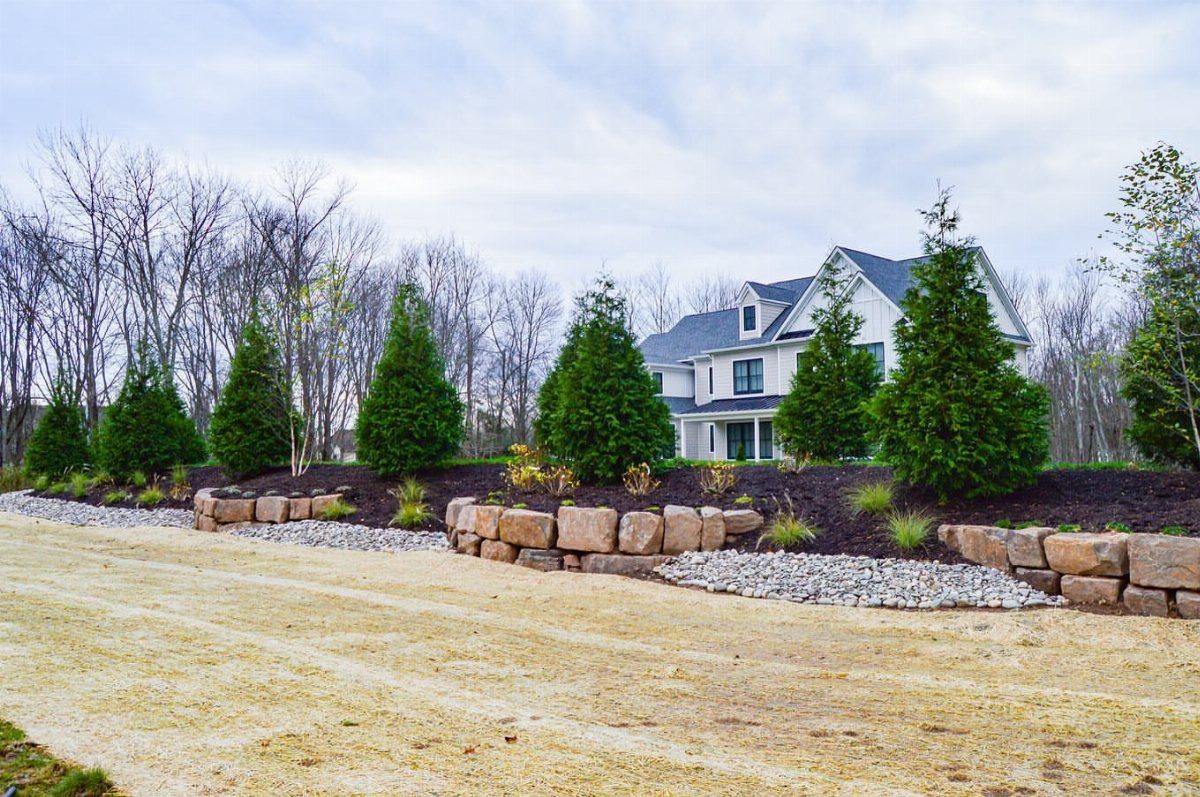
A berm is simply piled earth shaped into a low hill, and it can do a lot for a flat yard. The evergreen planting and stone retaining walls turn a construction leftover into the main view from the house.
I would not build one without knowing where your water goes; a berm that blocks runoff from the foundation is a mistake you cannot unmake.
Dry-stacked stone drains well and forgives some settling if you build a retaining wall into your berm.
If your slope is steeper than 3:1, you need that wall or the soil will slide. Budget for more fill dirt than you think; it settles.

【Increase Heat】Adding Fire glass in fire pit can increase heat radiation up to 4 times. Keep your backyard welcoming and warm on chilly evenings by a fire glass pit. luminescent glow of the fire glass is both enchanting and inviting.

【Perfect Upgrade】 Adds a unique look and gives off more heat than normal lava rock. Lighten up the dark dusty firepit and create a beautiful ambience

【Craftsmanship】Fire glass are finely tumbled and polished to bring unparalleled color.
3. Fire Pit Area
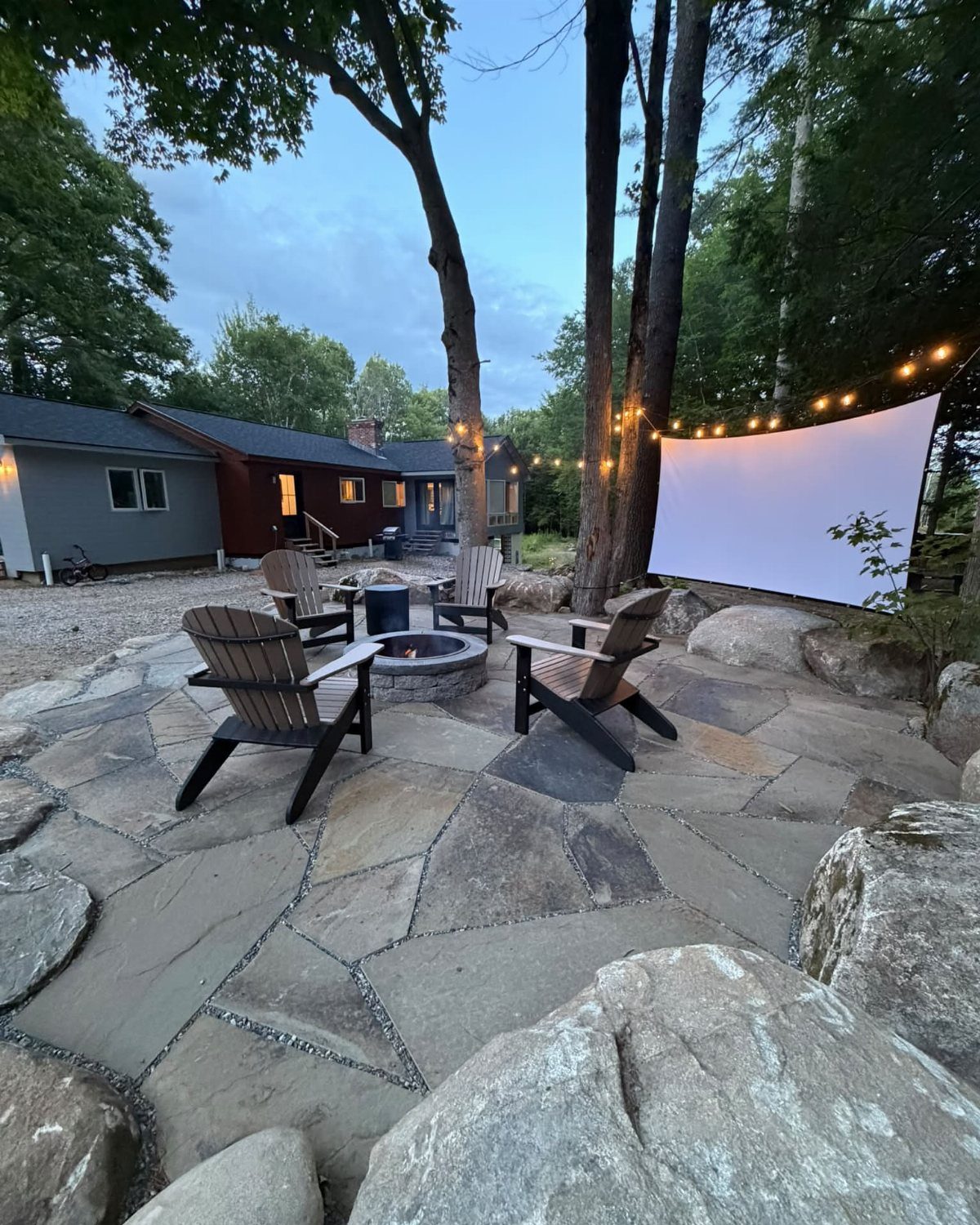
The flagstone patio with boulder seating rings is the version I would copy, not the polished kits. Native stone fits a farmhouse backyard without trying, and low-slung Adirondack chairs are the right shape for staring into flames.
I would check local burn bans and set the pit well away from anything flammable, including low branches overhead. String lights need to stay high enough to stay cool, which matters more than it looks.
The stone fire pit is a fixed build, so factor in a spot you will not mind raking out by hand; ash builds up fast if you burn often. The movie screen is optional; the chairs are not.
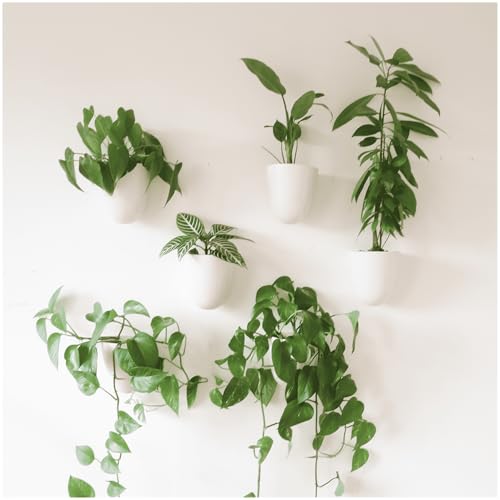
Self-watering system means you can often go weeks without watering plants

Narrow Small Space Solution: Short on ground area but want fresh greenery? This vertical wall mounted planter features an ultra-slim layout (9.8" width, 5.1" depth) tailored to turn awkward blank surfaces, kitchen backsplashes, narrow apartment balcony pillars, and vinyl fences into thriving vertical gardens without taking up floor space.
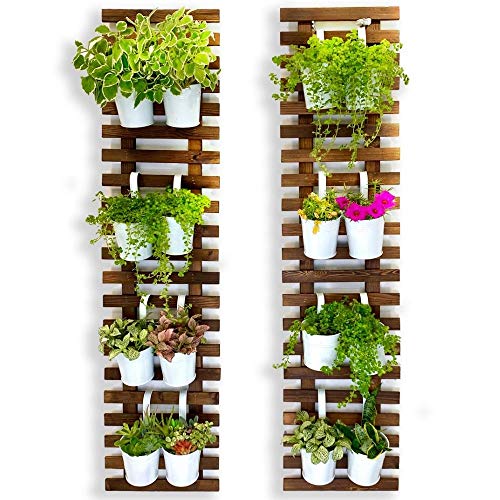
29x120cm (11.4" x 47.2") x 2 pcs. Plants, flowers, pots, decorations are NOT included
4. Herb Gardens
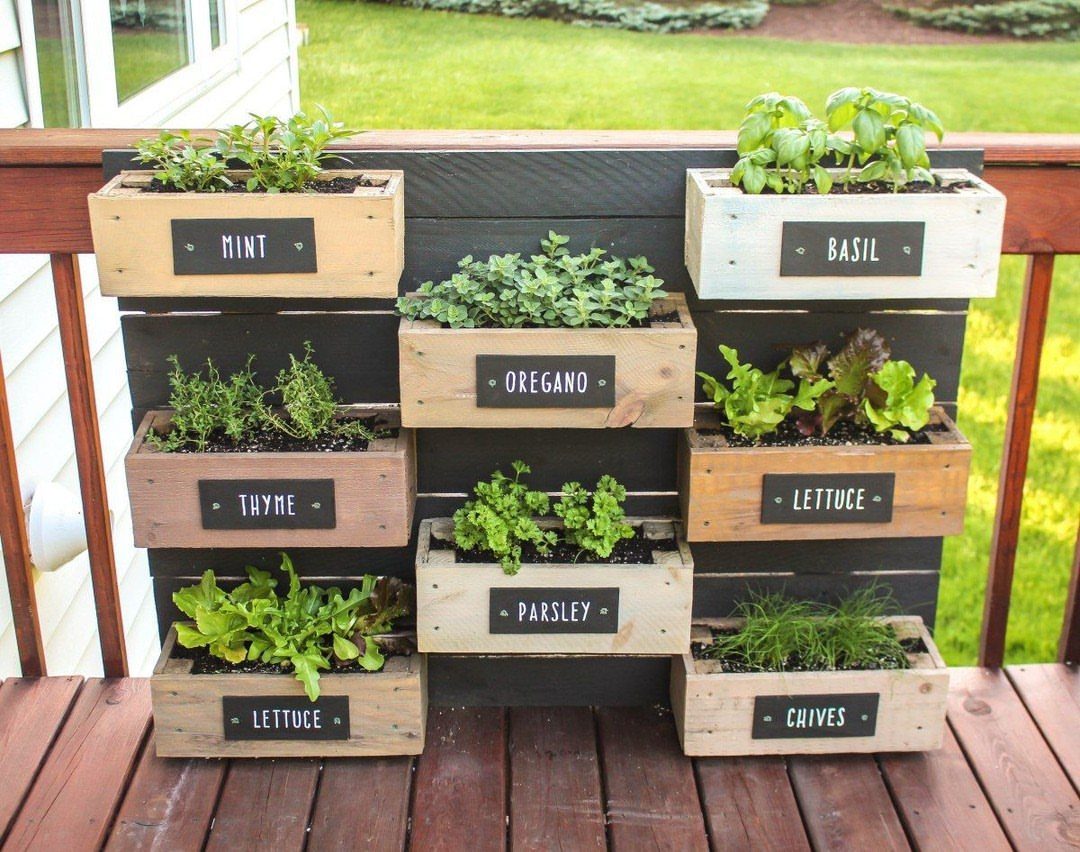
Vertical planters against a fence or wall put herbs at working height and save the back strain of ground-level beds.
Labels are not decoration; without them, I would mistake thyme for oregano every time. Mint needs its own box or it will colonize the others through the drainage holes.
I would face the planters south if possible and check that the fence behind can handle constant moisture; cedar or a solid plastic backing lasts longer than pine.
The boxes look like standard lumber, which gives decent root depth for annual herbs. For perennials like thyme, 8 inches is the minimum.

【Sturdy Fir Wood Construction】This Outdoor Kitchen Grill Cart is crafted from 100% exquisite fir wood, ensuring a heavy-duty structure that offers both natural charm and durability.IF there is any problem, please visit our website: Merax.com or contact us via this email: [email protected]

100% Solid Fir Wood & Stainless Steel Top: Crafted from premium FSC-certified fir wood for natural charm and durability. The 1.2-inch thick 201 stainless steel tabletop provides a spacious 801 sq. inch work area (43.3" x 18.5") that is heat-resistant, rust-proof, and easy to clean—ideal for BBQ prep or pizza oven placement.

[ Modular Outdoor Kitchen Island] Pair with the other size to form a versatile outdoor kitchen island. It has a large 304 stainless steel sink (16.5"×15.7"×6.3") with a 2.71"-high back splash and 6 pre-drilled holes for knives, perfect for washing food and hands.
5. Garden Trellis
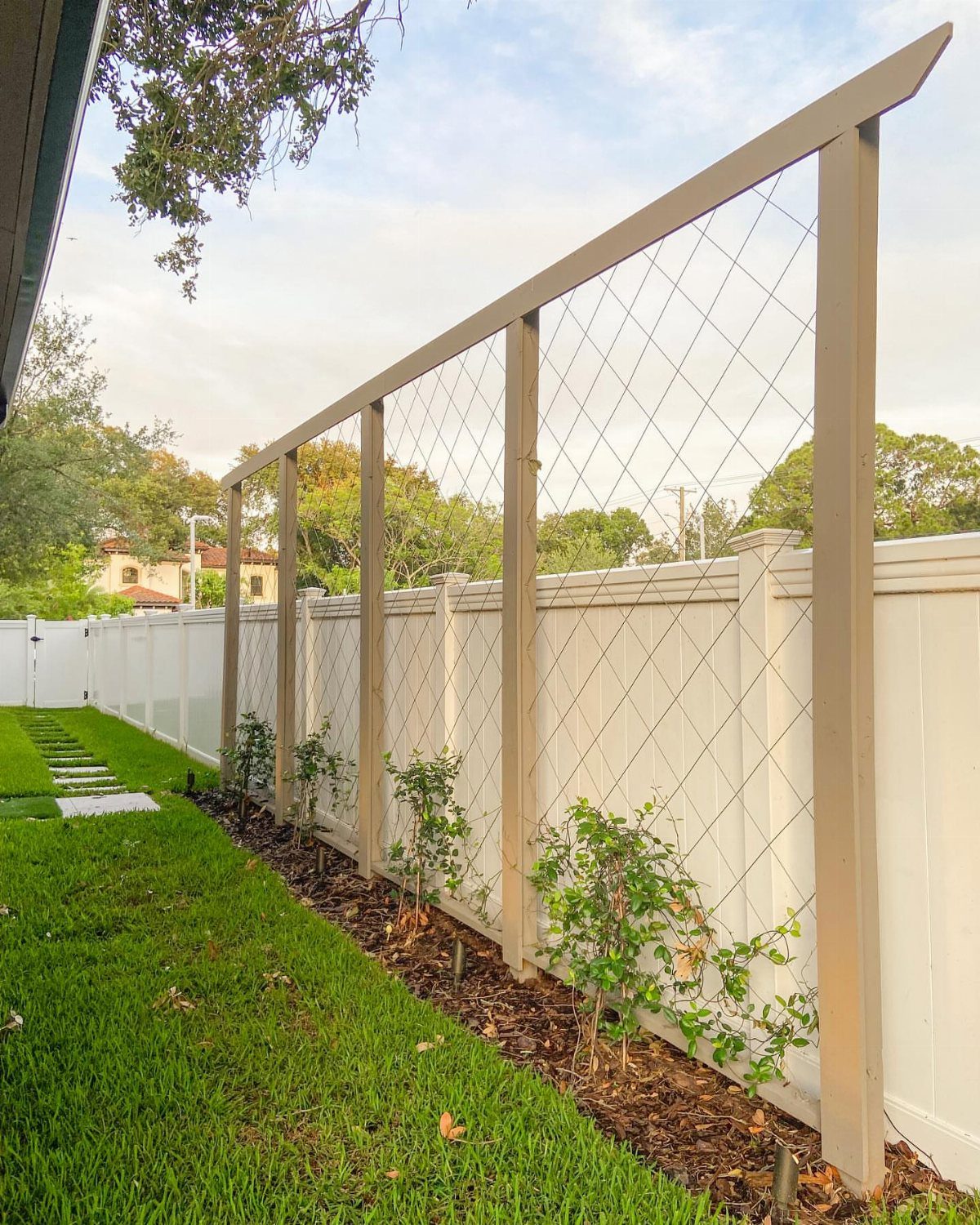
A trellis turns a plain fence into a growing wall, and wire mesh is the right choice for twining vines like clematis or morning glory.
Wood frames warp; the wire carries the load. I would set the trellis clear of the fence so air can move behind the foliage, which cuts down on mildew more than any spray.
A mature vine in full leaf will weigh more than you expect, so anchor the posts deep.
Peas and beans want the reach; tomatoes are better caged. This suits a narrow bed where height matters more than width.

Realistic Faux Stone Texture: Our landscape edging boasts a lifelike stone texture with detailed surface patterns that add depth and a polished look to your outdoor space. It beautifully enhances garden beds, lawns, pathways and flower beds, bringing a natural, decorative touch to any yard.

【Realistic Brick Pattern for Garden Decoration】Featured with vivid brick texture design, this garden edging matches various garden styles perfectly. It can neatly surround flower beds, lawns and vegetable plots, keeping your outdoor space stylish and fresh all year round.

STAYS IN PLACE - Our edging stays securely in place, keeping mulch and other materials from migrating into other areas of your landscape for a pollished look
6. Small Pond
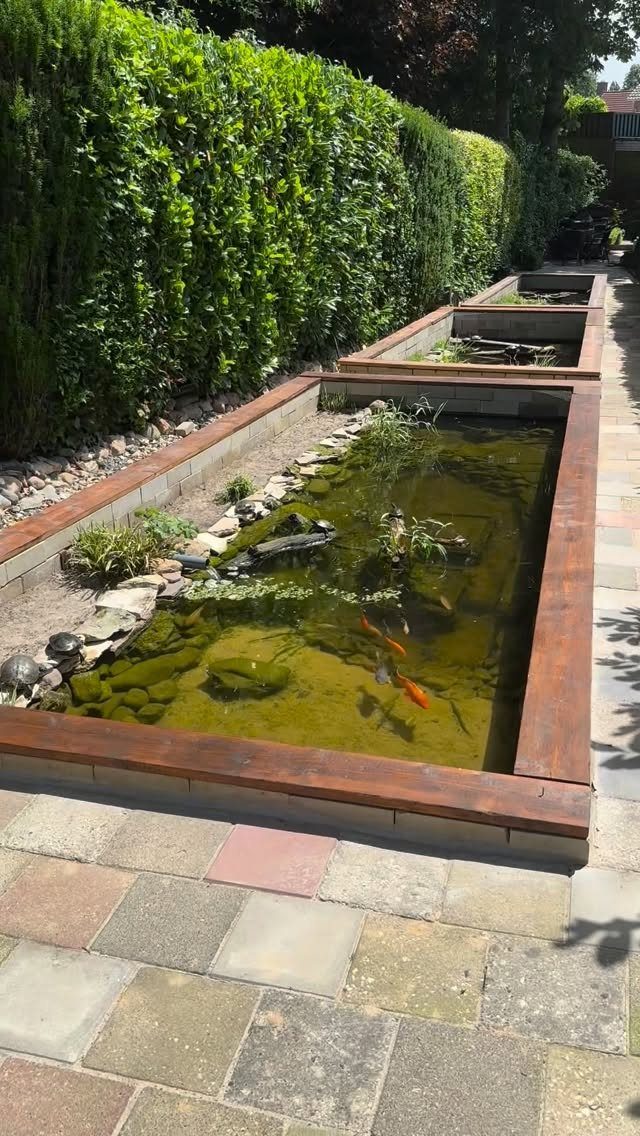
A raised wooden pond sidesteps the digging and the liner problems of in-ground versions. The dark trim hides the waterline, which is a detail I like; light wood shows every splash stain by August.
Goldfish and turtles both need shade for part of the day; a hedge does that job, or you add a floating plant cover.
I would check that the wood is rated for ground contact, not just deck lumber; constant wetting rots standard pine fast.
A small pump for circulation prevents mosquitoes and keeps the water from going stagnant. The depth looks shallow; fish need enough water to overwinter in most zones.

►DIY Fire Pit - 12 inch fire pit ring includes 16 Pcs kits: fire pit round burner, ►propane hose kit includes 4.4ft propane regulator hose and 4ft connect hose, ►fire pit igniter kit includes 1 x stainless mounting plate, 1 x 1/2" shut-off ball valve, 1 x 1/2" air mixer valve, 1 x 1/2" brass adapter, 1 x 1/2" stainless connector, 1 x 1/4 chrome qtr-turn key valve with 3" key, 1 x spark ignitor, 1 x removable mounting plate and spark ignitor wire & ground wire, and screws.

Wanting a Great Patio Party?: Having a patio party is different from an indoor party. Outdoors you need to consider the coldness and a center of attention to gather everyone. A propane fire pit table can provide the atmosphere needed for a great time!(note:1:use soapy water to check for leaks before use 2:The reminder card contains interface size instructions and interface inspection instructions)

Powerful 60,000 BTU Heating: Enjoy efficient warmth on chilly nights with this high-heat 60,000 BTU output Ciays propane fire pit. The durable 304 stainless steel H-burner creates a denser flame pattern for consistent & effective heating. This gas fire pit will elevate your outdoor experience, reliability and safety.
7. Decorative Garden Borders
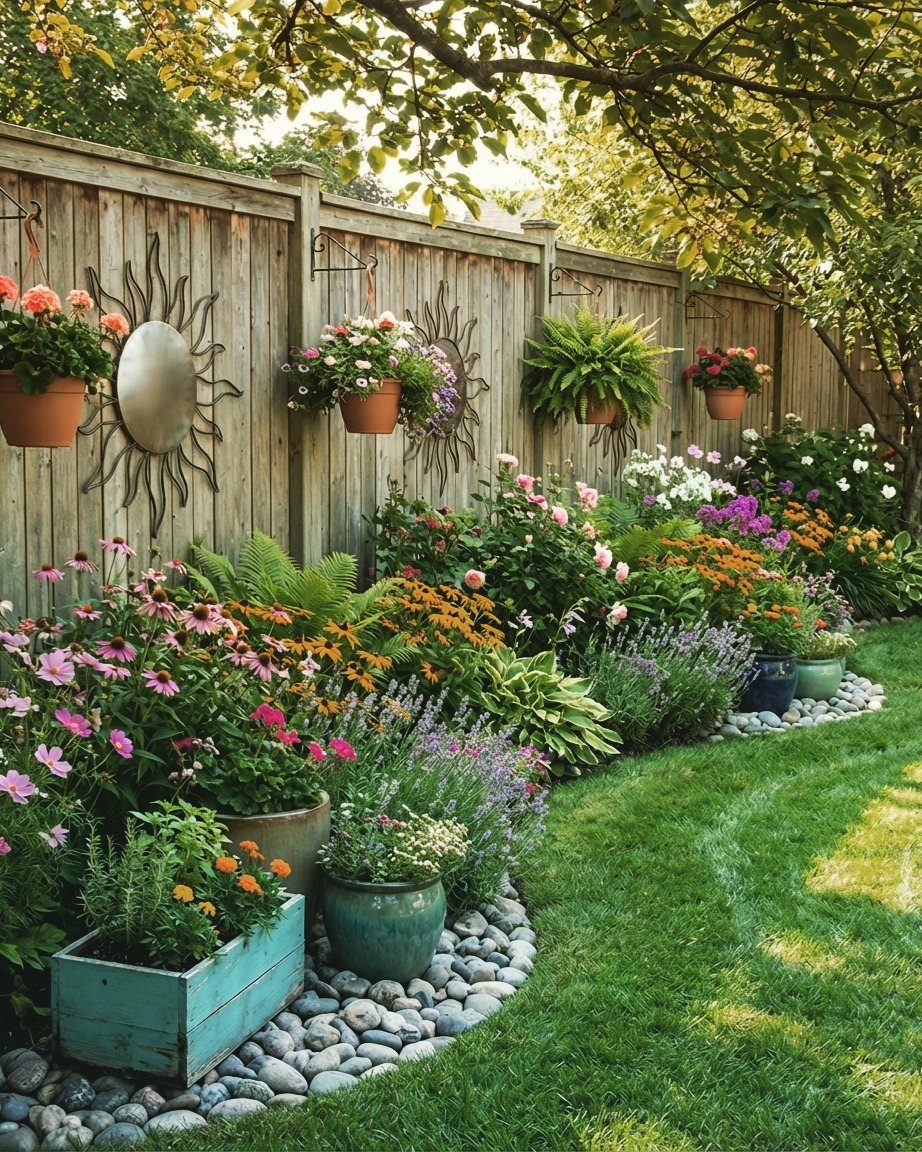
River stone edging buys you a clean line between lawn and bed without the formality of brick or concrete.
Smooth grey stones set partly buried keep them from scattering when the mower passes; I would set them at soil level, not stacked, since stacking tumbles in a season.
Curves need more stones per foot than straight runs, so I would lay out the line with a hose before I buy.
The stones do not stop roots; for that, you need a strip of edging buried below the frost line so it stays put.

Upgraded Tempered Fireglass: Heat-treated for up to 2000°F. Resists melting, cracking & deformation. Clean-burning – no smoke, soot, or odor. Upgraded tempering enhances crack resistance for durability. Smooth, rounded edges – no cutting risk

【Perfect Upgrade】 Awesome alternative of the normal lava rock, giving off more heat adding unique look to your fire pit

FIRE GLASS : adds a unique veneer of brilliance to any common fire pit. 10-Pound, 3/4 Inch Fire Glass Drops, Amber Luster
8. Outdoor Kitchen
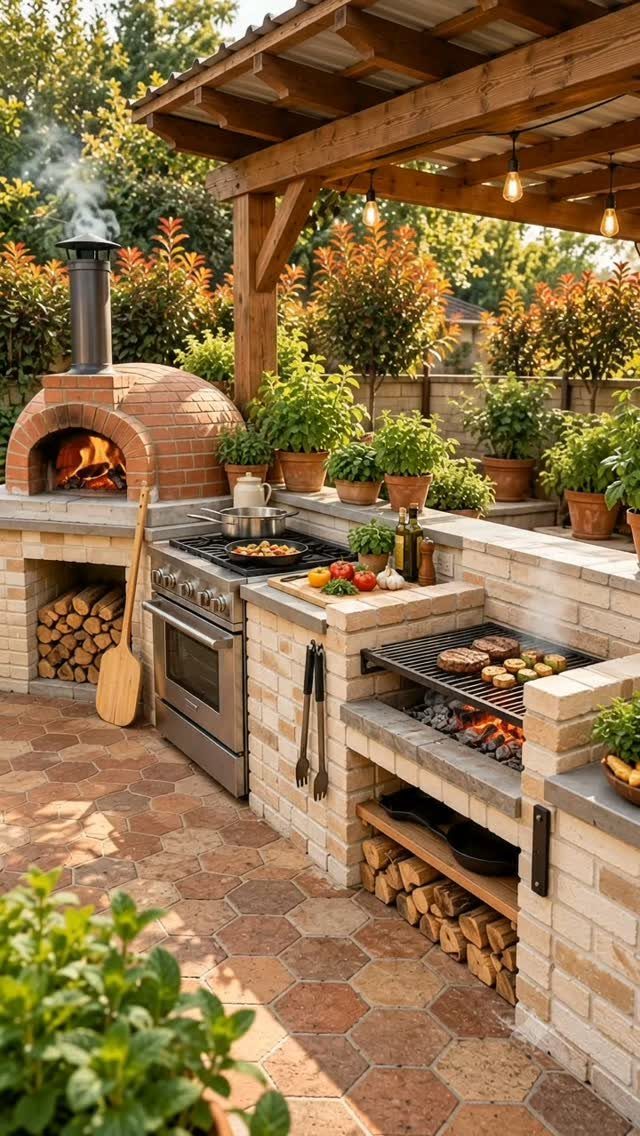
The open-fire setup beside it gives you 2 heat zones, which matters when you are cooking for a crowd and everything finishes at different times.
I would check whether your local code counts this as an outdoor fireplace; some jurisdictions want a permit for permanent masonry.
The pergola overhead needs to stay high enough that smoke clears, or you will be eating it with dinner. Stacked firewood doubles as visual weight; I would keep a day’s worth handy and store the rest dry.

【36 Pocket Vertical Garden】Features 36 individual planting pockets, allowing you to grow herbs, flowers, succulents, strawberries, vegetables, and other plants while maximizing vertical space.

Innovative Space-saving Design: maximize your gardening potential with our stackable wall planter system; Each piece measures 9.45" x 5.71" x 5.51" and features two pockets, The overall dimensions are 47.5"x33"x5.5" offering ample growth space for a variety of plants; Nice for Fence Balcony Wall Decor, these vertical wall planters change limited spaces into gardens effortlessly

4 Tiered Hanging Herb Garden Set: the package includes 1 piece of 4 tiered hanging vertical planter shelf, suitable for decorating kitchens, living rooms, offices, balconies and other places, and 16 pieces of plants pots, ideal for growing herbs, cacti, and so on; Please note that we provide you with non marking nails and hooks for easy hanging
9. Outdoor Living Room
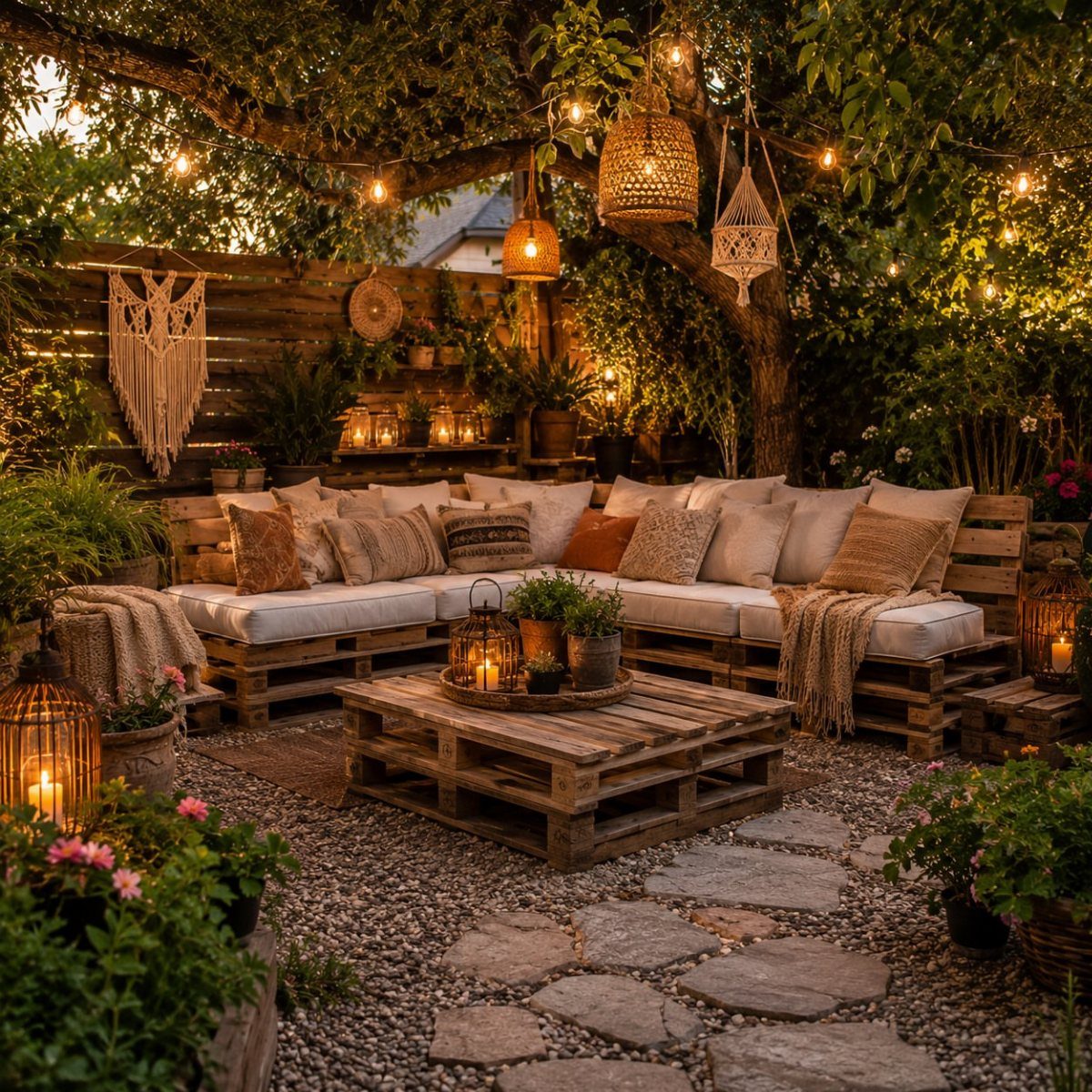
I would sand every surface until it feels smooth to a palm; splinters find the one spot you missed. The stone path keeps mud off the cushions, which is not a detail you notice until it rains.
I would skip the hanging lanterns unless you have a branch or beam that can take the weight; a shepherd’s hook in soft ground tips.

【Smart Functional Design】This outdoor BBQ cart includes multiple thoughtful design details: a towel rack on the left side, a spice rack on the right, and a foldable hanging trash bin for easy cleanup. Outdoor kitchen cabinet features 2 pipe holes and you can cut the pipe holes as needed to allow the gas pipe to pass through. Equipped with four 360° swivel wheels, including two lockable casters, it is easy to move and securely position

Exceptional Multi-Functionality: This outdoor kitchen island functions as a grill cart, outdoor table with storage, outdoor bar, serving cart, food prep station, or pizza oven stand. Its sturdy construction makes it suitable for the patio, backyard, garage, or even indoor kitchen use

HEAVY-DUTY FARMHOUSE CONSTRUCTION FOR DURABLE OUTDOOR USE: This outdoor kitchen island is expertly crafted from 100% natural fir wood with minimal chemical coatings, offering skin-friendly texture and timeless rustic charm that elevates any backyard space. The 1.2-inch thick 201 stainless steel tabletop of this outdoor grill table is scratch-resistant, heat-resistant, and incredibly easy to wipe clean after messy barbecues. With a robust 400LBS tabletop weight capacity, this grill cart safely supports full-size gas grills, pizza ovens, and all your cooking essentials for years of reliable use.
10. Wildflower Borders
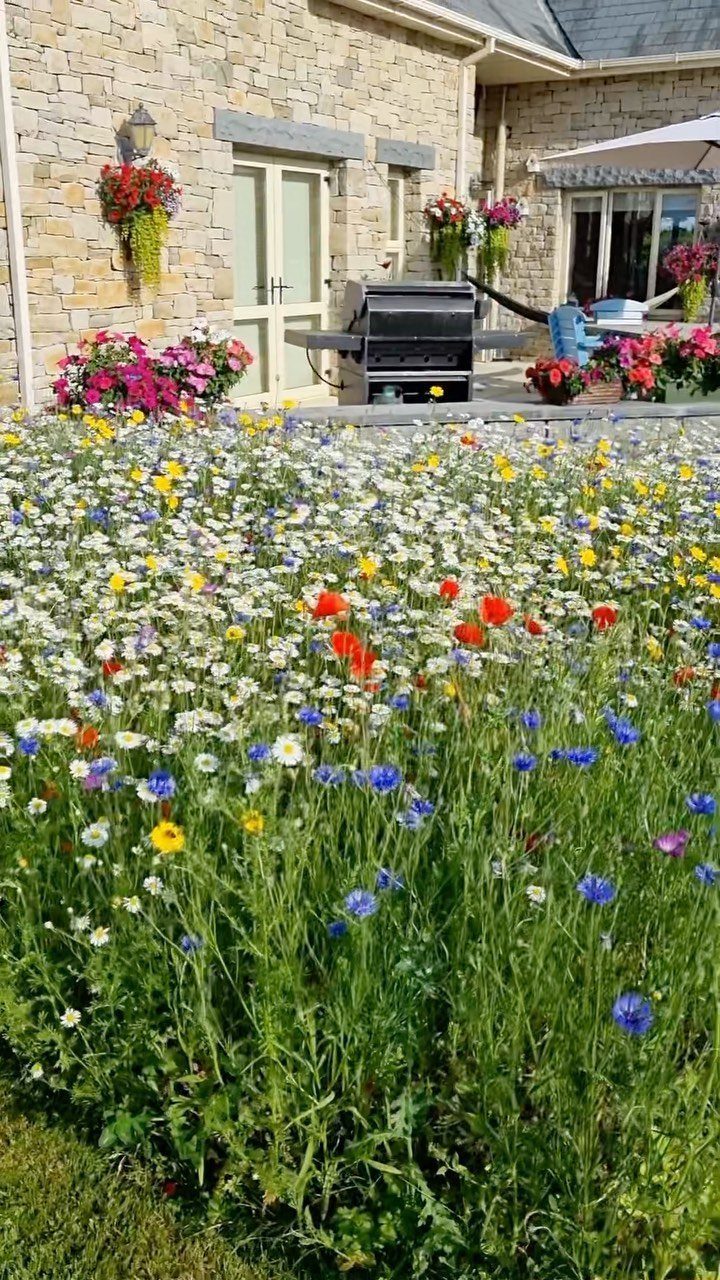
A mix of daisies, cornflowers, and poppies gives you succession bloom without the planning a perennial bed demands; each species self-seeds when it finishes.
I would sow on bare soil scratched loose, not into turf; grass wins that fight every time.
Most mixes need full sun and will look thin in shade. The first year can disappoint; these plants spend energy below ground before they show off.

Realistic Stone Look Edging: Imitation stone design adds elegant curb appeal without the weight or cost of real rocks. Blends naturally into any garden

STAYS IN PLACE - Our edging stays securely in place, keeping mulch and other materials from migrating into other areas of your landscape for a pollished look

STAYS IN PLACE - Our edging stays securely in place, keeping mulch and other materials from migrating into other areas of your landscape for a pollished look
11. Outdoor Art Installations
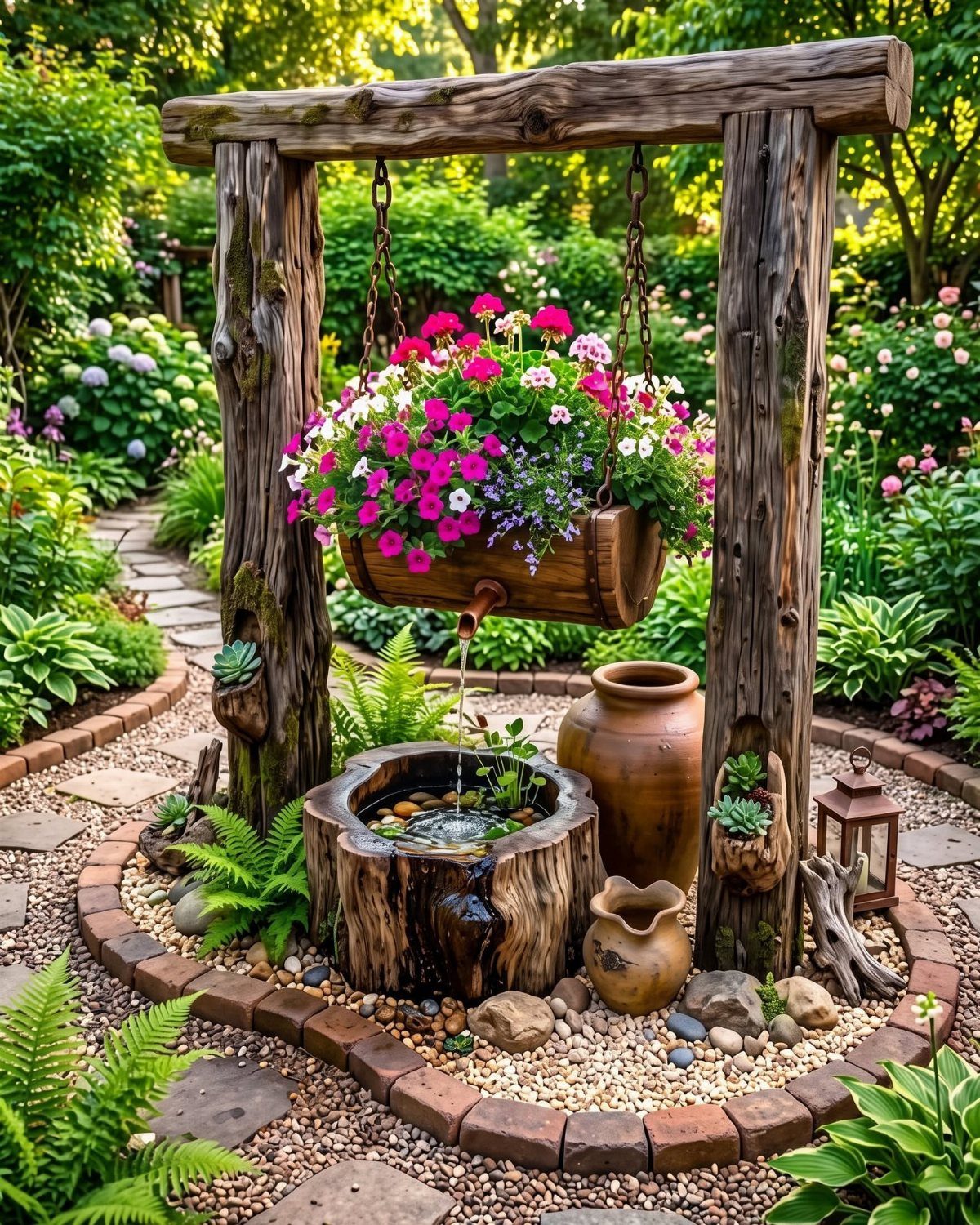
A water feature built from found wood and a planter spout turns salvage into focal point, which suits a farmhouse yard better than anything bought in a box.
The hollowed log basin needs to hold water; I would line it with pond epoxy or a flexible liner cut to fit, since end grain drinks water like a straw.
The trickle sound comes from height and a small pump, sized modestly for this scale. I would set it on gravel, not grass; splashing mud stains the wood and breeds mosquitoes in the lawn.
12. Natural Stone Pathways
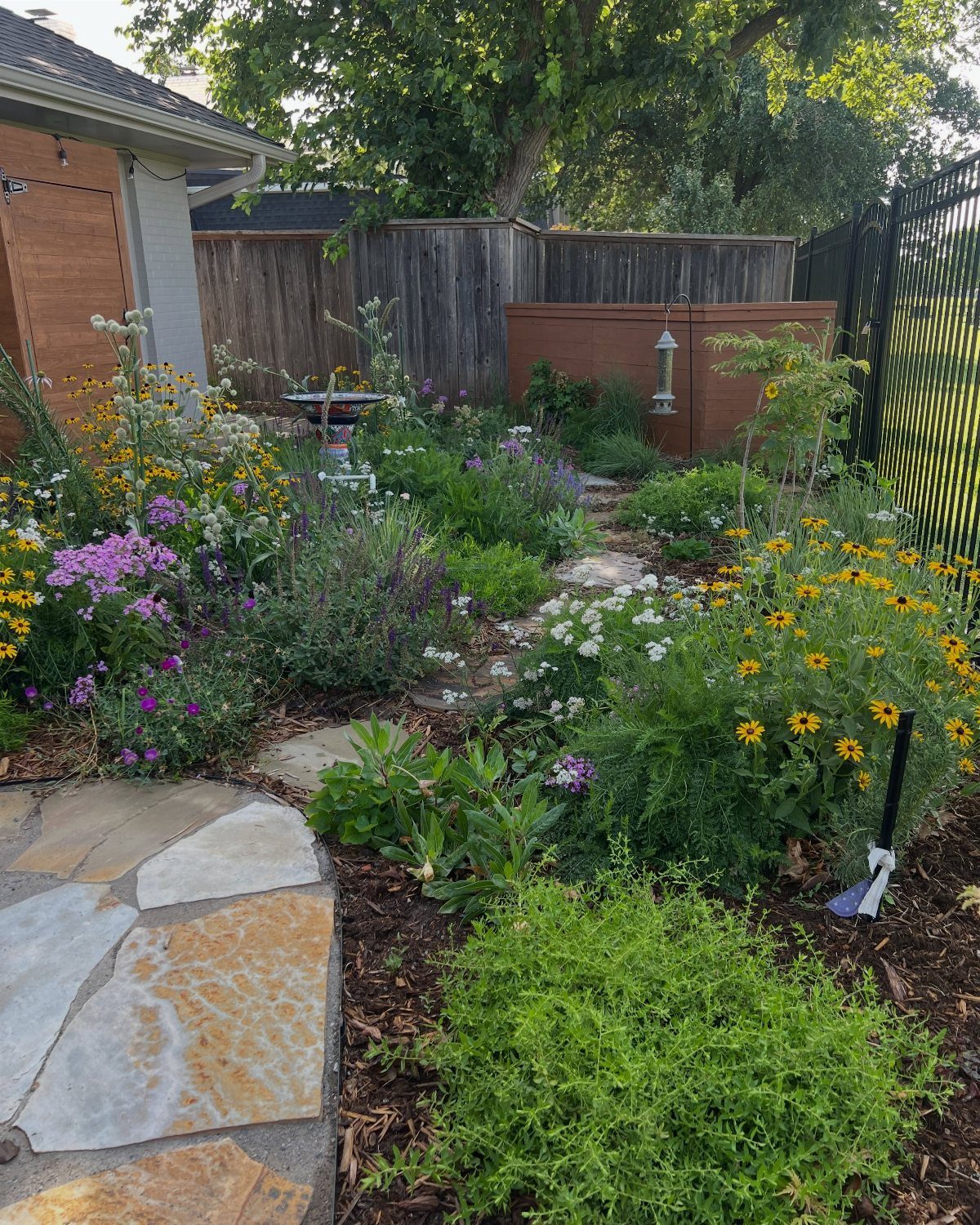
Flagstone laid in mulch, not mortar, lets you adjust the path as plants spread and the garden changes.
Irregular shapes sit close enough to walk without looking down; I would keep gaps tight or fill them with creeping thyme. A birdbath beside the path gives you a destination, which makes the walk feel planned rather than leftover.
The stone needs to sit slightly above grade so it does not disappear into the mulch by fall. I would not use limestone where soil is already acidic; it breaks down faster there.
13. Hammock or Swinging Bed
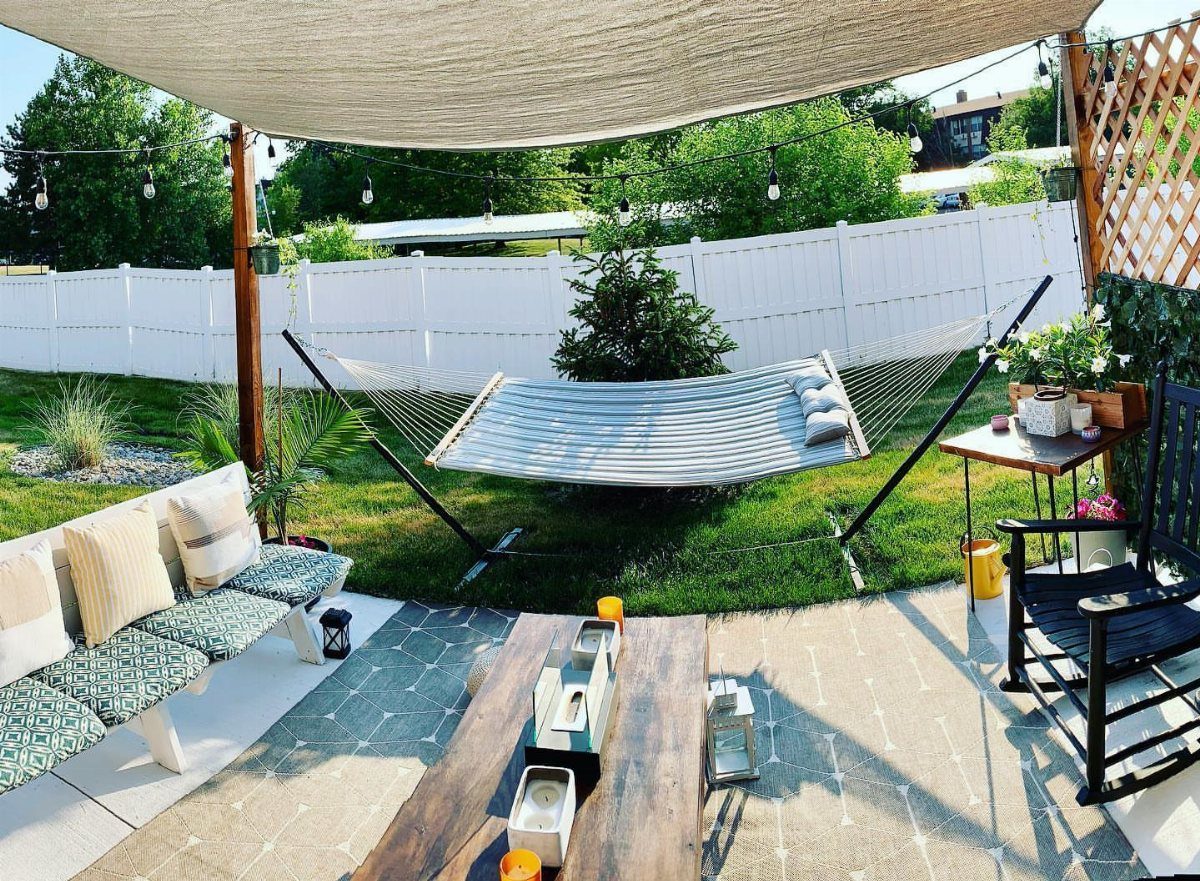
A freestanding hammock needs no tree to swing from, which matters when your backyard is fence and lawn.
The metal frame in grass wants level ground or it will rock; I would check for dips before I set it up, not after.
2 stands are sold: arc styles spread the load and stay put better than the straight-legged kind.
Fabric tension matters more than pattern; a too-tight sling curls you like a taco. I would keep it open to breeze and shade, not tucked against a hedge where mildew sets into the weave.
14. Shade Structures
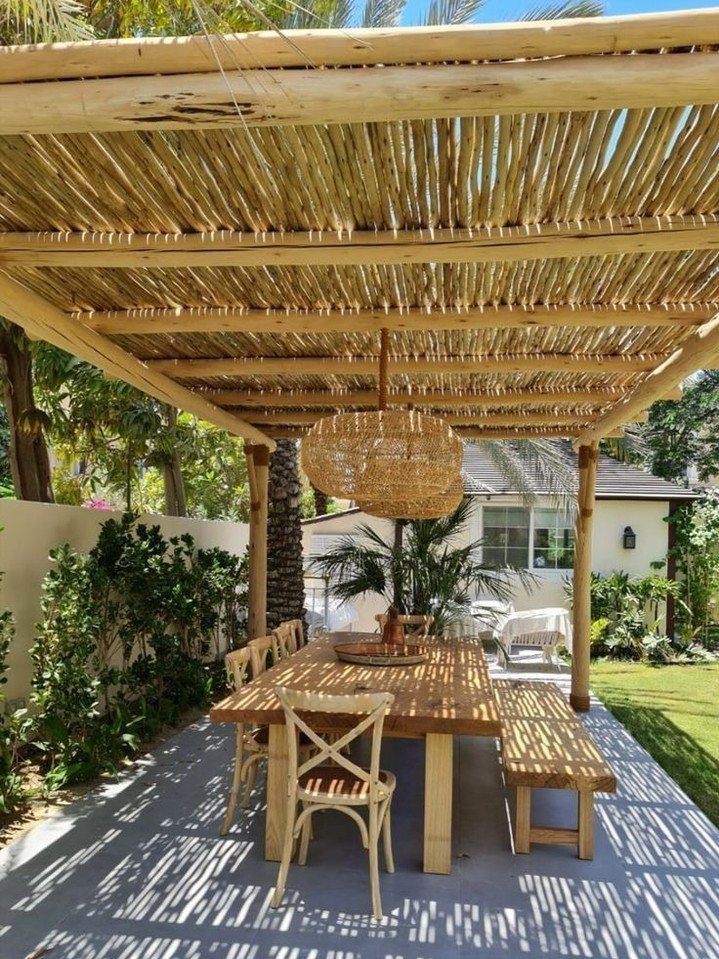
A pole-built pergola with reed matting overhead filters sun without blocking it entirely, which I prefer to a solid roof that turns July into an oven.
The gap spacing sets the shade; tighter weave, cooler sit, but you lose the dapple. Log poles last longer if they are cedar or pressure-treated; standard pine posts rot at ground level in 3 seasons.
The reed will need replacing every 2–3 years depending on your humidity. I would check that the footprint sits clear of the main traffic path, or every meal becomes a detour around a chair back.
15. Chicken Coop
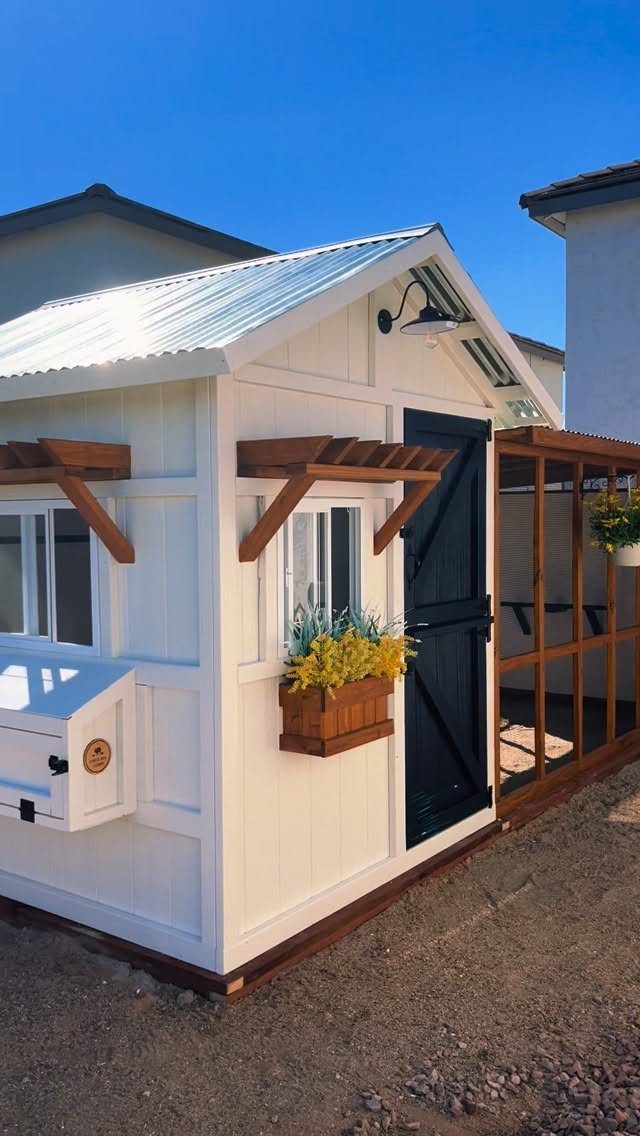
A painted coop with a window box softens the utilitarian look, though the flowers are for you, not the birds.
The metal roof sheds rain and summer heat better than shingles; I would slope it steep enough that water runs, not drips through gaps.
A run attached to the coop saves you building twice, but count your hens: tight quarters mean pecking and smell indoors, and the run gets just as rank if you crowd it.
The planter box needs drainage holes; wet rot at the sill spreads fast.
16. Outdoor Dining Area
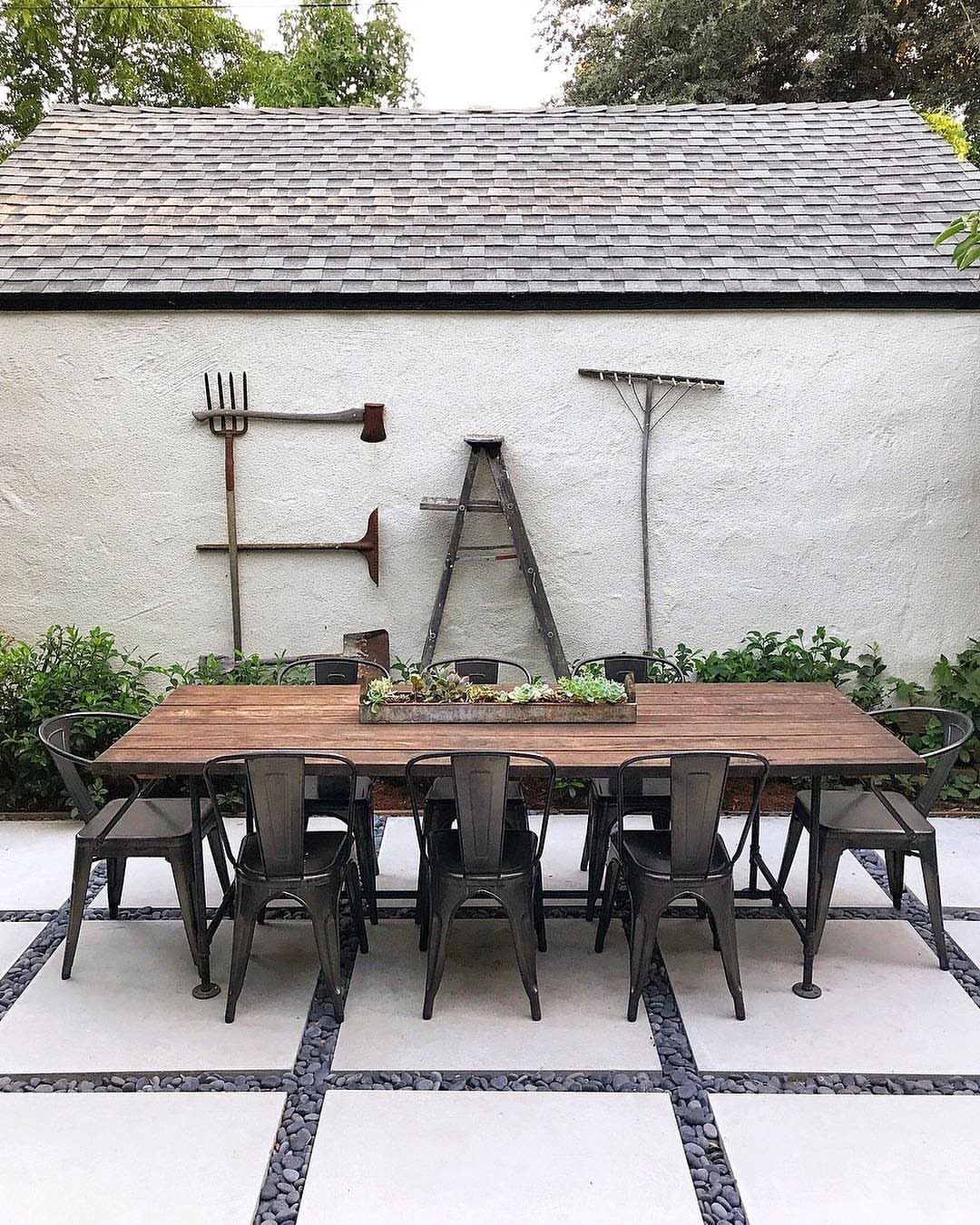
Tool-and-ladder wall lettering turns storage into sign, which costs nothing extra if you already own the pieces.
I would hang metal rather than wood; rust reads farmhouse, rot reads neglect. The dining set itself is where to spend: a hardwood top with metal legs weathers better than all-wood in rain.
Tile underfoot drains and cleans easier than pavers, though it is harder on dropped glass. I would set the table length to your usual crowd, not your maximum once-a-year crowd; an overlong table kills conversation.
17. Fresh Flower Gardens
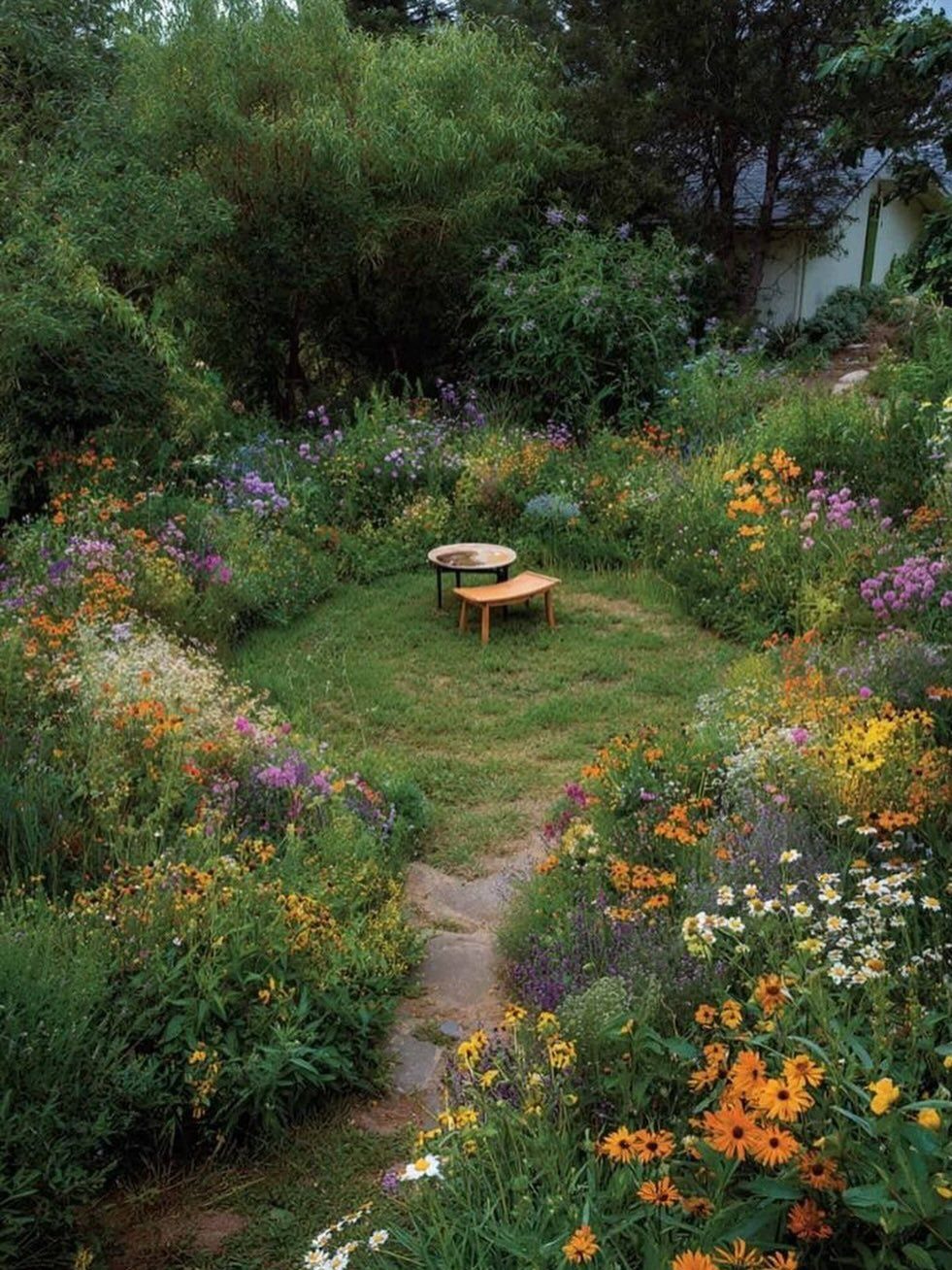
A bench placed inside the flower beds, not facing them, puts you inside the color instead of looking at it from lawn distance.
A stone path needs to stay above soil level or it buries in mulch by season’s end; I would edge it with strip stone to hold the line.
Wildflower mixes vary wildly; single-species packets of coreopsis or black-eyed Susan give you the same palette with less chance of a dud. The first year demands patience; most color comes in year 2 when roots are established.
18. Garden Vignettes
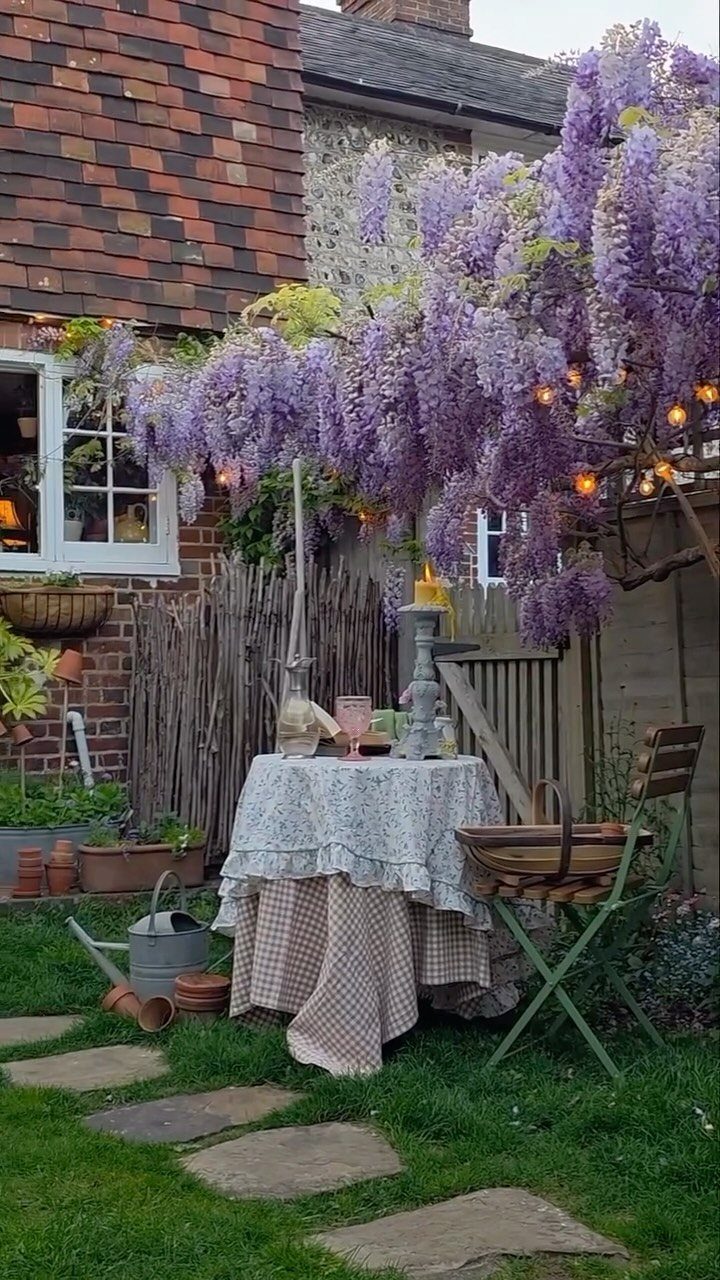
A cloth-covered table under wisteria creates a room where none existed, defined by height and bloom rather than walls.
Layered tablecloths add weight against breeze; I would anchor the top layer with a tray or the candle will not stay lit. Terracotta dries out fast; for show, not for planting anything you mean to keep.
I would place this where the vine drips petals, not sap, or the cloth stains by June. The chair needs to sit on something flat; a rattan leg in soft ground tilts by August.
Practical Landscaping Tips
Start with your site, not your seed order.
Walking the yard morning and evening shows where the sun lingers and where puddles stick around; matching the plant to that spot does more to cut your workload than anything you can do after it goes in the ground.
A sharp spade edge between bed and lawn needs only a quick pass with a line trimmer to stay neat, and it beats plastic edging that I would never install in a farmhouse setting; that manufactured strip clashes with every rustic element around it.
For structure, I would think in the off-season about how people move through the space, not what blooms in April. An Adirondack chair or an oak barrel fits without trying; sleek modern pieces would fight the house.
Local stone and native plants do the same work of belonging. Massed ground cover, not bare mulch, is my choice for weed control; I would plant Carex or Liriope thick enough to leave no room for weeds to take hold.
Seasonal Landscaping Ideas
Evergreens carry a farmhouse yard through the months when nothing else performs. I would plant boxwood, holly, or juniper where the house needs winter bones; a yard that goes silent in November looks forgotten, not restful.
A fresh mulch layer in late fall protects roots and gives the beds a kept look even under snow.
For summer color, Annabelle hydrangea and Endless Summer hydrangea both suit farmhouse settings with the right light; Sensation lilac and spirea give you early structure before the perennials fill in.
Fountain grass moves with the wind and dries well into fall. I would skip any plant that needs fussing to survive your actual soil and sun; a thriving native dogwood beats a struggling import every time.
Winter decorations extend the season without planting anything. Wooden planters with winter greenery or a pine cone wreath on an outbuilding door are inexpensive and read as farmhouse, not holiday kitsch.
I would refresh mulch annually; tired, faded mulch is the detail that makes a whole yard look neglected.
Maintenance Advice
Mass planting is my replacement for weekend weeding.
A carpet of Carex or Liriope denies weeds the light they need, and it reads refined rather than wild. Topdressing with compost helps, but I would not rely on it alone; living mulch does the work while you are inside.
The same principle applies to hardscape: local stone or weathered wood fits the farmhouse theme, and I would pass on anything that looks like it came from a condo patio.
Plant selection matters more than plant care. Wet soil means a different palette than dry, and a shade plant in sun will demand water and still sulk.
Checking whether a plant wants sun or shade, wet feet or dry ground before I buy beats every trick for keeping it alive later; once it is in the right spot, it mostly handles itself.
Structure comes first, plant color second; a well-placed bench or an old oak barrel gives the garden its shape even before anything blooms.
Frequently Asked Questions
What are some creative landscaping ideas for a farmhouse?
Natural materials and cozy seating areas carry most of the work. I would use local stone for paths and native plants that belong in your climate, since they need less care and look like they grew there.
Massed ground cover such as Carex or Liriope handles weed control without plastic edging that clashes with rustic elements. A fire pit ringed with found boulders and low-slung chairs gives you a gathering spot that fits without looking designed.
What are some new backyard ideas for 2026?
Multifunctional spaces that balance looks with use are the direction for 2026, treating yards as outdoor rooms with distinct zones for sitting, cooking, and growing.
I would add a raised wooden pond or a small open-fire cooking setup, both of which work on a weekend timeline and real budget. The emphasis is on comfort and charm rather than new materials or technology.