At home gardening on this list runs from a DIY bottle drip watering system on a windowsill to a full rooftop container setup with repurposed bucket planters and vertical gardening for tight spaces.
What decides which idea is yours is how much space you actually have, whether that is a rental balcony with weight limits for container gardening, a small backyard for prepared garden beds, or nothing but indoor counter space for seedlings under a grow light.
The proof that this list is built for real budgets and weekends, not showroom displays, is the half-strength liquid fertilizer feed for seedlings and the basic gardening tools I would pick before any gadget.
[link-whisper-related-posts]1. Prepare Your Garden Beds
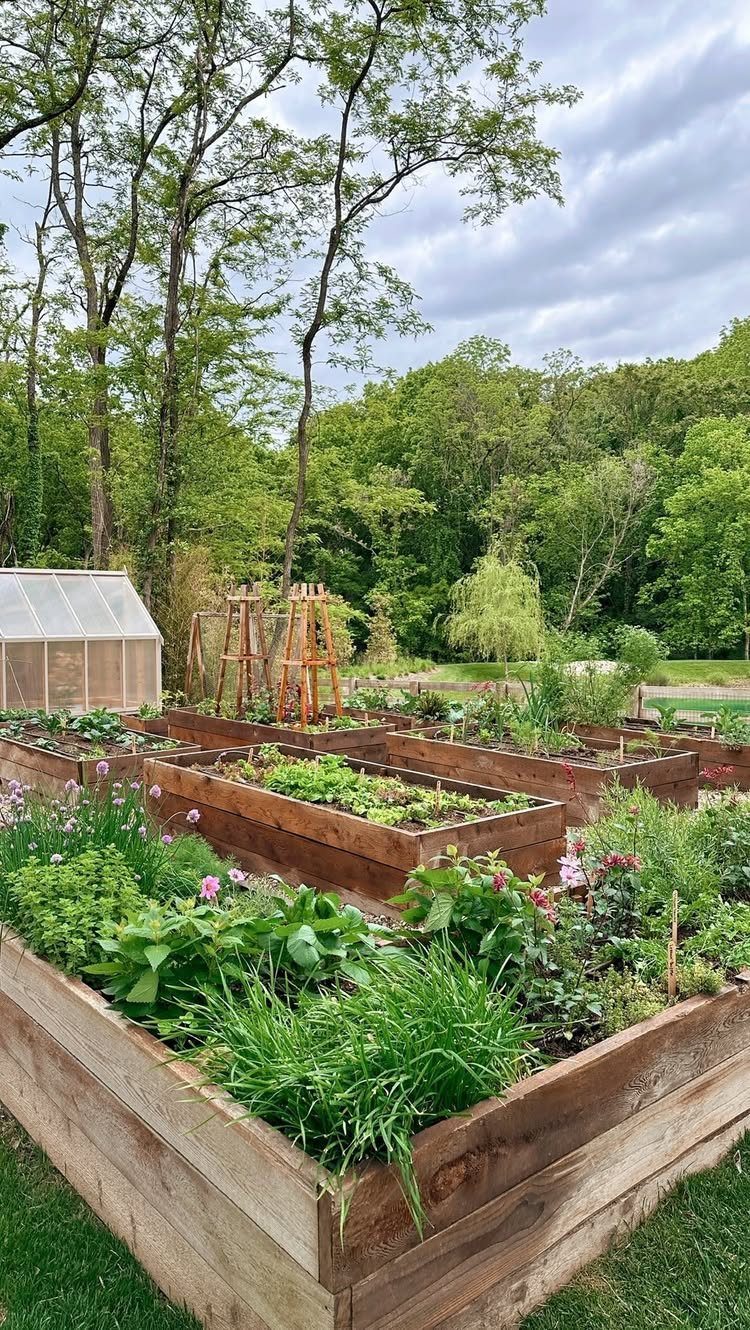
Raised beds warm faster in spring and drain better than ground-level soil, which matters if your backyard holds water after rain.
Cedar or fir frames at this height work for vegetables with shallow roots like lettuce or herbs. Deeper beds suit tomatoes and carrots but cost more in soil to fill.
I would check how much sun the spot gets before placing them; a bed against that tree line probably sees partial shade by afternoon, which works for greens but not for peppers.
Leave about 2 feet between beds for a wheelbarrow or your knees.

Generous Planting Space: Ample bed space provides your plants and vegetables with room to thrive, promoting healthy growth and robust yields.
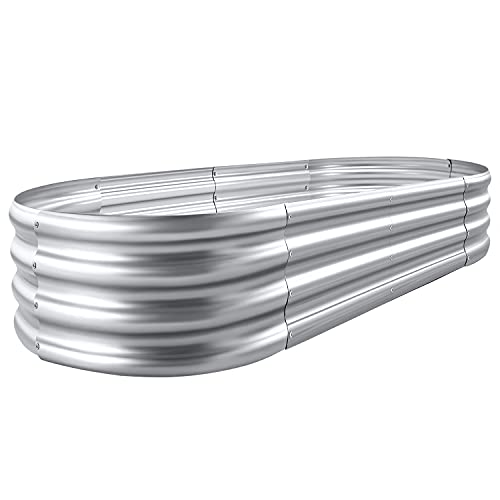
Each raised metal garden bed size: 4×2×1ft ,7.14Cu

Ergonomic Height: Standing at 30 inches tall, it reduces strain from bending and kneeling, promoting more comfortable gardening.
2. Enjoy Your Harvest
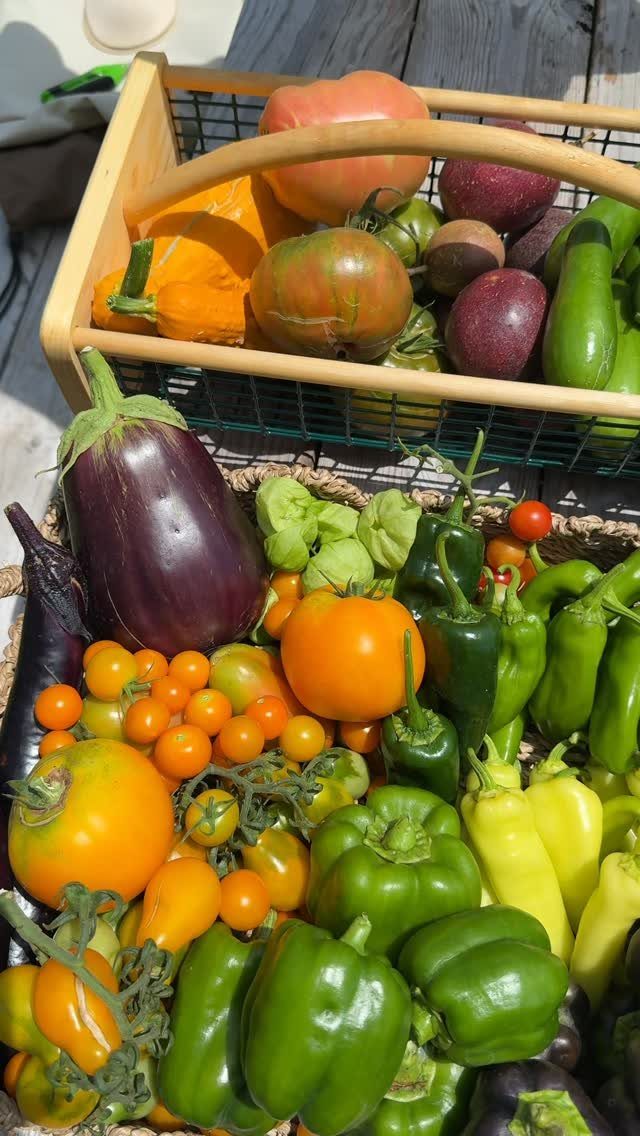
A harvest this heavy means succession planting: sowing the same crop every 2 to 3 weeks so everything does not ripen at once. Mixing peppers and eggplant alongside tomatoes also spreads risk; if one crop fails, something else still produces.
I would pick a warm, dry morning for picking so fruit comes off cleanly and does not bruise.
I would carry about this much in one trip rather than overload and squash the bottom layer. Eat or process the soft-skinned tomatoes first; winter squash and thick peppers can wait on a counter.

🍅【PREMIUM MATERIAL】Fabric raised garden bed is made of premium quality thickened non-woven fabric, designed with reinforced stitching, which is reusable and durable for long time use. With the plant grow bags, your plants will grow well in your balconies, backyards, terrance or patios.

High-Quality PE Material with Drainage Hole: Crafted from durable and flexible PE material, these grow bags are built to withstand outdoor conditions without cracking. The bottom drainage hole provides essential airflow to roots and prevent overwatering and root rot, ensuring your plants thrive in a well-aerated environment.

🪴 METAL POTS FOR PLANTS, INDOORS OR OUT: Rustic planters and galvanized flower pots for herbs, succulents, and blooms — with easy-carry handles for a porch, patio, shelf, or tabletop centerpiece.
3. Garden Journal
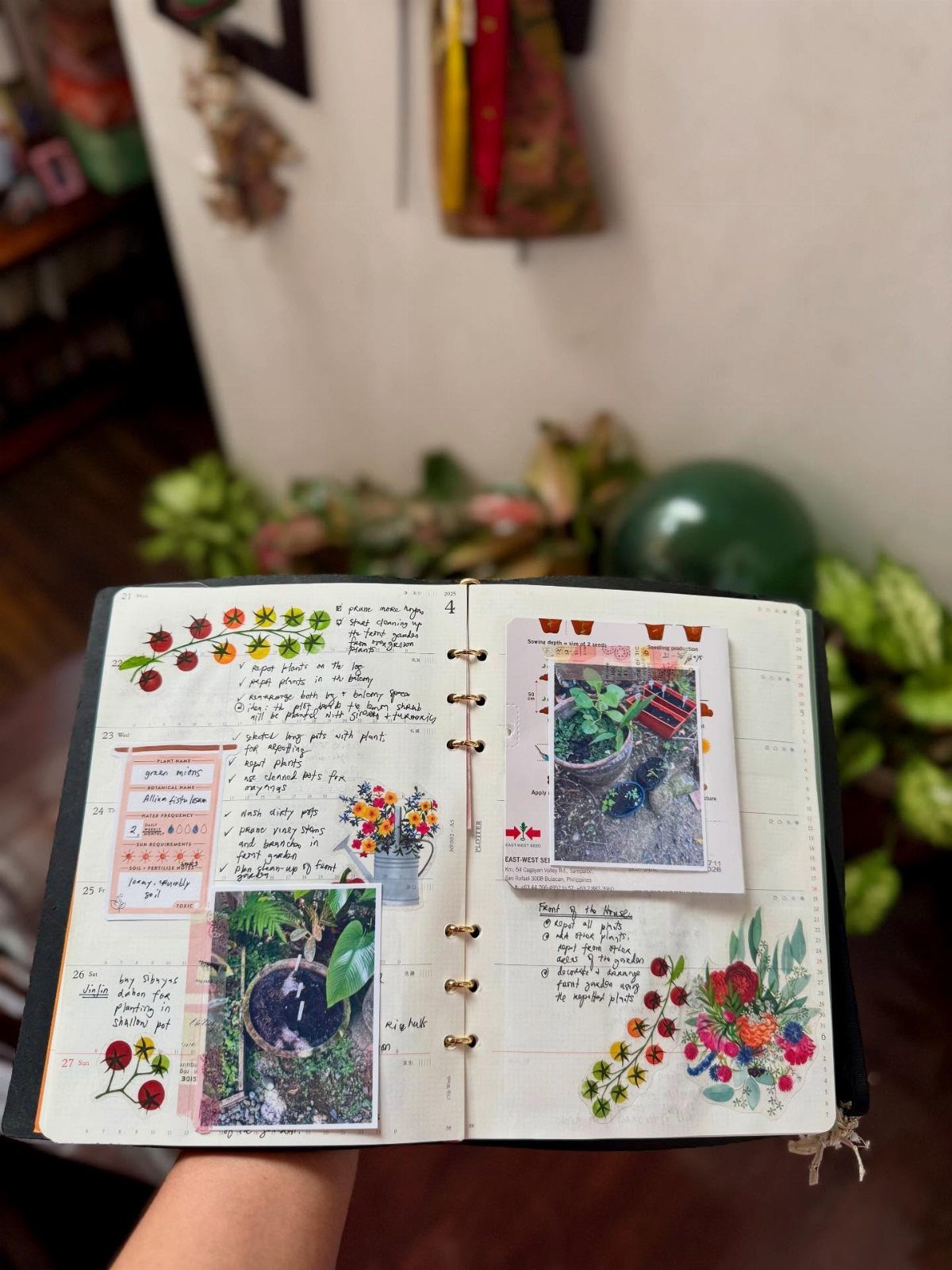
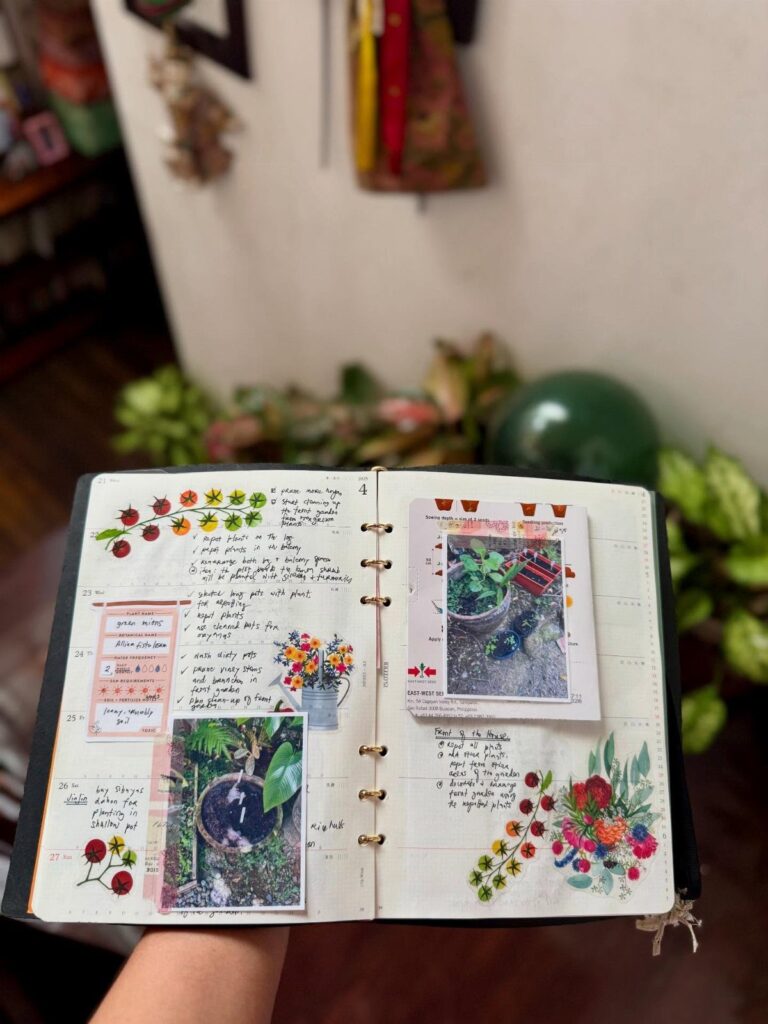
A garden journal turns your guesses into records: which tomato variety produced in that cold July, where you planted beans last year so you can rotate them this year.
Pocket sleeves for seed packets and plant tags beat a spiral notebook that swells and tears.
Paper lets you sketch bed layouts before digging; I would add the date to every entry, even when it feels obvious, because future me never remembers what past me was thinking.
Digital apps back up photos and weather data, but I prefer handwriting for quick notes in muddy gloves.

🌱 Adjustable Water Flow Control: Easily regulate the watering speed to meet each plant's specific needs – twist outward for faster flow (up to 30 drops/min), twist inward for slower drip rate (as low as 2 drops/min). Customize the watering for succulents, ferns, herbs, and more.

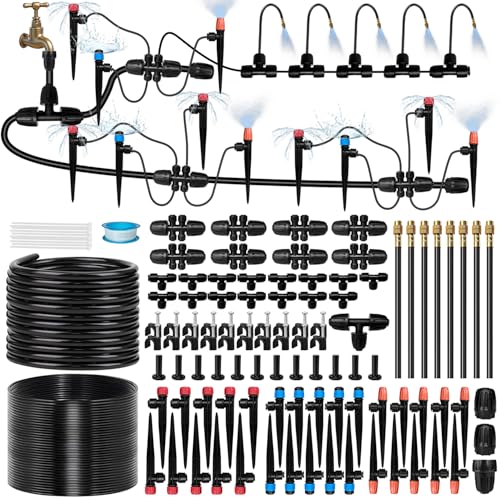
【Upgraded Tube Design & Water Saving】 Our garden watering system is upgraded to 1/2” diameter to support high water pressure. The 1/2” tee connector allows seamless splitting into 2 independent zones for customized watering schedules. By delivering moisture directly to root zones, this drip Irrigation system significantly reduces evaporation and runoff—saving more water compared to conventional sprinklers while eliminating the need for manual watering.
4. Indoor Gardening
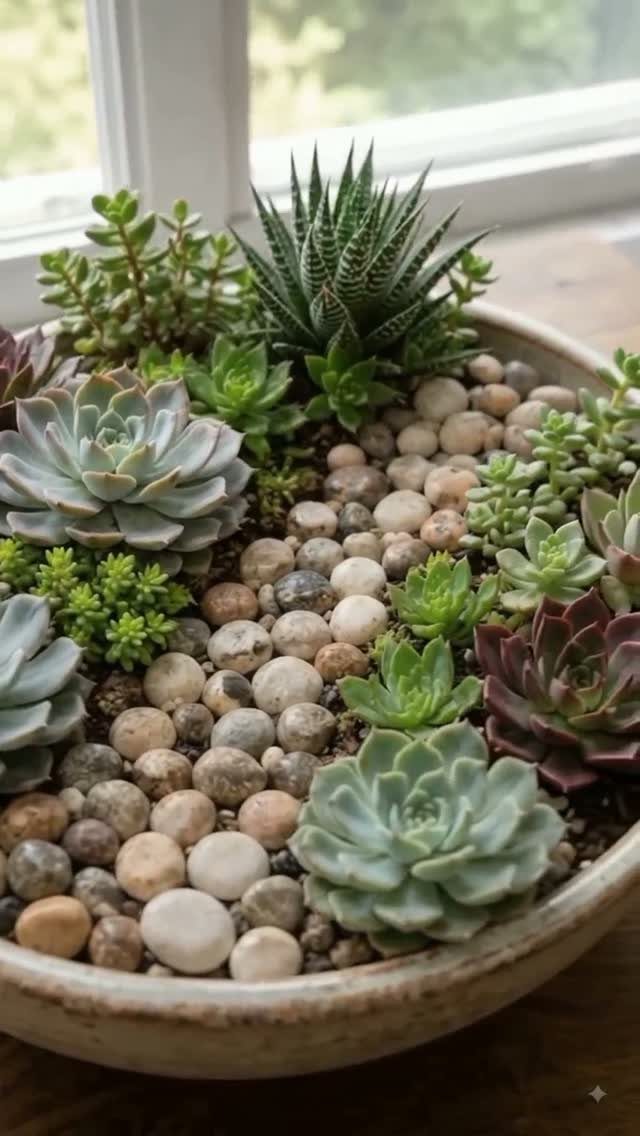
Indoor gardening suits renters and anyone with a short outdoor growing season. Succulents need a south or west window to stay compact; low light stretches them pale and leggy.
I would skip the matching ceramic dish and use individual pots with drainage instead, because that tray of stones traps moisture and rots roots.
Water when the soil is dry well below the surface, not on a calendar schedule.
A shallow dish like this is fine for shallow-rooted haworthia but a limit for anything larger. For herbs or leafy greens, I would upgrade to a deeper pot and a clip grow light.
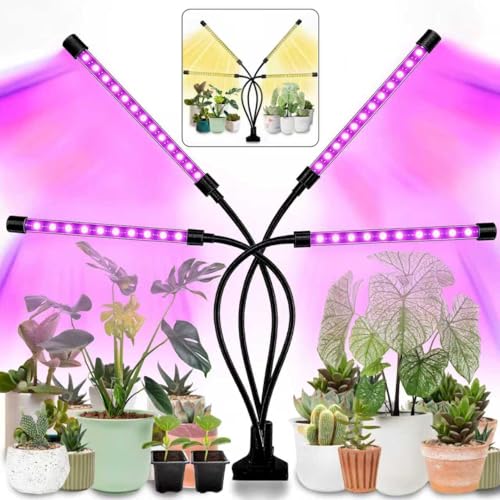
🌻Efficient LED Combination: This LED lamp has grow lights made up of 80 efficient growing LEDs ( 32 red lights, 12 blue lights,20 yellow lights and 16 white lights). It meets the conditions of plant growth without sunlight. 1--Full Spectrum(380nm-800nm): Suitable for all plants to root and sprout. 2--Red(660nm)+BLUE(460nm) Spectrum: for blooming and fruits. 3--Red+Blue+Full Spectrum: A mix of Red+Blue+Warm White is best to fuel the growth of your plants.


3-Tier Greenhouse Kit - The desktop sturdy shelving in this small greenhouse are 23-inches-wide, have 17-inches of height spacing, and hold up to 45lbs each to provide ample room for trays, pots, or planters for small to medium plants.
5. Balcony Gardening Containers
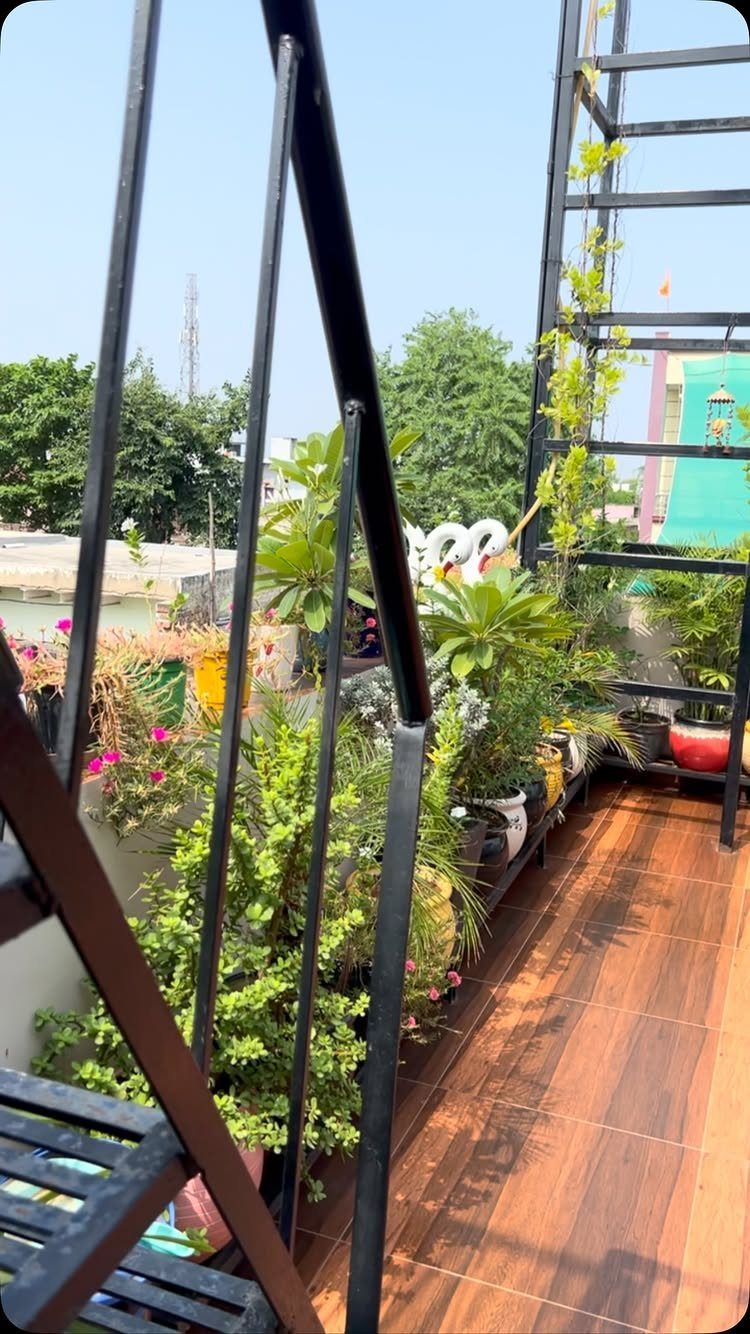
Balcony containers give you sun without the yard.
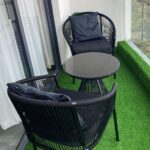
Standard apartment railing like this is high enough that pots sit on the floor rather than hang over unless you add brackets. I would check my lease first; many landlords ban anything that could drop on someone below.
Wood-look tile suggests a modern building, probably with weight limits. Saturated soil gets heavy fast, so a large planter on a balcony needs checking against the weight limit.
I would stick to resin or lightweight fiberglass and group pots to block wind, which desiccates plants faster than heat. Self-watering reservoirs buy you a weekend away.

【Perfect Size】These plant labels size:6x10cm (2.4x3.9 inch),suitable for most plant pots and plants,enough room to write,Package contains 100 Pcs Plant labels,Value for money

Pack of 200 Plant Tree Tags: Enough for your daily use. Our white plant labels are suitable for different scenes, easy to identify with buckle design, easy hang and has a longer service life.

SIZE & QUANTITY: Plant label sizes L8.3 x W0.8 inch, or L21 x W2cm, good space to write on. These plant tags wrap around plant and will take very little space for your garden and pots. Pack includes 120 pcs wrap plant tags, you can clearly identify plants for a well-organized garden.
6. Vertical Gardening
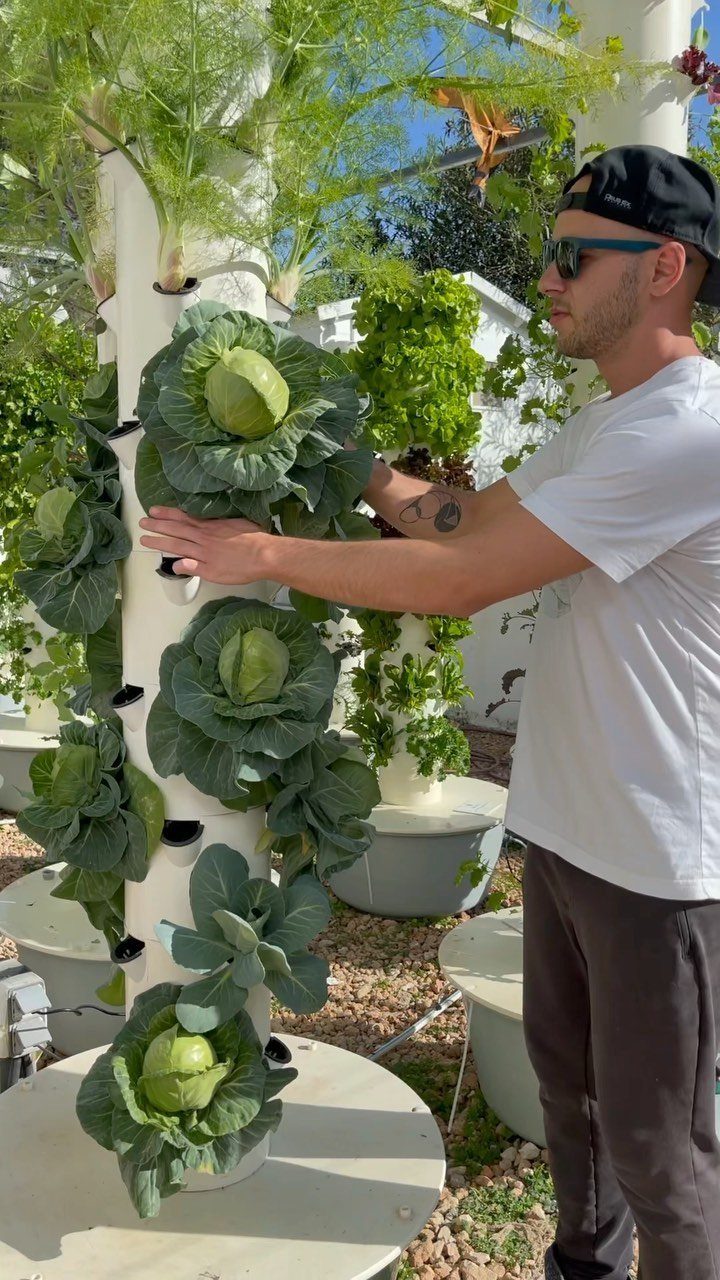
Vertical towers pack many plants into a tight footprint, no more space than a single tomato in the ground.
This hydroponic unit runs water through a central column to feed pockets on the side, a method that skips soil entirely and suits rooftops or contaminated lots where ground planting is not an option.
I would figure electricity for the pump into the budget, plus replacement grow cups every few years.
Water needs topping off twice weekly in full summer sun, more often than ground beds because roots have no buffer. Leafy greens and herbs perform best; root vegetables and heavy squash need more space than the pockets allow.

Multifunctional Design: This garden planter is separated into two growing areas for different plants or planting methods. The baffle can be removed to form a bigger growing area.

SIZE: The plant bed measure is 23.6"L x 23.6"W x 11.8"H. This round planter box provide ample growing space to raise vegetables, flowers and plants.

SPACIOUS GROWING SPACE WITH EXTRA PLANTING DEPTH:Measuring 91.5" L × 47.3" W × 22.06" H, this galvanized raised garden bed holds approximately 412 gallons of soil, providing generous planting space and extra depth for vegetables, herbs, flowers and fruits. The spacious design allows roots to grow naturally while supporting tomatoes, peppers, cucumbers, broccoli, beans, lettuce, carrots, potatoes and other popular garden plants. Ideal for backyard gardening, raised vegetable gardens and outdoor planter box projects.
7. Transplanting Seedlings Into Soil
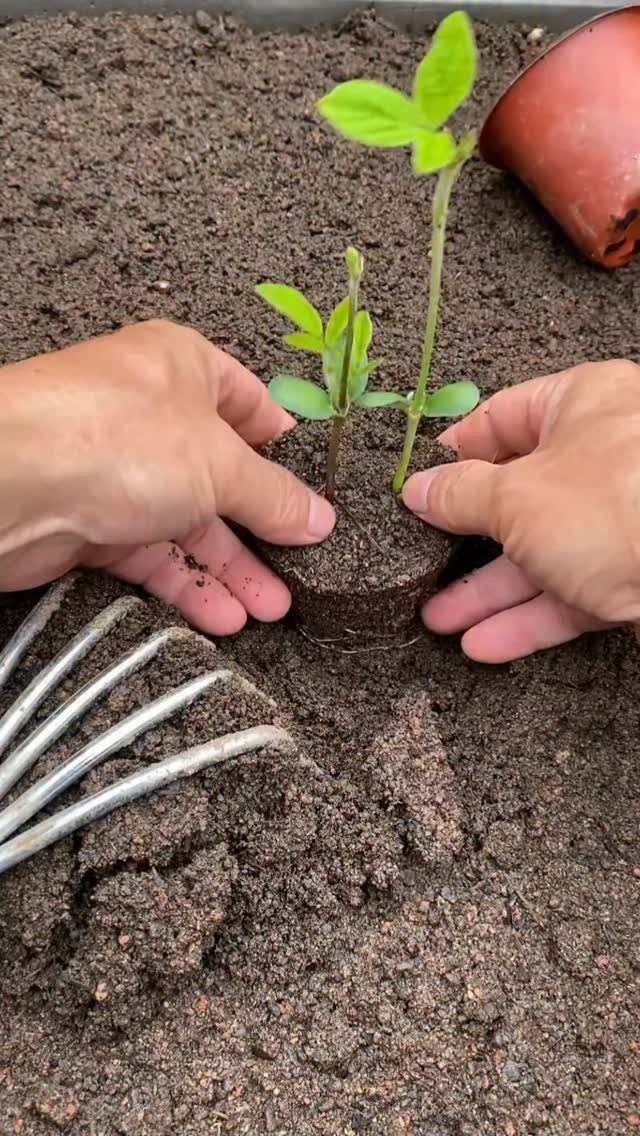
Seedlings raised indoors or bought in nursery pots need a gradual move to open ground so shock does not stall them.
A plug transplant lives or dies by how you move it: keep the root ball intact, set it into prepared soil at exactly the depth it grew in the pot, and do not bury the stem deeper or leave it high.
Deeper buries the stem and risks rot; shallower dries the roots.
I would water the bed the day before so the hole holds its shape and the roots meet moisture immediately.
Hard sun straight after transplant wilts leaves, so evening or an overcast afternoon gives the plant a full night to settle before the next day of light.
Pinch any flowers off a tomato seedling this size; fruit this early weakens the root system it needs to build first.


🌿Transform any corner of your home or garden with the timeless charm of our galvanized bucket outdoor planter. Their vintage look & practical design make them perfect for planting outdoor, organizing, or decorating—indoors & out.

Versatile Sizing Options for a Wide Range of Plants: Available in 2 sizes of 5-gallon and 10-gallon options, these bags accommodate everything from herbs and strawberries to deeper-rooted vegetables like tomatoes and potatoes. The variety makes it easy to match the right container to each plant type.
8. Liquid Fertilizing Plants
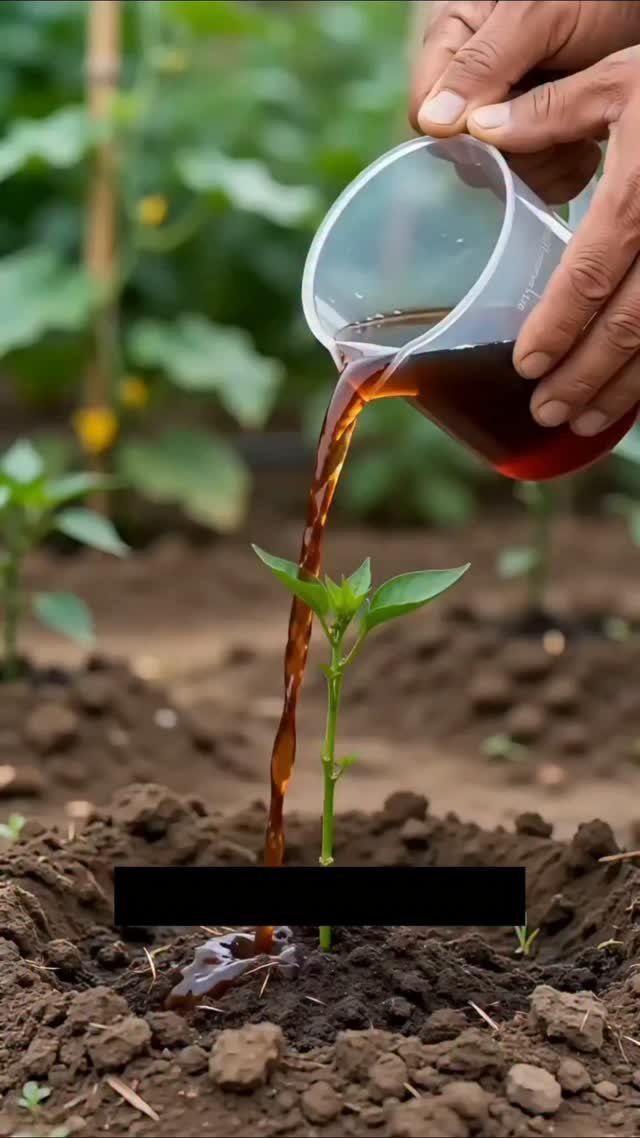
Liquid fertilizer feeds through the soil rather than the leaf, so it reaches the root zone where uptake actually happens.
Liquid fertilizer concentrates and a full dose on a young plant burns tender roots; measure half strength or less for the first few feeds.
I would mix at half strength for the first feeding at this seedling stage, then move up as the plant matures.
Morning application lets the nutrients wash down with daytime watering rather than sitting on the surface overnight.
I would skip liquid feeds entirely if the soil is already rich with compost; excess nitrogen pushes leaf at the expense of flower or fruit, and runoff from a heavy hand pollutes nearby water.

【You Will Receive】- Package includes 10 automatic plant watering spikes, each measuring 10.5cm in length. These self watering planter inserts are designed to fit standard 1.1-inch bottle mouths, providing a complete drip irrigation system for multiple plants in your home or garden.
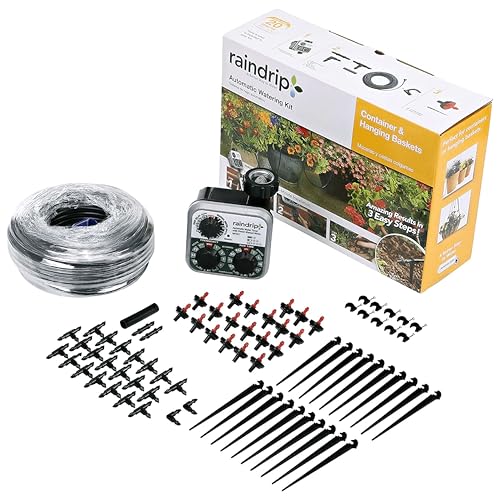
Save Time and Effort: This Raindrip drip irrigation kit includes everything you need to create a drip watering system for potted plants and precisely water up to twenty plants, saving time and effort while keeping your garden healthy

The plant water Seeping device is made of high quality terracotta and has a sustainable and steady flow of water. The watering post can water your plants for a week. Size of watering pile: length 7 in. Caliber: 1.78 in
9. DIY Bottle Drip Watering
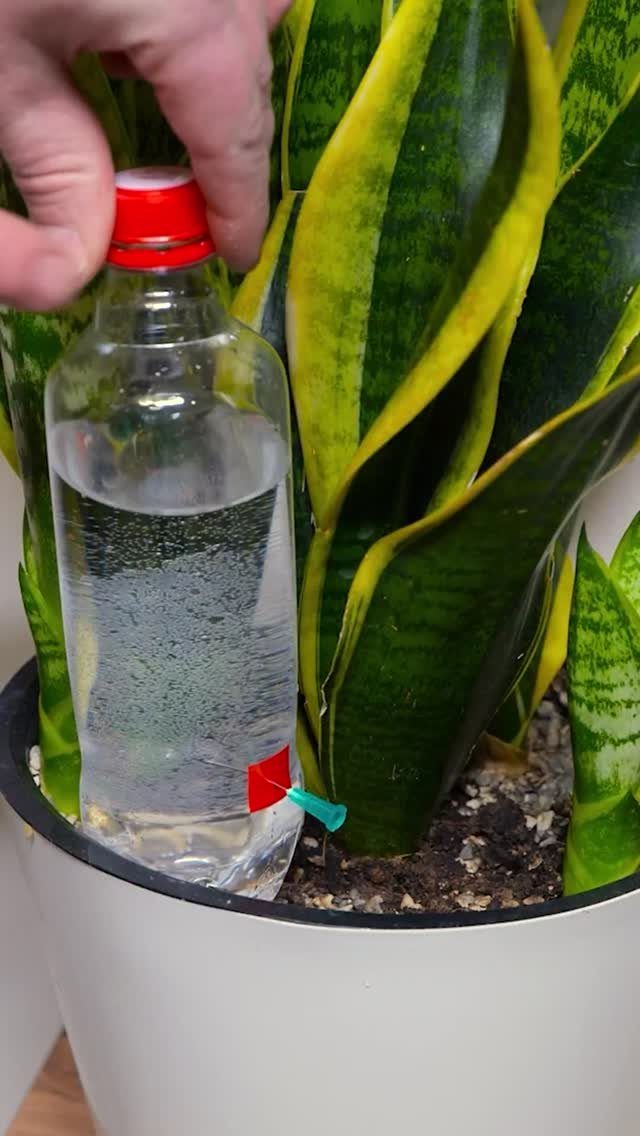
A water bottle with a pierced base meters moisture over hours instead of flooding in one pour, useful for a weekend away or a plant that sulks at wet roots.
The snake plant here tolerates drought; for thirsty herbs the same bottle empties faster and may not last the trip.
I would test the drip rate in my sink before relying on it: fill the bottle, set it in dry soil, and check whether the surface is evenly damp or still dry underneath before I trust it with a plant.
Tape or a narrow nozzle controls flow, but a bottle this size is best for a single pot rather than a bed; think herbs on a windowsill, not a tomato in the ground. Multiple plants need multiple bottles.
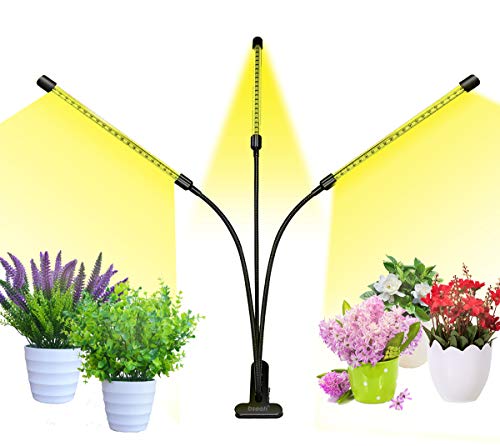
Full Spectrum LEDs with Yellow and White Combination: 3 timing options and 10 dimmable lightness Meet the needs of photosynthesis in different stages of plants.

12-LED GROW LIGHT PER TRAY — Each of the five seed starting trays features a full-spectrum grow light with 12 LED beads, providing supplemental light for indoor seedlings.

12-LED GROW LIGHT PER TRAY — Each of the five seed starting trays features a full-spectrum grow light with 12 LED beads, providing supplemental light for indoor seedlings.
10. Repurposed Bucket Planters
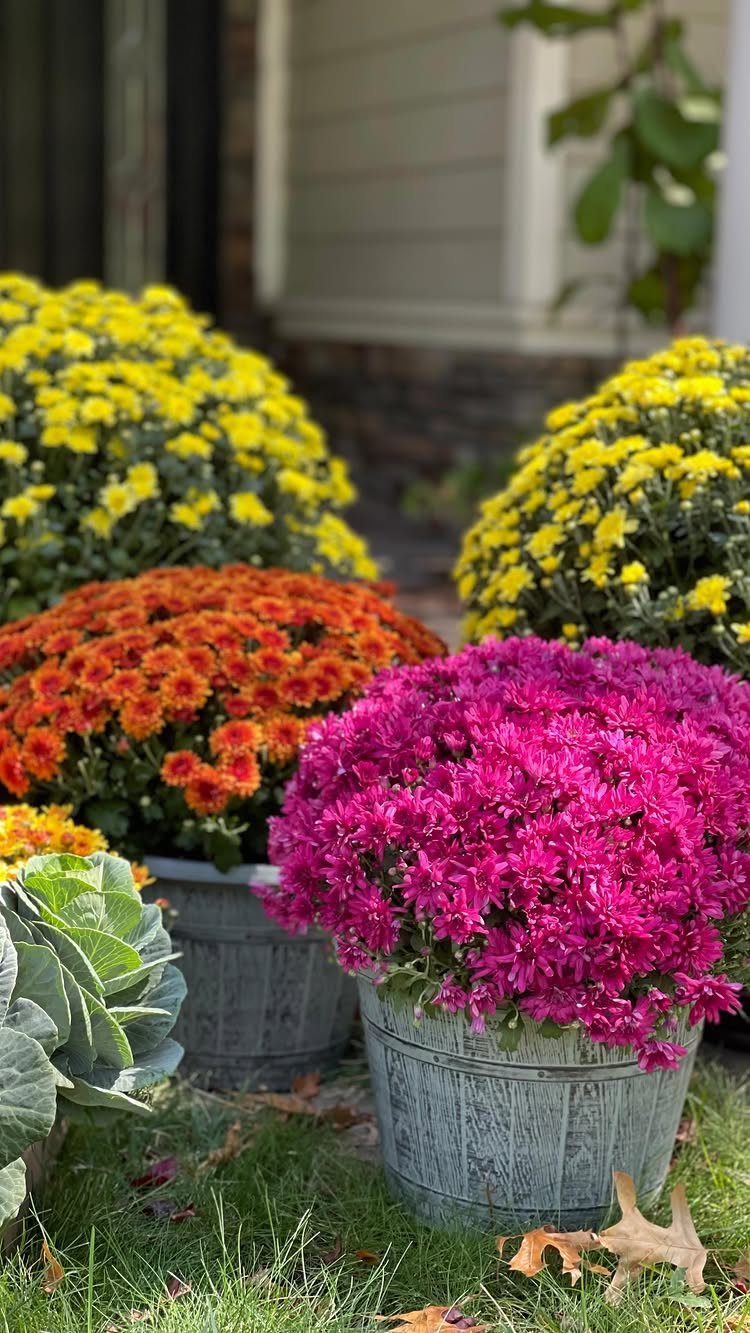
Metal buckets that already weathered to a soft patina skip the rust worry that kills plants in shiny new galvanized steel.
The chrysanthemums and ornamental cabbage here bridge fall color right through first frost, a combination that works because both take the cold.
I would drill drainage holes if they are not already there; standing water rots roots in a week.
A 5-gallon bucket holds enough depth for annuals but cramped soil for perennials that need room to establish their roots year after year.
The weight full of wet dirt is substantial; I would place them before filling and keep the base flat so the bucket does not dent and wobble.
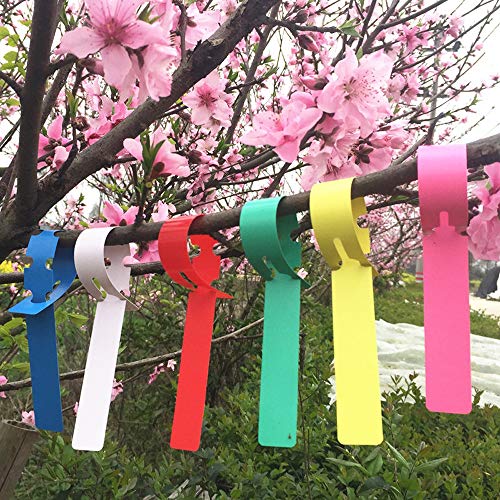
COLORFUL PLANT TREE TAGS : 6 bright and high visible colors for you to choose, colored plant labels are suitable for different scenes and plant colors, easy to identify with scientific buckle design, easy hang and has a longer service life.
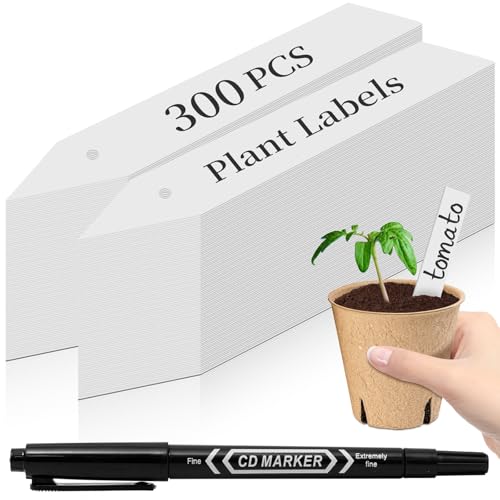
【Package Included】 The package include 300pcs plant labels and 1 permanent marker pen. Labels size: 4" (100mm) length and 0.62" (16mm) width. Sufficient plant labels and dual tip permanent marker pen can meet your various needs.
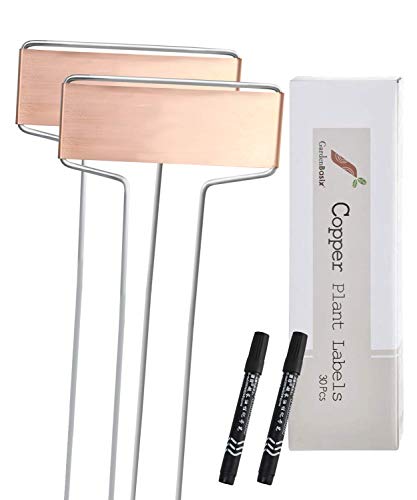
Set of 30 copper metal plant labels and 2 marker pens - Double wire standard made of galvanized steel - Copper nameplate
11. Rooftop Container Garden
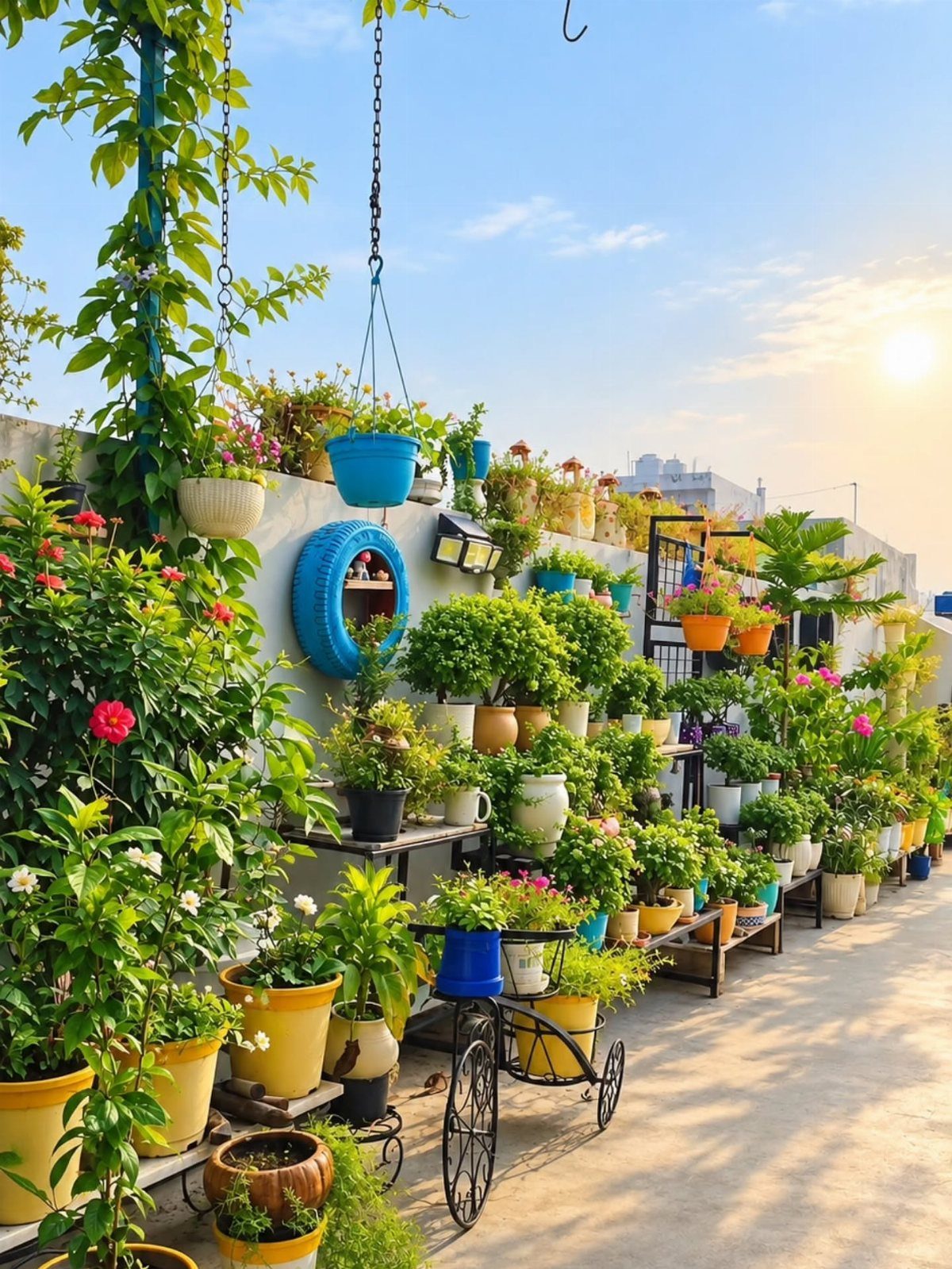
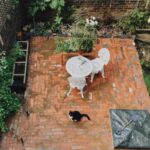
A rooftop garden converts square footage you already own into growing space no ground plot requires, though the conditions are harsher than they look.
Wind dries pots faster than at street level, and reflected heat off parapet walls bakes roots in dark plastic containers. The multi-tiered shelving here uses every vertical foot without blocking the single access path.
I would choose lightweight resin or fiberglass over terracotta; one dropped pot from this height is a hazard no lease clause forgives.
Drip trays under every container protect the membrane roof from standing water and staining. A bicycle planter on wheels lets you roll tender starts into shelter when a late cold snap hits in April.
Benefits of Home Gardening
Fresh produce from your own yard carries more vitamins and antioxidants than vegetables trucked across states, simply because the time from soil to plate shrinks to minutes instead of days.
I would grow what my household actually eats; a row of tomatoes nobody wants wastes the water, the space, and the effort.
Startup costs for seeds, seedlings, and supplies pay back over months of harvests. I think of it as front-loading the grocery bill, not eliminating it.
The USDA counts the food system as a major slice of American fossil fuel use, mostly from long-haul trucking. Keeping even part of your diet within walking distance trims that load without needing a full homestead.
Gardening Tools
A garden hoe, scuffle hoe, dirt rake, leaf rake, and a solid D-handle shovel are the backbone set.
I would add a garden kneel pad before any gadget; your knees carry every other job. Cheap plastic tools bend and break under real soil pressure, so I shop estate sales for metal with life still in it.
Scale matters more than people admit.
A shovel too tall twists your back; one too short wastes your shoulders. Fit the tool to your frame, then keep it clean and sharp.
A dull edge needs more force and does sloppier work, same as a kitchen knife. A Dramm hose and a sturdy tote round out my kit, plus gloves that actually fit so I do not fight them for grip.
Garden Planning
Match the plant to the place. Hardiness zone, sun hours, and soil drainage filter what will thrive before you spend a dollar on seed.
Before I commit to any spot, I check 3 facts: how much sun it gets, how the soil drains, and what hardiness zone I’m in.
That done, I pick vegetables or flowers that actually belong there instead of forcing a favorite to struggle through a mismatch.
Start with easy keepers and expand into demanding crops once the basics feel automatic. Rotate where you plant each family year to year; tomatoes in the same corner 3 seasons running build soil problems that no amount of fertilizer fixes.
Grow what your household finishes. A child who rejects kale at the store will reject it harder from the backyard, and that square foot had better gone to something the plate actually welcomes.
Frequently Asked Questions
What is the home garden?
A home garden is a space where you grow plants, vegetables, and flowers for personal use rather than commercial sale. It can be a backyard plot, raised beds, containers on a balcony, or even a windowsill setup.
Does baking soda help plants grow?
Baking soda is not a primary growth enhancer and does not appear in the methods I rely on for plant health.
I would stick to compost-rich soil and measured liquid fertilizer at the root zone, where uptake actually happens, rather than reaching for kitchen substitutes that can alter soil pH unpredictably.
What is the definition of gardening?
Gardening is the practice of growing and cultivating plants as part of horticulture, whether in ground beds, raised frames, containers, or indoor setups. It covers everything from preparing soil and sowing seed to harvesting and keeping records of what worked.
What is the 3-hour gardening rule?
The 3-hour gardening rule is not covered in my approach to home gardening, and I do not use it as a guideline for planning or scheduling work.
I would rather check sun hours, soil drainage, and hardiness zone for a spot before committing any time to it, since those 3 facts filter what will thrive before you spend a dollar on seed.