These 9 at home gardens run from a tiny DIY terrarium to a full vertical tower with built-in LEDs, so the deciding factor is how much floor space you can give and whether you have real sun or need artificial light.
A windowsill handles herbs in terracotta if the window faces south; most apartments have one good window, and it is already taken by furniture, which is why grow lights show up in the vertical tower and bottle hydroponics setups.
Moss in a closed jar needs only bright indirect light near an east window, no drainage hole required, because the glass recycles its own water.
[link-whisper-related-posts]1. Indoor Herb Garden
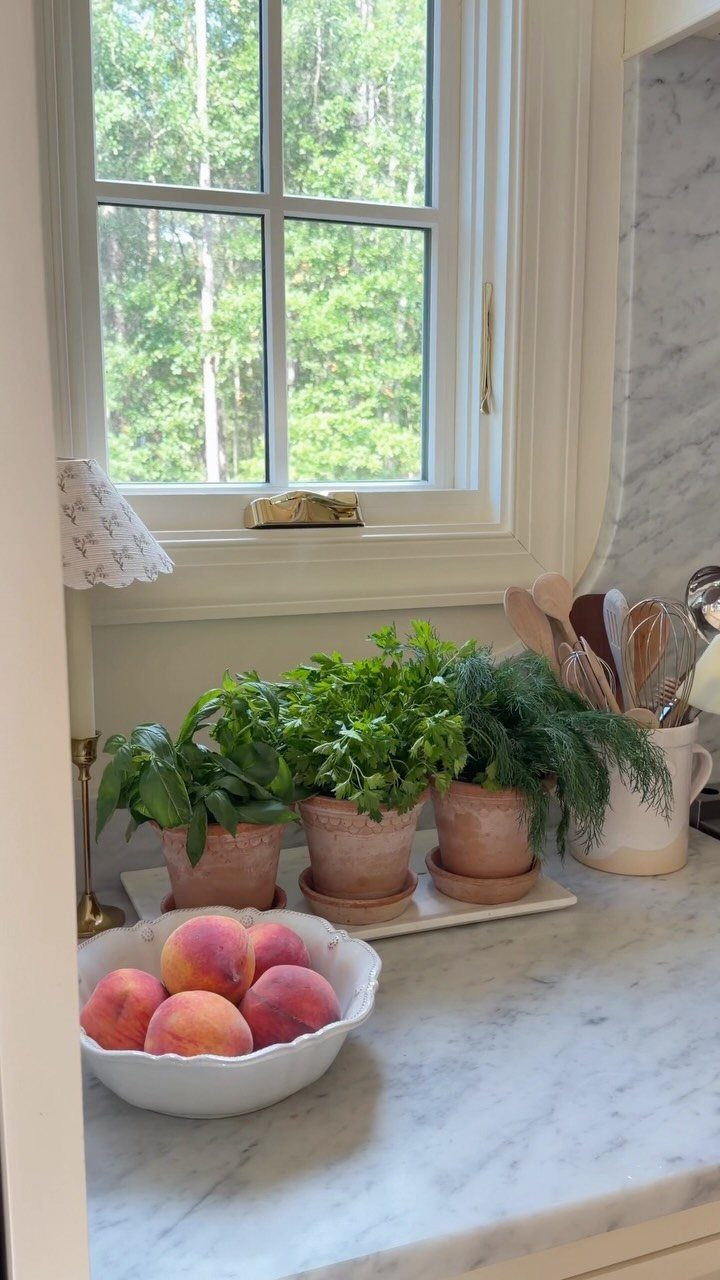
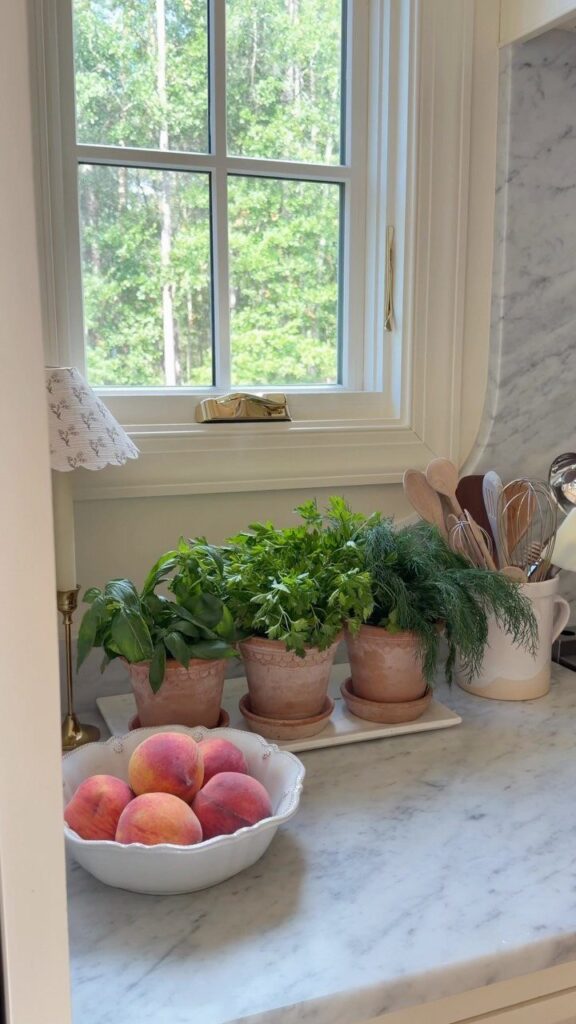
A windowsill herb garden starts with picking the right window. South-facing light gets you full-day sun, which basil and parsley both need to stay bushy rather than leggy.
Terracotta dries out fast, so I check soil with my finger every morning during summer.
If the top inch is dry, I water until it runs through the drainage hole. No hole means root rot fast; I always check that first.
Basil and mint are the most forgiving herbs for an indoor herb garden, tolerating inconsistent watering and lower light far better than cilantro, which bolts at the first warm afternoon. A pot per plant leaves room to grow without crowding.

NO EXPERIENCE NEEDED | Build your own terrarium using a jar or container you already have. Designed for containers up to 68 fl oz, with clear instructions that make the process simple from start to finish.

Terrarium Starter Kit With Essential Materials: This plant terrarium kit brings together the core materials, tools and step-by-step guide needed to start your terrarium project. Includes potting mix, pumice, zeolite, green moss, sphagnum moss, decorative stone, mesh and care tools. Designed for approximately 5–7 inch glass jars or containers, depending on container shape and layer thickness. Plants and glass container are not included. To complete your project, add an open glass container and suitable succulents or air plants; plants and container are sold separately.

Unique design: The terrarium bottle container has a unique and eye-catching design that makes it a great addition to any home décor.
2. Indoor Lettuce and Microgreens
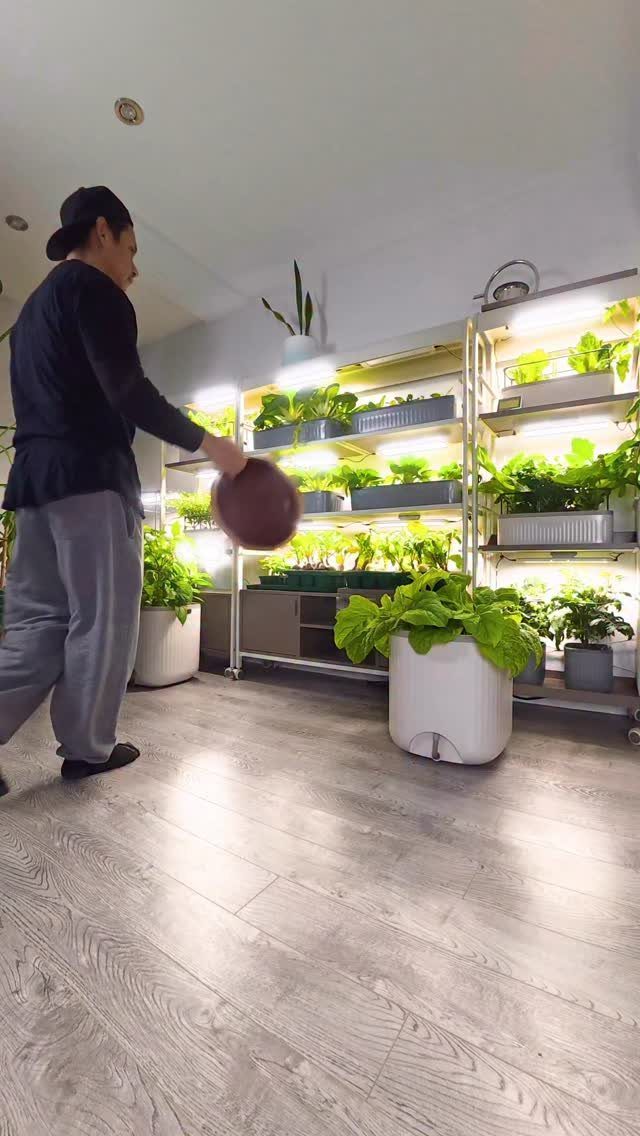
Grow lights change everything for lettuce indoors. The shelving runs multiple tiers because LED fixtures give you usable light only a short distance below the bulb, so you stack rather than spread.
I would pick loose-leaf varieties over head lettuce. They mature fast under lights versus slower for romaine, and you can cut outer leaves while the plant keeps producing.
Microgreens on the same shelves need 2-4 inches of soil and harvest at 1-3 inches tall, about 10-14 days from seed. The same lights work for both; I would run lettuce on the top tier where headroom matters, microgreens below.

Bring Nature Into Your Everyday Space - Create a cozy indoor garden anywhere in your home. Designed to blend beautifully into kitchens, desks, apartments, and modern living spaces, this stylish planter grow light makes indoor gardening simple, relaxing, and enjoyable.

EFFICIENT & INTELLIGENT: LED Grow Lights are a better alternative to sunlight in terms of stability and planting results, even surpassing natural light in terms of stability and planting results. Soil-grown planters with full-spectrum grow lights are often more efficient than traditional planters.
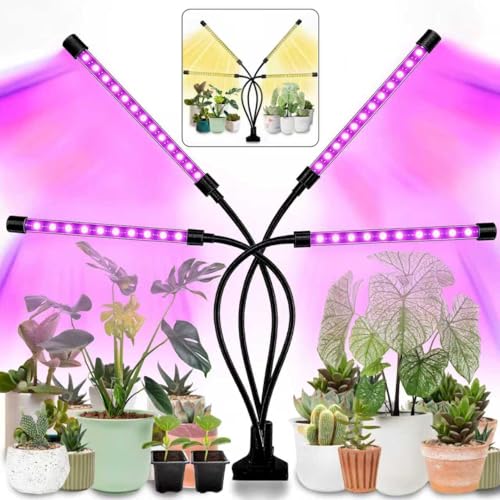
🌻Efficient LED Combination: This LED lamp has grow lights made up of 80 efficient growing LEDs ( 32 red lights, 12 blue lights,20 yellow lights and 16 white lights). It meets the conditions of plant growth without sunlight. 1--Full Spectrum(380nm-800nm): Suitable for all plants to root and sprout. 2--Red(660nm)+BLUE(460nm) Spectrum: for blooming and fruits. 3--Red+Blue+Full Spectrum: A mix of Red+Blue+Warm White is best to fuel the growth of your plants.
3. Fairy Garden
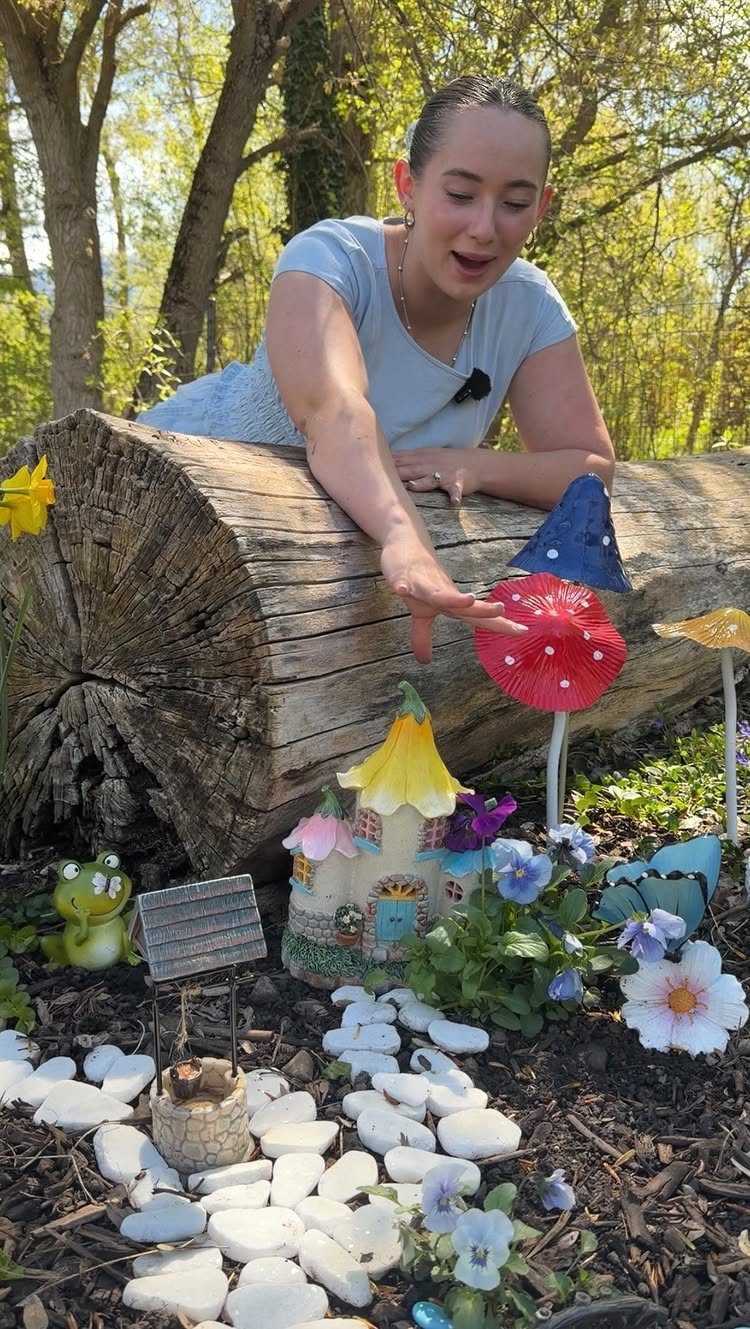
A fairy garden turns any container into something you build rather than plant. A hollowed-out log works the same way and brings the whole thing indoors easier.
I would pick a theme before buying anything.
Stick to one story; mixing woodland with beach or desert looks like a yard sale. Pebble paths need edging to stay neat, so I press stones into a thin layer of sand over soil.
Scale matters more than price. I match door height to plant size and keep the whole setup cheap.

Efficient Growing: This hydroponic tower features a 9-tier vertical design with 45 plant pods. It maximizes growing efficiency in compact spaces like kitchens and balconies while supporting a greener lifestyle

Efficient Growing: This hydroponic tower features a 6-tier vertical design with 30 plant pods. It maximizes growing efficiency in compact spaces like kitchens and balconies while supporting a greener lifestyle

【All-in-One Hydroponic Growing System】 This complete vertical hydroponic tower includes 8 stackable levels with 32 large growing pods — perfect for growing a wide variety of vegetables, herbs, and lettuce. Designed for indoor and outdoor use, the system features a powerful pump with adjustable water flow and a timer that supports six watering cycles, ensuring healthy root oxygenation and faster, lusher growth.
4. Tiny DIY Terrarium
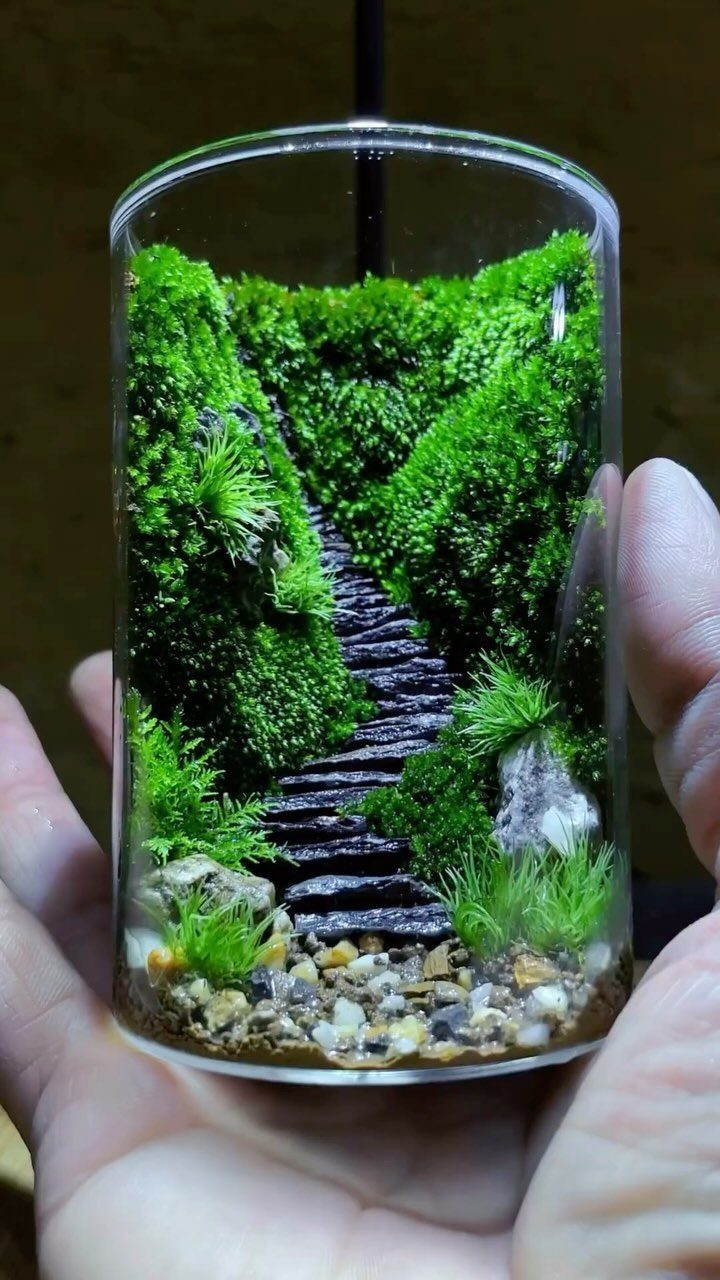
A closed terrarium with moss recycles its own water, which is why glass works without drainage. Gravel at the bottom, then charcoal, then soil, then plants: that order keeps roots from sitting in moisture.
I would pick moss and small ferns over succulents for a closed jar.
Succulents rot in humidity; moss thrives in it. A decorative piece like stone hides bare soil while the moss fills in.
Light should be bright and indirect.
Direct sun turns a closed jar into a greenhouse that cooks everything inside. I keep mine near an east window and mist only if the glass stays dry for more than a week.

Higher Output & Brighter Grow Light Panel---192 High Quality LEDs and 12W Actual Power per panel. 3x Brightness to other low price and messy wires panel grow light. Help your indoor plants growing better and healthier. 4Pack is Born for common plant shelves.

【Upgraded Full Spectrum】Eqqiuped with 5 Red+37 Sunlight White LEDs in each bar, which is similar to the sunlight at noon to meet the needs of various plant growth processes. 6000K LED grow light with high efficiency and high PPFD, providing flicker-free and soft light.

Super Bright Plant Light with High Power Output: Compared with other 10W desktop succulents light, our 36W (with 12V/3A Plug) and is equivalent to a 100W halogen bulb, more brighter, more stable and more efficient. It is a great option for your indoor plants.
5. Succulent Garden
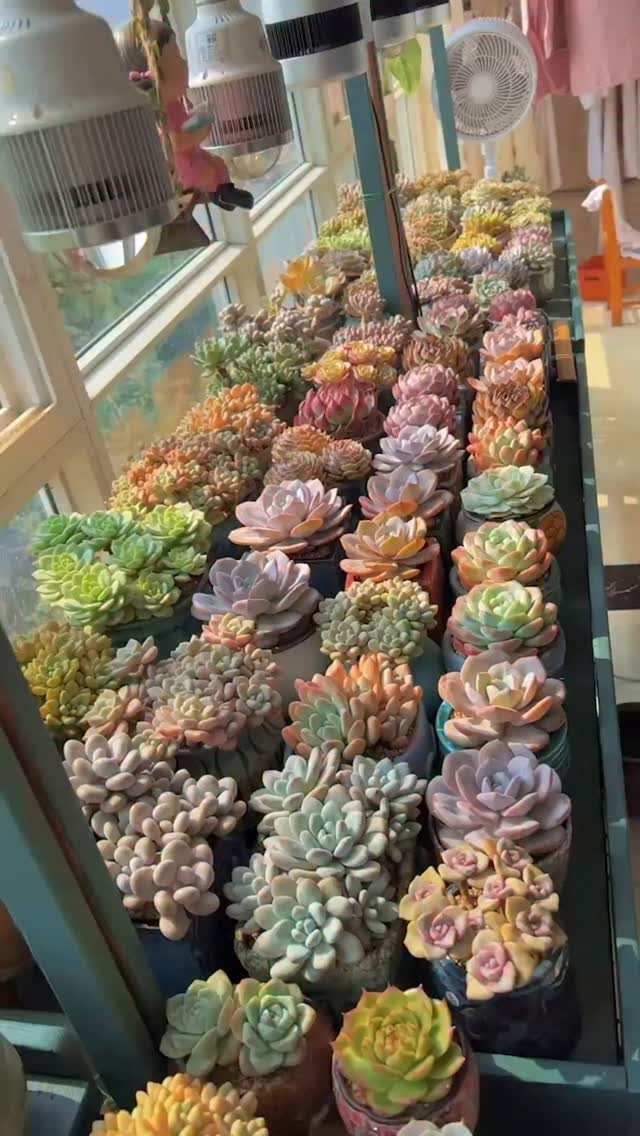
Succulents under grow lights tell you the room lacks a south window, which is most apartments. The lights sit close above the leaves and run long hours on a timer.
I would buy unglazed terra cotta or concrete pots, never glass.
Succulents need dry roots, and glass holds moisture the way a sealed jar does. The shelf is display; the pots themselves determine whether the plants survive.
Water only when leaves soften slightly, less often in winter, more in summer.
Overwatering kills faster than underwatering ever will. A small setup gets you started; the lights cost more than the plants.

Made from durable Polynesian

Package: 3 pieces garden furniture ornaments, includes 1x miniature tables, 2 mini chairs, delicate fairy garden accessories to any fairy garden, patio and desktop decor, essential for micro garden landscape DIY landscaping accessories

Product Description: you will get a total of 6 pieces fairy garden accessories, including 2 pieces cute hedgehog cubs and 4 pieces big red mushrooms, the shapes are vivid, the color is bright, and the volume is large, this set is an ideal microscopic decoration
6. Shelving Unit Plant Display
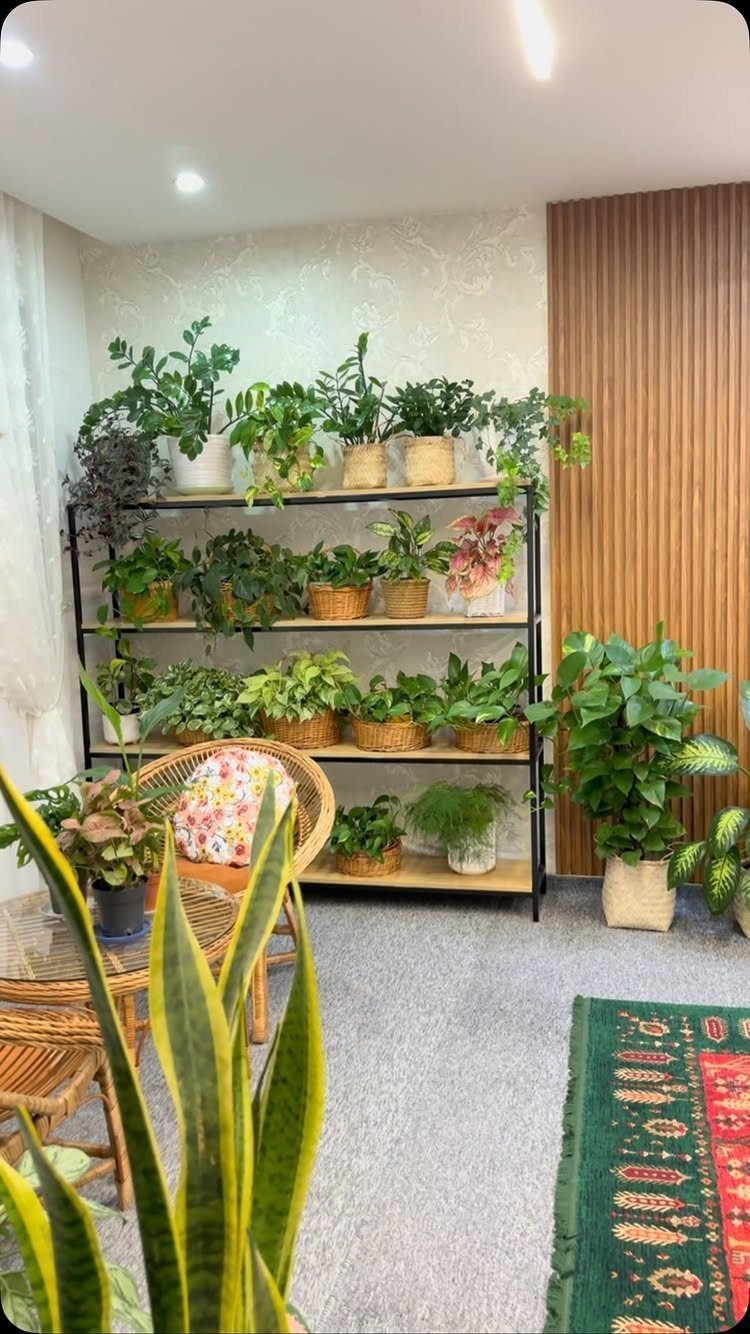
A metal shelf turns one floor space into multiple growing zones, which matters when you rent and cannot mount wall brackets. Woven baskets hide plastic nursery pots and catch drips.
I would put thirstier plants on lower shelves where humidity gathers, and succulents or snake plants up top where air moves more and dries soil faster.
The rug underneath means I would add saucers; water stains are not worth the look of bare pots.
Grow lights can clip to the frame if the room has little direct sun. I would check each shelf’s actual light with my phone or just watch which way the plants lean.

PLANT TERRIUM KIT WITH RECHARGEABLE GROW LIGHT: with built-in TIMER and TOP BUTTON control integarated with terrarium light, no extra control needed, put it anywhere, light could last for few days after full recharged.

Terrarium Starter Kit With Essential Materials: This plant terrarium kit brings together the core materials, tools and step-by-step guide needed to start your terrarium project. Includes potting mix, pumice, zeolite, green moss, sphagnum moss, decorative stone, mesh and care tools. Designed for approximately 3–5 inch glass jars or containers, depending on container shape and layer thickness. Plants and glass container are not included. To complete your project, add an open glass container and suitable succulents or air plants; plants and container are sold separately.
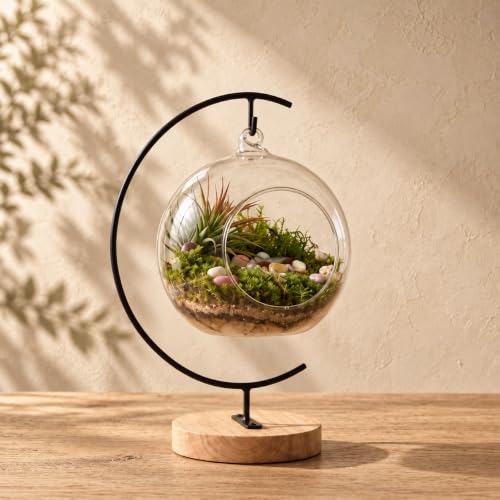
COMPLETE DIY TERRARIUM KIT — Create your own miniature botanical display with a coordinated set of materials and tools in one kit. The glass globe, live moss, layering materials, decorative pieces and mini tools give you the essentials to build and personalize your terrarium from the ground up
7. Sunlit Indoor Plant Corner
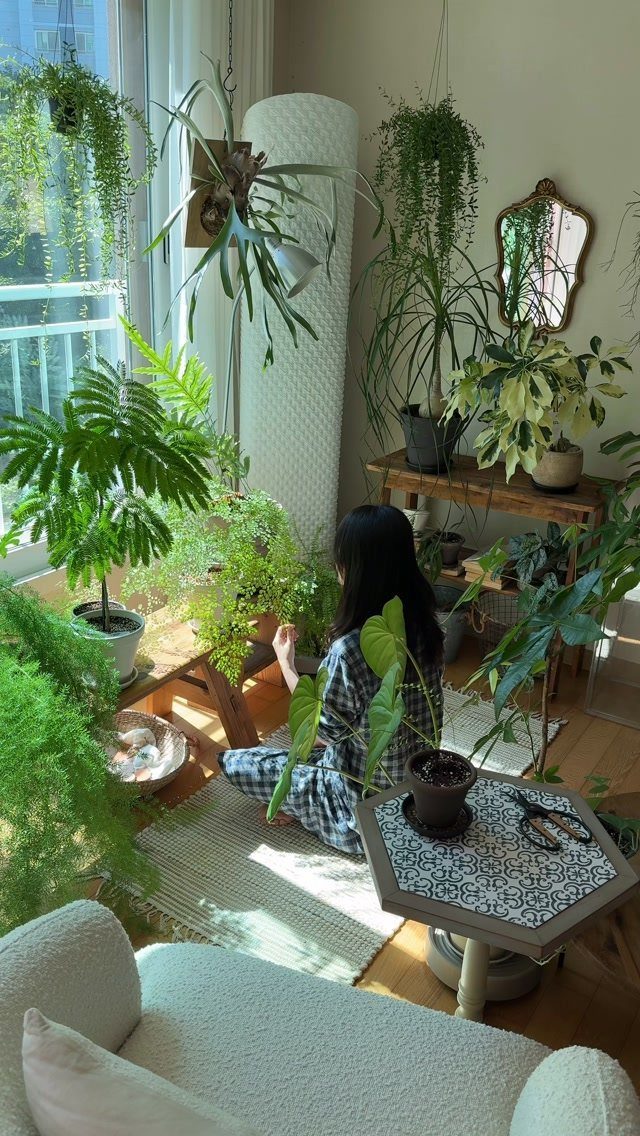
A corner with good light becomes a room’s best feature when you fill it with layers. Hanging pots at varying heights catch the eye upward, while floor plants anchor the space and make the window feel larger than it is.
Light is the first thing I check before I bring any plant home, because a dark corner will kill enthusiasm faster than anything.
A south or west window handles ficus and monstera; east light suits pothos and philodendron. North-facing corners need shade-tolerant varieties or the whole setup fails slowly.
Leave walking space between pots.
Crowding looks full in photos but blocks airflow and invites fungus gnats. I water everything in place and let each pot drain fully before it goes back on the rug.

EFFICIENT & INTELLIGENT: LED Grow Lights are a better alternative to sunlight in terms of stability and planting results, even surpassing natural light in terms of stability and planting results. Soil-grown planters with full-spectrum grow lights are often more efficient than traditional planters.

Bring Nature Into Your Everyday Space - Create a cozy indoor garden anywhere in your home. Designed to blend beautifully into kitchens, desks, apartments, and modern living spaces, this stylish planter grow light makes indoor gardening simple, relaxing, and enjoyable.

FULL SPECTRUM LIGHTING: Advanced LED technology provides optimal light wavelengths for healthy plant growth from seedling to harvest
8. Vertical Indoor Garden Tower
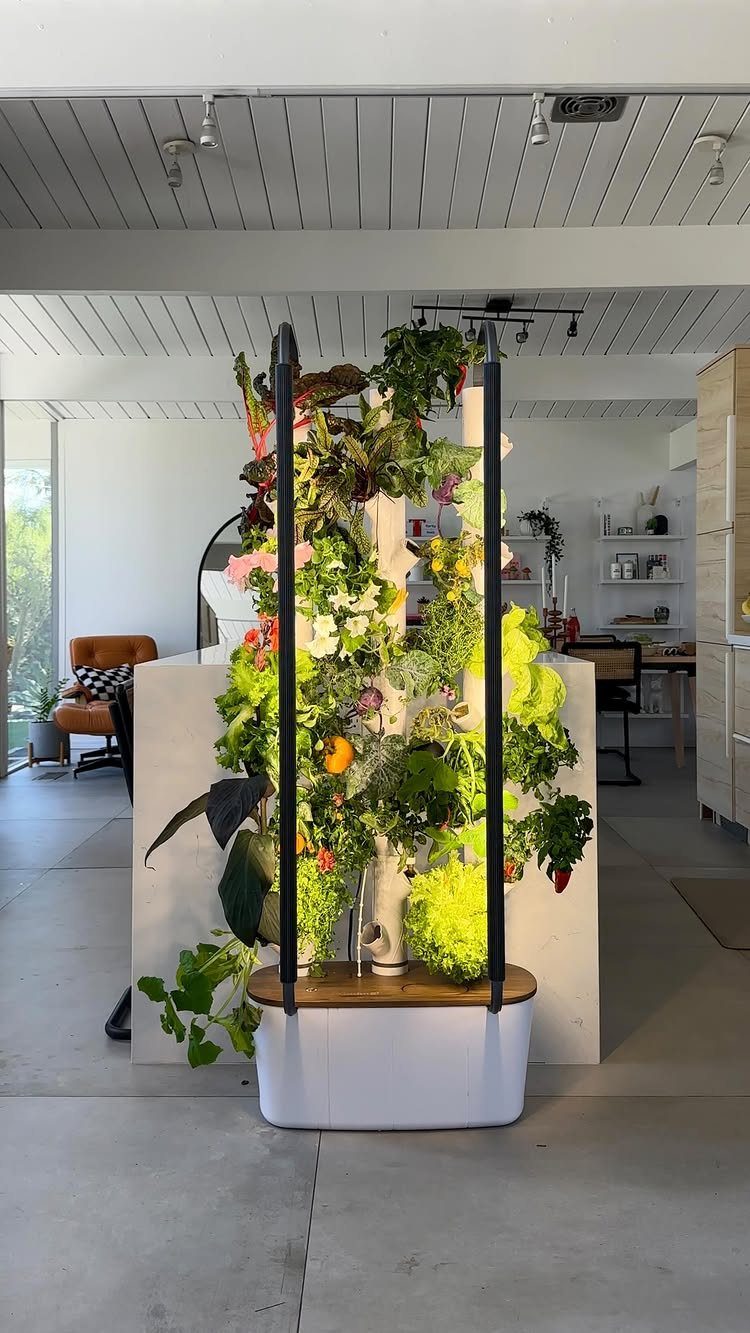
A vertical tower stacks growing pockets around a central light and reservoir, turning a small footprint of floor into a column of salad greens.
The built-in LEDs mean it does not need to live near a window, which matters in apartments with one south wall already claimed by furniture.
These units run on timers and recirculate water, so the main decision is whether you want the maintenance rhythm.
I would top off the reservoir weekly and flush the system monthly to prevent algae buildup. Leafy greens and herbs do best; peppers can work in a tower this size, though tomatoes usually need more root space.
The upfront cost runs higher than a few seed trays, and replacement seed pods add up. I would treat it as a kitchen appliance, not a money saver on produce.

【High-Yield Hydroponic Growing】: This Hydroponics Vertical Growing Kit boasts six levels and 30 planting sites, a porous design for optimal water flow, and a high-quality, food-grade PP construction. That means you can grow more, healthier plants, faster, with greater peace of mind.


Build Quality: Constructed from high-grade PP material via injection molding. It maintains structural stability, and is safe for plants and users.
9. DIY Plastic Bottle Hydroponics
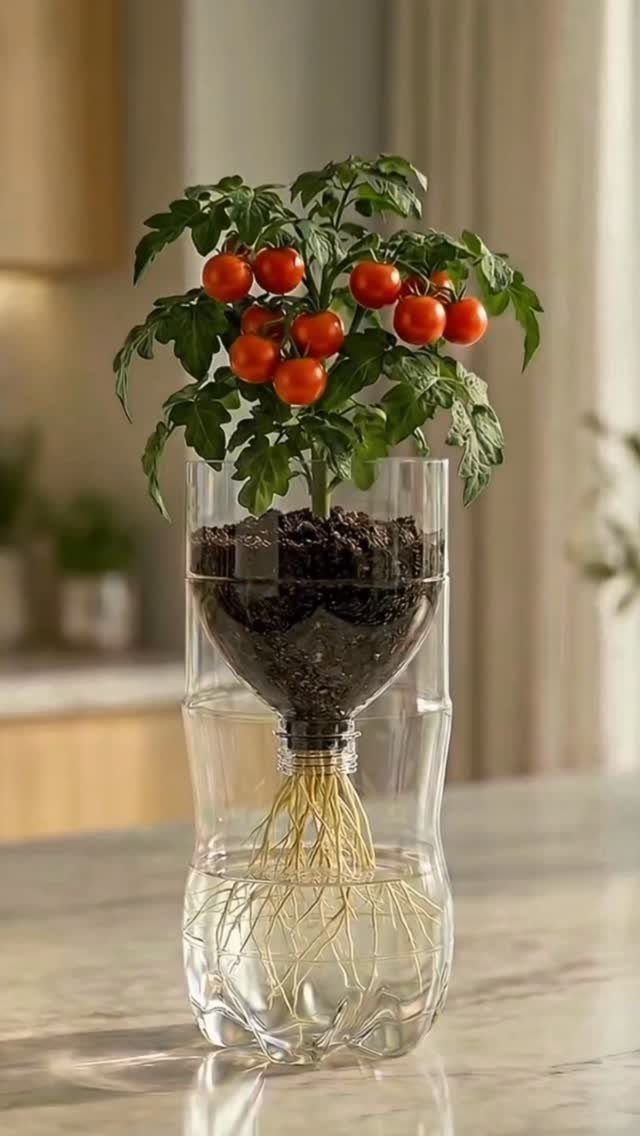
An inverted bottle planter works by suspending the root ball above a water reservoir, wicking moisture up through a neck of soil or a fabric wick.
The clear plastic lets you watch roots and water level, which helps beginners learn when to refill.
I would start with a 2-liter bottle, not a smaller one.
The reservoir needs volume to buffer against forgetting a day; cherry tomatoes drink more than lettuce. Cut the top third cleanly, invert it into the base, and seal the seam with tape to block light and stop algae.
A small tomato like Tiny Tim or Red Robin fits this scale.
Full-sized varieties outgrow the bottle before fruit sets. I would add a pinch of hydroponic fertilizer to the water on a regular schedule; plain tap water starves the plant after the first month.


Grow Lights for Indoor Plants with Full spectrum / Red Blue LEDs. Full spectrum - It emits all the wavelengths from 380nm to 800nm – just like natural sunlight.Red Blue(spectrum) -Blue light emits the wavelengths from 410nm-520, Red light emits the wavelengths from 610nm to 720nm –suitable for promoting the growth of succulent and flowering plants. Mix Light-Make the spectrum more comprehensive - Promotes the entire plant growth process
Choosing the Right Plants
Start by counting hours of sunlight your space actually gets, because that number decides everything. A south-facing window gives full-day sun; most apartments have one if they have any, and it is already taken by something.
Check humidity too: dry winter air from heating will crisp the edges of tropical plants while moss and ferns suffer.
Water quality and nutrient balance matter for every setup in the list, from herb pots to tower reservoirs.
I would use organic potting mix and add compost rather than reaching for synthetic fertilizers. Banana peels work as a slow-release feed if you have them; I would bury them an inch under the soil surface to avoid fruit flies.
Neem oil handles most indoor pests without residue that matters in your living space. I would keep a bottle on hand before problems start, because infestations spread fast between plants sharing the same air.

Designed for gardening and miniature landscape enthusiasts creating outdoor fairy gardens or terrariums , our set solves the common pain of cheap decorations fading in the sun or cracking in rain. Made from high-quality, weather-resistant resin, each piece stays vibrant and intact through sun, rain, and seasons.
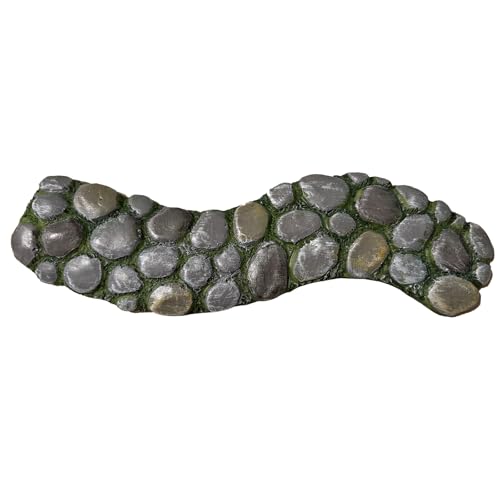
MIniature Garden Sidewalk: Micro mini path for fairy garden can be a perfect addition to your kids fairy garden, which also can make your fairy garden world more vivid and cute

A thoughtful gift perfect for home, garden or terrariums
Maintenance Tips
Dust blocks light, so I wipe leaves and container exteriors weekly. Mineral spots from hard water build up on glass and white plastic; a damp cloth takes them off before they etch.
I trim herbs and lettuces every couple weeks to keep them from getting leggy; tight, compact growth means more harvest in the same footprint.
Snip flower buds as soon as they appear, because bolting turns leaves bitter and ends production. This matters more for basil and cilantro than for plants you grow once and replace, like microgreens.
Fruiting plants drop pollen, spent blossoms, and eventually overripe fruit.
I would skip tomatoes and peppers in a living room or bedroom unless you want the cleanup. The bottle hydroponics and tower units both list small tomatoes as possible; I would still treat them as experimental, not permanent.
Grow lights extend what low-light corners can support, but they do not replace good placement. I would check actual output with a cheap PAR meter or phone app rather than trusting the package claims.
Benefits of Indoor Gardening
Growing food you will eat changes how you notice it. A windowsill basil plant means fresh leaves for the cost of a seed packet, and you are less likely to let grocery-store bunches wilt in the drawer.
The waste reduction is practical: no plastic clamshells, no rubber-banded bundles, no half-used cilantro turning to slime. Compost your trimmings back into the same pots if you have the setup for it.
Indoor gardening also changes a room.
A corner filled with green reads as intentional in a way a shelf of objects rarely does, and the care routine becomes a break from screen time. Studies back this: the activity rates higher for stress relief than passive leisure.
Year-round growing matters most in places with real winter. A tomato in January is not saving money, but it is proof that your space supports life when the yard cannot.
Frequently Asked Questions
What if I want to grow multiple things at once?
Group plants by matching needs: light, water, and humidity. Herbs like basil and mint share tolerances and fit windowsills together, while lettuce and microgreens stack on the same grow-light shelves since both use LED fixtures on timers.
Can I grow flowers indoors?
Yes, with the right light and compact varieties.
Edible flowers like nasturtiums or violas work in hydroponic bottle setups and stay small enough for limited space. Most flowering plants need bright light similar to herbs; a south-facing window or grow light keeps them producing rather than stretching.
Do these make noise?
Most home setups run silently.
Passive systems like bottle hydroponics, terrariums, and windowsill pots have no pump or moving parts. Vertical towers with recirculating water may hum slightly, though I have not found it intrusive compared to a kitchen appliance.
How often should I water indoor plants?
Check soil with your finger rather than following a schedule. For herbs in terracotta, I test every morning in summer and water when the top inch dries.
What are the best plants for beginners?
Basil and mint tolerate inconsistent watering and lower light better than most herbs. Loose-leaf lettuce matures faster than head lettuce under grow lights, and microgreens harvest in 10-14 days.
Moss and small ferns stay alive in closed terrariums with minimal intervention, while succulents punish overwatering but thrive on neglect once you learn their signs.