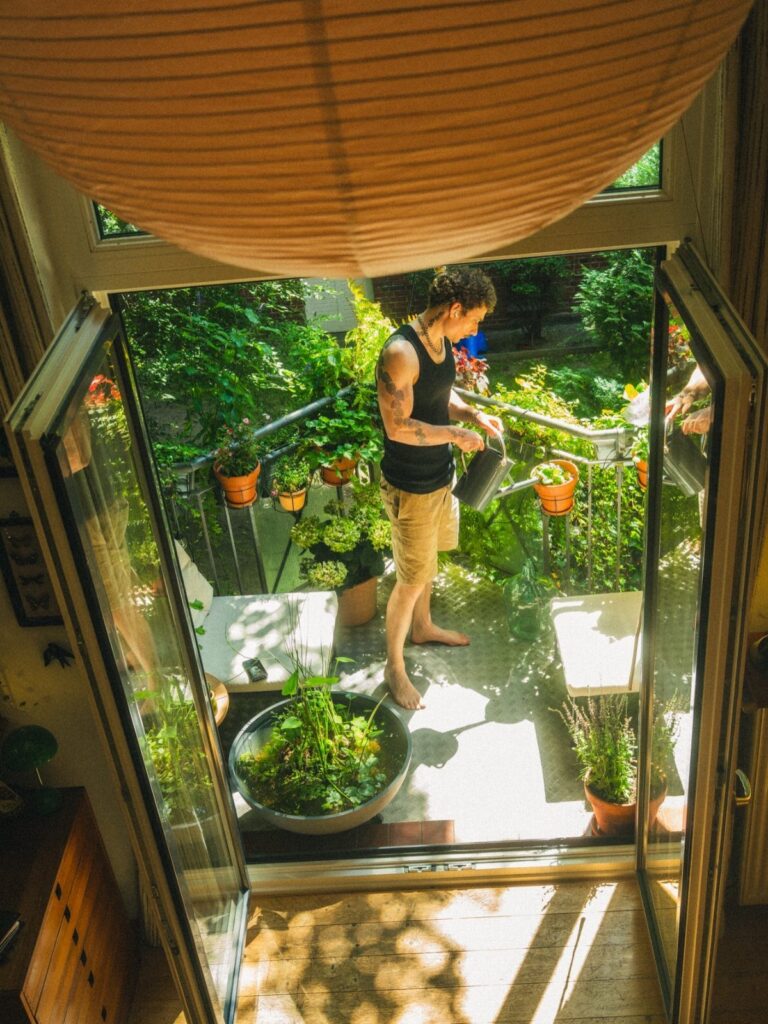
A balcony garden plant can live in a grow bag, a hanging pot, or a built-in soil bed that spans the whole floor, and what decides which one is yours is how much weight your balcony can hold and how many hours of direct sun it actually gets.
[link-whisper-related-posts]1. Balcony Plants Grouped by Height and Color
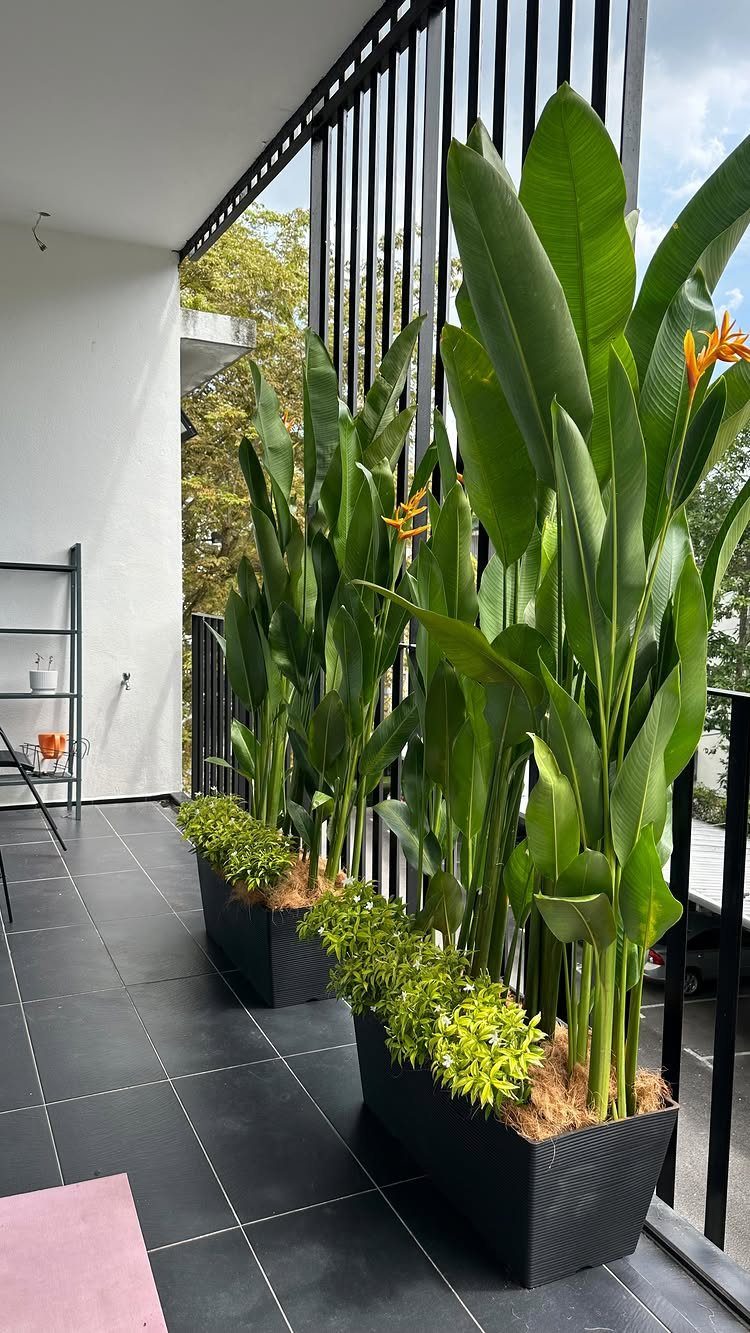
Grouping plants by height and color turns a narrow balcony into something intentional. The tall orange blooms draw the eye up, the low green shrubs anchor the base, and nothing fights for the same visual space.
Before you buy, check your balcony’s light pattern. A spot that reads full sun at noon might be shaded by three, and the wrong plant in the wrong tier wastes both money and the season.

QUALITY – Our premium bamboo slat fence are all hand made, using the high quality bamboo from the subtropical monsoon climate region. Garden fence is made of split bamboo and can be used to section off parts of the garden or line a path or driveway to add a tropical charm to your outdoor living space. Bamboo is eco-friendly materials, all bamboo stakes are hand selected and hand treated.

ECO-FRIENDLY MATERIAL – Our premium bamboo slat fence are using the high quality natural bamboo from the subtropical monsoon climate region.Bamboo is eco-friendly materials,and all our bamboo stakes are high temperature and anti-corrosion treatment,so it lives for long time.

HIGH QUALITY: Our bamboo fences are selected from high quality 100% natural bamboo, dried and carbonized, each slat fence is connected together by vinyl coated wire, suitable for indoor and outdoor.
2. Container Gardening
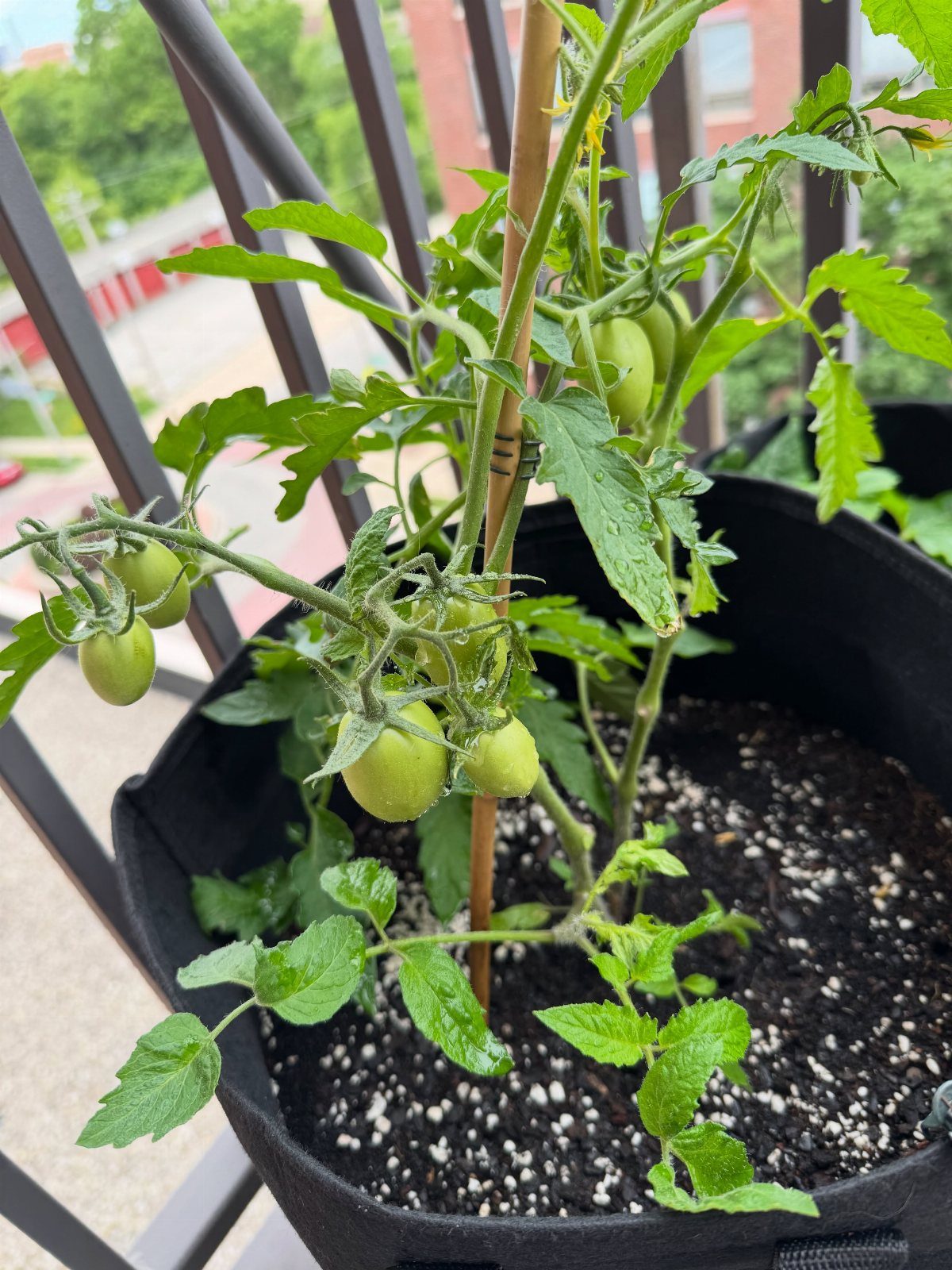
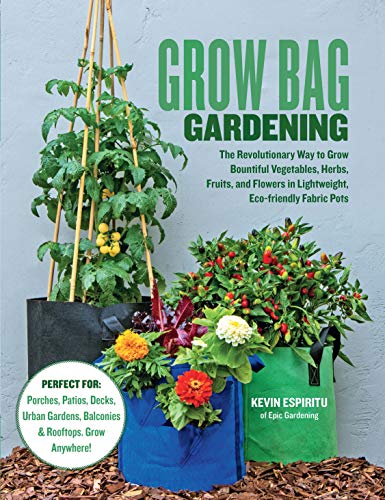
A fabric grow bag is the cheapest way to test whether tomatoes survive your balcony’s wind and sun before you commit to heavier pots.
The black fabric heats roots faster than terracotta, which matters in short-season cities; the handles let you drag the whole plant to chase light or dodge a storm.
Bamboo stakes are cheap enough to replace each season, and one per plant is enough for determinates.
I would skip the cage unless your variety sprawls. The real check is weight: a soaked grow bag with mature fruit gets heavy fast, so confirm your railing or floor can take several.

【Elegant Ceramic Material,No Fear of Sun & Rain】:Selected premium ceramics,fired at high temperatures, offer excellent stability,this hanging ceramic planter stands up to sun and rain for a long service life.The surface is smooth and shiny,pure white,delicate to the touch and easy to clean, and blends naturally with various home styles, adding exquisite beauty to the plants.

Kvetto hanging planters feature color blocking design between pot and brown drainage tray, equipped with metal long-chains & screw-in hooks

Self Watering Pot: Cotton rope in the tall self watering planter for indoor plants absorb water from bottom and keep the soil moist. Plant wick pots store water can feed plants for two weeks or more. It makes your travel or business trip an big ease! Plants Not Included!
3. Vertical Gardening
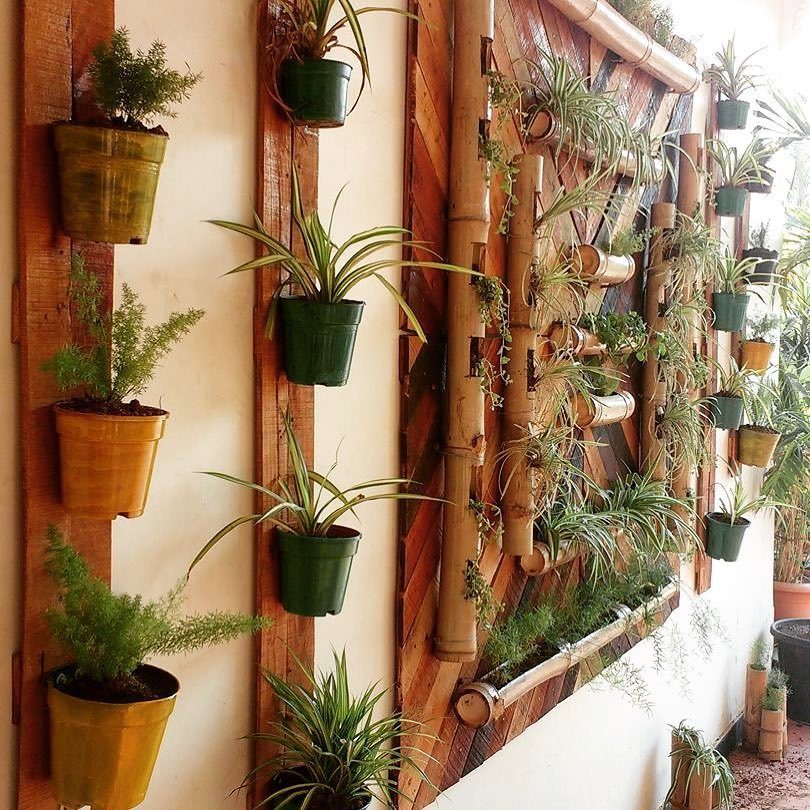
Wooden slats and hollow bamboo poles turn a blank wall into planting real estate without eating floor space.
The slats carry the weight, the bamboo sleeves hold individual pots, and the whole system stays light enough for a rental balcony where drilling is limited.
I would mount this on the wall that gets morning sun and afternoon shade; ferns fry in direct afternoon heat.
Check that your wall material takes anchors: brick or concrete is straightforward, vinyl siding needs a different bracket. I would use this on a covered patio too; open rain rots untreated wood faster than you’d expect.

Sturdy Fabric Material: Our Non-Woven fabric grow bags are crafted using high-strength weaving technology, which allows the planting bags to remain lightweight while possessing an impressive ability to bear weight.

Superior Aeration and Drainage for Healthier Roots:Thick nonwoven fabric allows excellent airflow and water drainage to prevent overwatering and root rot promoting stronger plant growth
4. Hanging Planters
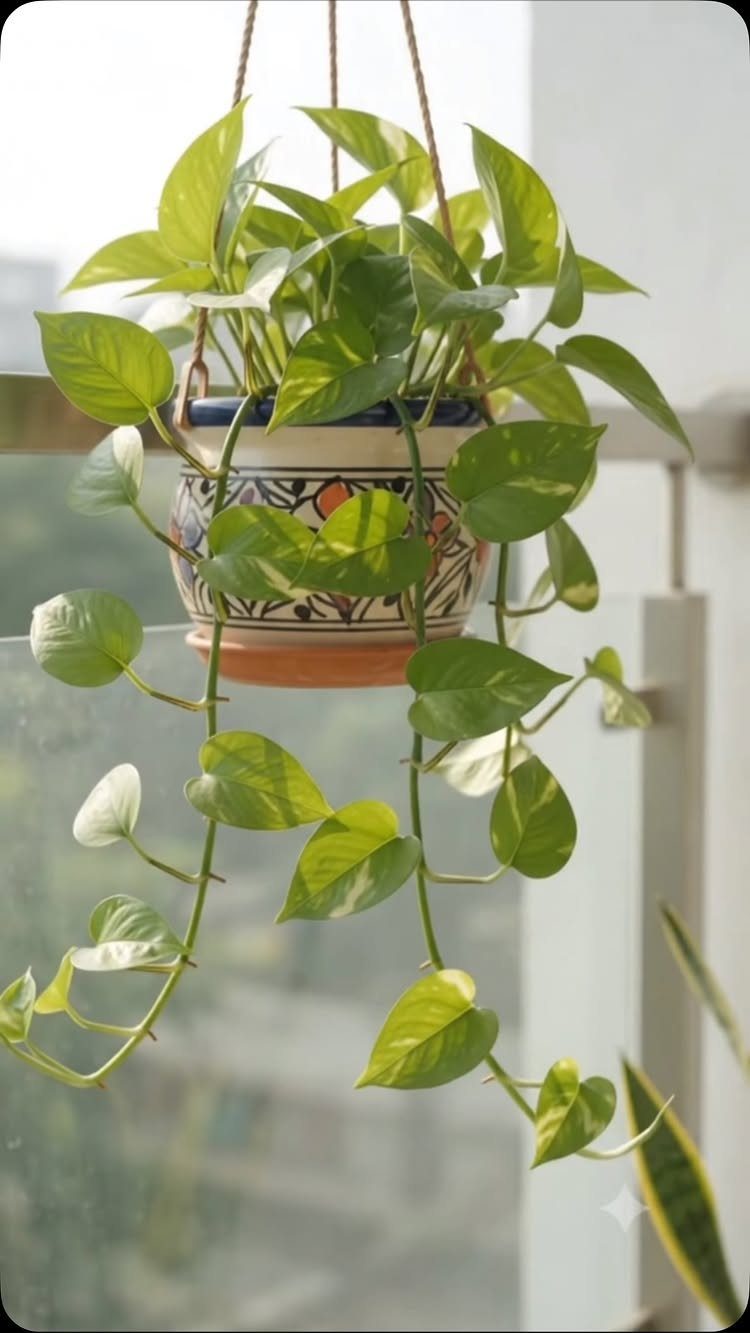
A single trailing pothos in a ceramic hanging pot buys you greenery at eye level without surrendering a square inch of floor.
The rope suspension sways, so check your ceiling hook or railing bracket for play; a rigid mount snaps under wind load.
I like ceramic over plastic for the weight: it steadies the plant in a gust.
A full, lush pot matters more than head count on a small balcony. Watering is the trade-off: these dry out faster than ground plants, and a drip pan saves your neighbor’s patience.

Balcony Rail Planter: Rectangular outdoor planters was designed to maximize inside growing space allowing dirt and roots to grow strong and deep.This special design can be hung on the balcony, window, garden,railing, anywhere in the room,also can be used as desktop.

4-Pack Deck Railing Planters: Includes 4 rectangular plastic planter boxes and 2 sets of double-sided adjustable brackets to double your planting space. Perfect for herbs, flowers, succulents, and small veggies, these railing planters create a stylish green corner without taking up valuable floor space

4-Pack Deck Railing Planters: Includes 4 rectangular plastic planter boxes and 2 sets of double-sided adjustable brackets to double your planting space. Perfect for herbs, flowers, succulents, and small veggies, these railing planters create a stylish green corner without taking up valuable floor space
5. Balcony Vegetable Garden
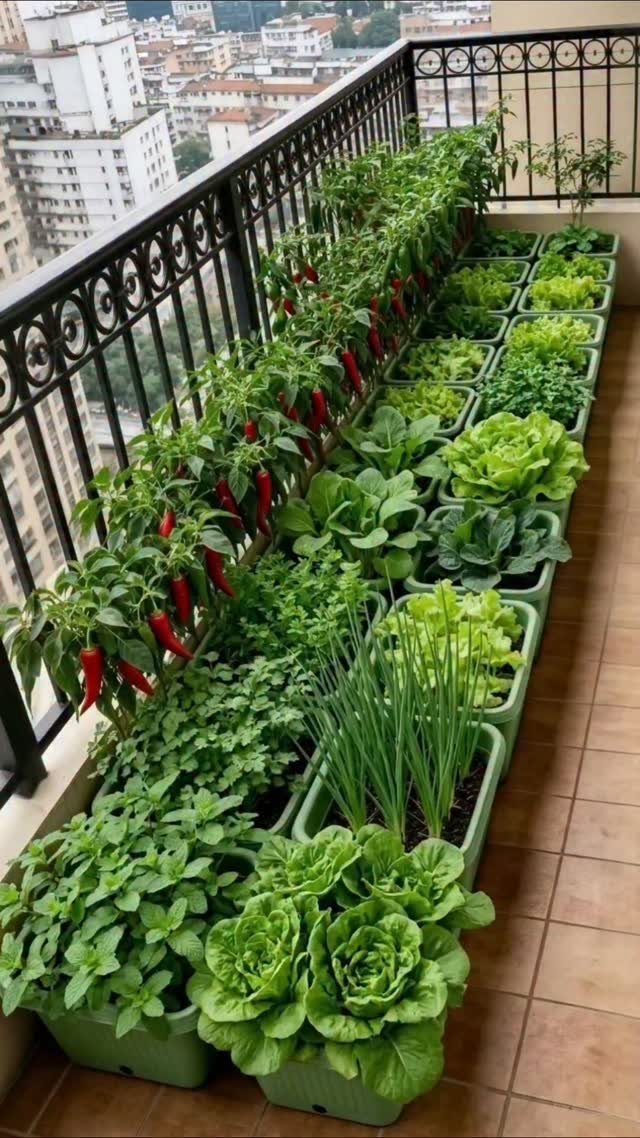
Rectangular planters lined along a railing turn a city balcony into a working kitchen garden.
Lettuce and green onions handle shallow boxes fine; chili peppers want more depth and more sun, so place them at the ends where light lingers longest.
I would start with one box, not four.
Herbs recover from rookie mistakes; peppers do not. Plastic boxes have the edge here: terra cotta cracks in a freeze, and fabric sags under wet soil plus the weight of vegetables.
Check your railing height against the box depth; you need the top edge below waist level for stable harvesting.
Growing plants in a limited space like a balcony or terrace can be a challenge even for an experienced gardener, but it’s also a great opportunity to be creative and have fun.


Hanging Planters for Indoor Plants: Super load-bearing triangulated chain with three rust-resistant chain and hook, strong, durable and increased stability of hanging plant holder. The hanging flower pots' thick sidewalls are made of high-quality plastic, size: 9.5" D x 5.5" H. With a vertical hanging design, it conveniently saves space
6. Climbing Plants Framing Balcony Doors
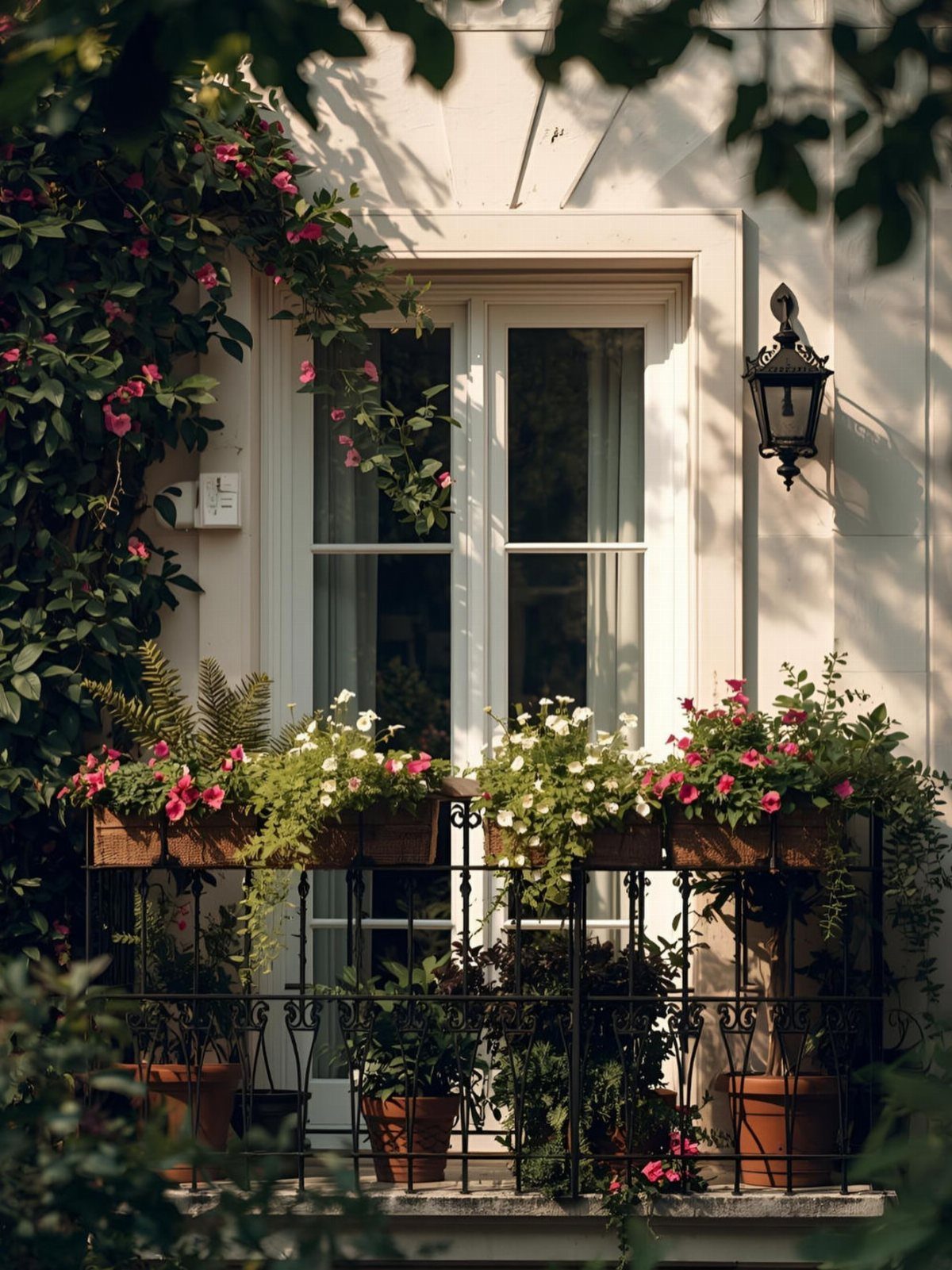
Climbing vines beside a balcony door turn a plain frame into something that looks established.
I would set the trellis slightly off the wall so air can move behind it. The terracotta pots flanking the door are a classic pairing, but they dry fast; I would use glazed ceramic or add a saucer beneath each.
The window boxes carry annuals for color while the vine fills in, and replacing those yearly is the ongoing cost. Check your lease before drilling for trellis mounts; adhesive hooks fail under mature vine weight.

QUALITY: Jollybower bamboo slat fence is made from carefully selected natural bamboo, sourced from premium mid-latitude monsoon climates. Each fence is clean, strong, and straight. Bamboo slat rolled fencing is naturally waterproof and built to last for years.
QUALITY: Jollybower bamboo slat fence is made from carefully selected natural bamboo, sourced from premium mid-latitude monsoon climates. Each fence is clean, strong, and straight. Bamboo slat rolled fencing is naturally waterproof and built to last for years.
7. Balcony Plant Shelving Display
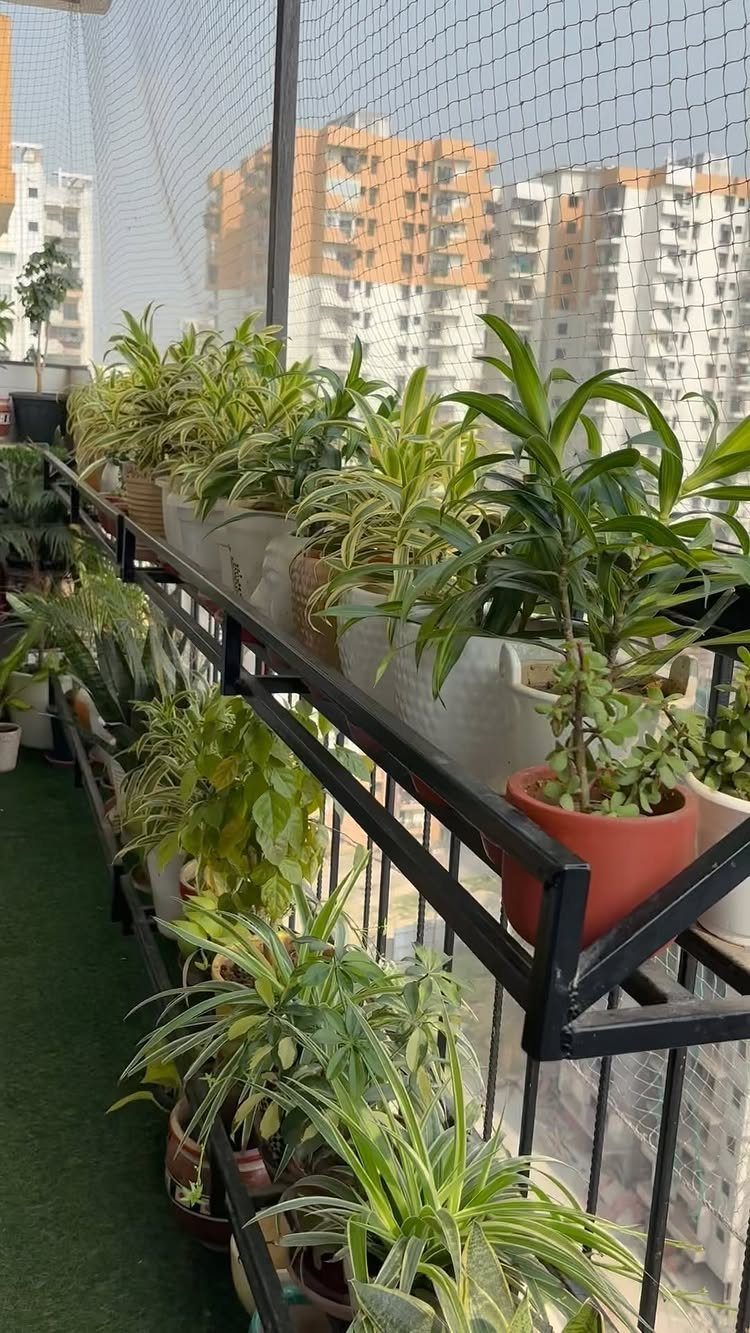
Tiered metal shelving on a railing multiplies small-balcony plant capacity without touching the floor. 2 rows of black racks give enough depth for herbs and compact houseplants; spreading vegetables would shadow each other in that setup.
I would face the shorter tier toward the light source and keep the taller one toward the wall, so each level gets its share.
The safety netting behind the rack is a detail I would copy; a gust lifts empty pots, and soil adds weight but not enough.
Check your railing width against the bracket, as rack mounts vary and a poor fit will wobble or slip.

Elegant & Unique: Modern and elegant hanging basket with semicircular shape is coupled with an vintage and sturdy jute rope hanging system. The hanging plant pot is wide and deep enough for plants with bigger root systems.

Elegant Modern Boho Design - It creates a distinctive modern-inspired look and arts feel. Hanging Ceramic Planter are designed to hold your lovely plant, such a ivy, herbs, philodendrons or other plants with it's modern minimalism design

Self Watering Pot: Cotton rope in the tall self watering planter for indoor plants absorb water from bottom and keep the soil moist. Plant wick pots store water can feed plants for two weeks or more. It makes your travel or business trip an big ease! Plants Not Included!
8. Balcony Soil Beds
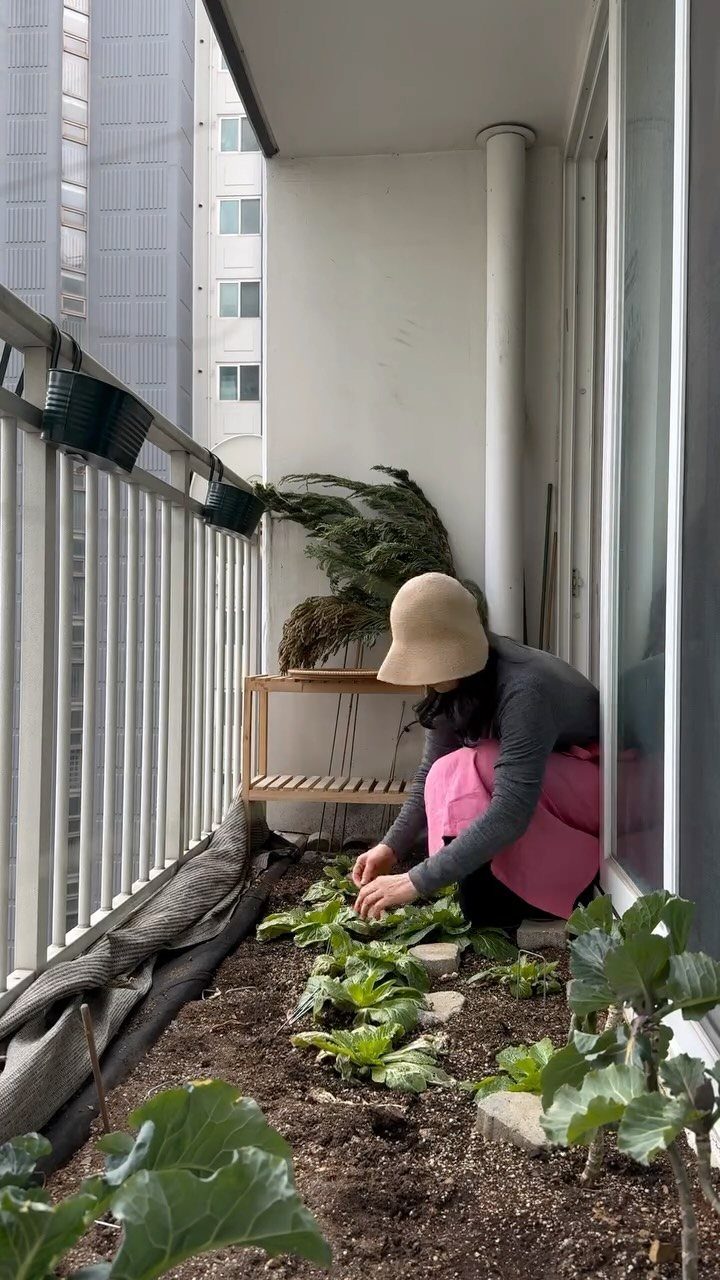
A built-in soil bed across a balcony floor gives vegetables root space no container matches, but it also commits the whole footprint to one purpose.
A narrow, shallow bed suits leafy greens and compact herbs; tomatoes or peppers would need deeper soil than balcony weight limits usually allow.
I would line any wood bed with pond liner or heavy contractor bags; direct soil contact rots untreated boards in 2 seasons, and replacement means hauling the whole system out.
Check your lease and your floor load rating before filling. A saturated soil bed weighs far more than it looks, and not every balcony is rated for that kind of load.

Grow More in Small Spaces – This 4 pack upside down tomato planter set includes hooks for easy hanging and helps turn patios, balconies and garden corners into productive growing space. A practical choice for anyone looking for hanging tomato planters, grow bags or planter bags for vegetables and herbs.
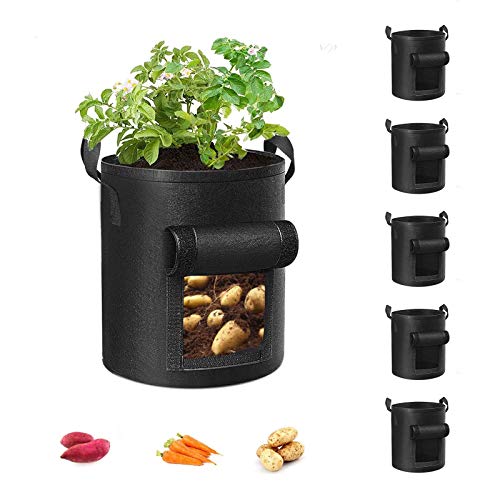
Durable Material: Made of 300g thick non-woven fabric that can be reused for more than 3 years.

Fast Drainage & Healthy Roots:Breathable 300G non-woven fabric improves airflow and drainage, preventing over-watering and root rot while encouraging strong root growth for healthier plants.
Balcony Conditions
Sunlight is the first thing to get right, and reading your balcony’s actual pattern matters more than which direction it faces.
A south-facing balcony surrounded by taller buildings can still read as shade, while reflected sun off windows can push heat past what the thermometer shows.
I would stand on my balcony at morning, midday, and afternoon before buying anything; that direct sun window is what separates sun-loving from shade-tolerant plants.
Wind dries pots faster than heat does, and it gets worse with height.
A balcony on the fourth floor catches gusts that ground-level gardens never see. Privacy screens work as windbreaks if your building allows them; check that rule before you plan around one.
Weight limits matter more than most renters guess. Wet soil is heavy, and a large ceramic pot with a mature tomato plant adds serious weight fast.

【Universal Fit for Most Railings】Stop worrying if it will fit! Our adjustable railing planter boxes bracket (made of sturdy, powder-coated iron) securely mounts on any railing from 1.6" to 4.9" wide. This no-drill design protects your property, giving you a stable, custom fit for your balcony, deck, or patio fence.

【Balcony Greening Artifact】This railing hanging balcony planter has a modern and minimalist look, suitable for growing various types of flowers and plants, such as herbs, fruits, vegetables, cacti, succulents, ferns, adding a touch of fresh nature to your house.

Generous 40-inch Length for Expansive Planting: this extra-large rectangular planter box measures 40 inches long, providing ample space for creating lush, cascading floral arrangements or a substantial herb garden; Its spacious design is well-suited for covering long stretches of railing or filling empty wall areas, allowing you to make a bold visual impact on balconies, patios, or fences; The two-pack offering enables symmetrical displays without the need for multiple separate planters
Watering Strategies
Container plants need water more often than ground beds because roots have nowhere else to go.
In zones 7-9, that means checking daily in summer heat and watering when the top inch of soil dries, typically every one to two days.
I would water when the sun is low to keep more of it in the soil where roots can reach it. Midday watering in full sun wastes water through rapid evaporation before the roots can take it up.
Self-watering pots cut the schedule down by pulling from a reservoir at the base.
The upfront cost is higher, but the time saved adds up fast on a balcony with more than a few pots. You can find them at nurseries and big-box stores, or build one if you are handy.
Mulch helps slow drying: a 2-inch layer on top of the soil buys you half a day in hot weather. Grouping pots together also raises humidity around them and blocks wind from hitting every side.

1.Realistic Mixed Foliage Design Combines Boston fern texture with dragon’s blood tree style leaves, creating a lush and natural-looking decorative set for indoor and outdoor spaces.

【Packing Includes & Care】1 bunch of tall ferns (22.8") and 12 bunches of Morning Glory flowers in 2 colors (6 bunches per color, vase not included). Flowers are safely packed and may arrive compact; they will spring back naturally in a few days or can be gently reshaped by hand.

Package Include:The package includes 3 pieces of artificial daisy flowers vines with Boston ferns.Each hanging flower branch showcases clusters of flowers and lush dark green leaves.Artificial flowers for outdoors brings a lasting and vibrant spring atmosphere to your home or garden without requiring any care.
Container Selection
Drainage holes are non-negotiable.
Without them, water sits against roots and rots them; with them, excess runs through and you water more often. That trade-off is worth it.
Larger pots hold moisture longer because they hold more soil volume.
I would start wide for anything I want to keep alive through July without daily attention. Small pots look tidy but dry out before dinner.
Lightweight potting mix matters more than the pot material.
Garden soil is too dense for containers; it compacts and drowns roots. A bag labeled for container gardening is the right move, even if it costs more than topsoil.
Self-watering containers take the reservoir idea further, wicking water up from a chamber below. They are the next step up from large pots if your balcony runs hot or your schedule runs tight.