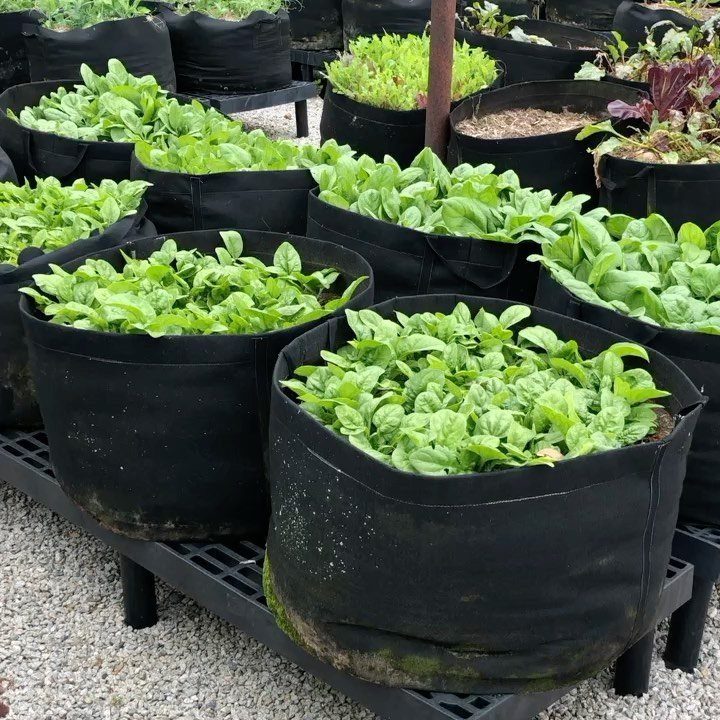
The 9 vegetables here run from 6-inch lettuce trays to 15-gallon zucchini bags, so the container you already own is what narrows the list.
I stake pepper branches early; ripening fruit can split stems that look tougher than they are, and a bamboo stake set at planting time costs nothing compared to losing the crop.
[link-whisper-related-posts]1. Peppers
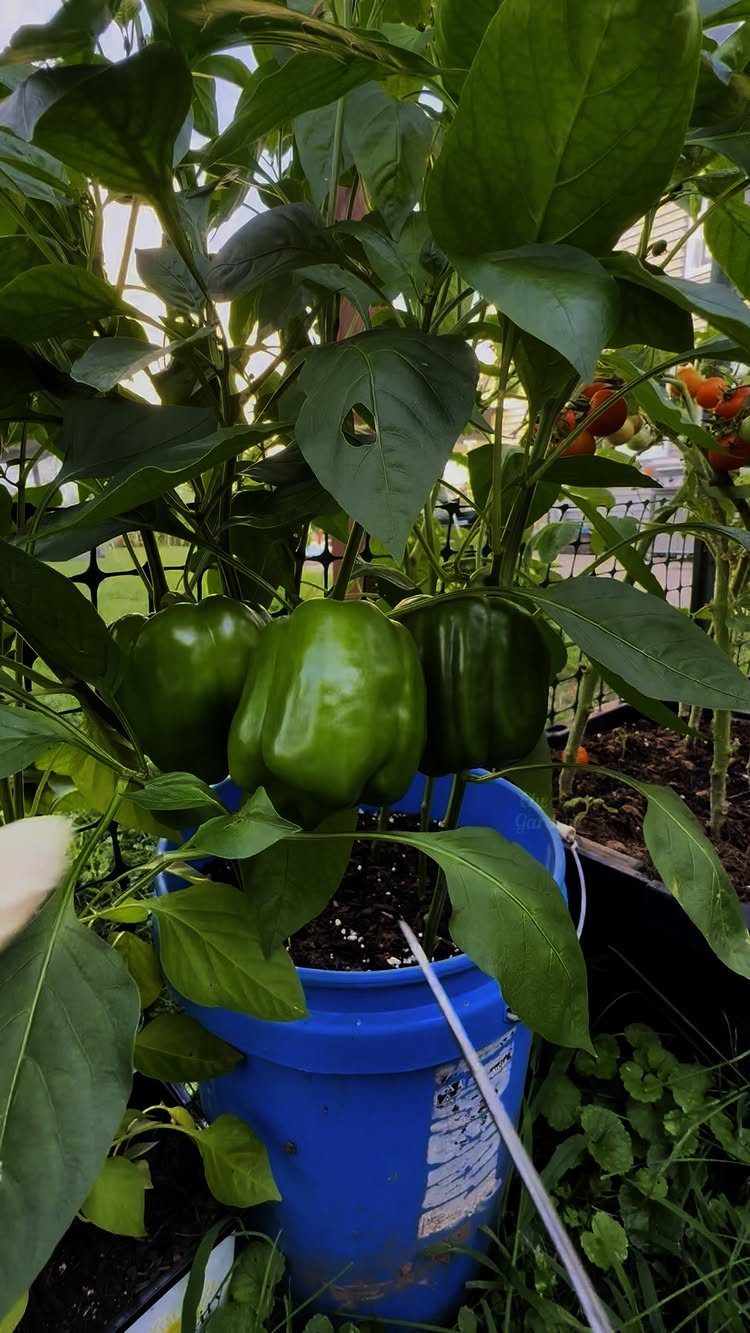
Peppers are the crop that convinced me container gardening is worth the container cost. A 5-gallon bucket is the minimum I’d use for peppers; anything smaller and the plant runs out of root room before it runs out of summer.
Compact varieties labeled "patio" or "container" stay small and still bear full-size fruit. I look for those tags rather than trying to train a standard variety into submission.
One plant per bucket, in full sun, and I stake early. The weight of ripening peppers can split branches I thought were sturdy.

Sturdy & Garden-Ready Material: Made of 300g of thickened nonwoven fabric, these pots are moderately permeable, environmentally friendly, and BPA-free; Ideal for raised beds, patios, and outdoor gardens

HEAVY-DUTY CONSTRUCTION: Made from thick plastic with a substantial rim and reinforced grid base, these deep net pots provide a sturdy container for hydroponic planting and repeated use.

Perfect fit - 6 inch net pot lid is fits good on standard 3.5 and 5 gallon buckets. Also fit for 5 gallon Lowe's bucket and home depot buckets. The diameter wide Lip is 12".
2. Lettuce
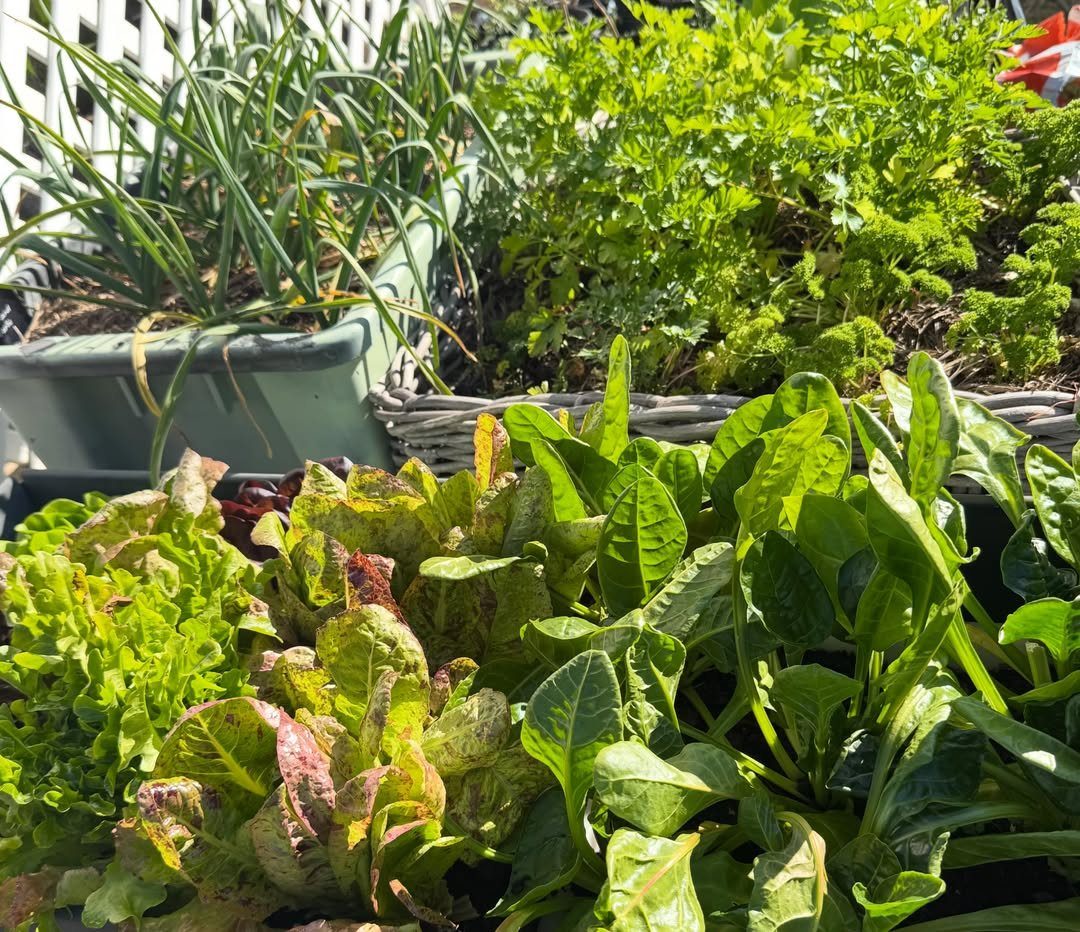
Lettuce repays impatience better than almost any vegetable I grow. Cut-and-come-again varieties, with their dense leaf clusters, are ready for a first harvest quickly and keep producing through multiple cuts from the same base.
I sow every 2 weeks for a rolling supply rather than one overwhelming flush. The shallow roots mean a 6-inch container depth is enough; I use window boxes and old bread pans, not deep pots.
Partial shade in midsummer keeps bitterness from setting in faster than bolting does. I move containers or erect temporary shade cloth when afternoon heat gets intense; lettuce bolts fast once soil warms.

COMPLETE VARIETY PACK: Eight popular lettuce seeds including Buttercrunch, Romaine, Iceberg, Bibb, Red Oakleaf, Prizehead, plus Kale and Spinach; Perfect lettuce seeds for planting outdoors or in hydroponic systems


BUTTERCRUNCH LETTUCE SEEDS FOR PLANTING – High-performing butterhead lettuce (Lactuca sativa) variety for spring and fall gardens; heat-tolerant plants stay crisp, sweet, and tender through changing temperatures
3. Potatoes
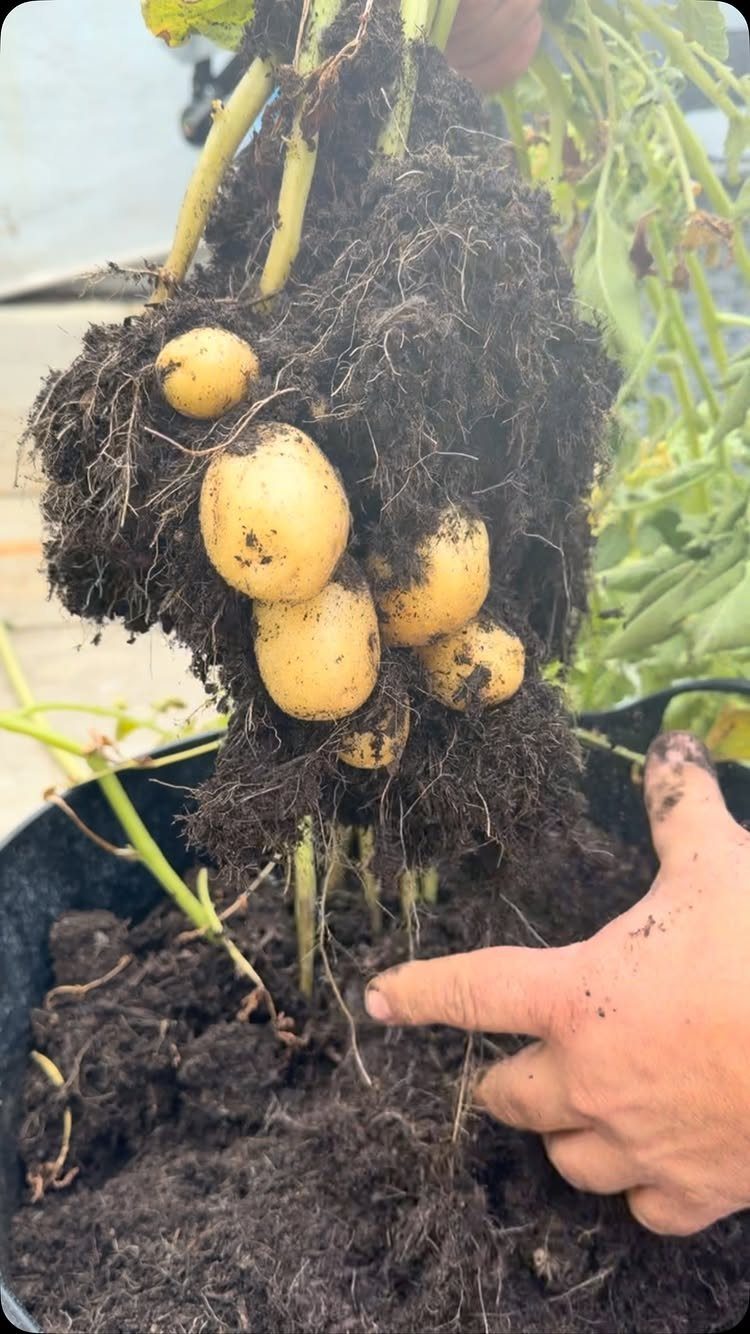
Potatoes in containers solve the digging problem that keeps me from growing them in ground.
I start with 6 inches of potting mix in the bottom, plant seed potatoes, and add more mix as stems grow, leaving only the top leaves exposed.
Fabric grow bags work better than rigid plastic because they collapse for harvest and store flat in winter.
A 10-gallon size gives me a modest harvest at season’s end, enough for a few meals, not a cellar.
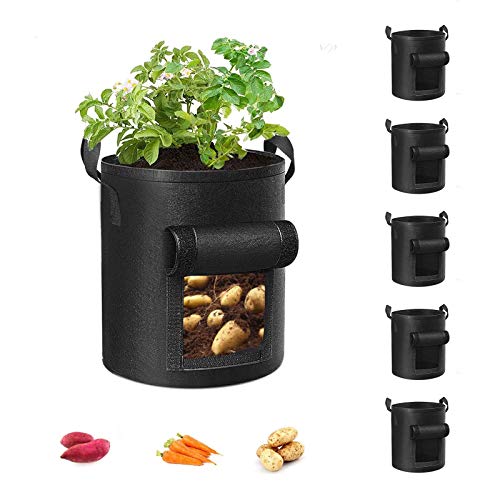
Durable Material: Made of 300g thick non-woven fabric that can be reused for more than 3 years.

[Fabric Material]:Made of thickened nonwoven fabric,high strength, excellent anti-ultraviolet performance, long durability, good air permeability and water permeability.

Lyincat 4 Pack 10 Gallon Potato Grow Bags with Flap and Handles, Heavy Duty Fabric Pots for Planting Potato,Carrots,Taro
4. Potted Cilantro
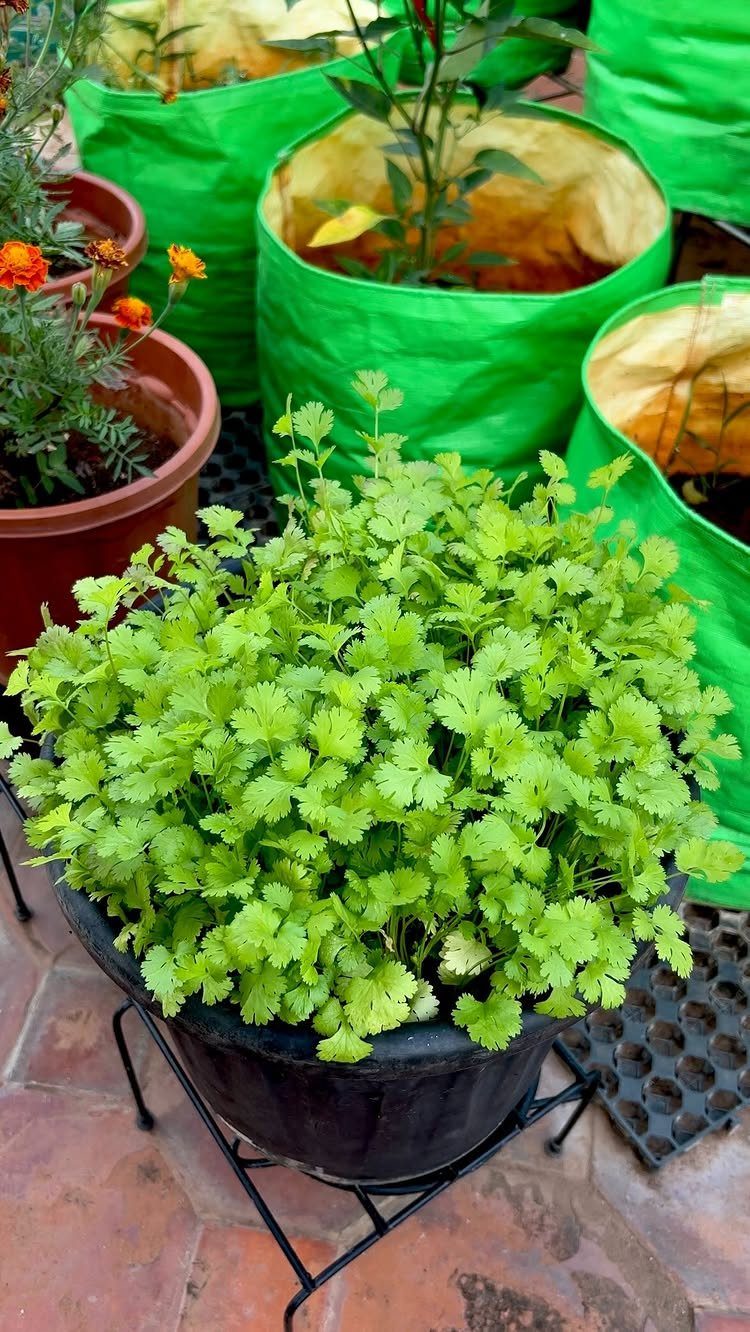
Cilantro bolts to seed so fast in summer heat that I treat it as a succession crop, not a single planting.
A dense pot of cut-and-come-again leaves is what I aim for with cilantro; the condition I rarely maintain past late June.
The maker behind this example notes 15–20 days to first harvest for leaf cuts.
I sow fresh seed on a steady rotation in that same window, in fresh potting mix, because old mix seems to carry something that slows germination or invites dampening off.
Morning sun and afternoon shade, kept evenly moist, gives me the longest leaf window before white flowers take over.

Add a festive flair to your kitchen with the Sierra 72 oz ceramic bean pot. A hand-painted look with bold multicolor stripes, this vibrant serving piece is ideal for dishing up hearty chilis, stews, beans, and more. Its generous 72-ounce capacity ensures you'll have plenty to go around at your next gathering. Built for everyday use with a touch of celebratory charm.


Handcrafted Mexican Pottery – Each pot is meticulously handmade by skilled artisans, showcasing the rich cultural heritage of Mexican craftsmanship.
5. Broad Beans
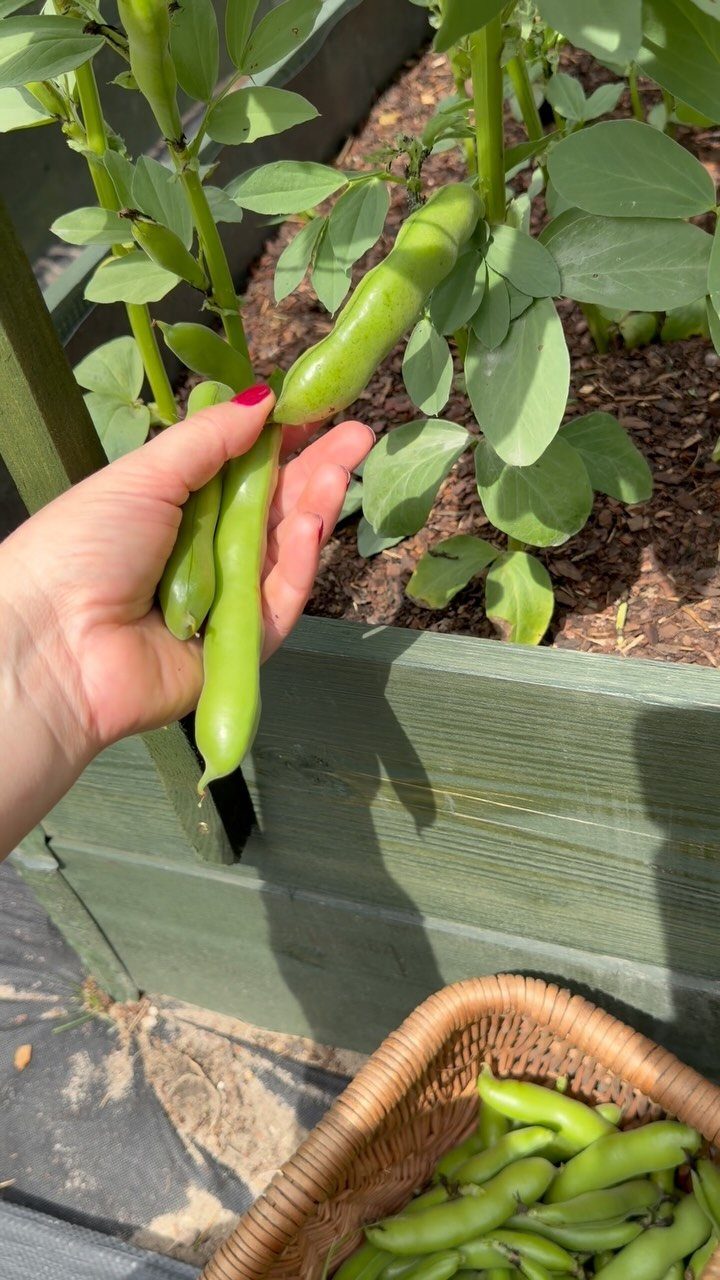
Broad beans are the one entry here I grow more for the plant’s presence than the harvest’s weight. A sturdy upright growth habit and hand-sized pods suit broad beans; I’d use a deep container for the root depth they need.
They fix their own nitrogen, so ordinary potting mix without extra feeding carries them through. I plant in late winter or very early spring, as soon as the soil can be worked, because heat finishes them fast.
The fuzzy interior of split pods bothers some eaters. I shell and slip the pale skins off each bean if I’m serving guests; for myself, I accept the texture and save the labor.

[Fabric Material]:Made of thickened nonwoven fabric,high strength, excellent anti-ultraviolet performance, long durability, good air permeability and water permeability.

Perfect fit - 6 inch net pot lid is fits good on standard 3.5 and 5 gallon buckets. Also fit for 5 gallon Lowe's bucket and home depot buckets. The diameter wide Lip is 12.5".

TURN ANY 5-GALLON BUCKET INTO A SELF-WATERING PLANTER: GroBucket is a planter insert that turns a standard 5-gallon bucket into a simple self-watering container garden. Bucket not included, so you can use your own bucket and start growing with less daily watering.
6. Cherry Tomatoes in Pots
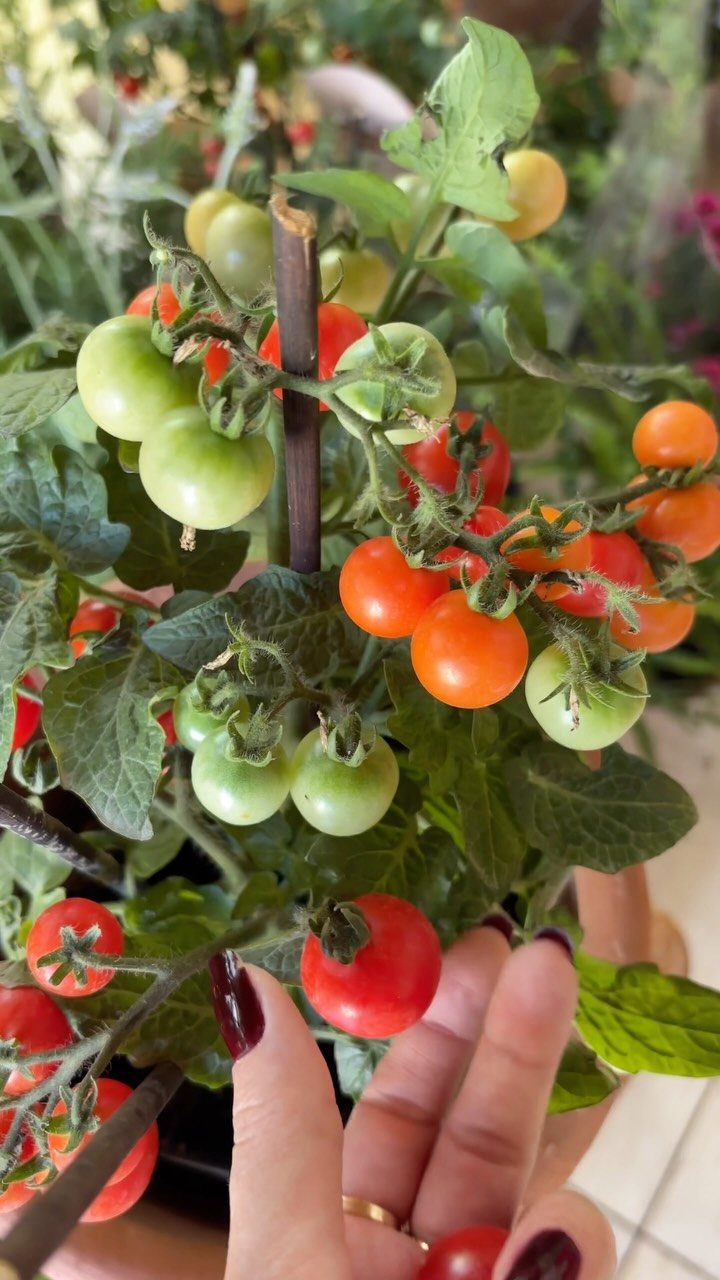
Cherry tomatoes are my gateway recommendation for anyone who has killed a full-size tomato in a container and swore off the crop.
Heavy clusters with fruit at every stage from green to split red come from varieties bred for contained roots: ‘Tumbling Tom,’ ‘Tiny Tim,’ ‘Balcony’ are names I look for on seed packets.
A 12-inch pot is the minimum for cherry tomatoes, though I prefer more width for the water reservoir.
Consistent moisture is what prevents blossom end rot in containers, more than any calcium additive; I check daily in July, twice daily in August.
I pinch suckers on indeterminate types to keep the shape manageable. Determinate patio types I let run wider, since they hit a built-in size limit anyway.

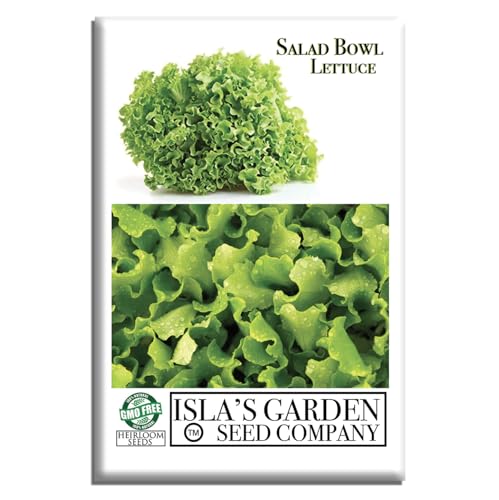
🥬 Includes 1,000+ Non-GMO Heirloom Salad Bowl Lettuce Seeds (Lactuca sativa) — a tender, oakleaf-type variety producing loose, ruffled leaves with a mild, sweet flavor perfect for salads, sandwiches, and wraps.
🥬 Tender Oakleaf Cut-and-Come-Again Variety: Salad Bowl Lettuce is a classic loose-leaf oakleaf variety known for its deeply lobed leaves and tender texture. These productive plants allow gardeners to harvest outer leaves repeatedly, making it ideal for cut-and-come-again harvesting. Gardeners appreciate this variety for its steady production of mild, flavorful greens perfect for fresh salads and garden meals.
7. Spinach in Containers
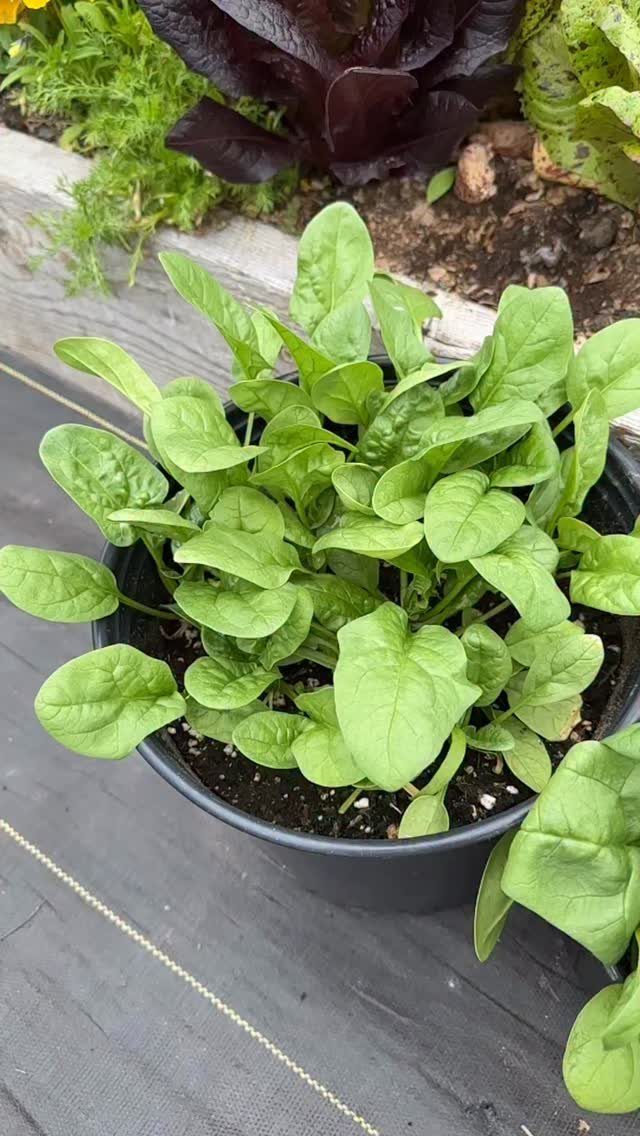
Spinach roots grow wide and shallow, so a nursery pot works better than a deep cylinder I’d need for carrots.
I wait for soil to cool in late summer for a fall crop; spring spinach bolts to seed before I get more than 2 picks.
Consistent moisture keeps leaves tender. I check the top inch daily; one dry spell and the next leaves come in tough.
Partial shade extends the season by a week or two where I garden. Full sun eats the harvest window fast.
Sturdy Fabric Material: Our Non-Woven fabric grow bags are crafted using high-strength weaving technology, which allows the planting bags to remain lightweight while possessing an impressive ability to bear weight.

4 Packs 10 Gallon Potato Grow Bags: Each grow bag measures 13.8x13.8x17.8inches, providing ample growing space for potatoes, tomatoes, peppers, carrots, onions, garlic, and more.

What You Get :12 pack 10 gallons grow bags with 12pcs plant labels. 10 gallons pot dimensions : 16" Diameter 12" Height.
8. Carrots in Deep Containers
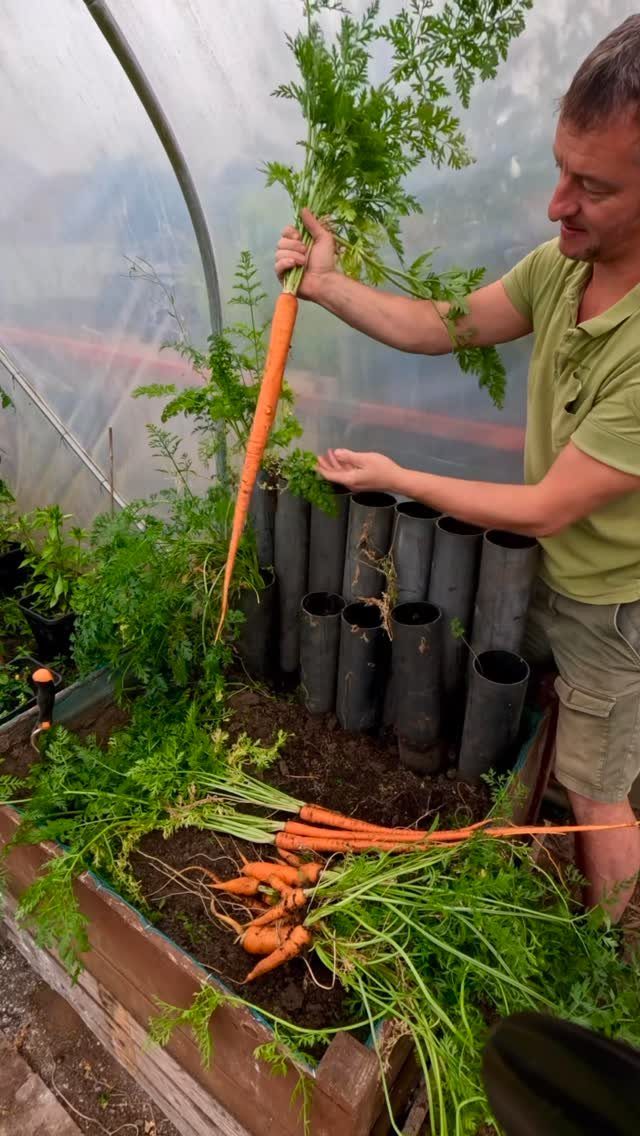
Pipe sections can force the straight growth that supermarket carrots imitate. Carrots fork and twist in rocky soil; a smooth cylinder of loose potting mix gives them nothing to bend around.
Standard varieties need more depth than baby carrots; I’d plan for the deeper pot from the start.
I fill to the brim, sow thinly, and thin again once seedlings show true leaves. Crowded carrots compete for diameter and end up spindly.
The greenhouse setting says season extension, but containers on a patio work for summer crops anywhere. Harvest is the only way to check progress; I pull one early as a gauge.
Smaller vegetables such as beets, carrots, radishes and turnips also grow well in containers because the loose, well-drained potting mixes used for container gardening allow roots to grow easily.

Durable & Chip-Resistant: The porcelain enamel surface is expertly applied to steel, creating a chip-resistant bean pot designed to last. Its non-porous surface ensures long-lasting durability.

Olla Frijolera (hand‑crafted clay bean pot) Handcrafted by Mexican artisans, versatile for cooking beans, stews, café de olla—or decorative use. Beautifully rustic and unique in appearance.

Handcrafted 3-Quart Traditional Mexican Clay Pot with Lid Authentic, Artisan-Made | Ideal for Chili, Beans, Soups & More Bring authentic flavor and rustic charm to your kitchen with this beautifully handcrafted traditional clay pot. Made using time-honored techniques and natural clay, each pot is glazed inside and out, fired at low heat, and hand-painted with delicate floral designs—making every piece one-of-a-kind.
9. Container-Grown Zucchini
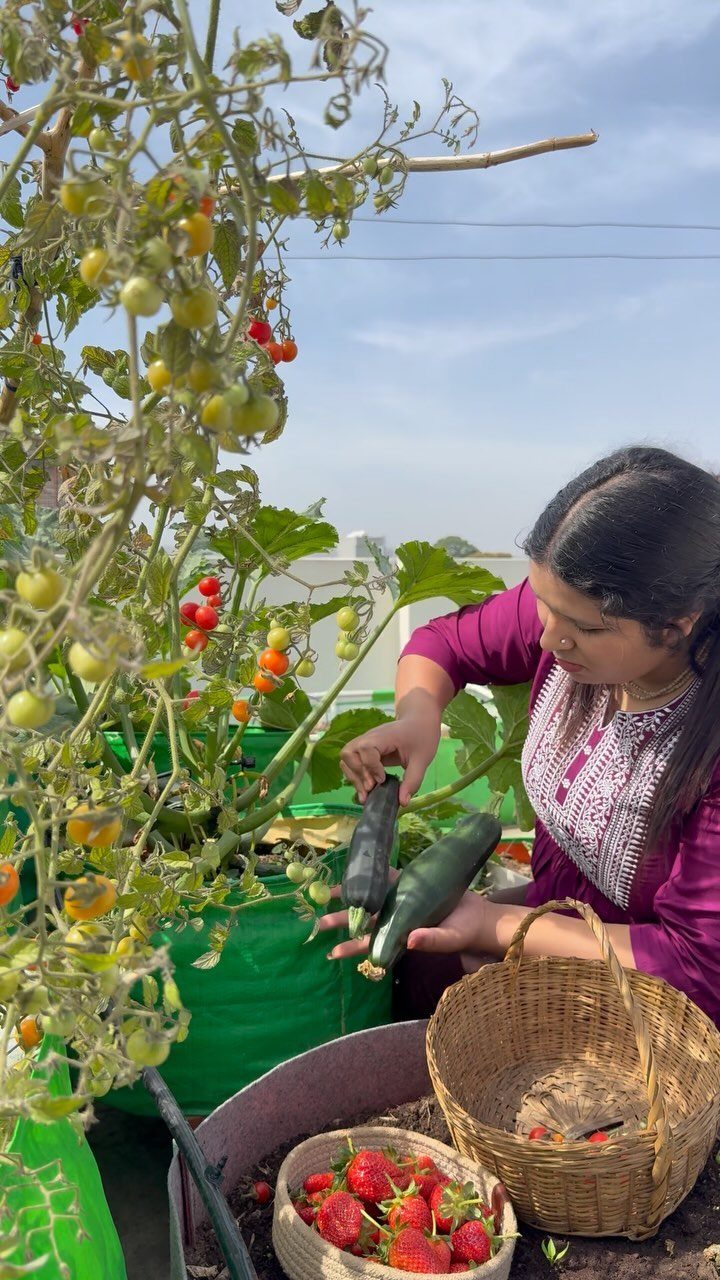
A rooftop garden with grow bags is exactly the proof I give to anyone who thinks squash demands acreage. Zucchini wants root room and heat; a 15-gallon fabric container on black asphalt provides both.
I choose bush-type varieties labeled compact or patio; vining types outrun a container almost immediately.
One plant per bag, no exceptions. 2 plants mean stunted fruit and powdery mildew from poor air circulation.
Hand pollination with a small brush is my insurance when rooftop wind keeps bees grounded.
Female flowers have a swollen stem behind the bloom; males stand on thin stalks. I check mornings, when both are open.

Practical Design: This 6-inch net pot lid is fits good on standard 3.5 and 5 gallon buckets.Also fit for 5 gallon Lowe's bucket and home depot buckets. The diameter wide Lip is 12.4".

Large capacity: these paint strainer bags fit 5 gallon bucket, which can filter particles and lumps larger than 250 µm, working well on filtering paints, stains and most types of liquids
Wide range of applications: this filter bag can be applied for filtering paint, stains and all types of liquids, also suitable for plant protection, aquaculture, beer brewing and other purposes
Container Size Requirements
A 12-inch pot is the floor for most vegetables, though I think 16 inches is smarter if you have the space. Carrots, eggplant, and tomatoes run deeper still; 12 to 18 inches gives their roots room to extend downward.
A 5-gallon container is the smallest I’d use for tomatoes or squash. Larger containers hold more soil and water, which means less babysitting on hot days.
The catch is weight. A big pot filled with damp soil is not moving off a balcony railing once it’s set.
Shallow-rooted greens are the exception. Lettuce and spinach get by in 6 inches, which opens up window boxes and bread pans that would starve a pepper plant.

🧑🌾 Colorful Cut-and-Come-Again Lettuce: Salad Bowl Red Leaf Lettuce is a productive loose-leaf oakleaf variety known for its deeply lobed red leaves and compact mounding plants. Gardeners can harvest the outer leaves repeatedly, making it ideal for cut-and-come-again harvests throughout the cool season. The tender leaves provide mild flavor and beautiful color for fresh salads and garden meals.


4 PACK PRODUCE CONTAINERS: TBMAXS fruit storage containers come with 4 sizes of 17.5 cup + 13.3 cup + 7.2 cup + 3.4 cup for fridge or pantry storage and organization. Airtight food containers is perfect to store fresh produce, fruit, lettuce, cabbage, berry, pre-cut food, salad mix, meat, seafood or dry food
Soil and Watering Needs
I use potting mix, not garden soil. Bagged mix is the only way I get reliable drainage in a container; garden soil turns to concrete in a pot and roots suffocate.
Potted soil bakes out faster than the ground does, so you are watering more often and you need to plan for it. I check daily in summer, twice daily in August for cherry tomatoes.
Drainage holes are non-negotiable. Excess water kills roots faster than dry soil kills leaves, and a saucer that sits full is a death sentence.
Sunlight Requirements
Tomatoes, peppers, and eggplant all want a solid 6 to 8 hours of sun hitting them directly, and they will let you know if they do not get it.
Tomatoes, peppers, squash, and eggplant all fall in this group. I place these pots on southern or western exposures where they catch the most light and warmth.
Lettuce, spinach, and other greens tolerate less. 3 to 5 hours keeps them producing; partial shade in midsummer even delays bolting.
Almost all vegetables want full sun as a rule, but the leafy crops are flexible enough for balconies with eastern exposure or spots that lose light to neighboring buildings.
I match the crop to the hours the spot actually gets, not the hours I wish it got.
Frequently Asked Questions
What vegetables can I grow in pots?
Almost any vegetable grows in a pot if you match the variety to the container size.
Peppers, lettuce, potatoes, cilantro, broad beans, cherry tomatoes, spinach, carrots, and zucchini all work well with the right setup. Big vegetables need big pots, and compact or dwarf varieties bred for containers stay manageable without sacrificing harvest.
What plants are good for pots all year round?
Warm-season vegetables are what I focus on here; for year-round planting, you’d need to switch to cold-hardy crops like kale or Brussels sprouts once frost arrives.
For continuous container growing, you’d need to rotate crops by season: leafy greens and broad beans in cool months, tomatoes, peppers, and squash when soil warms.
Herbs like cilantro succumb to summer heat and get replanted on rotation rather than lasting through the year.
What is the lowest maintenance vegetable to grow?
Lettuce repays the least effort with the fastest return.
Cut-and-come-again varieties produce multiple harvests from one planting, need only 6 inches of soil depth, and tolerate partial shade that reduces watering stress. Succession planting every 2 weeks keeps the harvest manageable instead of burying you in one giant batch.
What vegetables can I grow in a 5 gallon bucket?
Peppers and tomatoes are the minimum I’d put in a 5-gallon bucket; one plant per bucket, no exceptions. Squash wants more room, at least 15 gallons for zucchini.
Leafy greens like lettuce and spinach actually prefer shallower containers and waste the depth. Fruiting crops need at least 5 gallons to produce anything worth picking; smaller and you’re just feeding yourself disappointment.
What is the best container size for vegetables?
A 12-inch pot is the floor for most vegetables, though I think 16 inches is smarter if you have the space.
Greens like lettuce and arugula only need 6 inches of soil, so old window boxes or even deep bread pans can work in a pinch.
Root vegetables and heavy feeders want 12 to 18 inches of depth so roots can stretch down instead of circling and choking.
How often should I water container vegetables?
In July and August I water cherry tomatoes twice a day; anything less and the fruit splits or stops setting.
Container soil heats up and dries out faster than dirt in the ground, so expect to water more often than your in-ground neighbors.
Spinach leaves go bitter and tough the moment soil dries out, so I check the top inch every morning without exception.
Without drainage holes, you’re growing roots in soup; rot sets in fast and you won’t see it until the plant collapses.