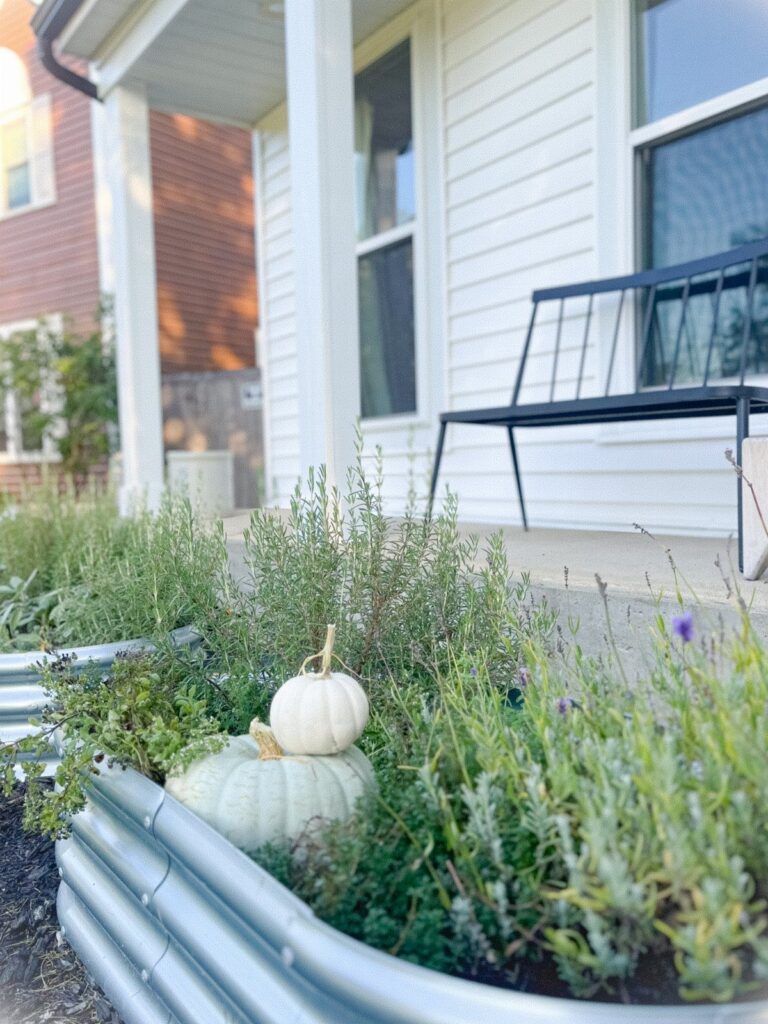
These herb garden ideas run from a few salvaged tin cans to a raised stone spiral, and the right one depends on whether you are planting on a windowsill, a balcony, or a corner of yard you can walk into.
I would pick based on sunlight and soil contact first; a repurposed plastic bottle vertical planter or planter box setup works where ground is paved, while a stone spiral garden bed needs flat earth and room.
Mint always belongs in a confined container, bottle or barrel, because in open soil it travels underground and overruns everything else you planted.
[link-whisper-related-posts]1. Container Gardening
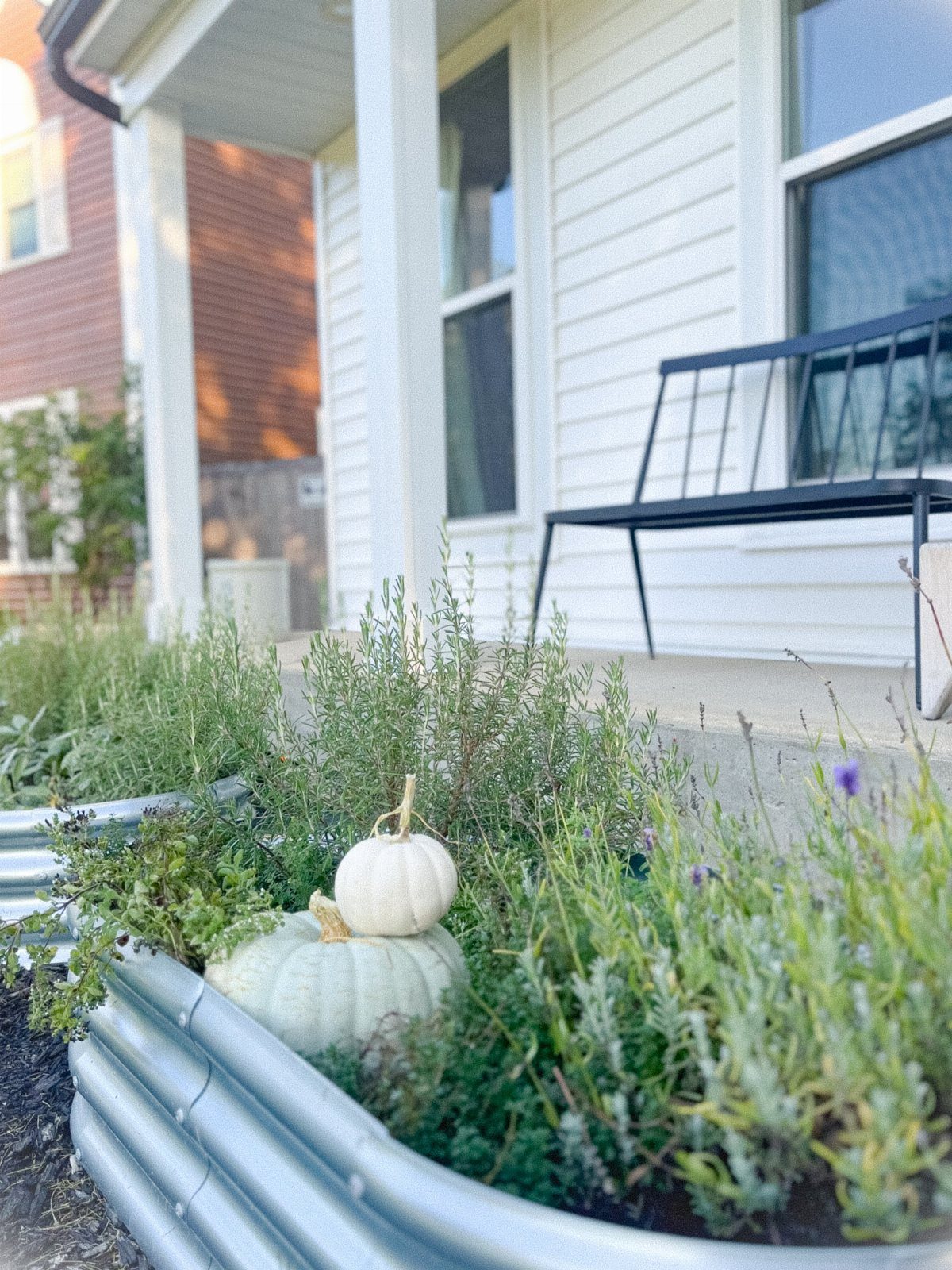
Corrugated metal holds up better than wood against wet soil and frequent watering, which is exactly what herbs need.
I would set any metal planter on feet or a tray if it sits on a deck; the drainage hole will stain wood otherwise.
A container against a porch lets runoff land on gravel or grass instead of pooling on a patio. Check that your chosen spot gets full sun most of the day before you fill it.
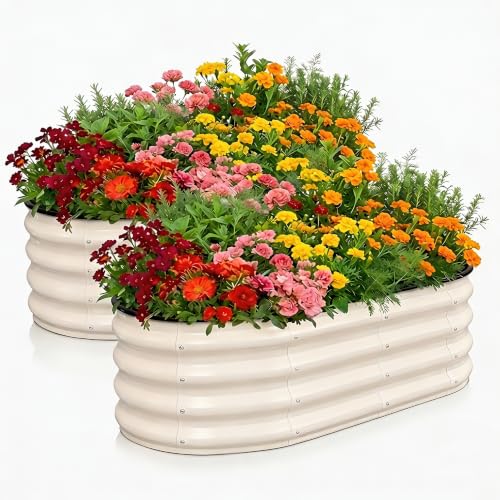
【Raised Garden Beds Outdoor】: GRASQUILINE’s galvanized raised garden bed features enhanced rust and corrosion resistance, ensuring years of durable use even in harsh outdoor environments and humid climates — so you never have to worry about premature wear.

【Indoor Herb Garden】Experience the joy of gardening with our specialized indoor herb planter. This set includes a planter with a tray but does not come with plants and seeds. Designed specifically for herb cultivation, these planters can be used both indoors and outdoors. Crafted from durable metal with a sleek, glossy white finish, they blend functionality with a farmhouse style to enhance your living space.

𝑷𝒓𝒆𝒎𝒊𝒖𝒎 𝑮𝒂𝒍𝒗𝒂𝒏𝒊𝒛𝒆𝒅 𝑺𝒕𝒆𝒆𝒍:Made of extra-thick corrugated galvanized steel for superior rust resistance and durability in all weather conditions.
2. Harvesting Herbs
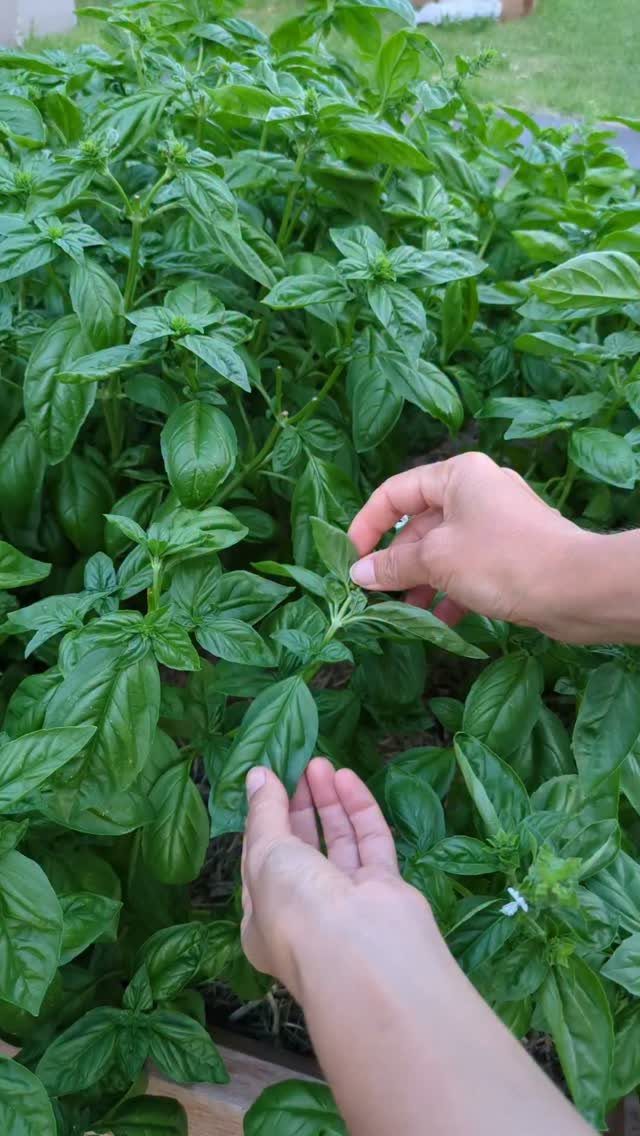
Pinching the top growth above a set of opposite leaves keeps basil bushy instead of leggy. Its maker notes to look for 2 leaves growing opposite each other on the stem, then cut just above that node.
The plant reroutes energy into those side shoots, so you get more leaves instead of one tall stem going to flower.
I harvest in the morning after dew dries, when the oils are strongest. A weekly pinch starting young prevents the woody phase that makes basil bitter.

Ready-to-Use Formula: No mixing or extra steps required. Simply pour and plant - perfect for gardeners of all experience levels.

Optimized for Raised Beds: True Organic Raised Bed Food is specially designed to support abundant growth of herbs, flowers, vegetables, and fruits in raised beds and large containers.

ALL-NATURAL MIX: Burpee Organic Premium Potting Mix is formulated with plant food & coconut coir to promote seed & root growth and healthy flower, vegetable & herb plants. OMRI Listed for organic use.
3. Common Herbs to Grow
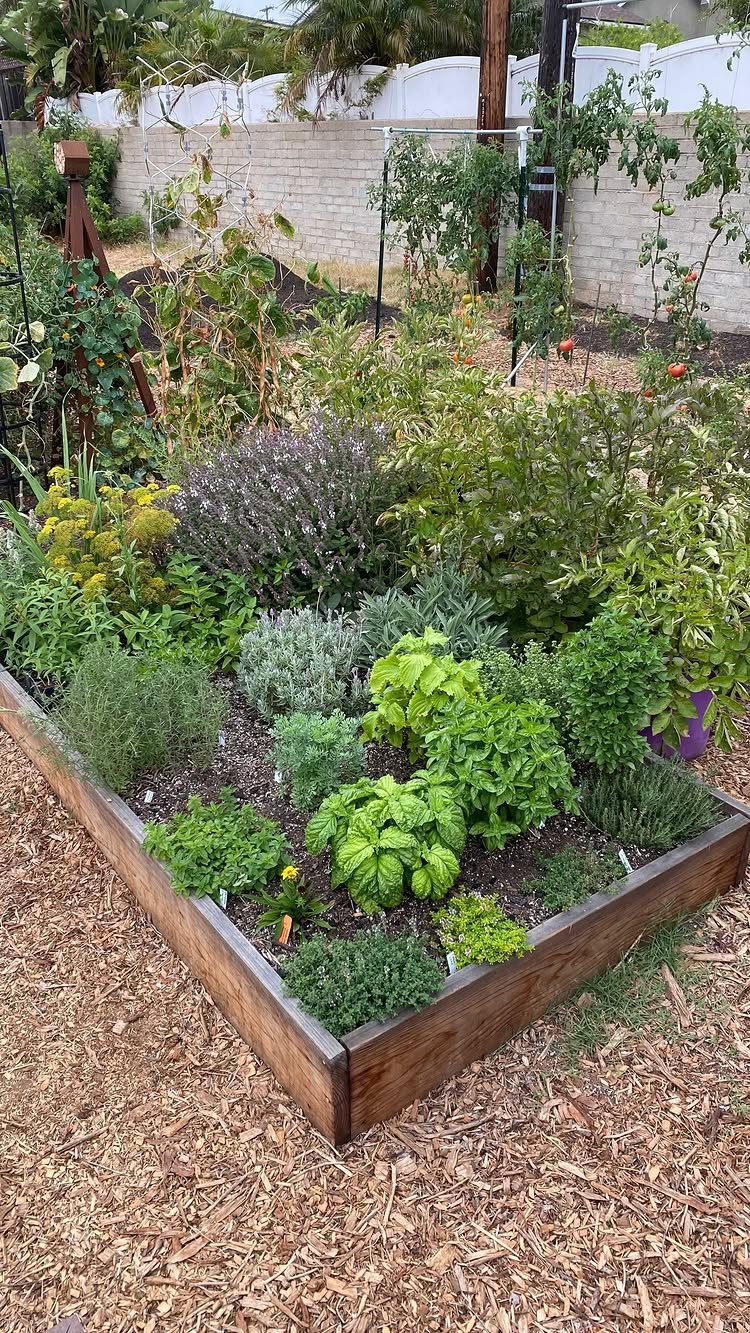
A raised bed like this one can hold basil, sage, rosemary, and whatever else you cook with regularly.
I would start with just a few plants the first season; herbs compete hard for light and root space, and overcrowding invites mildew.
Wood chip mulch between plants, visible here, keeps soil off leaves you will eat and slows evaporation in summer heat. Check your hardiness zone before you buy rosemary; upright cultivars survive colder winters than trailing ones.
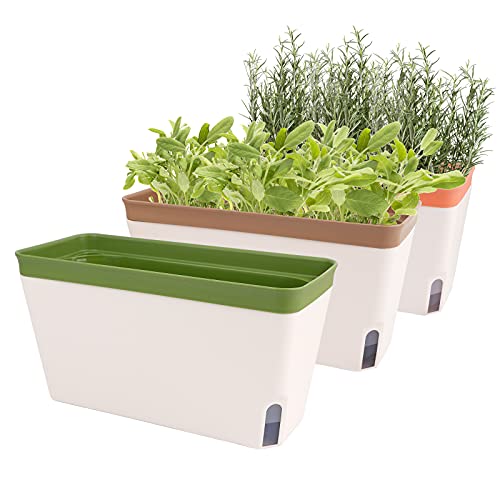
SELF-WATERING PRINCIPLE: Through two absorbent cotton ropes, the self watering pots provide water to the soil and keep the soil moist through the principle of osmosis, without having to water the plants regularly. Even if you leave home for a few days, it can help you take care of the plants and avoid plants die from water shortage.

【 Vertical Raised Garden Bed with Trellis】Perfect for home gardening lovers, this herb planter outdoor with 4 garden boxes let you plant vegetables, herbs, and flowers in separate plant bed while the 11-inch trellis supports climbing plants like tomatoes, strawberries, vines, and peppers. The balcony raised garden beds outdoor with legs creates an optimal environment for your plants to thrive.

The outer basin is made of high quality plastic, safe, non-toxic and durable, and is also suitable for outdoor use.The surface is treated with a lacquer finish and has a high gloss.
4. Planter Box Herb Garden Setup
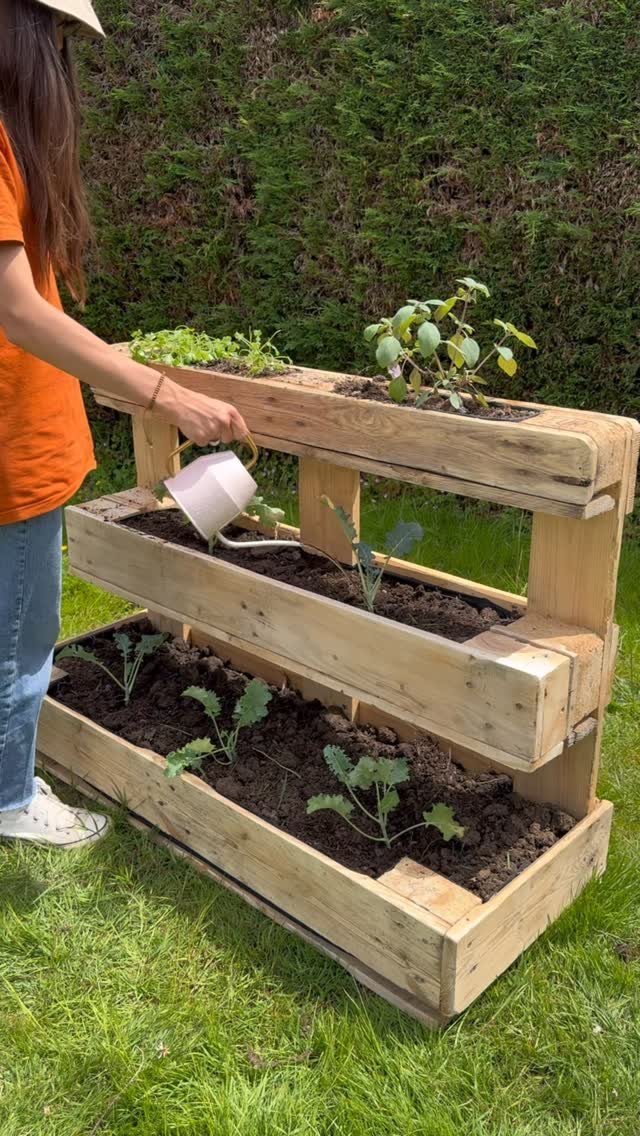
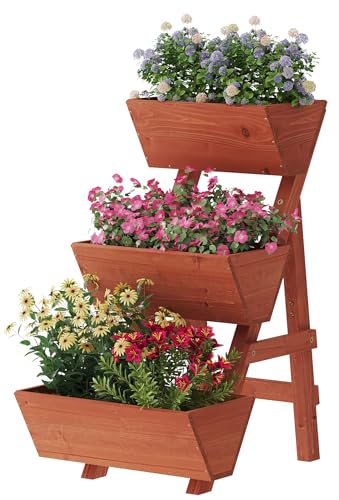
3 tiers from pallet wood give you separate zones for herbs that want different water, say lavender on top where it drains fastest and basil below where the soil stays damp.
A small watering can means this setup sits close to a hose spigot or gets carried carefully; a tiered box full of wet soil is heavy.
I would line the inside with landscape fabric to slow the rot that hits pallet wood within two or three seasons. Check that your pallets are HT-stamped, heat-treated rather than fumigated with chemicals you do not want near food.

Durable Wooden Construction: Made from eco-friendly wood that is biodegradable and resistant to wear and corrosion.

Classic whiskey barrel planter in a Distressed Oak finish with antique pewter colored bands

BUILT FOR RESISTANCE: This barrel planter is made from high-quality resin, offering excellent weather resistance. Moreover, the planter is waterproof, preventing issues like cracking, fading, and leaking, ensuring long-lasting durability.
5. Repurposed Plastic Bottle Vertical Planter
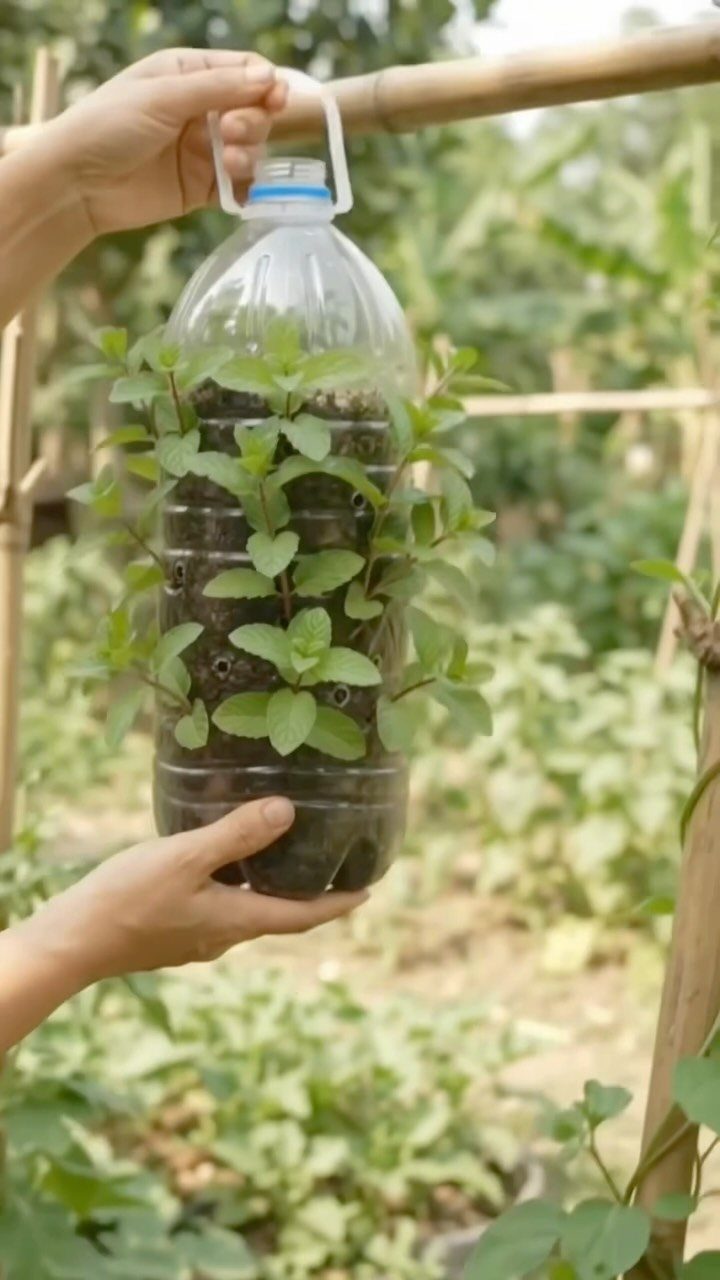
A clear jug lets you see the root ball and catch when mint has filled the space and needs dividing.
Mint in particular suits this setup because it travels sideways underground in open ground; confining it to a bottle keeps it from overrunning everything else.
I would cut side holes with a hole saw rather than scissors, which leaves cleaner edges and less stress cracking.
The clear plastic can heat roots in direct sun, so I would wrap the bottle in burlap or move it to half shade by July.
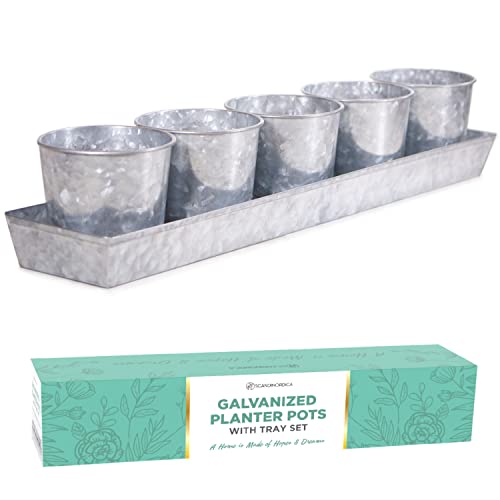
STYLISH FARMHOUSE DECOR – This stylish and unique set of 5 galvanized garden pots combines practical design and superior functionality. Herb planters for indoor plants is a convenient addition to any chef's or home cook's kitchen

Stylish Design: Space-saving raised garden bed with lovely appearance, full of children's naiveness and fun, suitable for growing herbs and vegetables

Size: 60×29×11 in, 68 gallons of soil required.
6. Indoor Seedling Shelf Setup
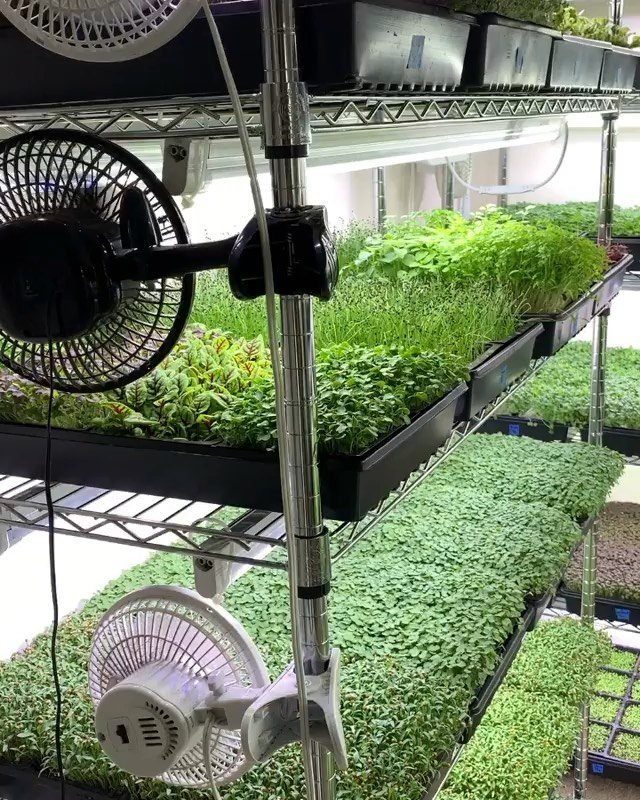
Wire shelving with clip-on fans and grow lights turns a closet corner into a nursery for herbs you will move outside later.
Air circulation matters more than I expected when I started; still air grows fungus on dense seedlings fast, and a gentle breeze strengthens stems the way wind does outside.
I would run grow lights on a timer for a long, consistent day rather than guessing; uneven light makes leggy, weak starts.
Check that your lights hang on chains or ratchets, because you will raise them every few days as plants grow.

Specially Crafted for Raised Beds: Formulated to provide the ideal growing environment for vegetables, herbs, flowers, planter boxes, and other container gardens.

FOR USE: Use when planting or transplanting to improve native soil.
7. Trellis Mounted Tin Planters
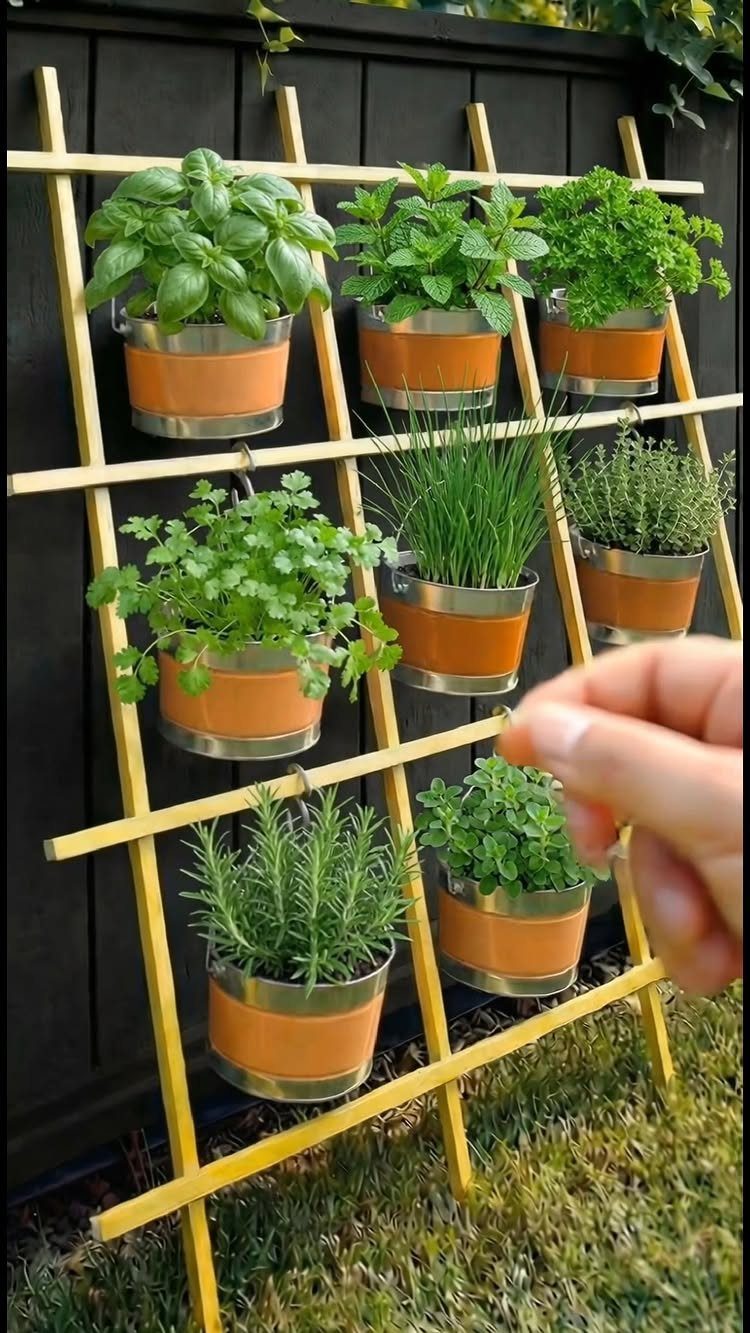
A wooden trellis against a fence turns vertical space into growing room for herbs in metal tins, the kind that hold coffee or baking powder.
The orange and silver mixed in this row show salvaged tins from different sources, which keeps cost near zero.
Check that whatever tin you hang is food-grade, not galvanized with coatings meant for fuel or chemicals; the lining matters when you are eating what grows inside.
A trellis like this suits a narrow yard where ground space is already taken, and you can still fit a solid row of plants.

【Universal Fit for Most Railings】Stop worrying if it will fit! Our adjustable railing planter boxes bracket (made of sturdy, powder-coated iron) securely mounts on any railing from 1.6" to 4.9" wide. This no-drill design protects your property, giving you a stable, custom fit for your balcony, deck, or patio fence.

【Material Description】The vertical raised garden bed consists of a sturdy metal frame and 3 plastic boxes (Dimension: 16.8 x 7 x 5.5 inches). It is lightweight, rust-resistant, and easy to move, making it a great choice for both indoor and outdoor use.
【SIZE】: Vertical garden planter size: 16.5*17*27.8 inches.
8. Repurposed Plastic Barrel Planter
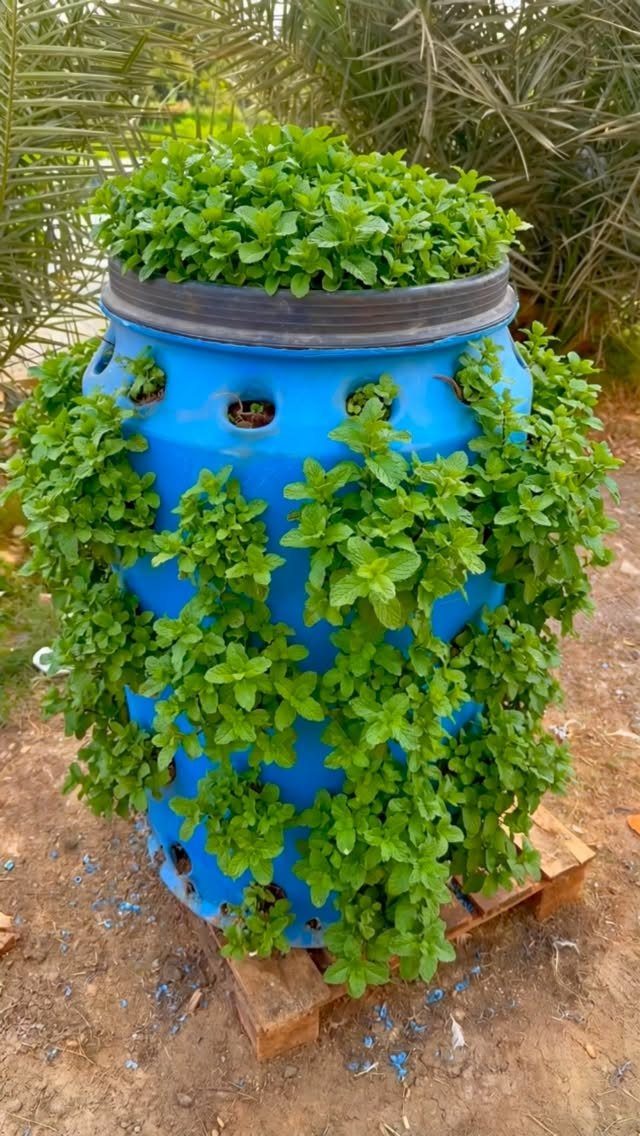
A plastic barrel drilled with staggered side holes and set upright gives you planting pockets stacked into a tiny footprint.
The blue plastic here is a barrel that held food-grade contents, not detergent or agricultural chemicals; check for a dairy or beverage stamp before you cut into it.
Mint fills this example from every hole because it handles the root crowding and uneven moisture that would stress basil or cilantro.
A wooden pallet underneath is smart; once planted and watered, a full barrel gets heavy fast and you will not move it again. Drainage comes from the bottom bung, which unscrews to let excess water out.

BUILT FOR RESISTANCE: The wooden barrel planter is made from high-quality resin, offering excellent weather resistance. Moreover, the wood planter is waterproof, preventing issues like cracking, fading, and leaking, ensuring long-lasting durability.

【Unique Design】-Whiskey barrel planters with rustic touch,Imitation wine barrel planter design of retro style to but also reflects the texture of the whiskey barrel planters,so that you can feel the quiet rural comfort when garden or front yard planting.

【Unique Design】-Whiskey barrel planters with rustic touch,Imitation wine barrel planter design of retro style to but also reflects the texture of the whiskey barrel planters,so that you can feel the quiet rural comfort when garden or front yard planting.
9. Stone Spiral Garden Bed
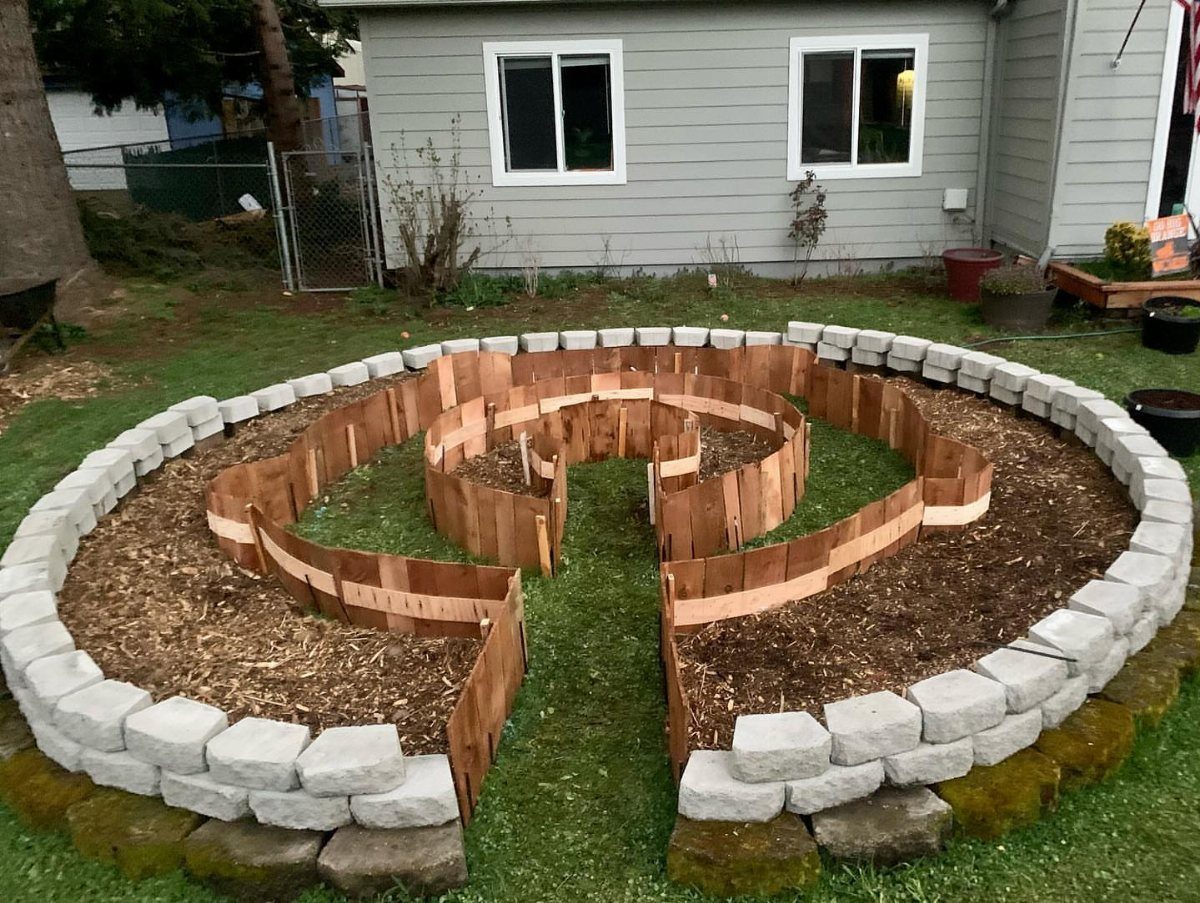
A spiral bed builds planting depth into its shape: the center rises, the outer ring stays low, and the stone wall holds it all in place.
Curved wooden dividers here run the spiral path so you can reach every plant from the walkway without stepping into soil.
This garden sits level in the yard behind a house, but I would build it on flat ground if your slope is more than gentle; stacked stone shifts under pressure when one side is already lower.
The mulch visible between dividers cuts weeding time and keeps summer roots cool. A spiral bed warms faster than flat ground in spring and lets you tuck cold-sensitive herbs highest where heat lingers.

Size: The garden bed measure is 23.6"L x 23.6"W x 17"H. Made of galvanized steel sheet metal with a rust-resistant coating features long-lasting use during kinds of weather.

SPACIOUS GROWING SPACE WITH EXTRA PLANTING DEPTH:Measuring 91.5" L × 47.3" W × 22.06" H, this galvanized raised garden bed holds approximately 412 gallons of soil, providing generous planting space and extra depth for vegetables, herbs, flowers and fruits. The spacious design allows roots to grow naturally while supporting tomatoes, peppers, cucumbers, broccoli, beans, lettuce, carrots, potatoes and other popular garden plants. Ideal for backyard gardening, raised vegetable gardens and outdoor planter box projects.

【Spacious and Versatile Growing Space】The CATMANOR raised garden beds outdoor offer plenty of room for growing vegetables, herbs, and flowers. The raised bed design helps make better use of planting space and works well for medium to deep-rooted plants like broccoli, beans, and similar crops.
Managing Pests and Diseases
Inspect your herbs every few days for spotted leaves, chew marks, or wilting that shows up faster than normal drying. Catching trouble early keeps a few aphids from turning into an infestation that spreads plant to plant.
Neem oil handles insects, mites, and some fungal problems if you need it; it is an organic option that works without harsh chemicals.
I would still reach for it only after I have checked that the real problem is not my own watering. Wet leaves at night and crammed plants are what actually cause most disease, and no spray fixes that.
Space your herbs so air moves between them, water at soil level in the morning, and let the surface dry before you soak them again. Good habits prevent more problems than any product.


Specially Crafted for Raised Beds: Formulated to provide the ideal growing environment for vegetables, herbs, flowers, planter boxes, and other container gardens.

USDA CERTIFIED ORGANIC & NON-GMO: Grow your own fresh culinary herbs with peace of mind. Our open pollinated, heirloom variety pack is 100% clean, natural, rigorously tested for germination, and proudly certified organic by Oregon Tilth.
Indoor Herb Gardening
A south-facing windowsill gives the most light, and that matters because herbs moved indoors never produce the way they did outside.
I would skip trying to pot up annuals with taproots; cilantro and dill do not forgive transplanting, and the effort is not worth a few weeks of leaves.
Sage, rosemary, thyme, and lavender from the mint family handle the shift best.
They keep growing slowly through winter if light is bright enough, though you will harvest less. Mediterranean types in particular need that sun and soil that drains fast; soggy indoor mix rots them faster than cold.
If you are serious about indoor herbs, run a small fan nearby. I move my herbs back outside in spring once the overnight lows stay warm enough that frost is no longer a risk.
Herb Storage Methods
Drying works for herbs with low moisture: hang rosemary, thyme, and oregano in small bundles upside down in a dark, airy spot.
Strip the leaves once they crumble, and store in jars out of direct light. Basil and cilantro go slimy instead of drying well; freeze those instead in oil or water in ice cube trays.
Herb butter and vinegars are my fallback when I have too much of anything.
Chop soft herbs into softened butter, roll it tight, and freeze in logs you can slice. Warm vinegar slightly, pack it with clean leaves, and let it sit before straining into a new jar.
I would process herbs the same morning I harvest, before the oils fade. What you save from your garden beats anything from the store for flavor, but only if you move fast from cutting to preserving.
Frequently Asked Questions
How to make a DIY herb garden?
Start with a planter box, potting mix, and herbs you actually cook with.
I would use corrugated metal over wood if the soil stays wet, and set any container on feet to protect decks from drainage stains. Full sun most of the day is the one thing you cannot skip.
What herbs shouldn’t be planted together?
Mint, anise hyssop, and lemon balm spread fast enough to crowd their neighbors.
I would grow mint on its own or confined to a separate container, since underground runners let it travel sideways and take over open ground. Match water needs for everything else.
Are herbs better grown in pots or ground?
Both work, but pots give you more control.
Containers at least 6 inches deep let you move herbs to catch sun or dodge frost, and a single large planter dries out slower than a cluster of small ones. Ground suits herbs that want to stay put year to year.