Pressure-treated lumber makes sense when gopher tunnels come up from below; lightweight fabric beds are the real answer on a rooftop where weight limits rule out soil entirely.
The pipe straps that hold an arched trellis to bed walls are the kind of small hardware choice that separates a tunnel that survives July tomatoes from one that twists apart in a thunderstorm.
[link-whisper-related-posts]1. Harvesting Vegetables
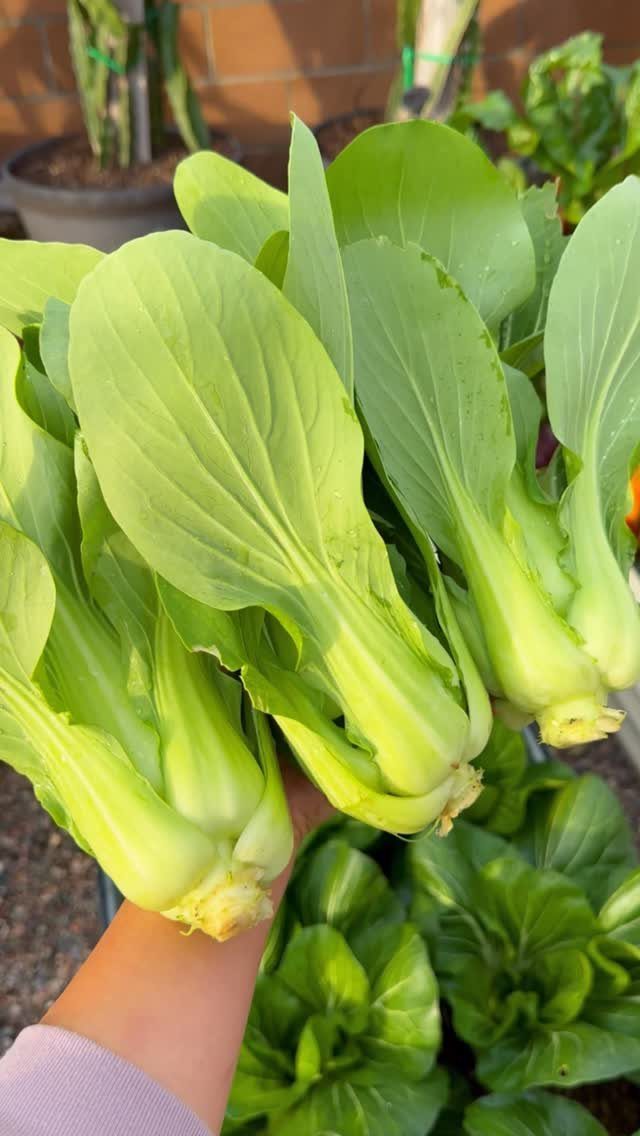
Cut at the soil line with a sharp knife rather than pulling, and the cut often sends up a smaller second growth.
Pulling disturbs roots you might want to keep. Morning is the cleanest time, before heat wilts the leaves and while the flavor is at its peak.


3 IN 1 Raised Garden Bed with Trellis: This YITAHOME garden bed kit pairs 2 raised beds and two 87-inch arched trellis with climbing net, capable of holding 400 gal of soil.The arched trellis provides sturdy support and ample growing space for vines, guiding them upward to maximize sunlight and airflow
2. Metal Sheeting
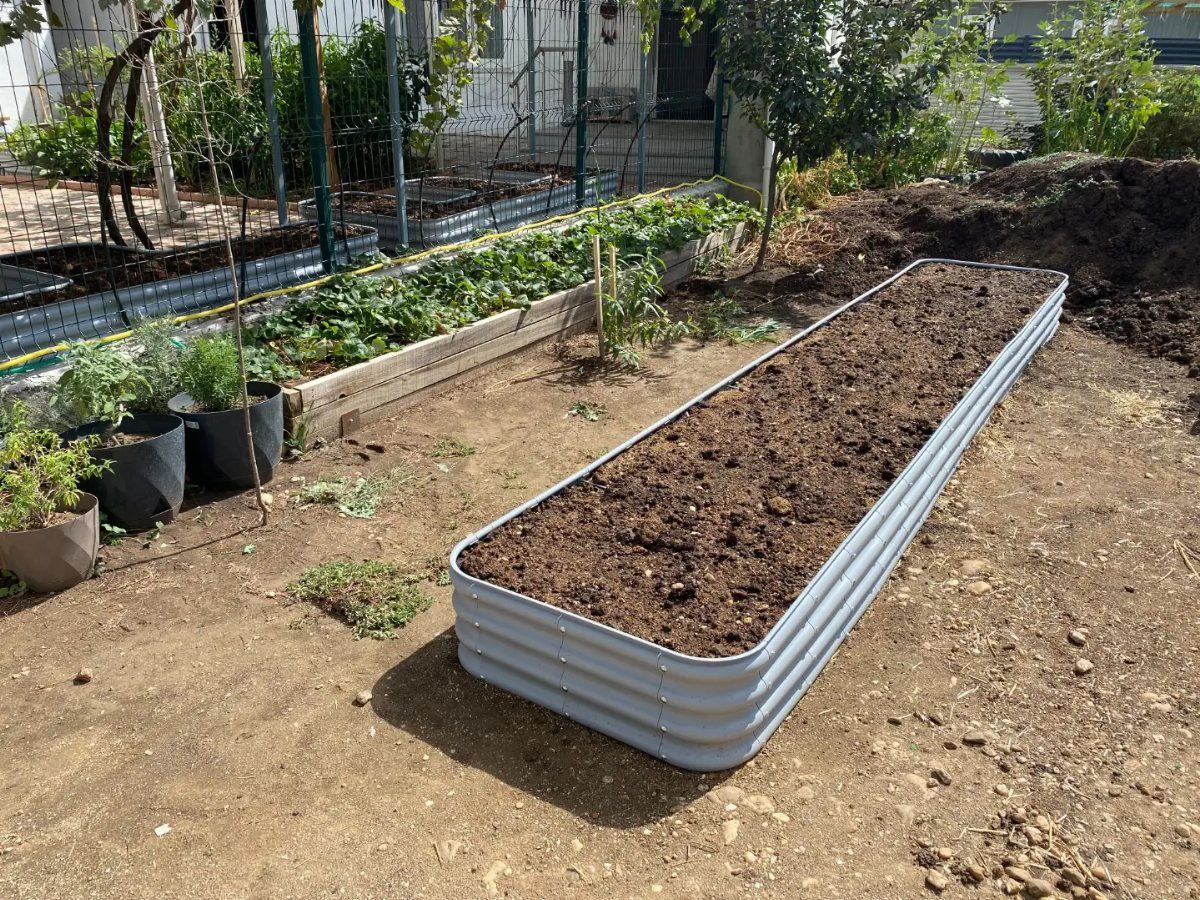
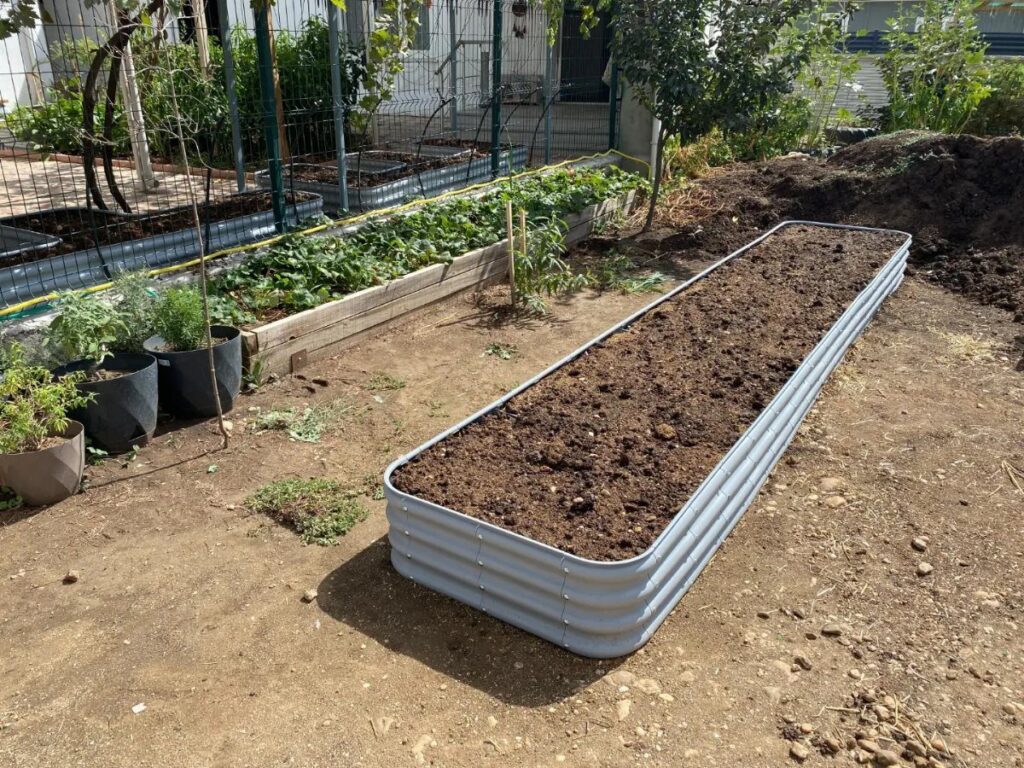
Corrugated metal gives a raised bed clean sides and a modern look that wood cannot match. Thin-gauge steel panels are easy to form into curves but prone to denting if kicked or bumped with a mower.
I would check the edge height before building; a low wall is workable for most vegetables, and anything taller needs cross-bracing so the long panels do not bow outward under soil pressure.
Screws go through pre-drilled holes, never clench-nailed, or the metal tears free.

4X2X1FT GROWING SPACE: This oval raised garden bed measures 4 x 2 x 1 ft, providing 7+ cu. ft. of organized growing space for vegetables, herbs, flowers, strawberries and selected root crops. Its compact footprint fits naturally into backyards, lawns and small outdoor gardens while keeping plants easy to reach and maintain.
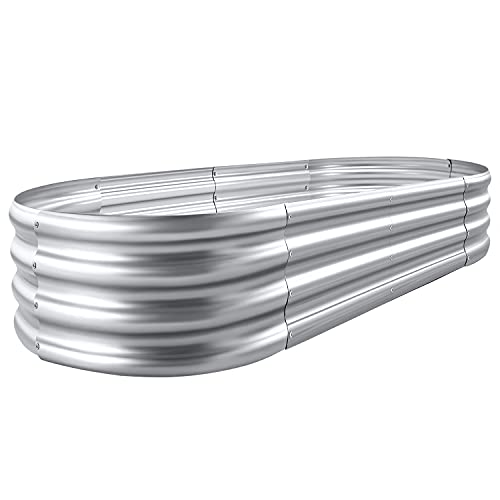
Each raised metal garden bed size: 4×2×1ft ,7.14Cu

【Spacious and Versatile Design】: The CATMANOR raised garden beds outdoor provide ample growing space for a variety of vegetables, herbs, and flowers. The raised bed design maximizes planting capacity, making it an ideal solution for gardening enthusiasts who want to grow medium to deep-rooted plants such as broccoli, beans, and more.
3. Pest Management
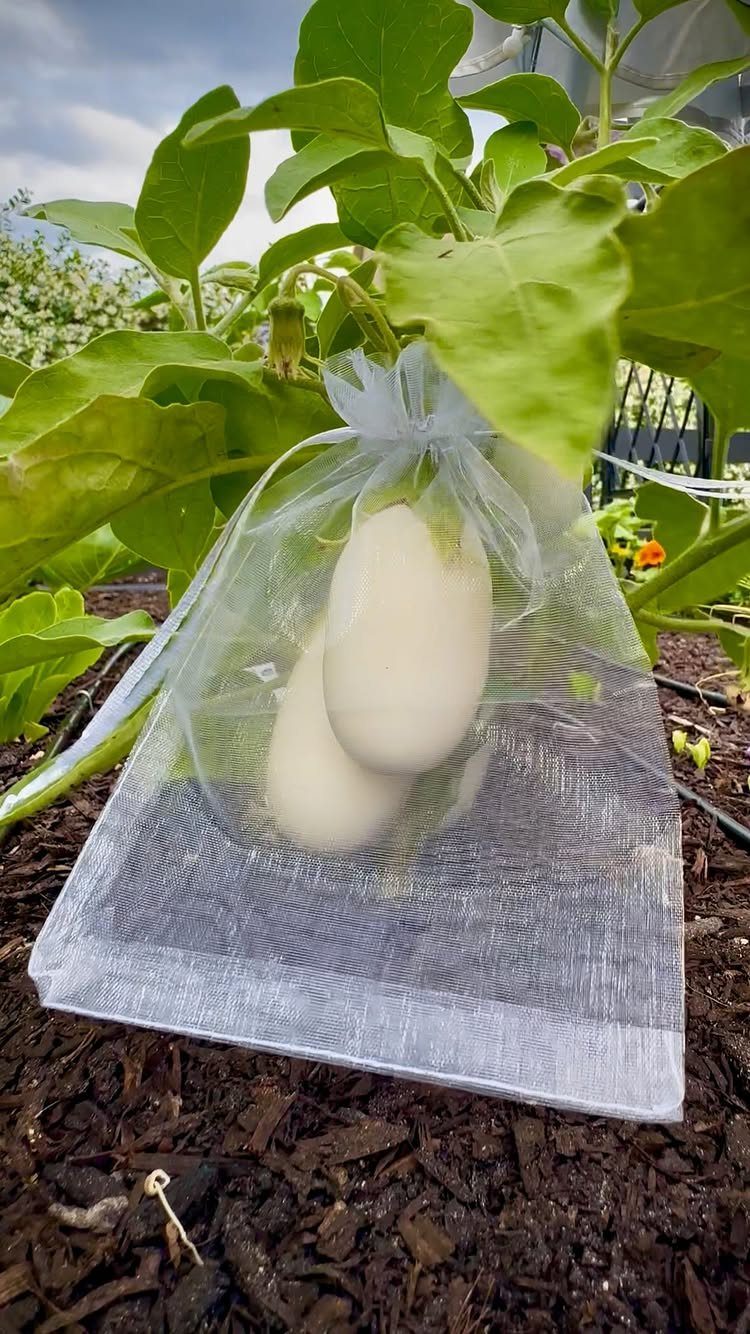
Sheer organza bags over developing fruit stop most pierce-sucking insects and browsing mammals without spraying.
Tie the drawstring snug below the fruit cluster, not around a single stem that might snap in wind.
I would keep a supply on hand in a couple of sizes; they are reusable if shaken out and sun-dried between uses. Check weekly, since trapped moisture under a too-large bag can rot the skin.

Effective Pest Protection: Designed with a dense fine mesh and tight weave, keeps insects, birds, and small animals away from your fruits and vegetables, prevents them eating and damaging your fruit

Fruit Protection for Growing Fruit: These green organza fruit protection bags help cover growing fruit while allowing air, sunlight, and rain to pass through. Great for tomatoes, grapes, apples, peaches, pears, and small garden fruits

Fine Mesh Protects - Our fruit protection netting bags are made of a dense fine mesh material with a tight weave, effectively keeping pests out. Perfect for protecting fruit from bugs and birds while it matures, ensuring a good harvest
4. Seed Starting Indoors
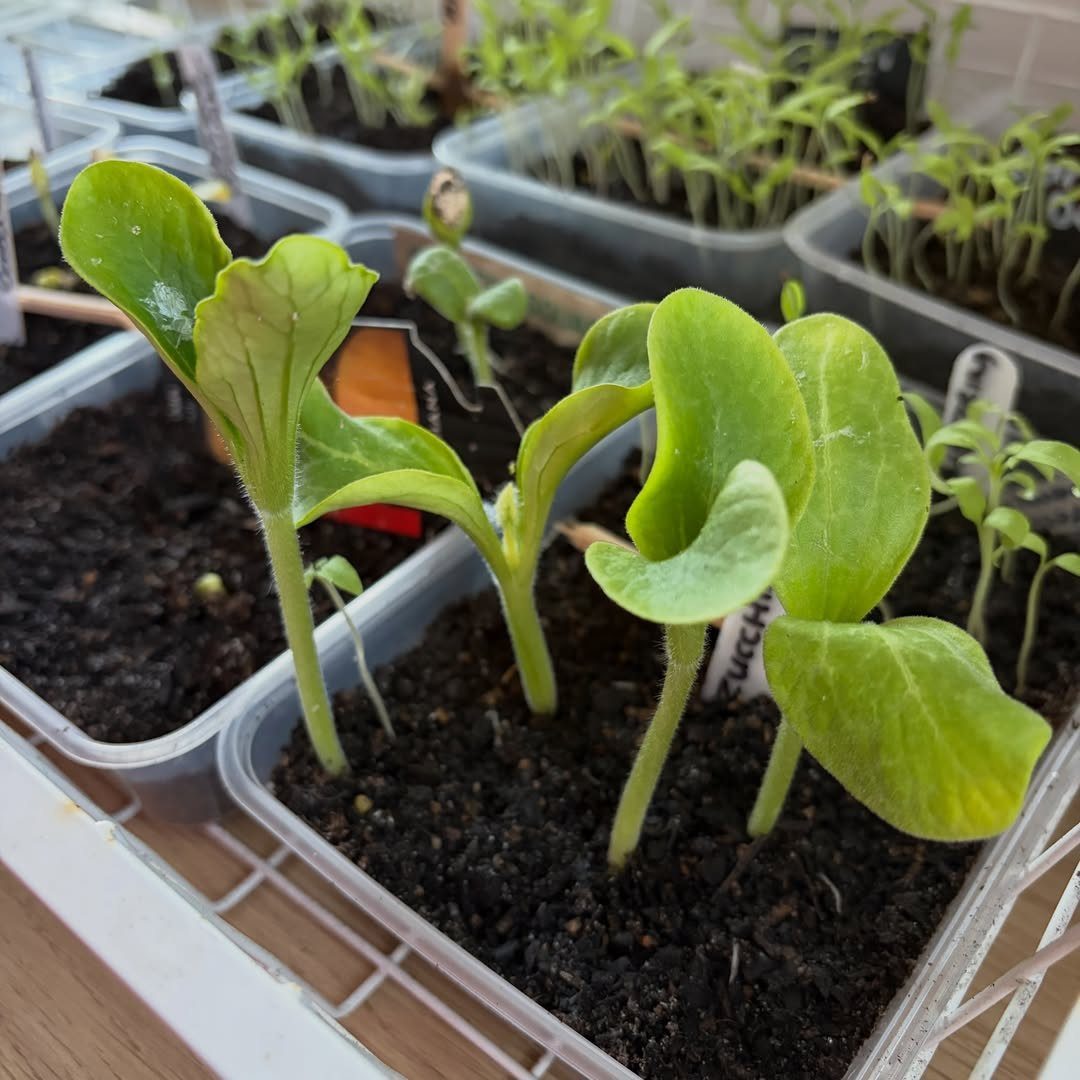
Starting zucchini indoors buys time on the season and lets me select the strongest seedlings for transplant. Squash germinates fast in warm conditions, then outgrows small cells quickly.
I would move each seedling to its own pot as soon as the first true leaf unfolds; leggy, crowded starts never recover their vigor.
Harden off for a full week before setting out, and time the transplant so the soil has warmed properly.

EASIER SEED STARTING: Our Burpee SuperSeed tray with 36 flexible pop-out cells is designed to simplify indoor seed starting for all your favorite vegetables, flowers and herbs. Just add seed starting mix, seeds, water and light to get growing! Rows are labeled alphanumerically for seedling identification with included Plant-o-Gram diagram. Tray dimensions: 11.5" x 10-3/8" x 2-1/4"
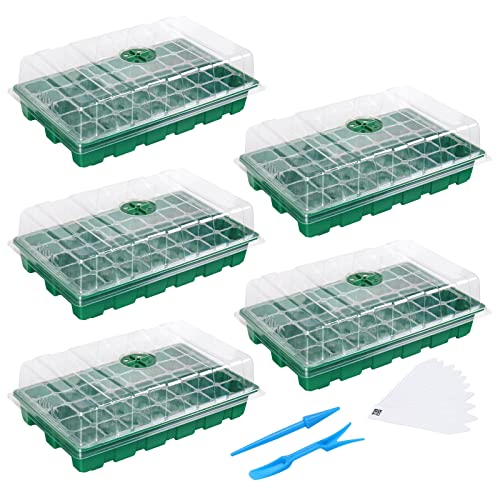
High quality transparent plastic cell trays of this seed grow kit make it easy to observe your plants without interrupting the process.

NUTRIENT-RICH, NATURAL, AND ORGANIC SOIL: Grow a bountiful garden in your home with the Back to the Roots All-Purpose Natural and Organic Peat-Free 3-in-1 Seed Starting Mix, packed with the nutrients needed for your plants, flowers, and vegetables to thrive
5. Layering for Drainage
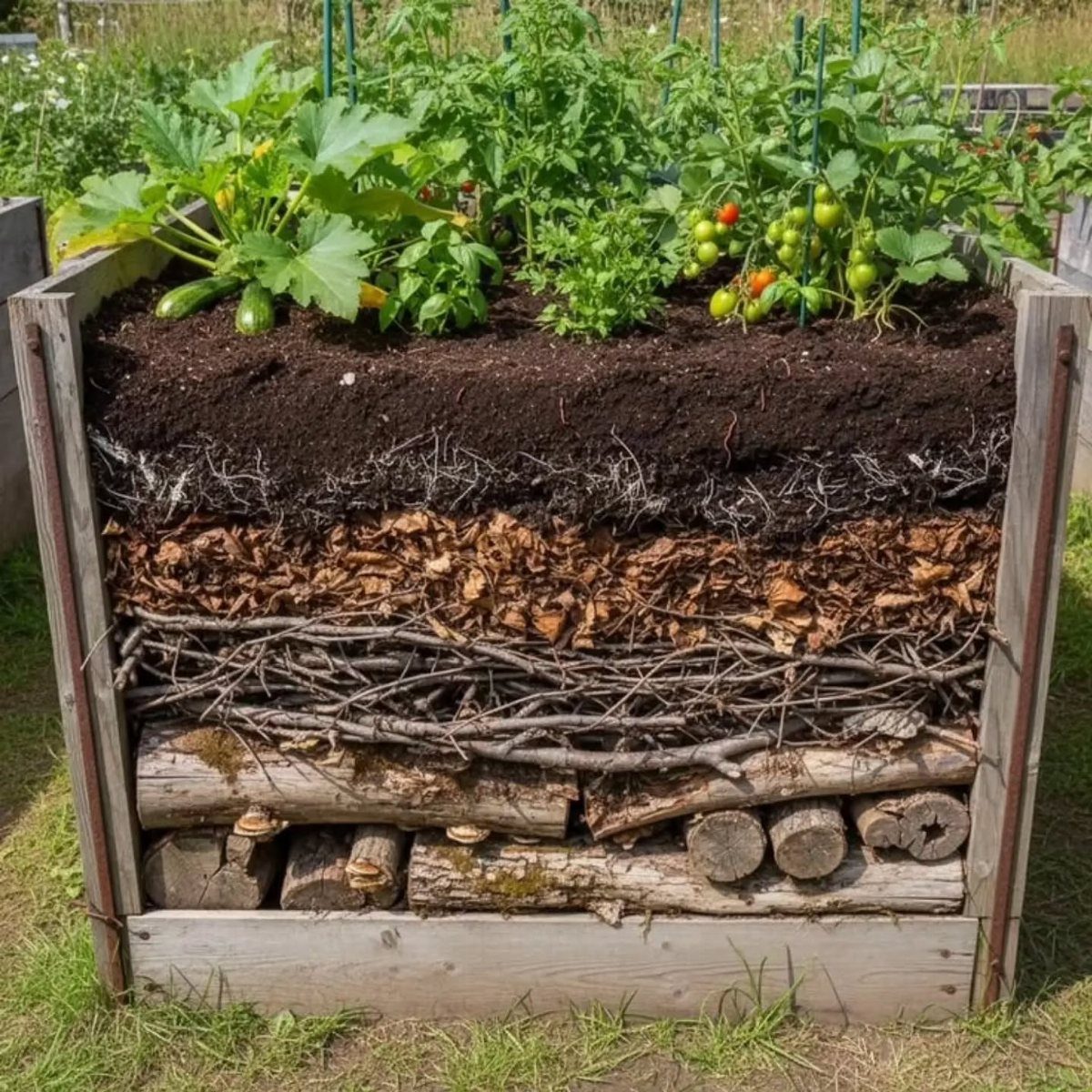
Dry leaves pack the gaps, and topsoil finishes the stack.
I would use this method only in a deep bed; in a shallow frame, the wood layer steals root space.
I go with hardwoods like oak for the core layers, not softwoods; pine and fir break down too fast and their resins can bother seedlings.
Black walnut is the one I skip entirely, since it releases juglone that suppresses growth in tomatoes, peppers, and most vegetables. The bed settles over the first season, so I would overfill by an inch or two.

Spacious & Durable Wood Frame: The planter boxes outdoor offers 8.4 cubic feet of planting space. Crafted from solid wood with weather-resistant construction for long-term...
6. Arched Trellis Over Raised Beds
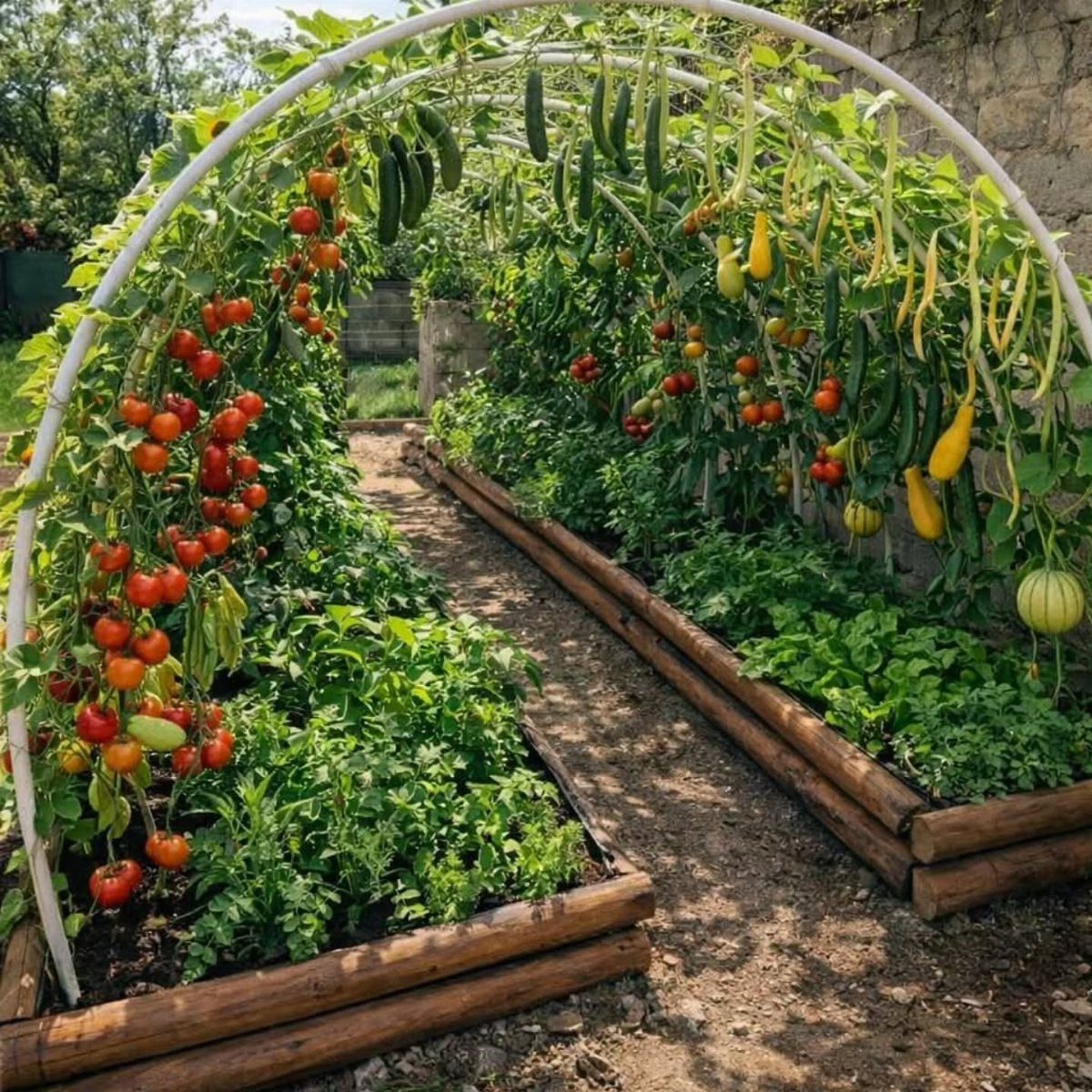
2 log-sided beds joined by arched PVC pipe make a walk-through tunnel for tomatoes, cucumbers, and pole beans.
I would space the arches along the bed and fasten them to the walls with U-bolts or long decking screws through pipe straps.
Twine or mesh netting spans the hoops vertically; horizontal lines work, but vertical lines train upward growth more cleanly. Shade-loving greens could fill the bed edges once the canopy fills in midsummer.

High-Quality PE Material with Drainage Hole: Crafted from durable and flexible PE material, these grow bags are built to withstand outdoor conditions without cracking. The bottom drainage hole provides essential airflow to roots and prevent overwatering and root rot, ensuring your plants thrive in a well-aerated environment.

Maximize Small Garden Space – Make the most of raised beds and compact gardens with this 7.3 ft U-shaped garden arch trellis. It trains vines to grow vertically, improves air circulation and sun exposure, and helps you harvest larger, healthier fruits and vegetables in limited space.

7. Gravel Pathway Layout
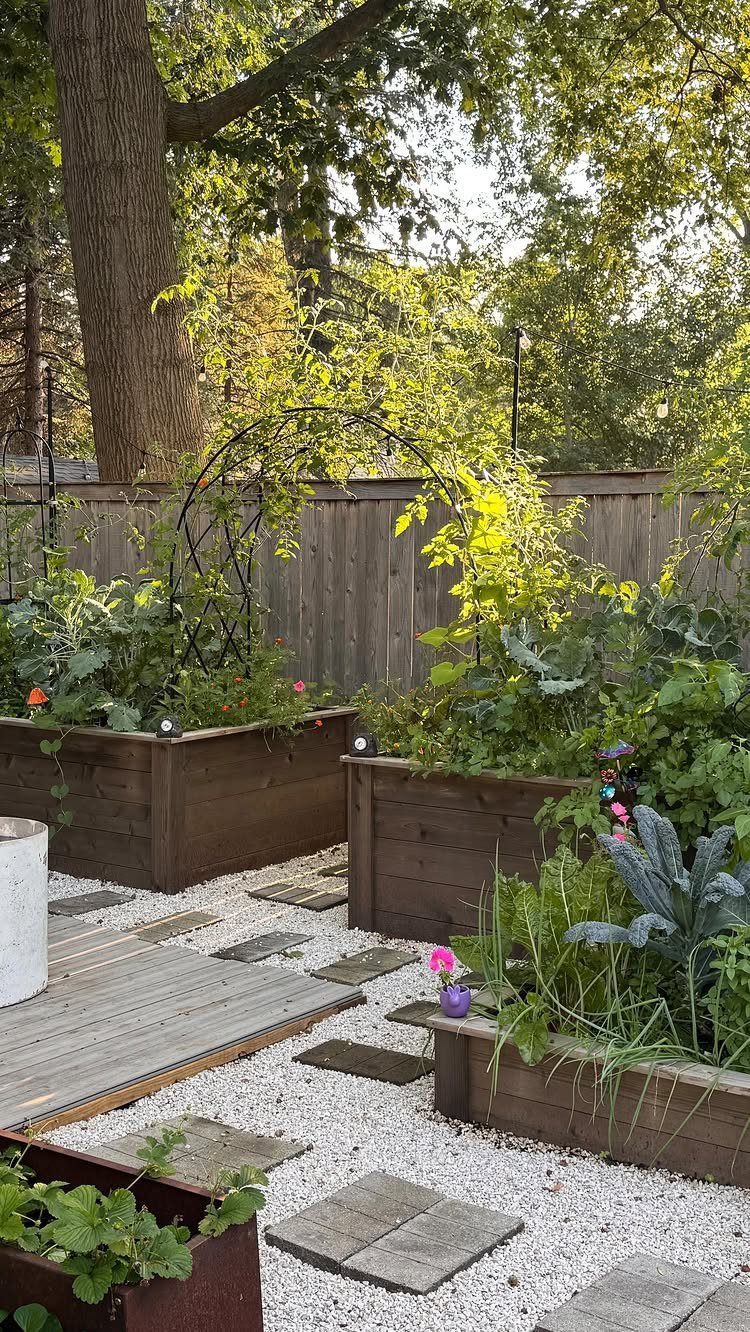
White gravel reflects heat and keeps mud off your shoes, but it needs a solid edge to stop migration into the beds.
I would lay landscape fabric first, then gravel over it; without the fabric, you are weeding paths by July. Stepping stones set at stride length save the gravel from constant foot traffic and give the layout its rhythm.

【Spacious and Versatile Design】The CATMANOR raised garden beds outdoor provide ample growing space for a variety of vegetables, herbs, and flowers. The raised bed design maximizes planting capacity, making it an ideal solution for gardening enthusiasts who want to grow medium to deep-rooted plants such as broccoli, beans, and more.
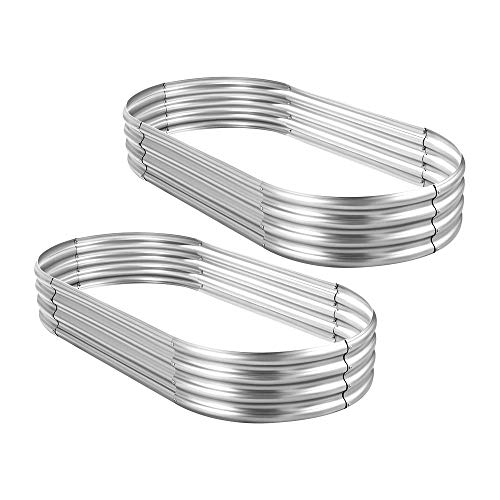
Each raised metal garden bed size: 4×2×1ft , 7Cu

2 feet height: Compared with the ordinary 1-foot garden bed, this raised garden box has been improved in all aspects in terms of aesthetics, stable performance, and soil volume. It is time to replace the previous small planter box with a large raised planter box Now, it must be your better choice! ! !
8. Protective Hoop House Covers
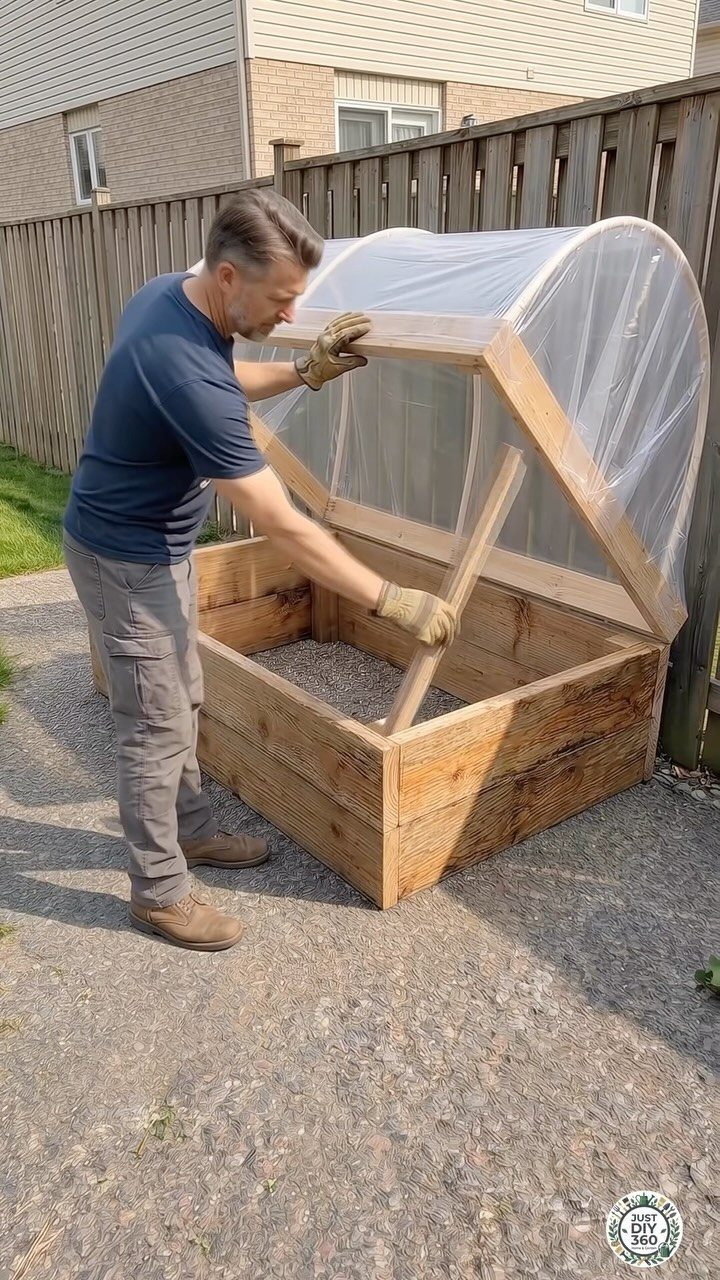
A hinged plastic cover turns a raised bed into a cold frame for starting greens weeks early or hardening off transplants.
Ventilation on sunny days prevents cooked seedlings, so prop the cover open.
I would size the plastic with extra length at the base, tucked under soil or batten boards, so wind cannot lift the skirt. Remove the cover entirely once nights stay reliably warm or pollination suffers.
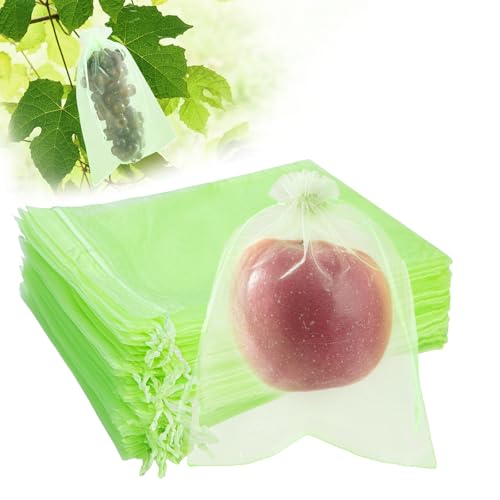
Breathable Mesh for Natural Growth – Our Fruit Protection Bags feature a small mesh design with premium netting that allows water and sunlight to pass through, ensuring your green fruits and vegetables grow naturally. This effective pest barrier provides reliable garden protection by serving as plant covers from animals, keeping out insects, fruit flies, moths and birds.


Premium Material:Sukh organza bag 6"x8" is made of high-quality organza, with neat stitching, not easy to tear, soft and wear-resistant. There are 50 green mesh bags in the package, which is enough to meet daily needs
9. Enclosed Fenced Garden Area
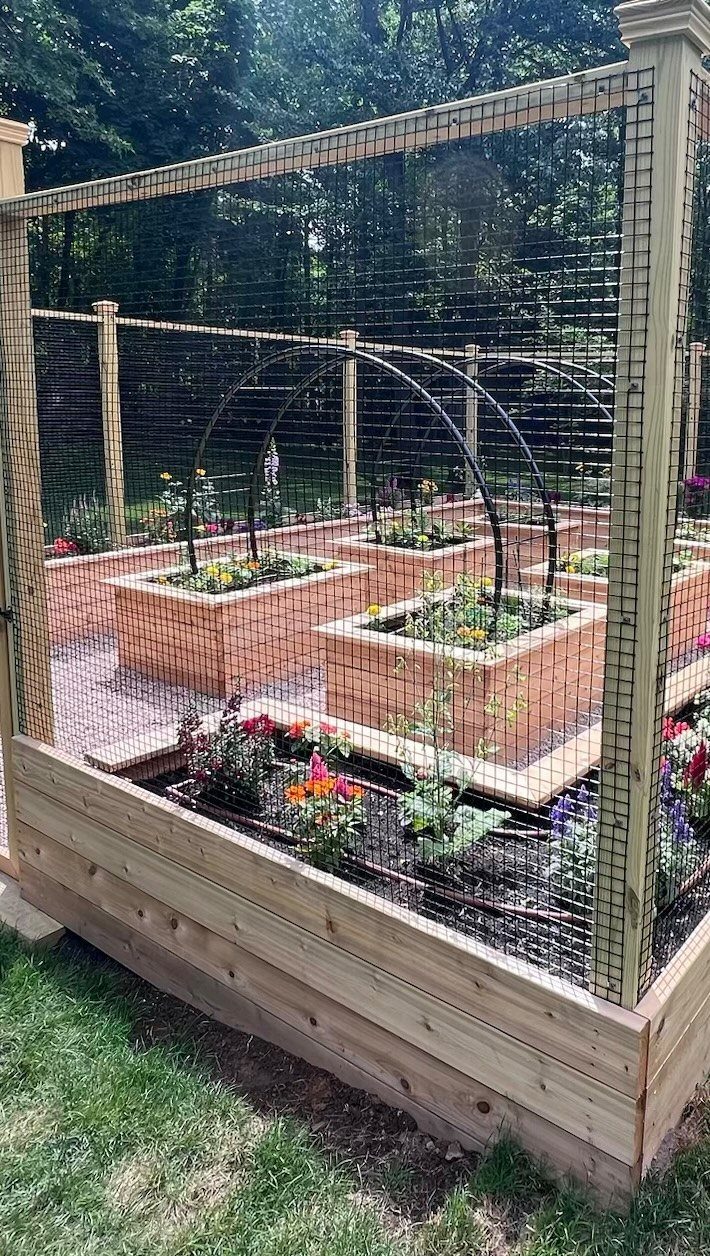
A full enclosure stops rabbits, groundhogs, and deer that raised beds alone invite.
I would build the gate wide enough for a wheelbarrow, because you will need one eventually. The fence posts carry the trellis arches too, which saves separate anchors and keeps the footprint clean.

Includes Back to the Roots Compressed Seed Starting Potting Mix that expands to 12qt of soil. A balanced pH, which means it’s truly all-purpose. Use alone or as an amendment for anything in a pot or in the ground — vegetables, flowers, herbs, and even starting seeds.

Pro Grow Lights with Advanced Chips: Equipped with 56 high-efficiency beads per tray, these LED strips simulate natural sunlight for optimal seedling growth. Adjustable brightness and timer functions let you customize lighting for every plant stage, promoting faster, healthier growth—perfect for herbs, flowers, and more

EASIER SEED STARTING: Our Burpee SuperSeed tray with 16 extra-large flexible pop-out cells is designed to simplify indoor seed starting. Just add seed starting mix, seeds, water and light to get growing! Rows are labeled alphanumerically for seedling identification with included Plant-o-Gram diagram.
10. Rooftop Fabric Raised Beds
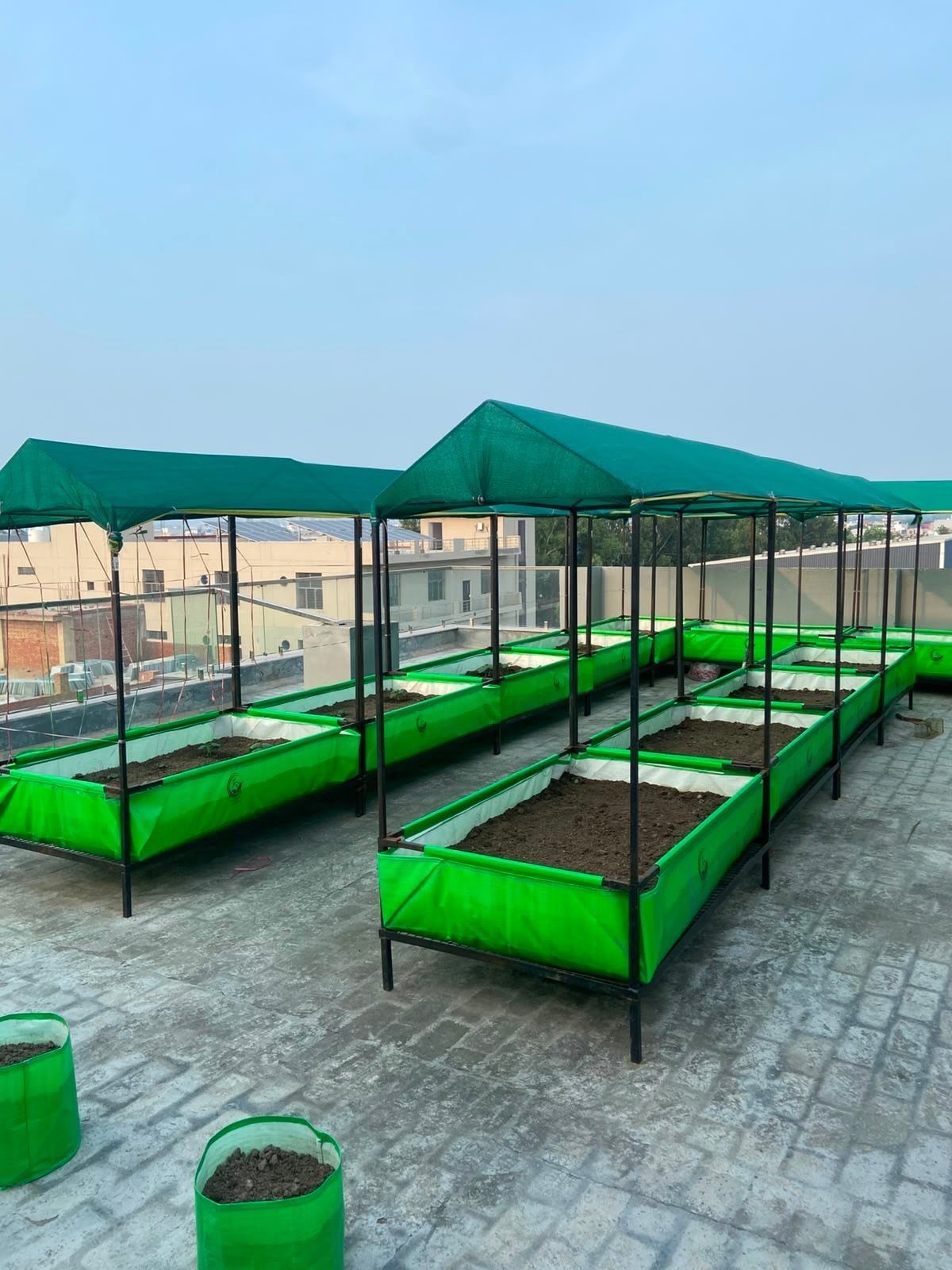
Fabric pots on metal frames solve weight and drainage where soil on a roof is impossible.
I would check the load rating before filling; saturated soil is heavy, and a full bed adds up fast. Elevated frames also mean no bending, which my back prefers.
11. Planting Seedlings in Rows
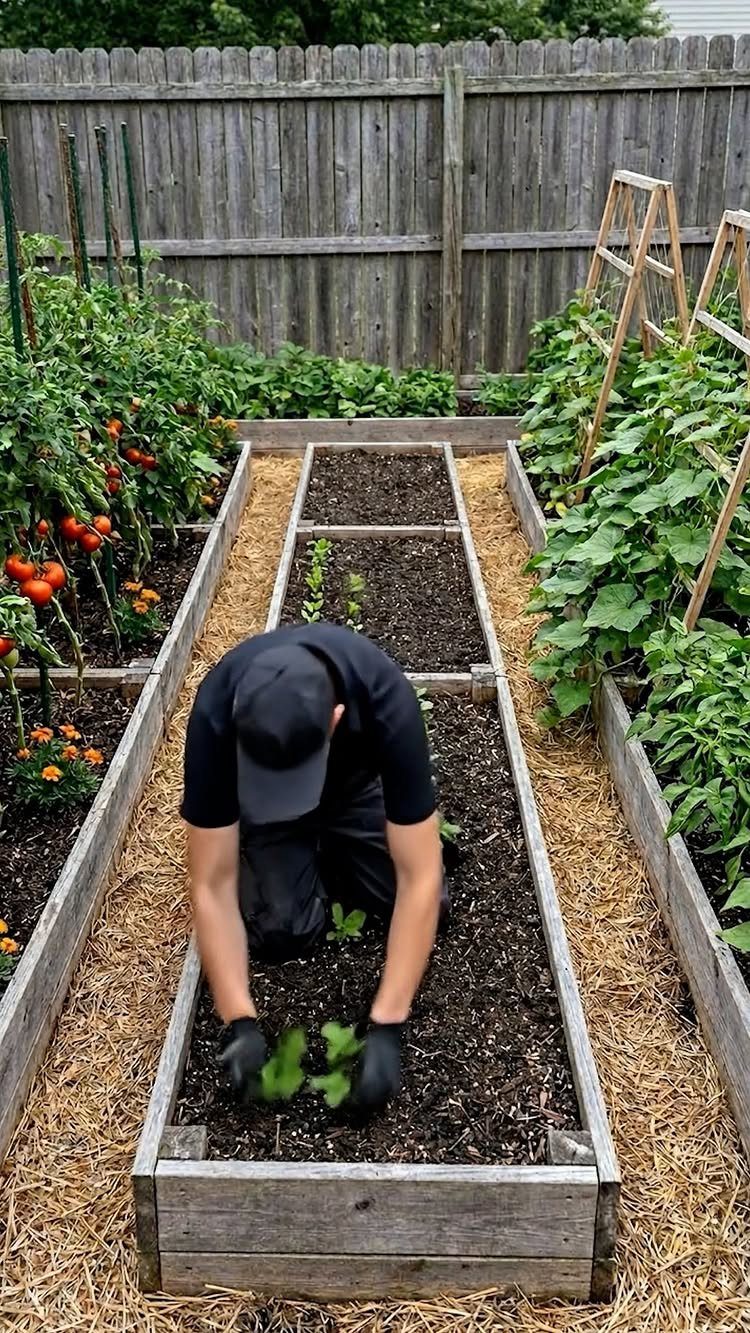
Rows let you hoe or cultivate between plants while they are small, and the geometry makes succession planting obvious.
Space rows at half your arm span so you can reach the center without stepping in. The tomatoes on trellises behind the rows show the vertical layer this same bed could carry.
12. Woven Branch Wattle Beds
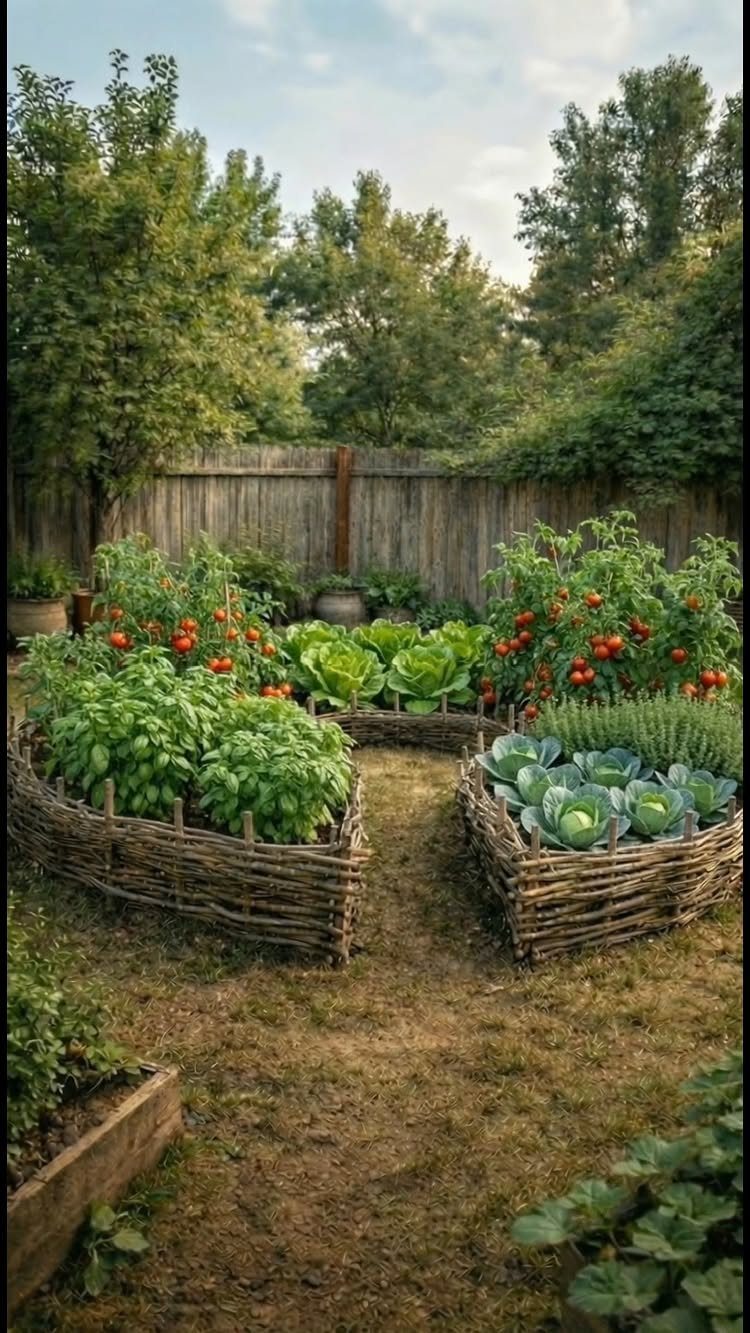
Green willow or hazel branches woven between upright stakes make a bed that costs nearly nothing if you have access to coppiced wood.
I would harvest branches while dormant and flexible, then weave them green; dried wood snaps. These walls last a few years in my climate, shorter in wet ground, longer if lined with burlap to slow decay from the inside.
13. Brick and Wood Border Beds
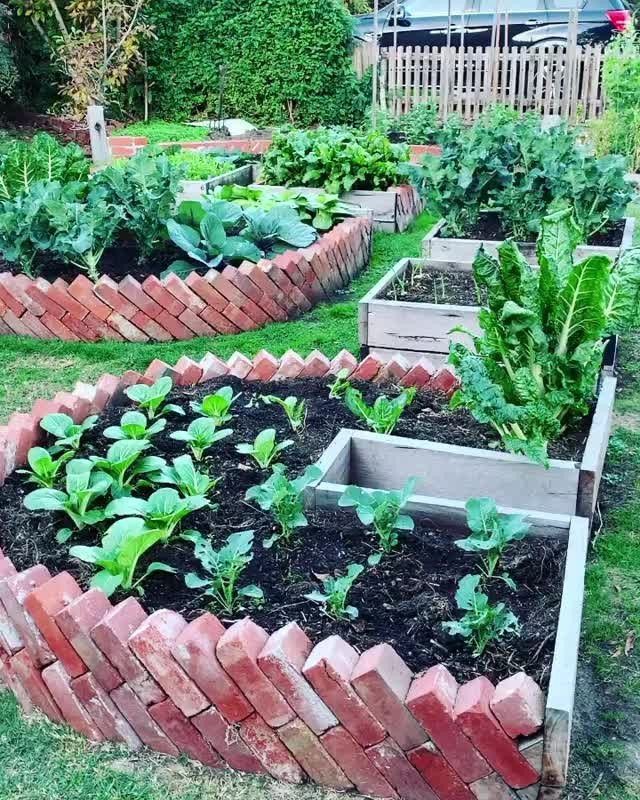
I would check the brick height before cutting lumber; the plank walls sit on top, not between the rows, and that joint needs to stay tight through wet seasons.
Mortar is optional, but without it the bricks shift slightly each winter.
14. Wooden Bed with Climbing Trellis
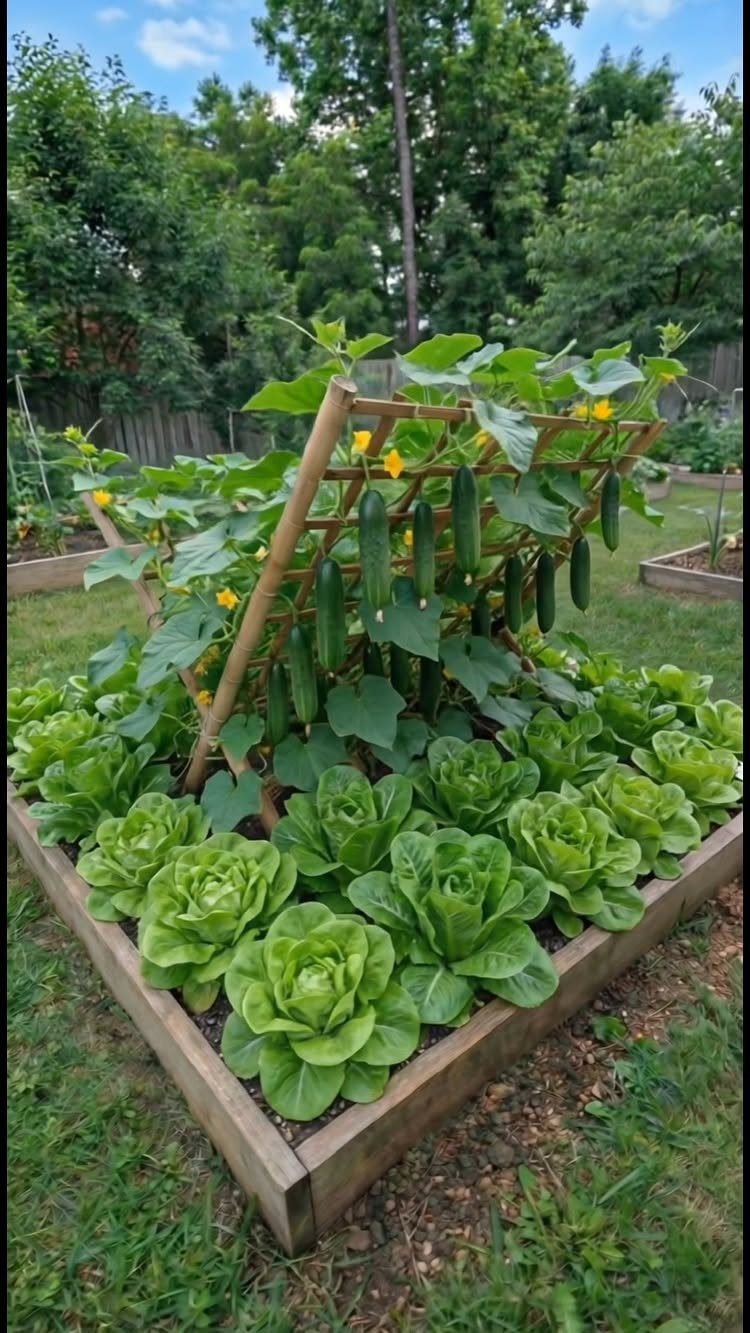
An A-frame trellis rising from the bed center doubles the harvest in the same footprint by carrying cucumbers overhead while lettuce fills the ground layer.
Bamboo poles lashed at the apex spread the load without hardware; I would anchor the frame feet inside the bed walls so the soil weight holds them. Harvest from both sides to keep the vines from shading the greens unevenly.
15. Cardboard Sheet Weed Barrier Base
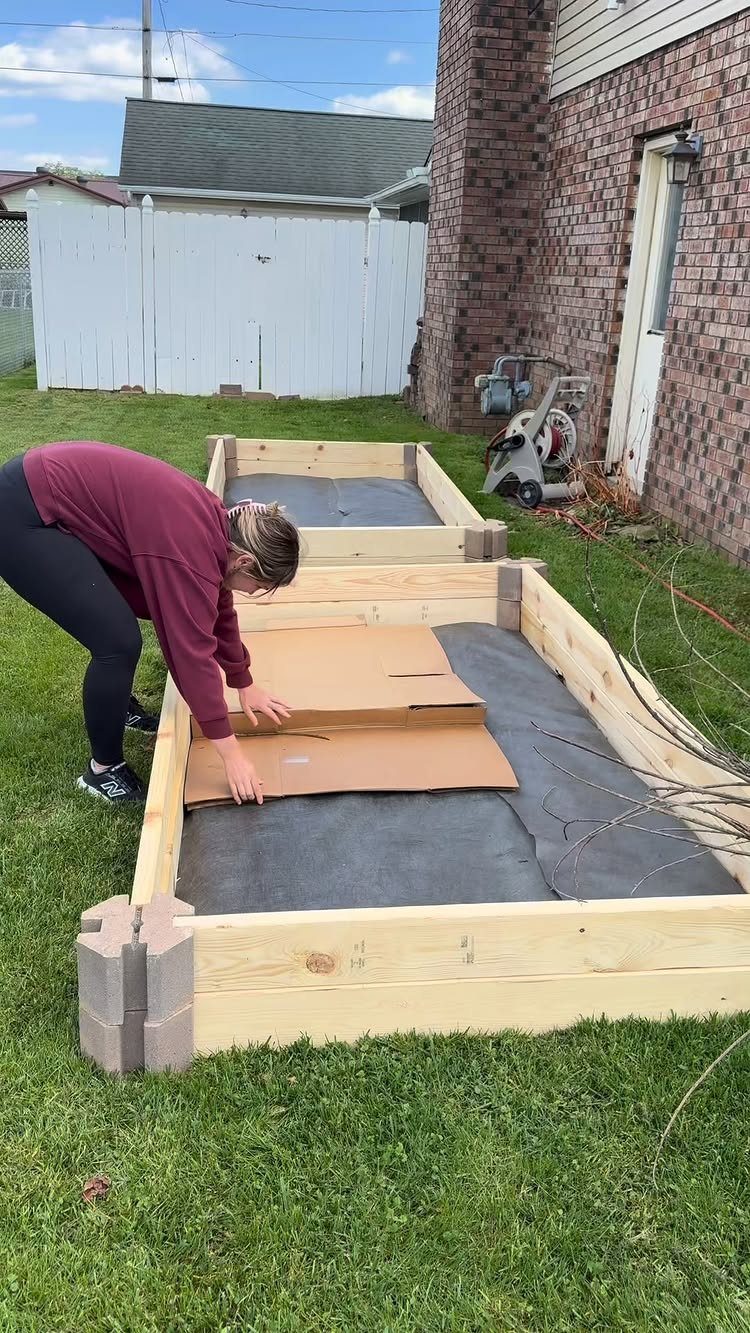
Cardboard over landscape fabric at the base blocks perennial weeds for a full season while the layers beneath rot into the soil.
I would use plain brown shipping cardboard, not glossy printed boxes; the waxes and inks in some packaging slow decomposition and leave residues I would rather not start with.
Water the sheets well before adding soil so they settle flat and do not float.
Advantages of Raised Beds
Raised beds put the soil entirely under your control, which matters more for vegetables than for almost anything else in a garden.
You can fill one bed with ericaceous compost for acid-loving crops like blueberries and another with light, sandy mix for carrots that need sharp drainage, without fighting what your yard happened to grow.
The soil keeps its structure because you add it from the sides and let the bed do the work; roots spread easier and water moves through faster than in ground that gets compacted by foot traffic.
The height is yours to set. A bed built tall enough to work standing up takes bending out of the equation entirely, which my back appreciates on long planting days.
Wheelchair users or anyone with limited mobility can tend a garden that would otherwise be out of reach.
Weeds still show up, but they arrive slower. Without surrounding lawn pressing in from the sides, the maintenance load drops noticeably through the season.
Raised Beds can solve a lot of problems, but they’re not the answer to everything. Landscape designer Judith Phillips here shares her advice for would-be raised-bed gardeners—including when not to install one.
Common Vegetable Choices
Most vegetables are not forgiving plants; they want direct sun, moving air, exact water, and soil with the nutrients their particular crop needs.
Raised beds make meeting those demands practical because you build the soil to order rather than amending what you have.
Shallow-rooted crops are the natural fit. Lettuce, radishes, spinach, spring onions, and carrots all thrive in a shallower bed and reward the good drainage a raised bed provides.
Garlic and peppers do well here too, as do peas and dwarf beans that stay low enough to skip staking. Courgettes fill space fast without the height that catches wind.
I would skip cordon tomatoes and other tall, staked varieties in exposed beds.
The extra elevation leaves them more vulnerable to gusts than the same plants would face at ground level, and the hassle of anchoring stakes in a raised frame outweighs the convenience.
Seasonal Planting Tips
Start your schedule from the soil temperature, not the calendar date. Cool-season crops like lettuce, spinach, and peas go in as soon as the bed can be worked in spring; they germinate in soil that would stall warm-season vegetables entirely.
Warm-season crops like peppers and zucchini need the soil to warm past the danger of cold shock before transplant, which in most zones means waiting several weeks past the last frost date.
Succession planting keeps the harvest continuous rather than overwhelming.
Radishes finish in 3–4 weeks; I would replant that row immediately with summer lettuce or dwarf beans. Garlic planted in fall occupies the bed through early summer, so plan its neighbors for crops that finish by June.
Frequently Asked Questions
What kind of vegetables can you grow in a raised garden bed?
Leafy greens and root vegetables are the easy wins in a standard raised bed. Lettuce, spinach, radishes, and carrots all handle the shallower depth just fine and actually prefer the fast-draining soil that raised beds provide.
Garlic, peppers, peas, and dwarf beans also thrive there. I would skip tall, staked plants like cordon tomatoes in exposed beds; the extra height catches wind, and anchoring stakes inside a frame is more hassle than it is worth.
How do I create a raised vegetable bed?
Build a frame from wood, metal, brick, or woven branch, set it where it gets 6 hours of direct sun, and fill it with a mix suited to what you want to grow.
Most vegetables are unforgiving about light, air, water, and nutrients, so the point of raised beds is tailoring the soil instead of fighting what your yard already has.
Work from the sides once it is built so the soil stays loose and structured rather than packed underfoot.
What are the advantages of having raised garden beds?
Raised beds let you tailor the soil to the crop, not the other way around. I can run acidic mix in one bed for blueberries and keep another light and sandy for carrots, which is nearly impossible in open ground.
You never step on the soil, so it keeps its structure, drains faster, and lets roots spread without the compaction that ground-level beds suffer.
You also set the height, which takes bending out of the work entirely if you build tall enough.