
These 4 growing strawberries ideas run from a weekend barrel build to a full pyramid raised bed, and the one that fits comes down to whether you can change the space you have or need something that leaves no trace.
A 55-gallon drum turned vertical planter sits right in the middle of that range, one person can roll it empty into place, and that center watering tube is the detail that keeps every level alive.
[link-whisper-related-posts]1. Strawberry Barrel Planter
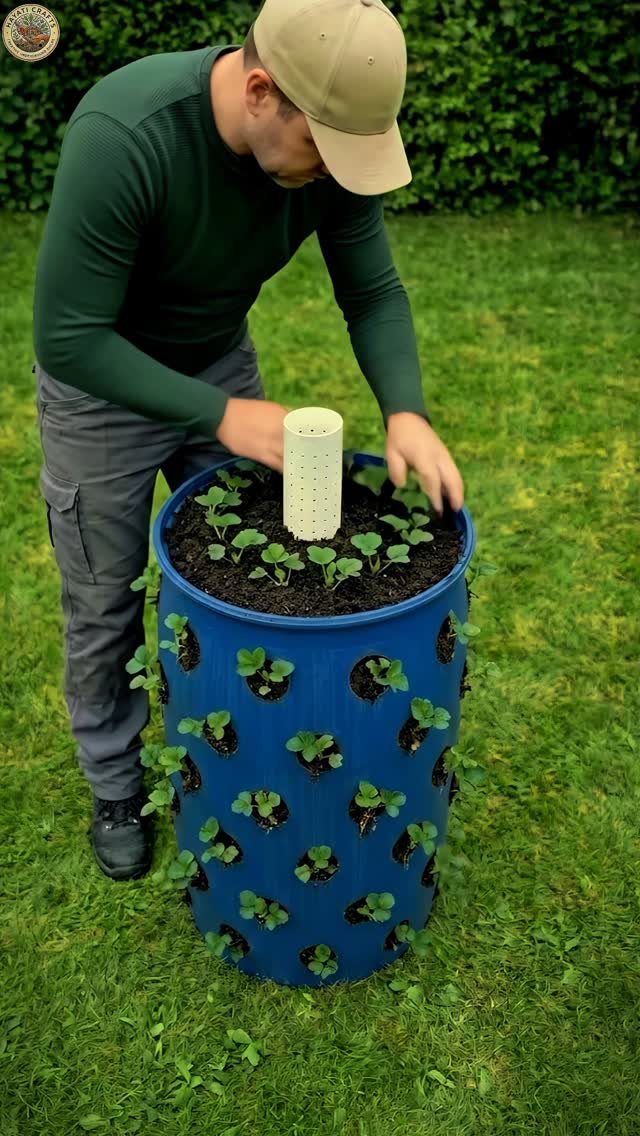
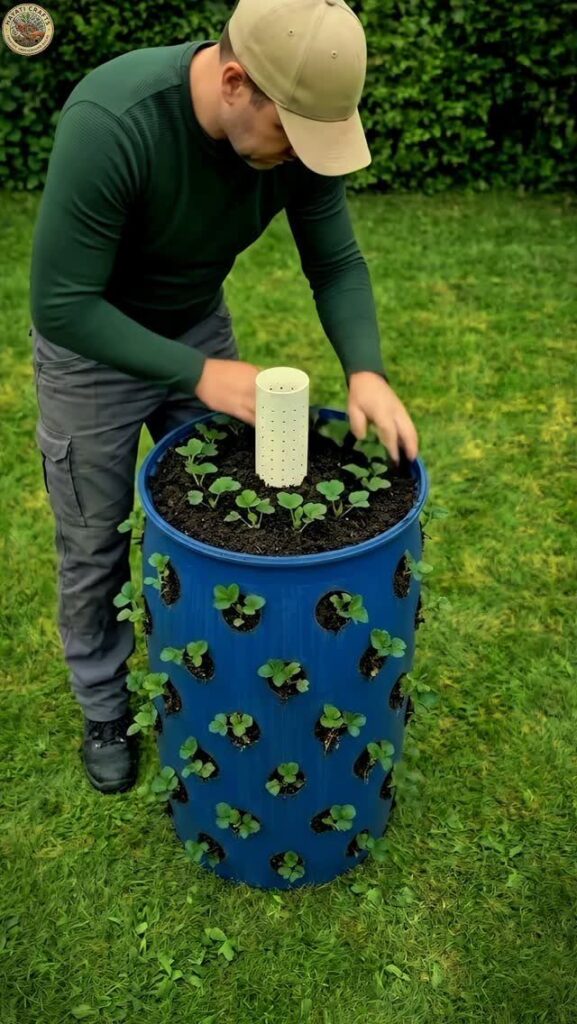
A strawberry barrel planter turns a 55-gallon drum into a vertical tower by drilling or cutting pockets around the sides, plus a center tube with holes that carries water down to every level.
I like that one person can roll an empty barrel into place, though filling it takes close to a cubic yard of potting mix and gets heavy fast.
Check that the plastic is food-grade; colored barrels often held syrups or detergents, and residue matters for fruit. I would add that center watering tube: without it, the top plants stay wet while the bottom ones dry out.

Tips: Please confirm the size before purchasing, and planter is not included.

Easy Assembly & Stackable:No complicated tools or installation required! The interlocking tier design snaps together securely in minutes, letting you build your vertical garden in no time. Lightweight yet stable, it’s easy to move, clean, and store, making it perfect for beginners, and experienced gardeners alike.

Space-Saving : This strawberry planter maximizes your gardening space by stacking 5 layers to grow more plants in a compact area. The strawberry tower planter is ideal for patios, balconies, or indoor use
2. Pyramid Raised Bed
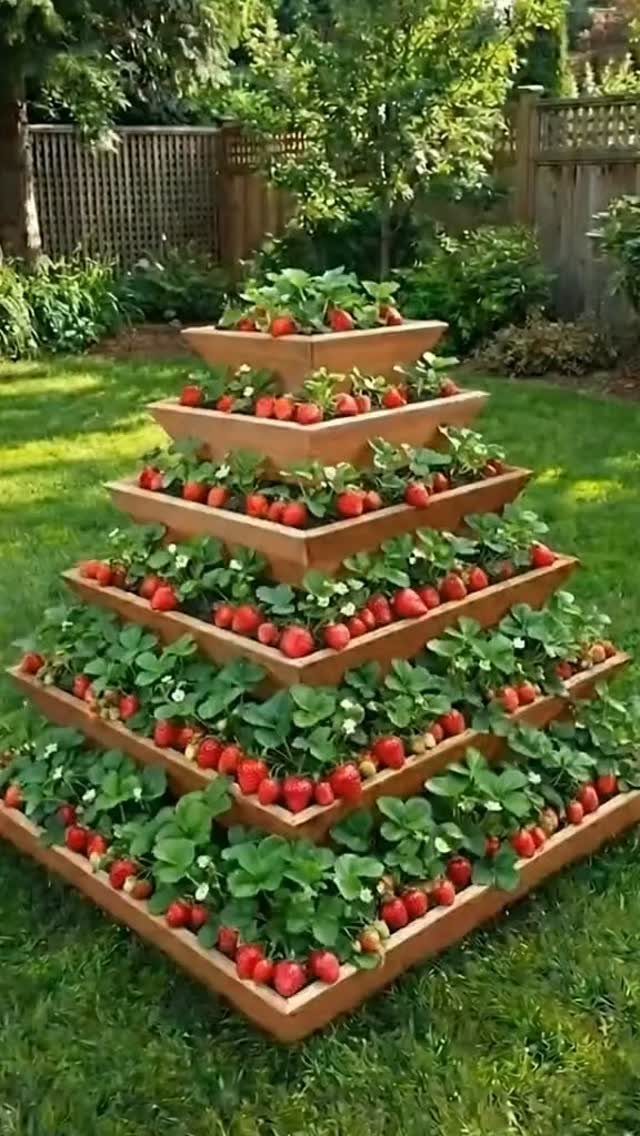
Wood 2x6s or 2x8s are the usual build, and the stepped design gives every plant full sun exposure that a flat bed cannot match on a small footprint.
I would keep the peak low enough to harvest comfortably; much taller and soil pressure warps the walls too.
The angled sides also warm faster in spring, which strawberries like. Cedar or redwood lasts longest against damp soil, though treated pine costs far less if you line the interior with plastic.

Elevate Your Garden - Opt for a brilliantly engineered raised garden bed to revolutionize your gardening. Its spacious design, measuring 48x24x30 inches, allows for the cultivation of multiple vegetable varieties alongside a plethora of herbs, optimizing your gardening space for ease and diversity.
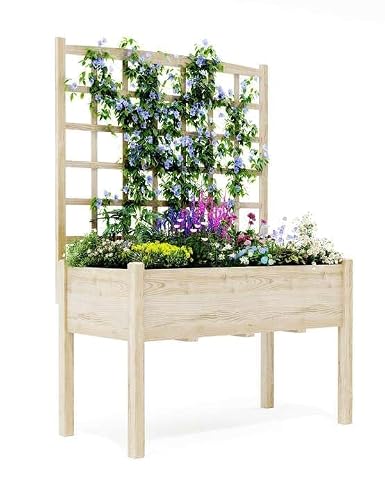
1. Expansive Multi-Tier Garden Planter:Measuring 120cm L x 59cm W x 40cm D, this versatile planter offers ample space for herbs, vegetables, and flowers. The integrated 180cm trellis provides sturdy support for climbing plants like beans and tomatoes, maximizing vertical growth. Deep planting beds accommodate robust root systems, while the open framework ensures optimal sunlight penetration for a thriving garden on your balcony, patio, or backyard.
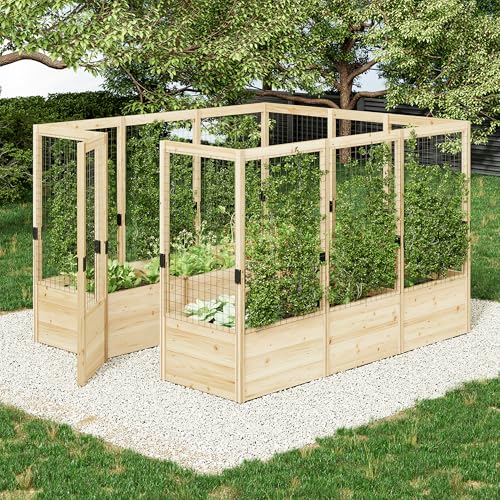
Deer Resistant Fence: Equipped with Deer Resistant fence, this raised garden bed kit provides an additional layer of protection, keeping unwanted animals at bay and safeguarding your plants.
3. Vertical Planter
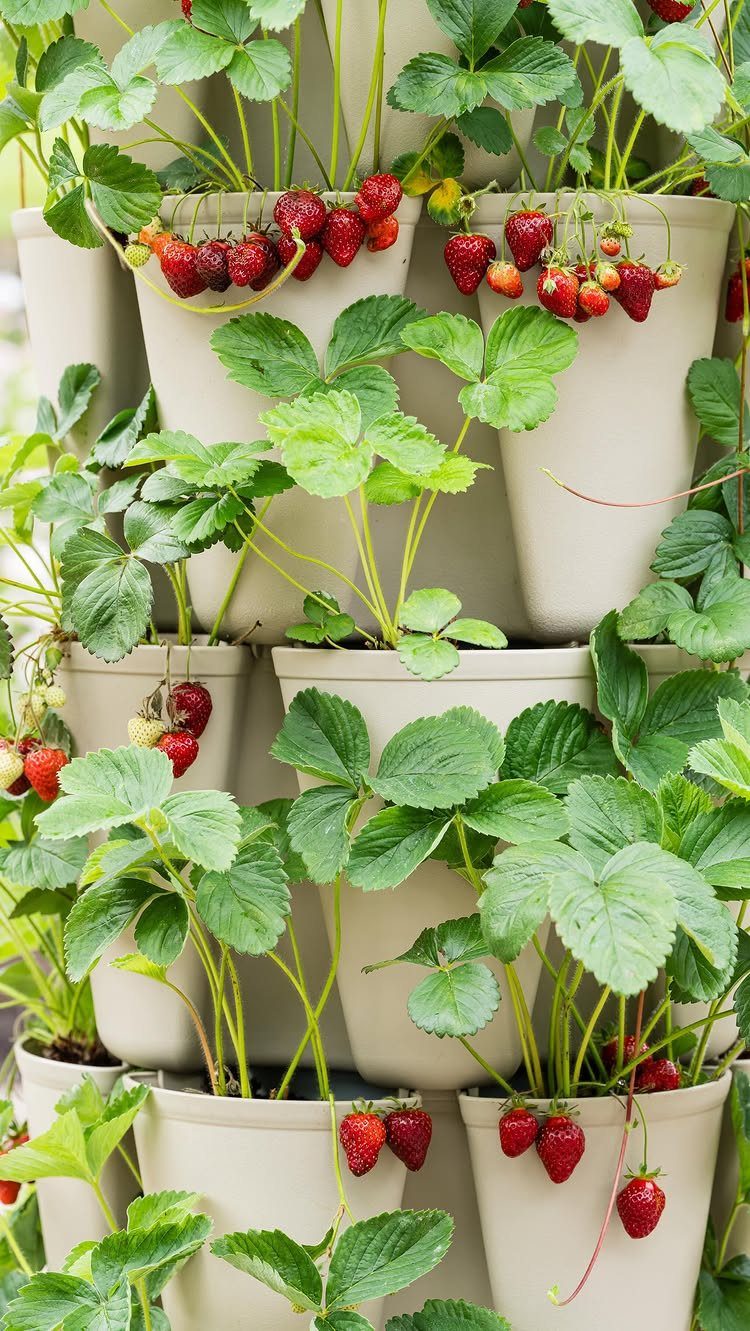
Stacked pocket planters in beige plastic hang against a wall or stand on a frame, each tier holding several strawberry plants that send runners over the edges.
I would anchor a freestanding unit to a fence or railing; full pockets get surprisingly heavy and tip easily in wind. Ripe fruit hanging free of the soil keeps berries cleaner than ground-level beds and saves the slug battle entirely.
Drainage is built in, so these suit renters who cannot modify a deck or patio. I would skip the bottom pockets for herbs or greens instead; strawberries near the base get less light and stay wet longer.

Innovative Space-saving Design: maximize your gardening potential with our stackable wall planter system; Each piece measures 9.45" x 5.71" x 5.51" and features two pockets, The overall dimensions are 47.5"x33"x5.5" offering ample growth space for a variety of plants; Nice for Fence Balcony Wall Decor, these vertical wall planters change limited spaces into gardens effortlessly

Utilize vertical planter to optimize outdoor space effectively. With its tiered design, you can grow a diverse range of herbs, strawberries, and various plants in a compact tower garden format. This innovative solution allows for abundant yields.

Larger Capacity for Bigger Growth: This large vertical planter tower offers increased planting volume and root space, making it ideal for serious gardeners, backyard food production, and high-yield growing.
4. Hanging Planter
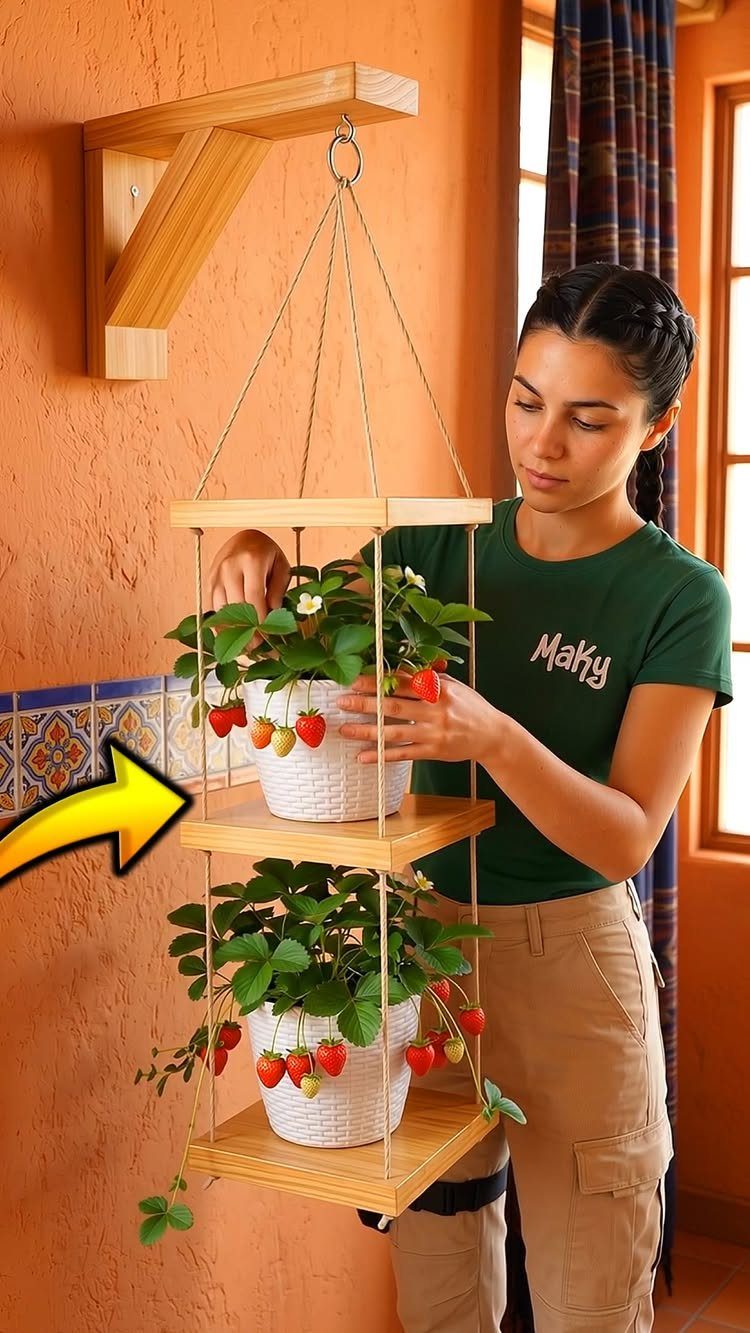
A hanging planter for strawberries can be a tiered wood shelf on wall brackets, with individual pots that lift out for watering or rearranging.
Plants at working height beat ground beds for anyone with back trouble, and the three levels fit a surprising number of plants in the footprint of one large pot.
I would use plastic or resin pots rather than terracotta; they hold moisture longer and weigh less on the brackets.
Check your wall type before mounting: drywall anchors will not hold damp soil, and a stud or masonry anchor is non-negotiable.
You can also grow strawberries in growing bags. A growing bag will support six to eight strawberry plants, especially if you lay one bag over another, with holes cut around the bag, to allow roots to penetrate to the full depth.

3 Tiered Hanging Herb Garden Set: the package includes 1 piece of 3 tiered hanging vertical planter shelf, suitable for decorating kitchens, living rooms, offices, balconies and other places, and 12 pieces of plants pots, ideal for growing herbs, cacti, and so on; Please note that we provide you with non marking nails and hooks for easy hanging

Packgae includes: It comes with 2 pcs of fabric hanging planter bags in green, each bag measures 8.8 * 15 inches. 2 mental hooks are included for easy hanging. One nice feature is that they can easily be turned for more or less sunlight for both sun and shade loving plants.

High-quality Product: Thick, high-quality PP materials can be used repeatedly without fading, not easy to crack even in summer; Suitable for garden or indoor use
Strawberry Care Tips
Strawberries want water at the roots, not on the leaves or fruit. Wet centers and ripening berries invite grey mold, so I aim the hose at the soil line and water in the morning so leaves dry fast.
In early spring I scatter general-purpose fertilizer around in-ground plants, then switch to a high-potash feed, the kind sold for tomatoes, every week or two once flowering starts. That potash drives fruit set more than nitrogen ever will.
I tuck straw under the plants just as fruits begin forming.
It keeps berries clean, cuts down the slug patrol, and suppresses weeds. Netting saves fruit from birds, but I use a fixed cage with holes wide enough for pollinators; loose netting traps hedgehogs, slow worms, and birds.
After the last berry is picked, I shear foliage to about 2 inches, feed again with general-purpose fertilizer, and clear all old straw to keep pests from overwintering.
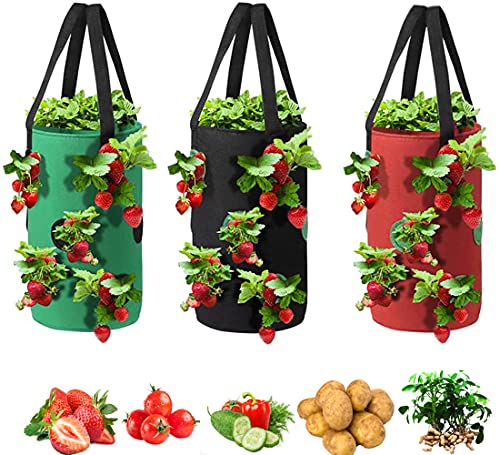
【Durable Material】: The planting bag is made of high-quality felt cloth, has good permeability, is durable, can be easily folded, and can be washed and reused.

Can be used for growing herbs, greens and other small plants

【4-Tier Size Set】: This strawberry tower set includes 4 round pots: 35.4”x11.8”, 27.5”x11.8”, 19.6”x7.8”, and 11.8”x7.8”. These strawberry planters for outdoor plants can be stacked into a vertical planting tower, maximizing space on balconies or small yards. Compared to horizontal planting, this stackable planters design increases growing capacity by 3 times for efficient strawberry cultivation
Soil Preparation
Strawberries rot where water sits, so drainage comes before anything else.
A raised bed fixes heavy clay; containers need a mix formulated for pots, not garden soil. I pull every weed and root fragment before planting, because strawberries do not compete well and perennial weeds resurface fast.
Strawberries want soil on the acidic side, with a pH between 5.5 and 6.8.
I test before amending; lime or sulfur moves slowly and works best months ahead. Working in compost or aged manure before planting gives the soil structure and feeds the roots without burning them.
I set up irrigation, even if it is just a soaker hose on a timer, before the plants go in.
Disturbing roots later to add water lines sets growth back. If I am planting in spring, I want the soil worked and settled, not freshly tilled and fluffy; roots anchor poorly in loose fill.

PE Material: Features outstanding UV resistance and high tensile strength. It remains intact under long sun exposure and resists tearing even when filled with heavy soil or plants. Compared with non-woven fabric grow bags, this PE bag retains moisture well to slow soil water evaporation. It cuts down frequent watering chores, saves your time and maintains steady hydration for your plants

MADE IN THE USA – SUPPORTS 3 SMALL BUSINESSES Proudly manufactured in the United States. Every Smart Spring planter purchased directly supports three small U.S. businesses, helping keep jobs and production local.

Space-Saving Vertical Gardening: Maximize your growing potential with staggered tiered planting! By smartly utilizing vertical space through height-varied layers, this planter lets you grow more plants while saving precious floor space—good for compact balconies, cozy patios, or tight indoor corners.
Frequently Asked Questions
What conditions do strawberries like to grow in?
Full sun, soil that drains fast, and water directed at the roots instead of splashing the fruit or foliage: those are the three non-negotiables.
Morning watering is my habit; by afternoon the leaves have dried, and that matters because damp crowns and softening berries are an open invitation to botrytis.
Aim for slightly acidic ground, roughly 5.5 to 6.8. I fork in compost or well-rotted manure a week before I set plants out; it feeds the roots gently and opens the soil without the salt shock fresh manure can deliver.
Can you grow strawberries in pots?
Yes, strawberries grow well in pots, vertical planters, hanging setups, and barrel towers. A container mix formulated for pots matters; garden soil compacts and drains poorly.
For wall or rail-mounted planters I reach for plastic or resin. The material keeps water in the soil longer, and the whole unit stays light enough that I am not worrying about brackets pulling loose once the mix is saturated.
How many strawberries will you get per plant?
Most sources put the average yield at about 450g per plant over a season. The earliest berries on any plant of mine are the big showy ones; each subsequent flush through the season trends smaller, though no less sweet.