The ideas below run from a sealed cabinet with a humidity meter to a full greenhouse bay with gravel floors and a 20-gallon reservoir tank.
What decides which one is yours is whether you need a contained corner inside your house or a whole room that functions as outdoor space under glass.
Small terracotta herb pots on a boot tray are one end of that range; a bed, a rug, and hanging plants kept above head height is the other.
[link-whisper-related-posts]1. Indoor Greenhouse Cabinet
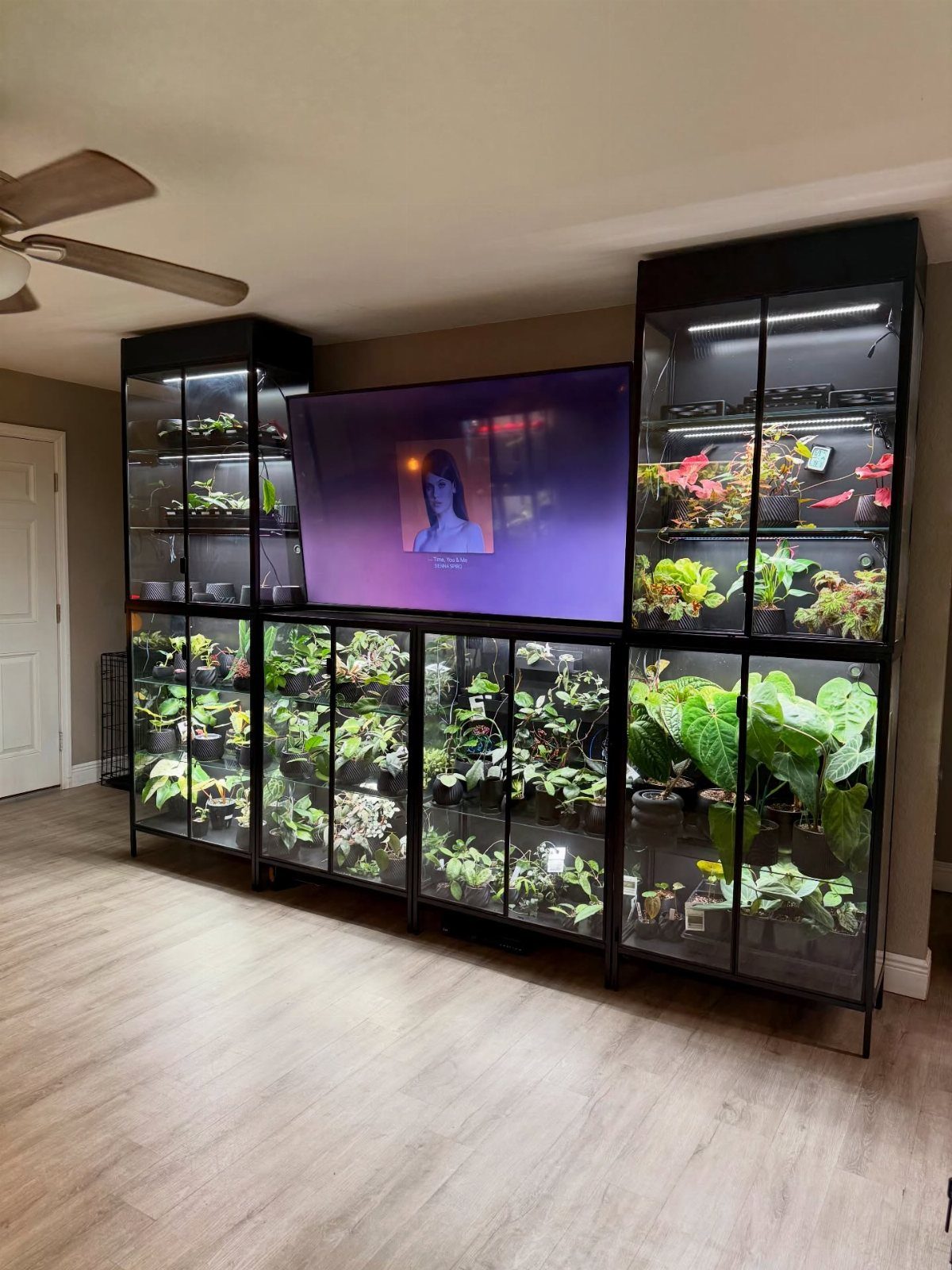
An old entertainment center or glass display cabinet gets a second life as a plant enclosure with a few modifications. A black metal frame with glass panels holds humidity in, and shelves let you stage plants at different heights.
Before you start, check that your cabinet can handle the weight of damp soil and pottery across every shelf.
I would add a waterproof tray on each level and a small clip-on grow light up top, since cabinet glass filters out more light than you would expect.
A cheap humidity meter stuck to the glass tells you when to crack a door.
Then she added soil and plants. It’s not a traditional closed greenhouse, but the glass top traps in some warmth and humidity to help the plants thrive.

Creative Indoor Greenhouse with Pegboards - Upgraded from traditional mini greenhouse, this green house features 2 removable pegboards to suspend plants creatively. Perfect for trailing or light-loving foliage, the staggered layout enhances aesthetic appeal while ensuring optimal light exposure for every plant

Sleek & Clear Indoor Garden: The PEEKUP mini indoor greenhouse features a crystal-clear, enclosed design that holds heat and humidity, offering 360° viewing angles for a controlled growing environment. Use for seed starting, plant propagation, and display

Creative Indoor Greenhouse with Pegboards - Upgraded from traditional mini greenhouse, this green house features 4 removable pegboards to suspend plants creatively. Perfect for trailing or light-loving foliage, the staggered layout enhances aesthetic appeal while ensuring optimal light exposure for every plant
2. Small Pots for Herbs
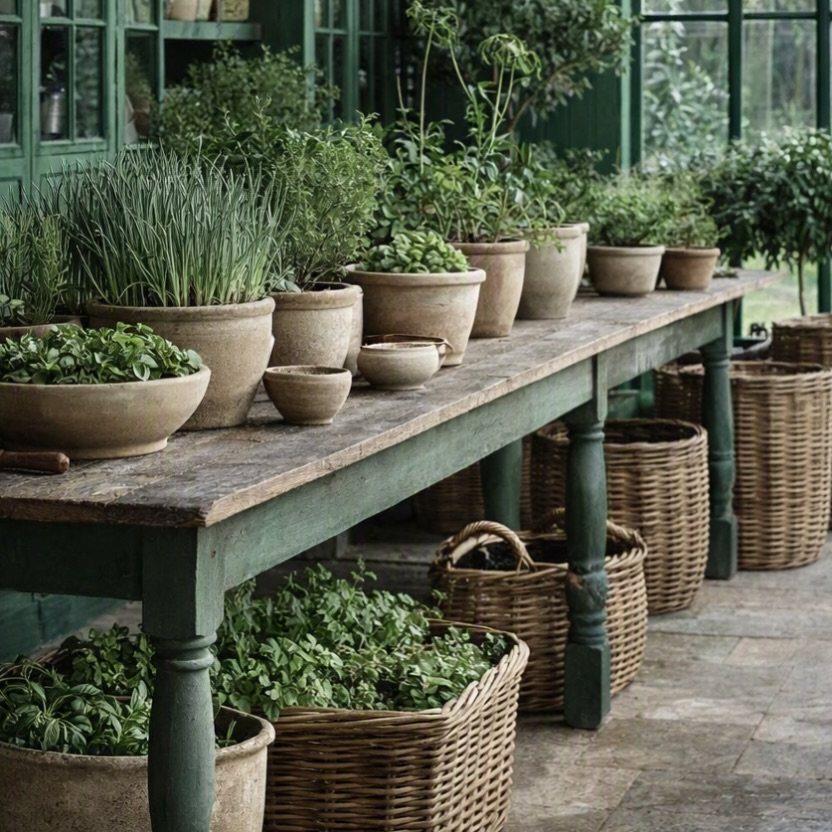
A single long table against a wall turns into a working herb garden if you keep the scale small.
Terracotta and shallow bowls are the right call: clay breathes, and low sides suit herbs that hate wet feet. Wicker baskets slipped underneath catch spare pots, labels, and a hand fork without cluttering the surface.
I would stick to herbs you actually cut often, basil and parsley and thyme, because a dozen idle pots just become a maintenance chore.
A stone or tile floor saves you from water stains; if you are on wood, a boot tray underneath does the same job.
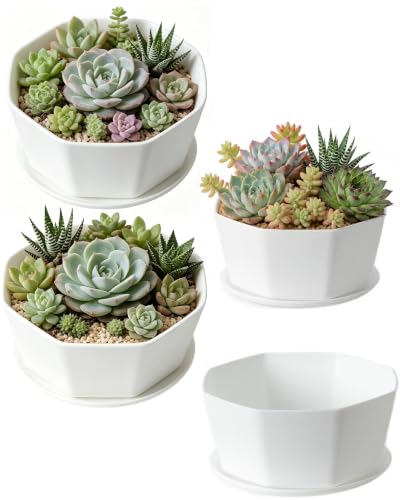
Size & Dimension: 5.9" Upper Diameter, 4.7" Lower diameter, 2.6" Height. Perfect for smaller bonsais or bigger succulents

Premium Materials: Crafted from high-quality clay and baked at high temperatures, our pots promote quick soil drying and optimal plant growth, drawing out excess water.

★【TERRACOTTA】 Yishang terracotta pots made of Top-Quality clay and baked at 1796°F high temperature, each Terracotta Pots features great durability and crack resistance. All packages have passed the 3-foot drop test to ensure the pots stay intact during delivery.
3. Cozy Greenhouse Living Space
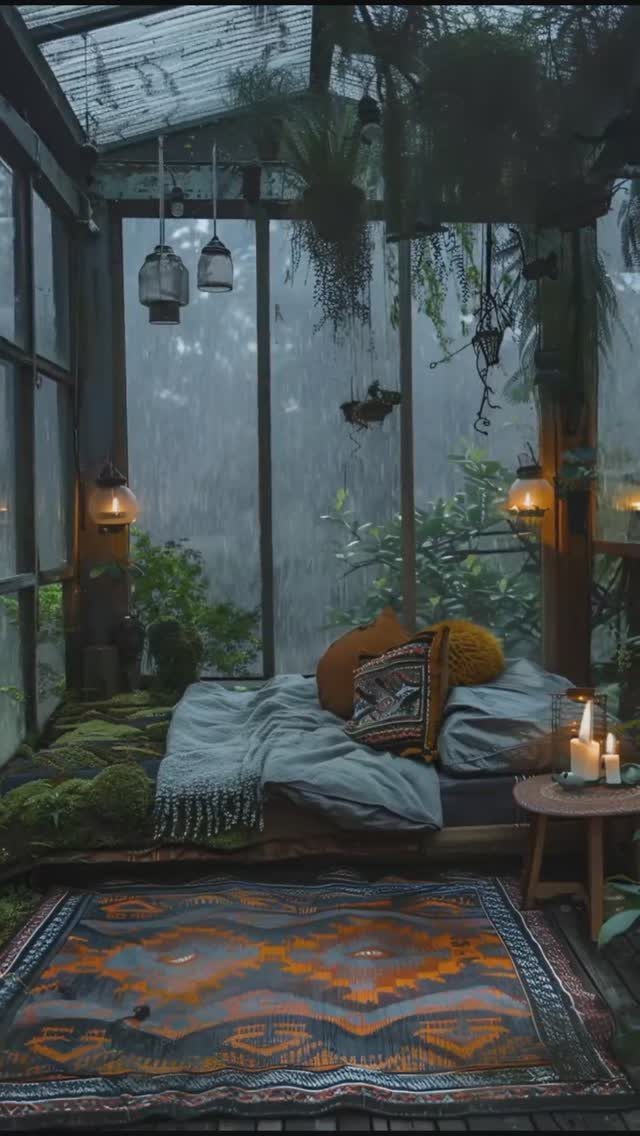
This is the greenhouse as spare room: a bed, a rug, and enough glass to wake you with natural light.
The rain on the glass and the candles on the side table suggest the real appeal, which is sleeping somewhere that feels outside the house without being outside your walls.
I would not try this in anything uninsulated outside the warmer zones unless you add a small electric heater for the shoulder-season nights.
The hanging plants work because they stay above head height; a dripping fern over your pillow gets old fast. A rug on plank or concrete buys you barefoot comfort on cold mornings.

【Premium Material & Tool Free Setup】This 7.8IN (20cm) stained glass window hanging is made of high quality textured light transmitting glass, decorated with bright and long lasting UV printed patterns. It comes with a smoothly wrapped metal frame without sharp corners and a sturdy nylon hanging chain. Users can set it up easily right out of the package with no tools required.


Made of premium high-density polyester, all our curtain patterns are 100% original hand-drawn designs with no identical copies online. We adopt thermal transfer printing to infuse pigment deep into polyester fibers, rather than cheap surface printing. Patterns will not peel, crack or fade even after repeated cold machine washes.
4. Vertical Hydroponic Tower Setup
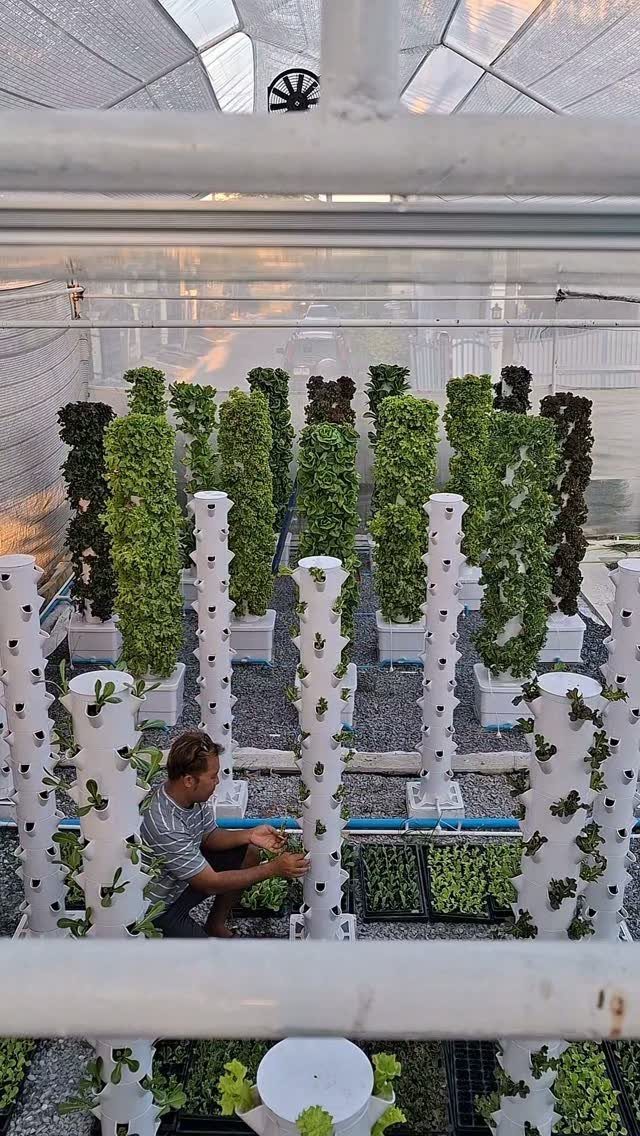
White vertical towers against gravel make a clean, almost clinical growing system that happens to fit a lot of lettuce into a narrow greenhouse bay.
The towers run nutrient water from a top reservoir down through the root zone, so there is no soil to spill and no weeding.
Gravel flooring is practical here because drips and drainage spills just sink through.
I would budget for a small submersible pump and a reservoir tank, usually a 20-gallon tote tucked behind the towers. Leafy greens and herbs do well; tomatoes and peppers want more root space than a tower pocket gives.

【Multi-Scene Growing Solution】Professional hydroponic tower system for indoor/outdoor/commercial use, featuring corner-friendly design to maximize space efficiency in homes, apartments or greenhouses

【Smart Top to Bottom Watering & Nutrient Circulation】The timed pump delivers water from the top down through all 14 layers, ensuring every plant receives consistent moisture and nutrients. Unlike drip systems that clog, this flow design minimizes waste and prevents dry spots—so your tower garden thrives with less effort.

【HIGH-YIELD 30-POD STRUCTURE】6-layer vertical farming system supports 30 plants simultaneously - Ideal for strawberries, tomatoes, lettuce, herbs and vegetable seeds cultivation
5. Seedling Propagation Benches with Misting
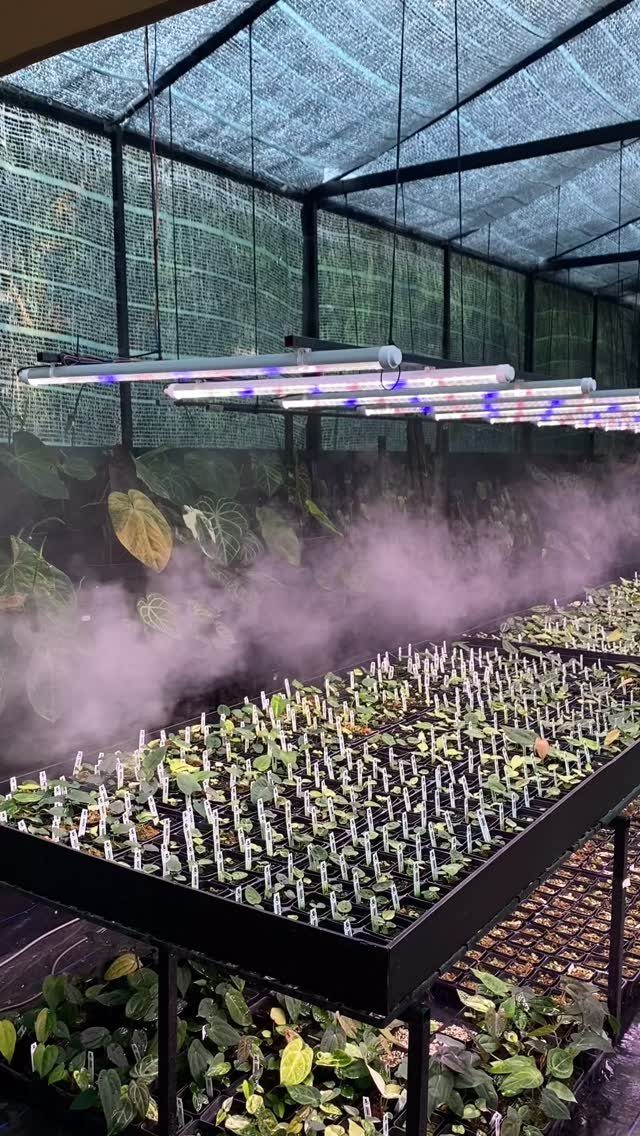
Seedling benches under grow lights with an overhead mist line are the bridge between seed packet and garden bed.
LED bars need to sit close above the trays, because leggy seedlings never recover. The mist drifts down automatically, which beats hand-spraying on a schedule and forgetting on a weekend.
I would set the timer for short, frequent bursts during daylight hours, not a constant soak.
Plant tags, visible in the trays, matter more than you think: by June, every flat of green looks identical. A bench at a comfortable working height saves your back during the long indoor season.

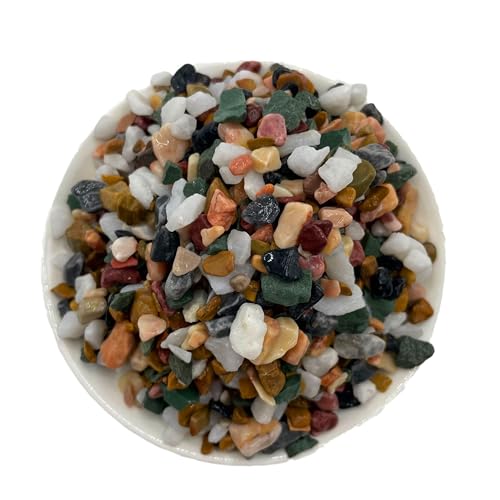
Package Size and Contents: The package includes 1 pound of gravel for fish tank with stones measuring 0.4" to 0.8" (1-2 cm), enough for small bowls, plant pots, and small size outdoor applications. The stones can be used as fish tank rocks, fish tank decorations, turtle tank accessories, and aquarium accessories. Kindly Remind Tips: Rinse before first use to get rid of dirt
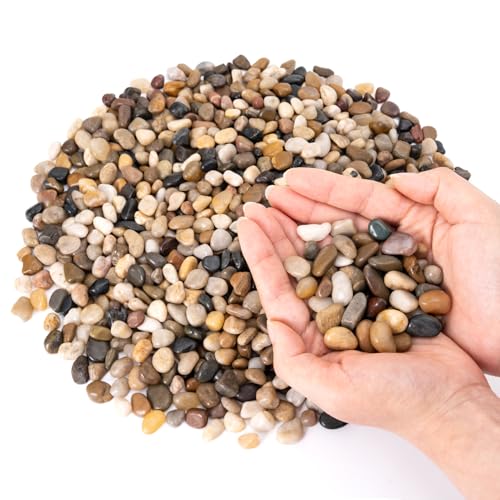
[DURABLE NATURAL MATERIAL] - Crafted from hard natural stone, these fish tank gravel resist fading and cracking, ensuring long-lasting beauty even under harsh sun and rain. Perfect for enhancing your garden paths or outdoor landscaping with a touch of nature's resilience. Ideal for homeowners seeking durability without compromising style.
6. Rustic Wooden Shelving Greenhouse
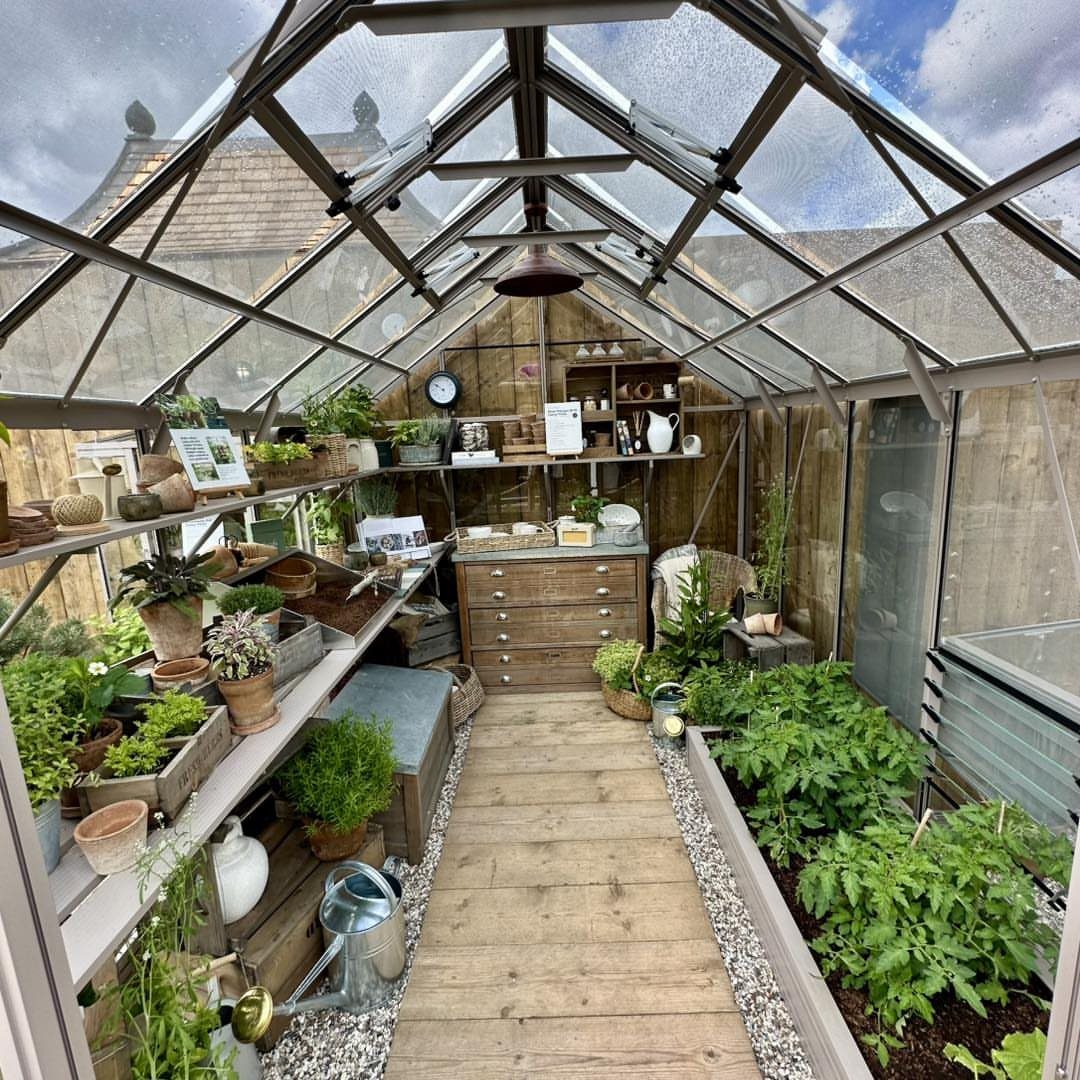
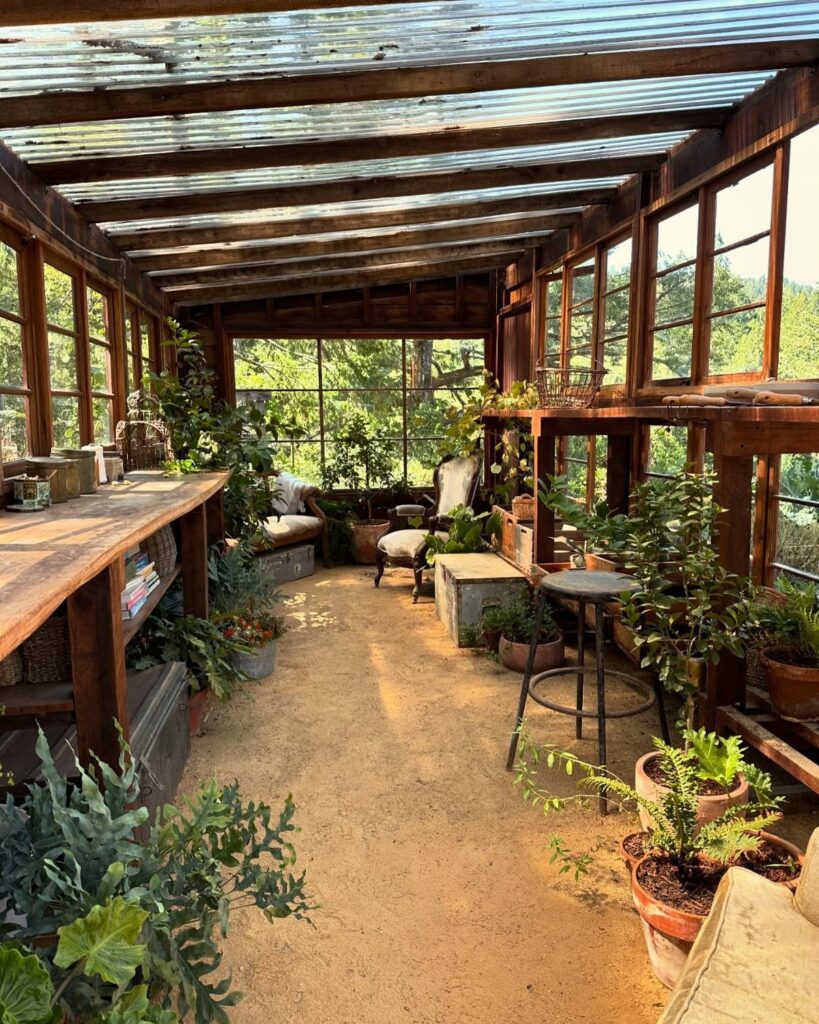
Tiered wooden shelving down one wall and a plank walkway down the center give this greenhouse the feel of a garden shed that happens to be made of glass.
The aluminum frame keeps the structure light, but the wood inside is what makes it pleasant to walk through.
I would use cedar or a rot-resistant species for the shelves, not pine, because damp pots sit directly on the wood.
Drawers against the back wall are a detail I would copy: they hold labels, twine, and dibbers where you actually need them.
A central path wide enough for a wheelbarrow, or at least a loaded flat, saves you from moving every pot by hand.

Stackable & versatile: Can be placed horizontally/vertically, saves space, and lets you customize plant layout freely for seedlings, herbs, or small pots.

DIY Pegboard Indoor Greenhouse: This Plant Cabinet features detachable pegboard tiers and comes with a complete DIY kit, such as heavy-duty hooks, flexible wire for tying and extension shelvs. Enabling customizable propagation zones for trailing vines, seedlings, or leafy greens. Its vertical, space-saving design maximizes light exposure while keeping tools, pots, and plants neatly organized, transforming any corner into a functional, clutter-free, and stylish indoor growing sanctuary

4-Tier Construction: The indoor greenhouse features 4 adjustable-height layers, with overall dimensions of 35.4'' L x 13.8'' W x 59'' H and a total weight capacity of 220 lbs. It provides suitable space for your blooming flowers, sprouting plants, microgreens, and vegetables organize
Managing Temperature
Most tropical and edible plants stay healthiest between 65°F and 80°F. I would keep a thermometer inside the cabinet, not guess by hand, because glass traps heat faster than you expect.
If the air hits 85°F or above, step the light down with a dimmer rather than rebuilding the whole setup.
A vent, zipper crack, or open door releases heat before it cooks leaves. LED bars run cooler than my old T8 tubes, which I swapped out partly for that reason.
In a basement space that dips at night, a radiant or infrared heater warms the root zone without drying the air the way a coil heater does.
Morning furnace cycles can spike an indoor greenhouse fast; I check mine after the HVAC kicks in.

REAL TERRACOTTA CLAY – BREATHABLE & HEALTHY FOR ROOTS: Made from natural terracotta clay, these plant pots allow excellent air circulation and moisture regulation, helping prevent overwatering and root rot. Ideal for succulents, cactus, herbs, and small plants.

Round Cylinder Design – Porous terracotta clay material for succulent plants.

Premium Quality: These terra cotta pots are constructed of high-quality clay, which allows more water and air to circulate freely within the pots while yet maintaining their structural integrity. It’s an excellent choice for cactus, succulents, and other plants that thrive in dry soil, and it’s also appropriate for areas with lower temperatures. The high air permeability of the pot walls helps the soil to dry out more quickly
Controlling Humidity
Seedlings and cuttings need 60–75% humidity, but mature houseplants and herbs do better at 40–60%. I keep a hygrometer at plant level because glass and water trays push moisture higher than room air suggests.
In a house, I hold below 50% to leave margin before mold risk at 60%.
A small dehumidifier handles the jump after watering day. In a real greenhouse, 80% is ideal growth territory, but that level in a living space courts wall and fabric mold.
A tray of water under pots raises local humidity without fogging the whole room. Crack a door or run a small fan to move air before it stagnates.

【Window Curtains Size:】Each window curtain panel measures 52"W x 45"L and package includes semi sheer curtains 2 panels.Voile curtains with rod pocket are easy to install and slide.Not wrinkle,shrink,wear,tear,loose threads.
【Window Curtains Size:】Each window curtain panel measures 52"W x 54"L and package includes semi sheer curtains 2 panels.Voile curtains with rod pocket are easy to install and slide.Not wrinkle,shrink,wear,tear,loose threads.

【Window Curtains Size:】Each window curtain panel measures 52"W x 63"L and package includes semi sheer curtains 2 panels.Voile curtains with rod pocket are easy to install and slide.Not wrinkle,shrink,wear,tear,loose threads.
Ensuring Airflow
Stagnant air lets fungal spores settle, so I run at least one fan even in tight cabinet setups.
A tower fan moves volume across a bench or bed area. For shelves and corners, I add clip-on fans to push between plants where still pockets hide.
Moving air does double duty.
Leaves that sway indoors harden off for outdoor wind; seedlings that never feel a breeze snap when transplanted. The gentle push also breaks surface moisture on foliage that mold needs.
Ventilation openings help, but mechanical air movement is what keeps humidity uniform. I place fans so they do not blast one plant while another sits in dead air behind a shelf.


Growing 45 Plants at Once: This tower measures just 1 square foot and stands 48 inches tall. Yet, it makes use of vertical space to cultivate 45 plants at once. It can grow different plants such as leafy vegetables, fruits, herbs, enabling you to harvest a diverse range of fresh produce right at home

SOILLESS CULTIVATION: Hydroponics is used instead of traditional soil cultivation, so the automatic top-down timed watering cycle makes better use of water and reduces water waste compared to outdoor potted plants.
Frequently Asked Questions
Can you have a greenhouse inside?
Yes. An old cabinet, a spare room, or even a converted closet can become a controlled growing space if you add light, humidity control, and air circulation.
Cabinet conversions, whole-room setups, and compact herb tables all work indoors if you match the light and humidity to what you are growing.
Is it cheaper to build a greenhouse or buy one?
Indoor setups usually favor building over buying, since a sturdy secondhand cabinet or furniture piece costs less than a pre-built unit and the grow lights and small fans inside it are inexpensive to replace.
Outdoor greenhouses run up heating bills in cold climates and poly coverings need replacing every few years; indoor setups skip most of that upkeep.
Do greenhouses need sun?
Sunlight helps, but indoor greenhouses rely on grow lights because glass filters light more than you expect and winter days are too short.
LED bars or clip-on fixtures give edible plants the 10–14 hours of strong light they need for steady growth, and they run cooler than older T8 tubes.