These 11 ideas run from a Saturday with a shovel to a full weekend with rented materials, and the one that belongs to your yard depends on whether water, mud, or bare siding is your bigger problem right now.
A 2 to 3 inch mulch layer, no deeper, keeps weeds down without suffocating roots; that depth shows up in the first tip and again as the standard for anything laid against soil.
[link-whisper-related-posts]1. Mulch Beds
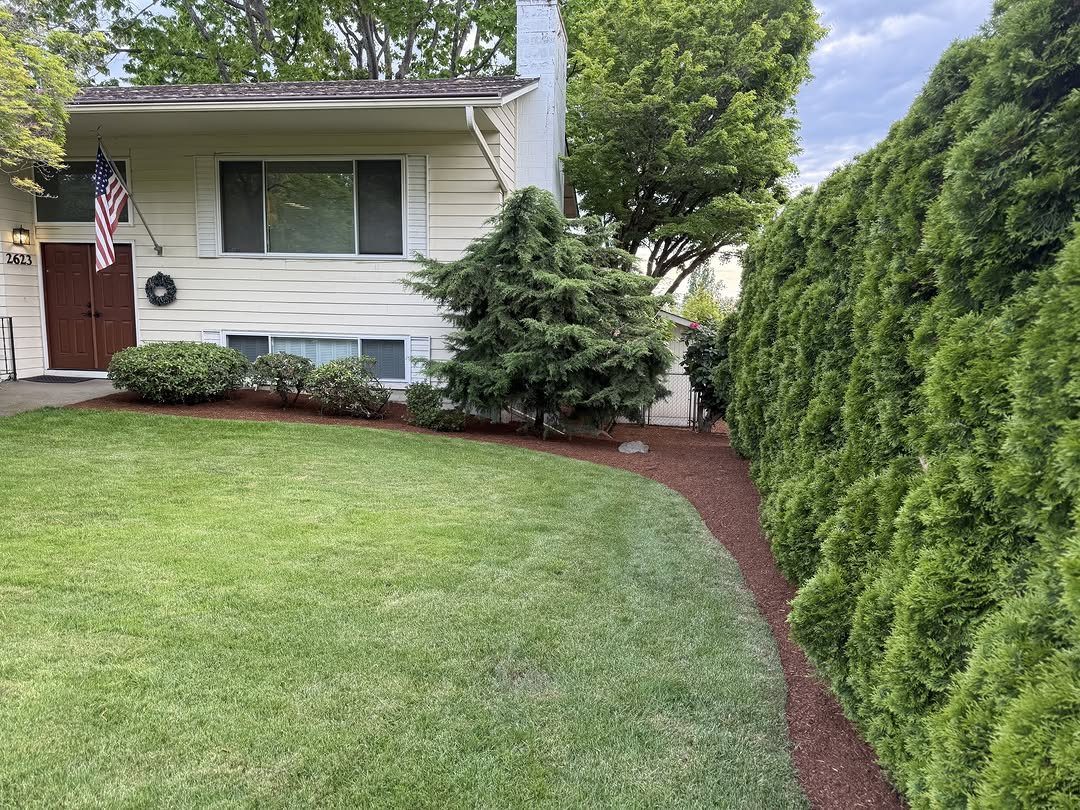
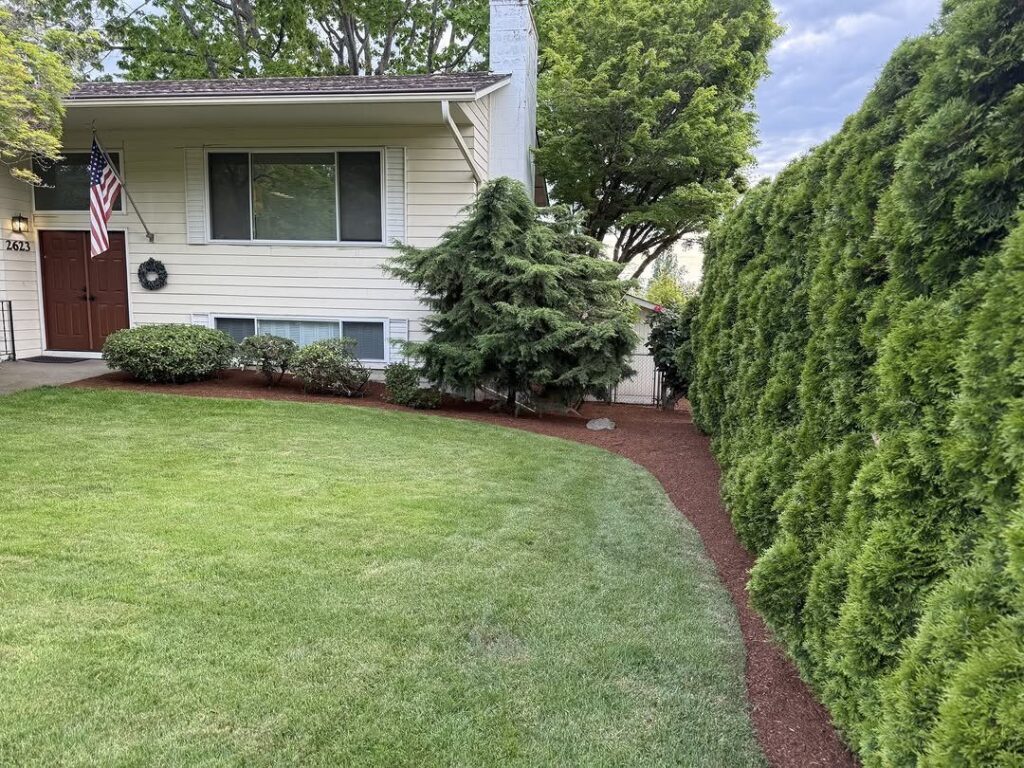
A fresh mulch bed is the fastest way to make a yard look tended, even when the shrubs inside it are the same ones you had last year.
Reddish-brown shredded hardwood reads warm against white siding and green lawn, though I would check what color your own siding casts at dusk before I committed to that tone.
I would spread 2 to 3 inches, no deeper; more suffocates roots and less lets weeds through. Leave a small gap between mulch and any woody stem or trunk you see in the bed.
A curved lawn edge softens the line without needing a physical border, which saves money but means you will need to re-cut that line yearly with a half-moon edger or a sharp spade.

[MULTIPURPOSE LANDSCAPING MULCH]: Ideal mulch for landscaping, garden beds, flower borders, trees, shrubs, and pathways. Designed for both decorative and functional garden use.

NATURAL GARDEN COVER: Creates a clean, polished garden surface while helping minimize weed growth naturally. This organic mulch also supports healthy soil structure and nutrient balance for thriving plants.

100% Natural and Organic: Sourced directly from the USA's heartland, ensuring an eco-friendly and sustainable choice for gardeners.
2. Layered Foundation Planting
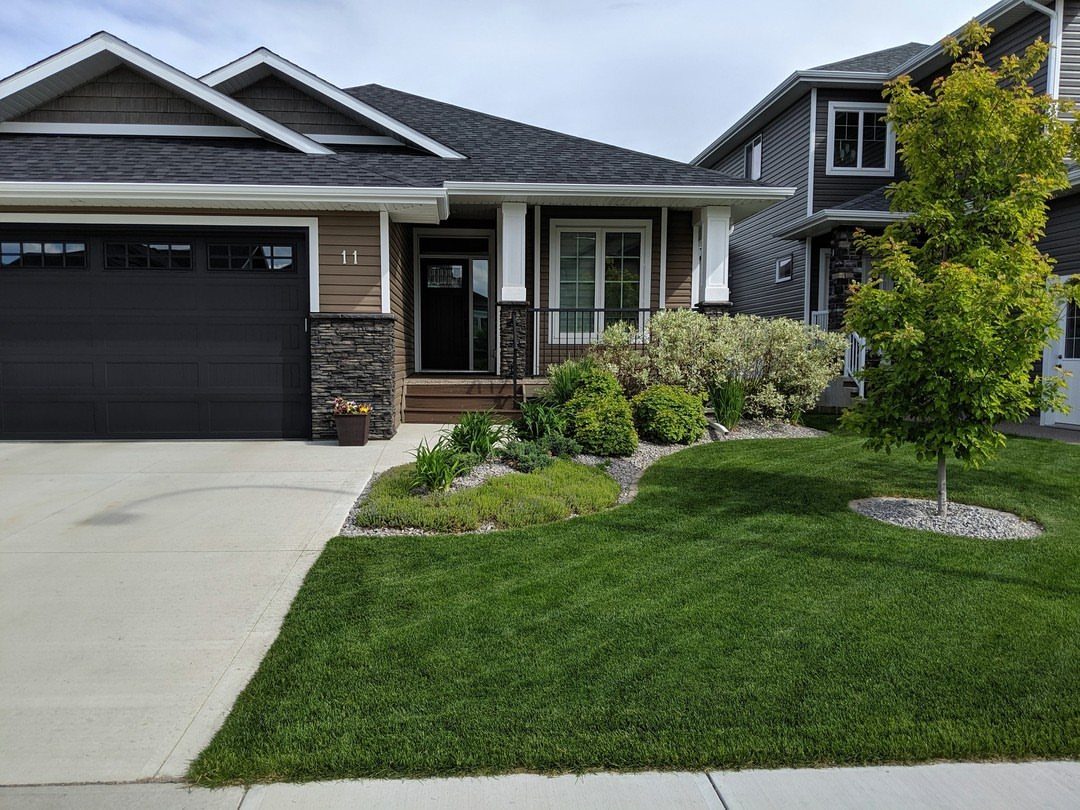
Layered foundation planting puts 3 heights of greenery along the base of a house so the architecture does not sit bare against the lawn.
A low front with shrubs mid-height, smaller perennials in front, and gravel mulch filling the gaps reads as a single bed rather than a collection of plants.
I would check the mature width of every tag at the nursery before I dug.
Young shrubs will grow; if you space for their mature size, you avoid the common mistake of planting for the one-year look and then ripping half of it out later.
Gravel mulch, visible here, lasts longer than shredded bark but reflects more heat, so I would avoid it against dark siding in a hot climate.

Compact form and dense foliage make it ideal for low hedges borders and privacy screens in formal or naturalistic landscapes

Used Book in Good Condition

For sale are 2 pink weigelas that are approximately 10-16" tall and shipped in quart pots
3. Dry Creek Bed for Drainage
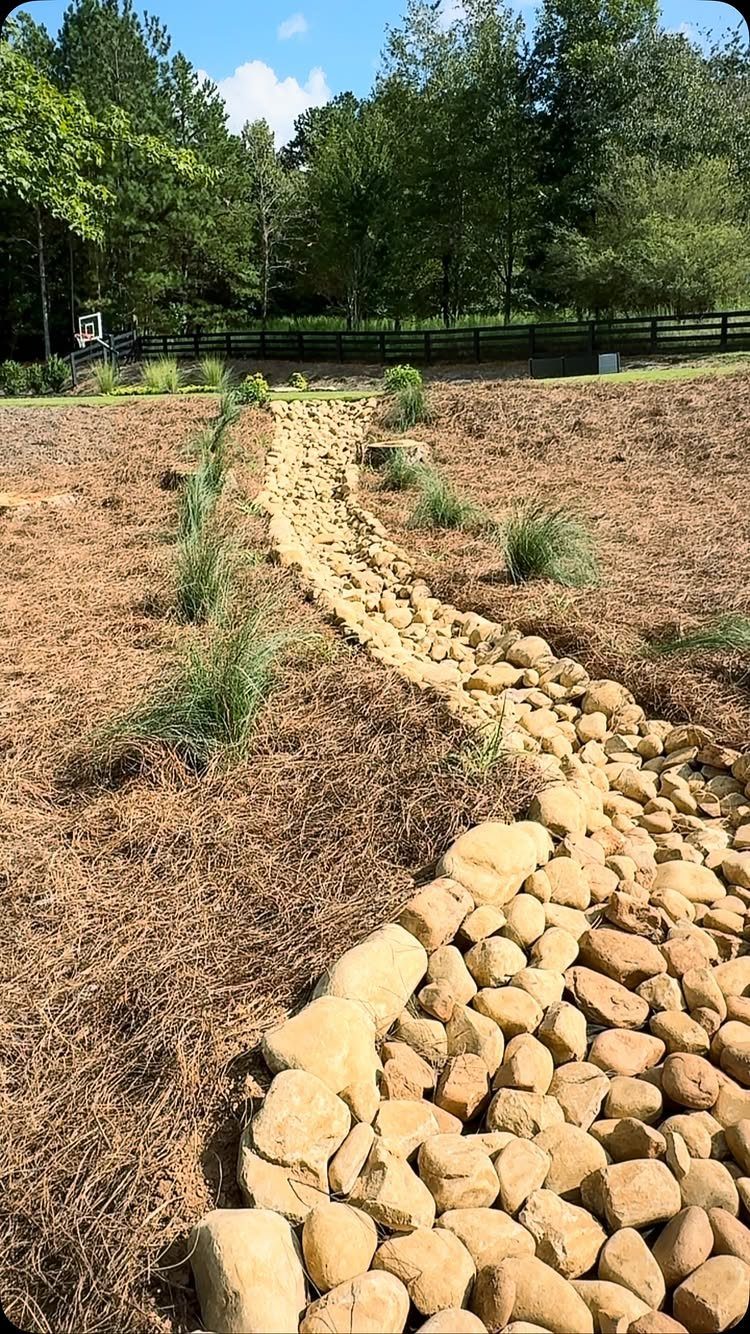
A dry creek bed turns a drainage channel into something that looks placed by water instead of by a homeowner with a weekend free.
I would start by watching where water actually flows in a hard rain, not where I thought it should.
A slope that carries water toward the fence line needs a plan for where it goes next, because moving a problem to a neighbor is not a solution.
You will need landscape fabric under the stone to keep it from sinking into mud, and I would buy more rock than the area calculation suggests; the first load always looks thin once spread.
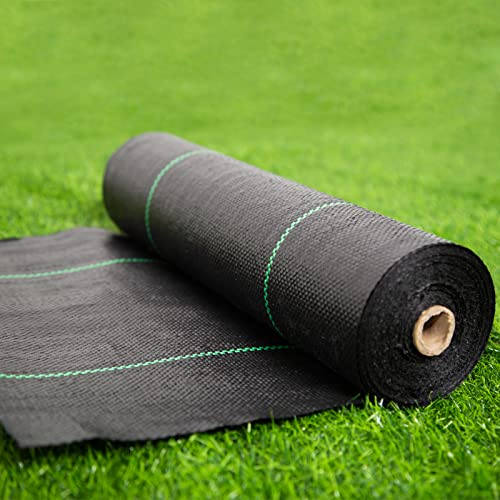
【Premium Weed Barrier Fabric】 Made of thick polypropylene woven fabric, this heavy duty weed barrier fabric is durable and helps keep your garden and flower beds free of weeds for long-term use.

A welcoming mountain retreat surrounded by snow-covered peaks, towering evergreens and a gently flowing creek. This peaceful wilderness scene captures the warmth comfort of escaping to a secluded lodge during winter.

Heavy Duty Weed Barrier Fabric: Crafted from 5OZ high-density, tear and corrosion resistant polypropylene, VEVOR 3 x 250FT woven weed barrier landscape fabric is the preferred choice for agriculture and industry. It ensures superior weed prevention and promotes soil health, keeping your landscaping remain weed-free for an extended period.
4. Low Maintenance Rock Beds
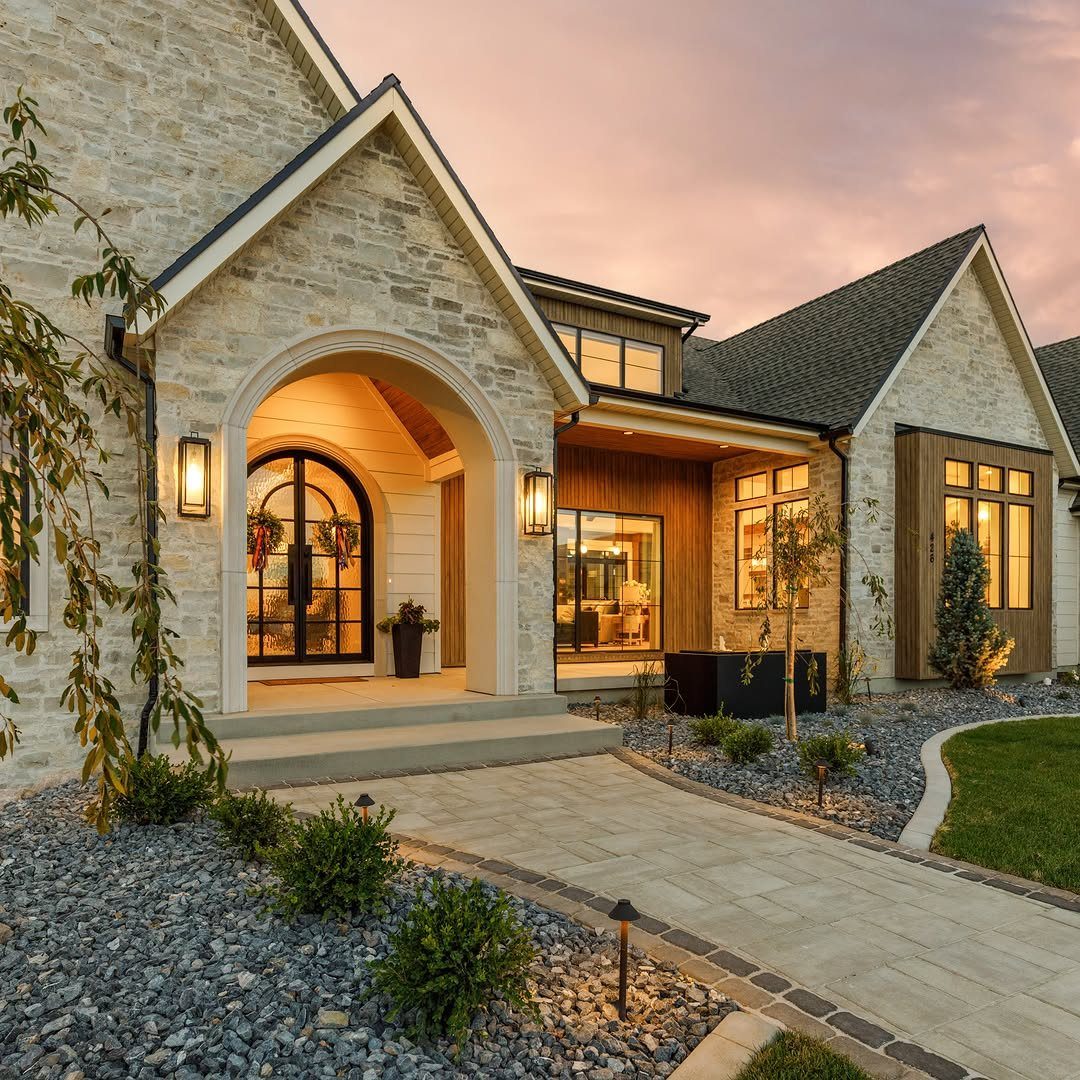
Crushed rock beds trade watering and weeding for occasional raking and leaf-blowing, which suits anyone who treats yard work as something to minimize.
Grey gravel against a modern stone house, with small shrubs and accent trees placed as islands, stays clean because the edges are crisp and the plant count is low.
I would use angular crushed stone rather than rounded pea gravel; it locks in place and does not scatter underfoot the way smooth stone does.
Path lights hint at evening use, so I would check that whatever stone I chose did not glare under those fixtures.
A steel or aluminum edging strip, buried to half its height, keeps the gravel from migrating into the lawn; without it, you will be sweeping the walk every week.

EASYFLEX DECORATIVE NO-DIG LANDSCAPE EDGING: Get a beautifully landscaped yard without all the work of a dig-in lawn edging; simple installation without trenches or shovels; color may vary due to the unique manufacturing process.

Realistic Faux Stone Texture: Our landscape edging boasts a lifelike stone texture with detailed surface patterns that add depth and a polished look to your outdoor space. It beautifully enhances garden beds, lawns, pathways and flower beds, bringing a natural, decorative touch to any yard.

𝐅𝐥𝐞𝐱𝐢𝐛𝐥𝐞 & 𝐄𝐚𝐬𝐲 𝐭𝐨 𝐈𝐧𝐬𝐭𝐚𝐥𝐥: Each panel measures 40" (L) × 5" (H), including 3" underground stakes for strong anchoring, leaving 2" visible above ground for a clean, low-profile border. The hammer-in design makes installation fast and effortless—perfect for creating neat, professional-looking edges without digging.
5. Outdoor Lighting
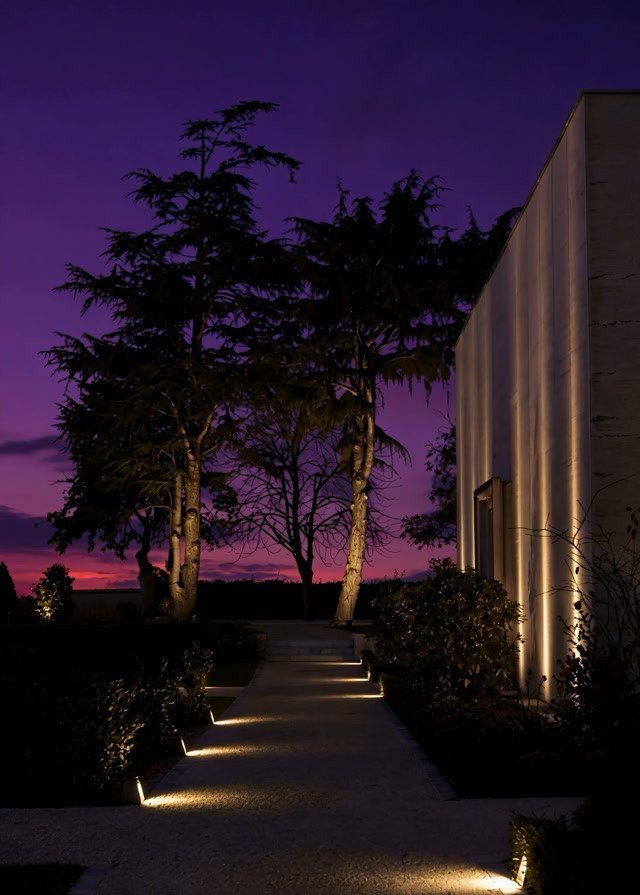
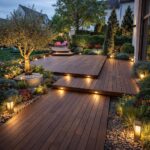
Outdoor lighting extends the hours a yard is usable and turns plant shapes into sculpture after dark.
The photo mixes 3 sources: low path lights for safety, wall sconces for the architecture, and uplights grazing tree trunks for drama against that purple sky.
Each does a separate job, which is why the result does not look like a lit runway.
I would put the path lights on their own switch or zone; you want those for guests, but the uplights are for you, and running both every evening wastes electricity.
LED fixtures, now standard, draw so little that I would size the transformer for twice your planned load so you can add later without replacing it.
Uplights aimed at evergreens hold their shape year-round; deciduous trees read as ghost skeletons in winter when lit from below, so I would aim those fixtures elsewhere or accept the seasonal change.

Tempered Spring Steel Blade for Precise Edging: The CKLT Edger Lawn Tool features a high-quality serrated spring steel blade, setting it apart from conventional tools. Known for its exceptional strength and flexibility, spring steel resists deformation and maintains its sharpness even under challenging conditions
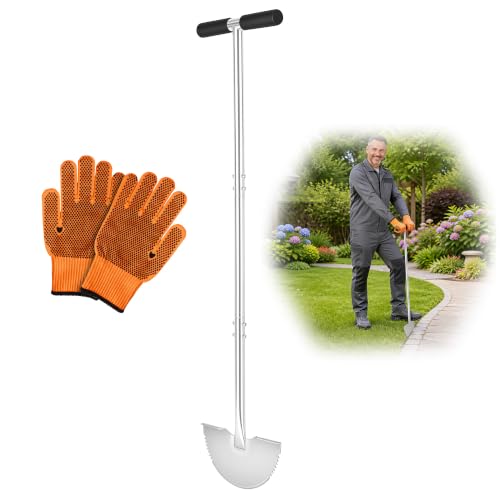
T-Handle Ergonomic Design: The edger lawn tool has a comfortable T-grip and 38 inch long handle without bending back when you remove weeds. Lawn edger tool is perfect for reducing stress on your hands when you remove grass, soil and so on.

Ideal Garden Edger: BlumeTrec lawn edger tool is designed to create crisp, clean edges along sidewalks, driveways, patios, walkways, and garden borders. Garden edger trims grass around flower beds, lawns, and landscaping areas with precision. The reinforced half-moon blade easily penetrates soil for smooth, controlled edging, allowing homeowners to maintain neat yard lines, define garden borders, and install plastic edging with ease, making everyday yard care simpler and more effective.
6. Gravel Strip Along Foundation
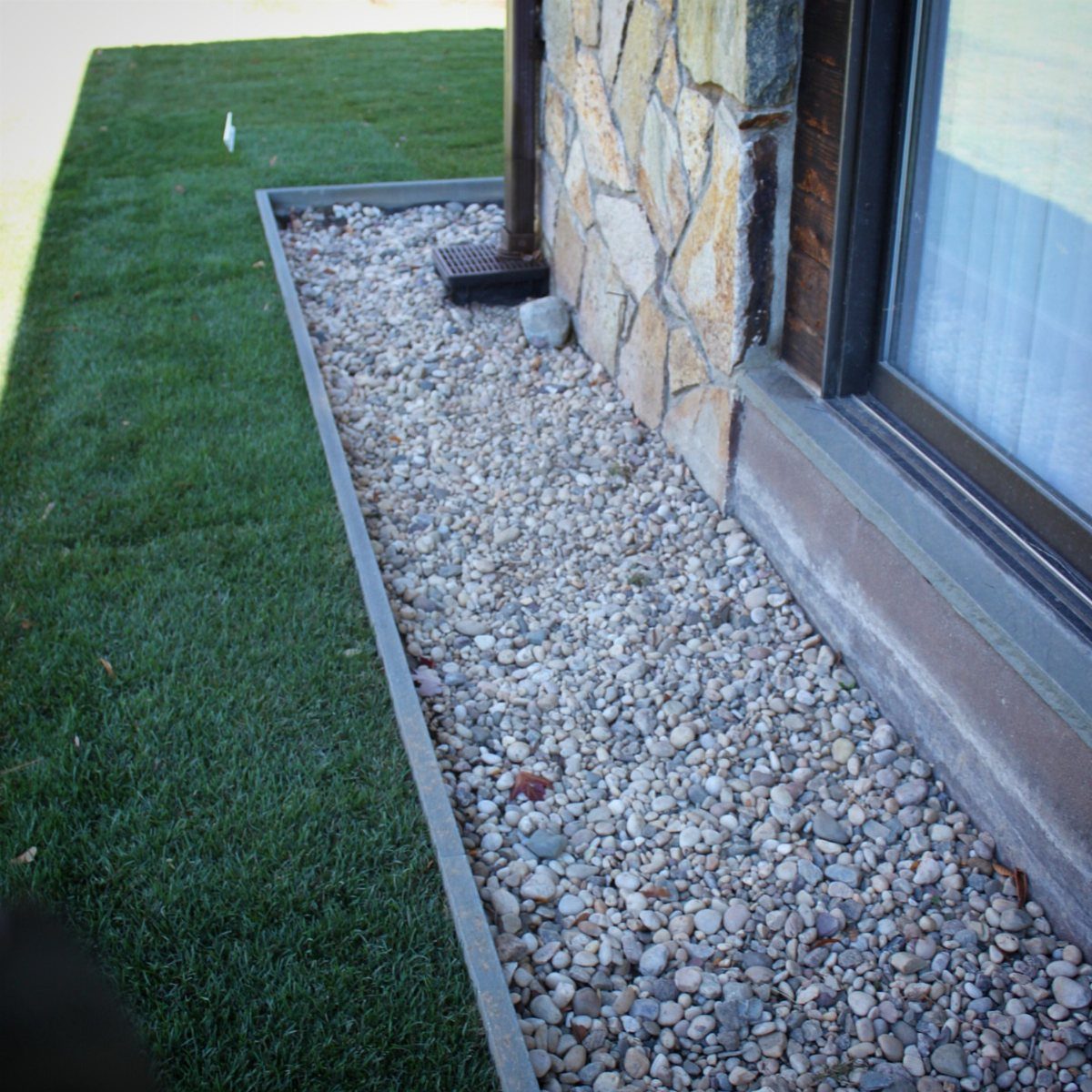
A gravel strip against the foundation does what gutters cannot always finish: it keeps splashing rain from soaking siding and gives any water that does arrive a path away from the wall.
Grey river stone between a steel edge and the concrete footing, narrow enough to walk past but wide enough to catch bounce-back from the lawn, keeps the foundation tidy.
A strip too narrow fails at the job, while one too wide starts to look like a bed you forgot to plant.
A stone house has no siding to rot, but if yours does, I would keep the gravel level below the bottom course so water does not wick upward.
Landscape fabric underneath is non-negotiable here; without it, soil works up through the stone in 2 seasons and the strip becomes a weed bed that looks like neglect.

SUSTAINABLE USA-SOURCED BLACK MULCH: Proudly crafted from 100% natural, organic materials harvested in the USA’s heartland, this eco-conscious black mulch for landscaping in bags supports responsible land stewardship, reduces environmental impact, and appeals to gardeners who prioritize sustainable choices for their outdoor spaces.

NATURAL GARDEN COVER: Creates a clean, polished garden surface while helping minimize weed growth naturally. This organic mulch also supports healthy soil structure and nutrient balance for thriving plants.

PREMIUM DARK WOOD MULCH: Rich, dark-colored shredded wood mulch creates a clean, finished appearance around gardens, flower beds, trees, shrubs, borders, and pathways
7. Stepping Stone Side Yard Path
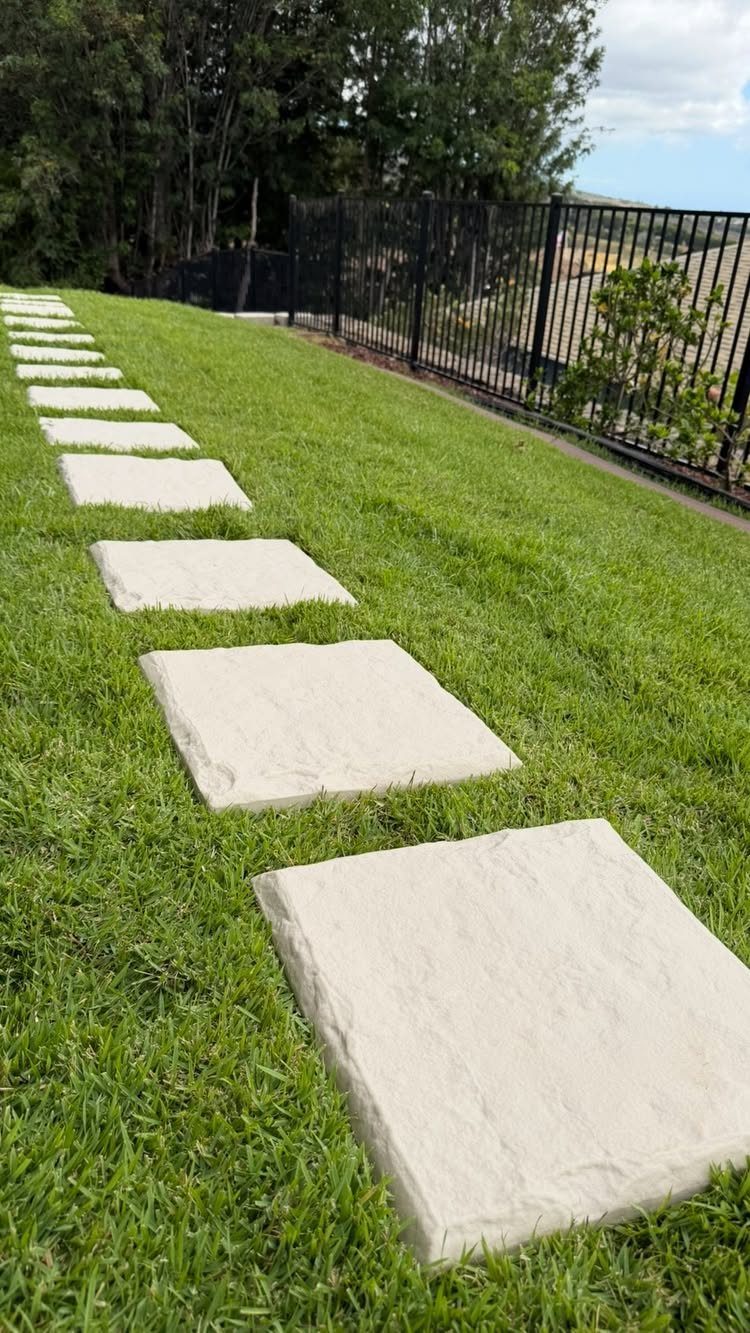
Side yards collect mud and become shortcuts you regret, but square-cut stone set into grass gives a clean route without pouring concrete.
Light-colored stone reads against green lawn the way a flagstone patio does, and spacing the pavers for a comfortable stride means you can walk it without watching your feet.
I would set each stone on a sand base scraped level, not just pressed into turf; otherwise they rock and settle before the first year is out.
A slope like the one visible here needs a slight cross-grade so water shears off the path instead of pooling against each stone.

2000+ Mixed Candytuft Flower Seeds - Produces delicate blooms in white, pink, and lavender, adding charm to your garden and attracting pollinators like butterflies and bees


Soil: Prefers well-draining soil and adapts to loamy, sandy
8. Defined Garden Edging
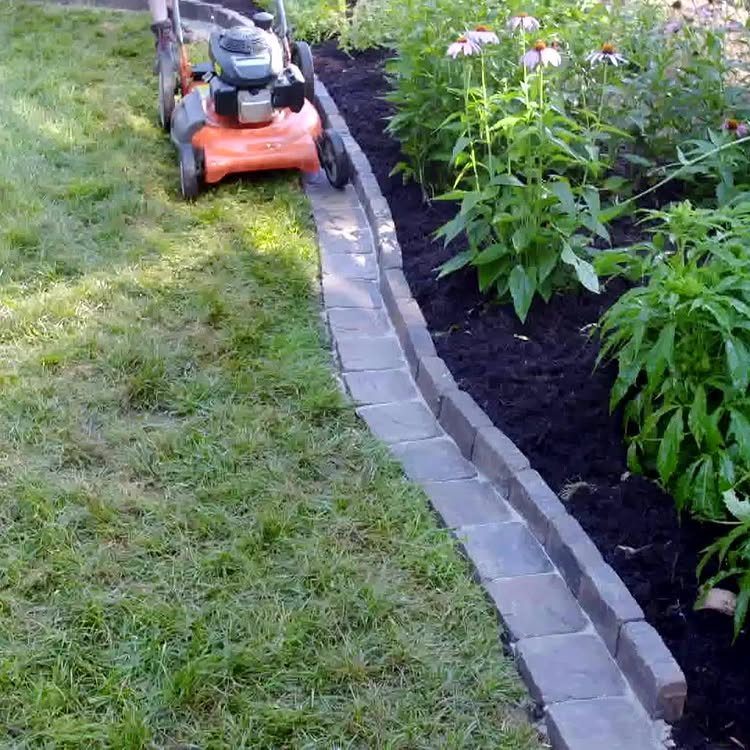
A crisp edge between lawn and bed is the difference between a yard that looks kept and one that looks abandoned, and it does not require a professional install.
Brick or stone set flush with the turf lets a mower wheel ride the border so you are not back with a string trimmer every weekend.
Curved beds need flexible edging material; rigid pavers fight the line and leave gaps.
I would dig the edge a few inches deep and set material on a packed sand bed, not just pressed into soil, or seasonal shifts will push it out of true.

HEAVY DUTY WEED BARRIER FABRIC: True 5 oz dual layer landscape fabric; a woven polypropylene layer for strength plus a needle punched layer to help filter and retain water

Premium Landscape Fabric: The weed barrier is crafted from high-quality and durable material, made of woven polypropylene material. ! ! ! Width folded and rolled up packaging so the box is only half the actual width. Open to return to actual size

Fabric: 80% cotton, 20% polyester, 300gsm heavyweight fabric. Soft inside, structured outside, breathable for year-round wear.
9. Hidden Trash Bin Screen
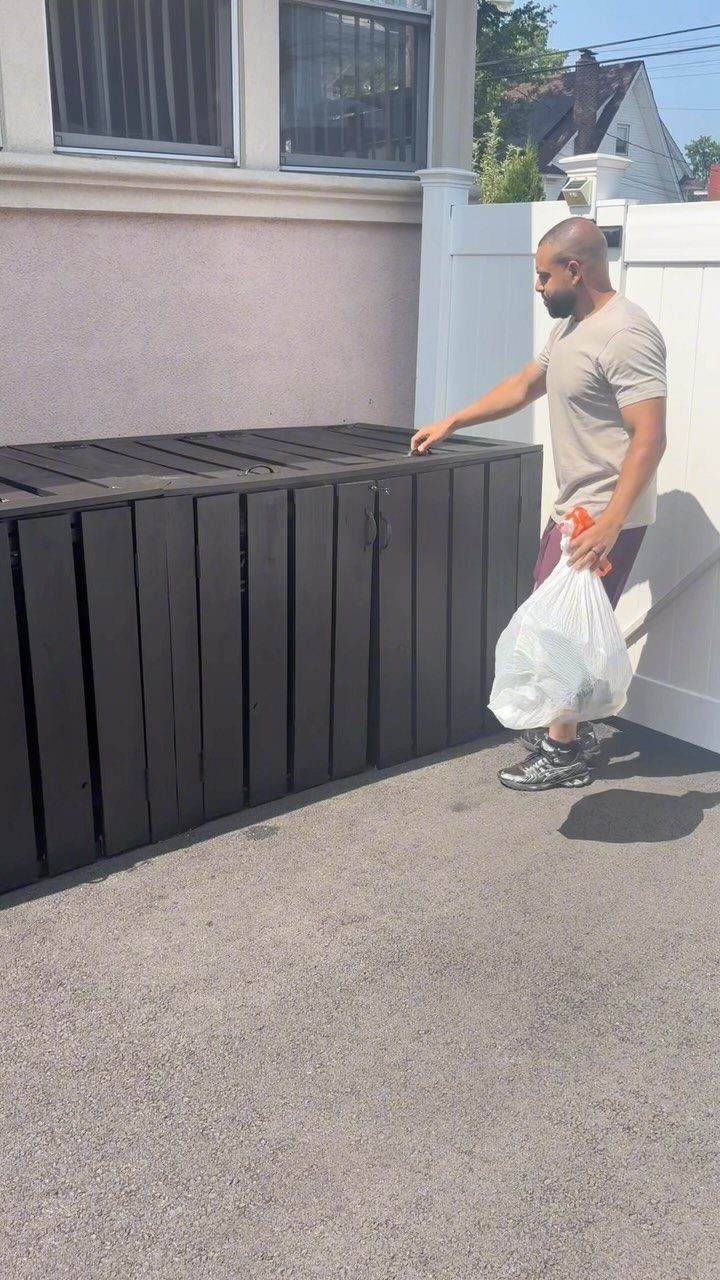
Trash bins left in the open undo every other curb appeal choice you have made, and a slatted wood screen breaks the silhouette without trapping the smell.
Gaps between boards let air move, which matters more than total concealment; solid panels turn enclosure into oven in summer.
Paint after assembly so the end grain seals. I would hinge one panel for access rather than build a removable section; lifting a screen off its posts every trash day gets old fast.
Set posts in concrete, not tamped soil, or the first windy pickup scatters the whole frame.

【Landscape Edging Kit】 -- Includes 3 rolls of landscaping edging (33ft each) and 150 spikes, offering flexible layout options for various landscaping length needs,instead of having to take out long and heavy edging and cut it
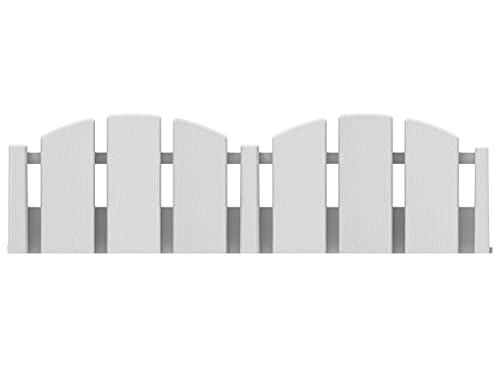
EASYFLEX DECORATIVE NO-DIG LANDSCAPE EDGING: Get a beautifully landscaped yard without all the work of a dig-in lawn edging; simple installation without trenches or shovels

Quality Metal Material: Our galvanized garden edge is processed using high-precision CNC technology, ensuring accuracy down to every millimeter. Innovative 3D ripple design not only enhances the aesthetic appeal of the fence but also strengthens its structural integrity.
10. Large Stone Planter Accent
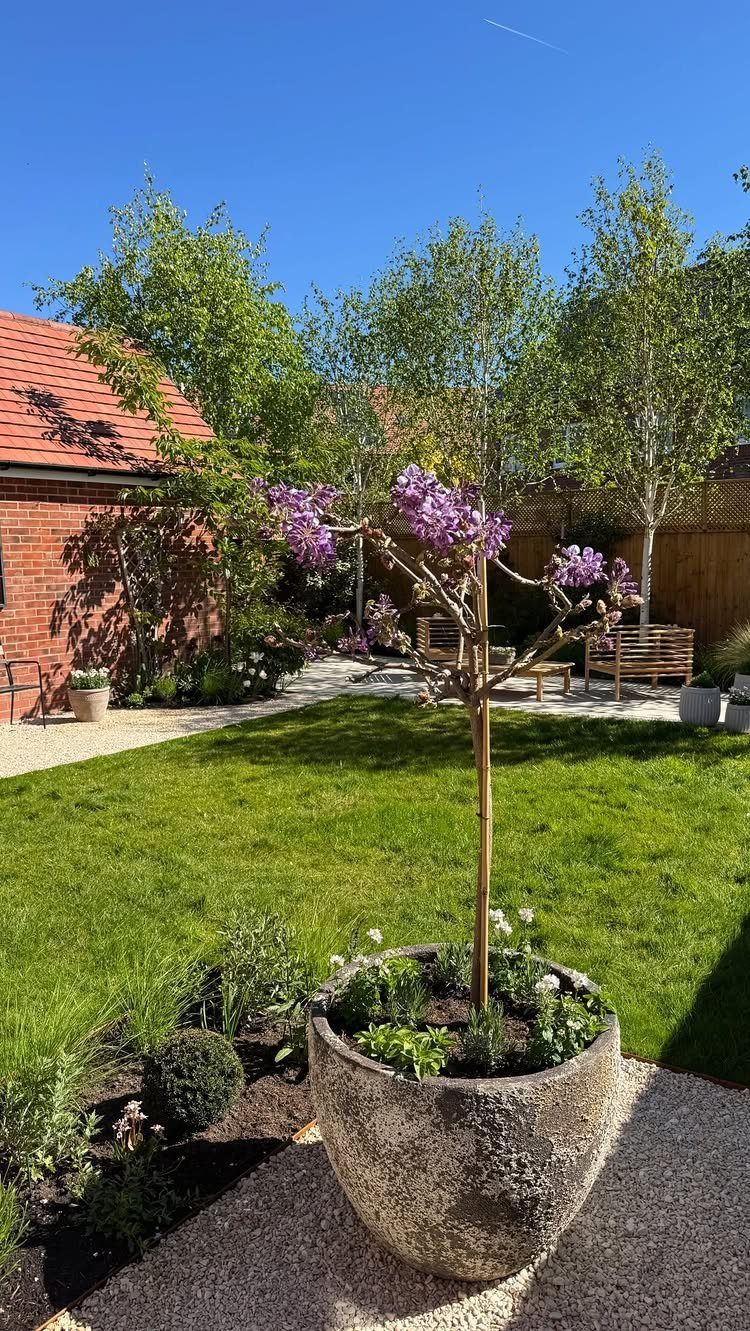
A single oversized planter with a small tree in it reads as sculpture rather than gardening, which suits anyone who wants one strong statement instead of a bed to maintain.
The scale matters: too small and it looks lost, too large and it blocks the path.
Gravel under and around the base keeps mud from splashing the stone and gives drainage so the root ball does not sit wet.
I would choose a planter with walls thick enough to handle freeze-thaw; thin cast stone cracks in a hard winter.
The tree inside wants the same sun and water it would need in ground, so placement is not more forgiving just because it is in a pot.

【Upgraded Dual V-Blades for Super Sharp Cutting】Our manual half moon edger lawn tool is featured with high-quality spring steel serrated blade, this lawn edger tool slice cleanly through tough grass edges, roots, and weeds far better than regular flat edger chopper. This edging shovel integrated rust and water protective layer delivers outstanding durability and effortless cleaning, while consistently helping you create a clean, refined outdoor space.
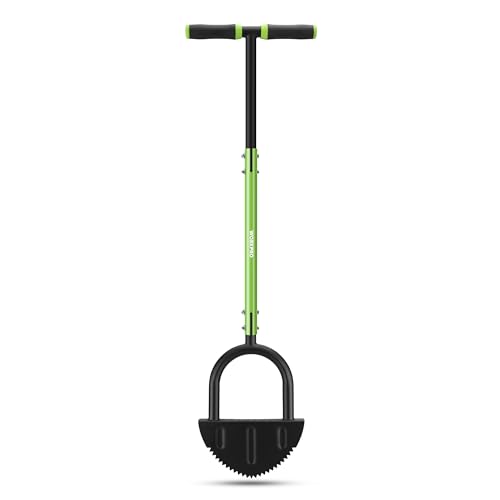
VERSATILE MULTI-PURPOSE TOOL: This lawn edger is perfect for a wide range of landscaping tasks, including edging sidewalks, cutting grass, trimming flower beds, trenching, and transplanting plants. Whether you're a home gardener or a professional landscaper, this tool is designed to create clean, deep, and even borders around your outdoor spaces, ensuring a polished, professional look
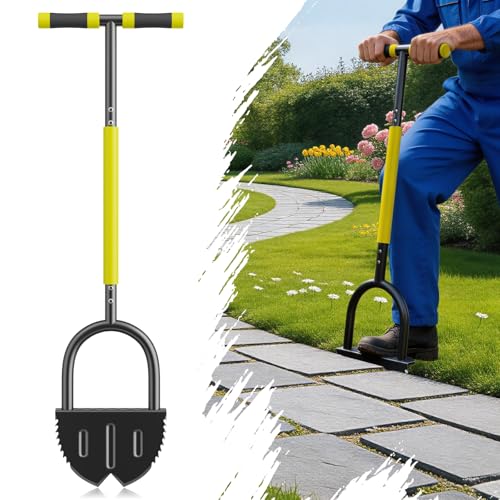
【Professional Edger Lawn Tool】The garden edger tool for landscaping features a high-carbon stainless steel double V-shaped serrated spring steel blade. The edger chopper is easier to cut through hard soil, grass roots, and turf compared to a flat shovel. This landscape edger tool is equipped with one-step cutting technology, with double V-shaped blades and a foot lever, saving more than 50% of effort. It works for both straight sidewalk lines and curved flower bed borders
11. Corrugated Metal Raised Planter
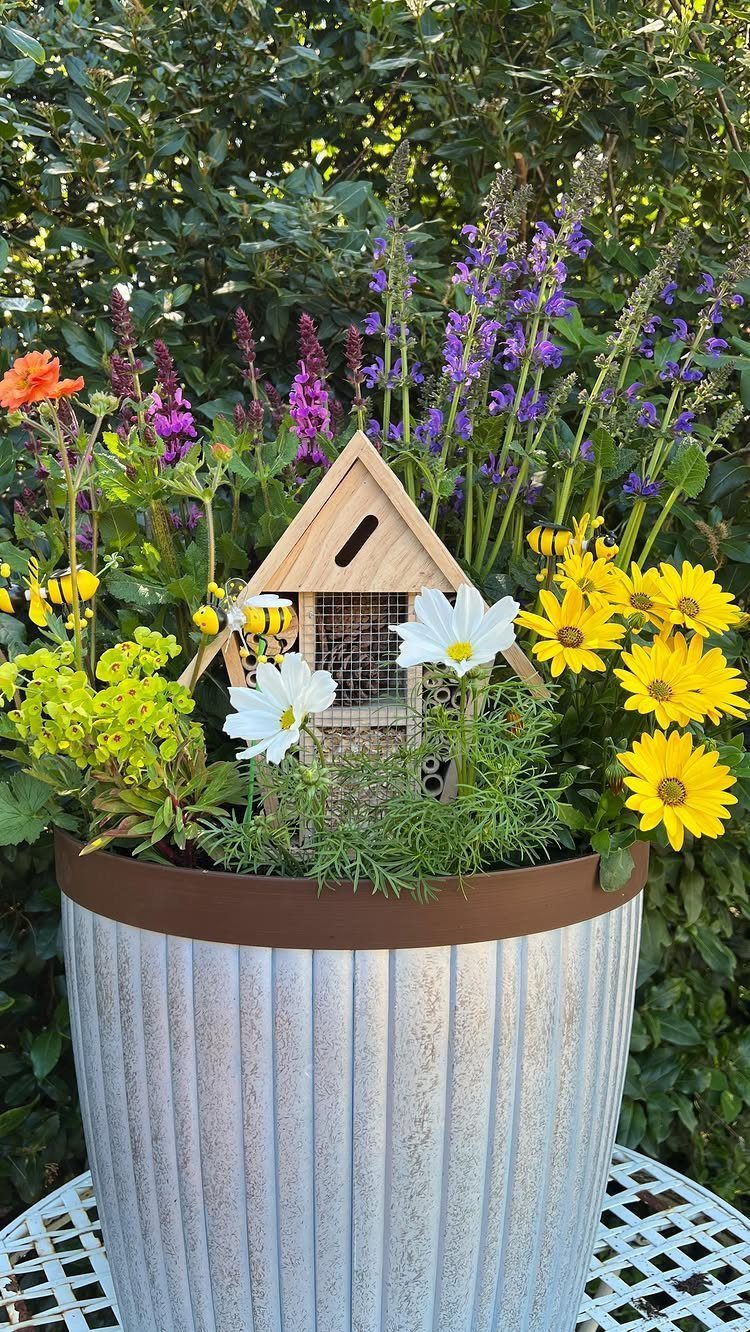
Corrugated metal brings a farmyard material into a garden setting without the weight of wood or the cost of stone, and the ribbed surface catches light in a way flat stock does not.
A raised planter also warms faster in spring, which extends the growing season by a couple of weeks in cooler zones.
I would check that the metal is galvanized or powder-coated, not raw steel, or rust bleeds through in the first season and stains whatever sits below.
Dense planting works because the soil depth in a raised tub supports real root growth; shallow boxes force you into annuals only. Drainage holes are not optional; water pools behind a seam and the bottom rots out from the inside.
Planning Your Yard
Before I plant anything, I watch the yard through a full day to map where sun falls and for how long.
A spot that reads as "sunny" at 10 a.m. can sit in shadow by 2 p.m. once the house blocks it, and that difference decides whether a plant thrives or sulks.
The hardiness zone on a nursery tag is a starting point, but I would always ask staff about summer heat and wind exposure too, since the zone map does not capture either one.
Soil that drains fast needs different plants than soil that stays wet, and a local nursery can match for that where a zone number cannot.
Window placement matters for height: a shrub that blocks the living room view in year 3 is a mistake I could have avoided by reading the mature size on the tag.
I leave room by the driveway for car doors to swing and mark where paths need to run before I dig, because rerouting foot traffic through a bed I just planted is not a solution I want to live with.
Choosing the Right Plants
I match plants to the light I actually measured, not the light I hoped for. Full-sun plants in partial shade stretch and flop; shade lovers in full sun crisp by July.
Native plants are my starting point because they already handle the local rainfall and soil, but I still check whether my specific yard drains fast or holds water.
A nursery can sort that in one conversation and save me from replacing half the bed next spring.
I vary leaf shape and texture more than I worry about flower color. A mix of broad leaves, fine needles, and something ribbed or variegated carries a bed even when nothing is blooming.
Stonecrops and peonies suit cooler northern zones with full sun; Japanese painted fern handles heat but wants shade, while cushion spurge takes sun to light shade.
I factor in first and last frost dates before I fall for anything tender, because one late freeze can undo a season of growth.
Maintaining Your Landscape
I refresh mulch yearly, not because it disappears but because the color fades and the crisp top layer is what reads as cared-for from the street.
Seasonal pruning keeps shrubs from outgrowing the space I planned for them; I would rather cut a little often than hack back a monster every few years.
I check plant health every few months, not just in spring. A shrub that yellows in August is telling me something about drainage or root competition, and catching it then beats discovering dieback the following April.
Watering, weeding, and pruning stay small jobs if I stay on top of them; let them slide and I need a full Saturday to recover.
I would size my routine for the time I actually have, not the time I wish I had.
Hiring out mowing and leaf cleanup is an option, but the tending of beds and shrubs is where my own eye matters more than a crew rushing through.
“While maintaining resale value suggests allocating at least 20% of your property’s worth towards landscaping—a prudent financial strategy—it’s equally crucial to prioritize how your home nurtures your everyday well-being,” she says.
Frequently Asked Questions
What is the cheapest way to landscape my front yard?
A fresh mulch bed reads as tended even with last year’s shrubs, and a curved lawn edge cut with a half-moon edger or sharp spade costs nothing but labor. These 2 upgrades improve curb appeal without a full redesign.
Does Home Depot have landscapers?
Home Depot does not employ landscapers directly, but many locations connect customers with local independent contractors through their installation and home services program.
I would vet any contractor myself rather than taking a retail referral at face value; check references and make sure they carry proper insurance.
Can AI design my backyard for free?
Several free tools use AI to generate backyard layouts from a photo and your preferences, though the results tend toward generic templates that do not account for your specific drainage, sun patterns, or soil.
I would treat AI output as a starting mood board rather than a planting plan, because moving a problem to a neighbor is not a solution and a spot that reads sunny at 10 a.m. can sit in shadow by 2 p.m. once the house blocks it.
What are common landscaping mistakes new homeowners make?
Planting for the one-year look instead of the mature size is the error I see most often; young shrubs grow, and spacing for their full width saves ripping half the bed out later.
Another is skipping the afternoon sun check, since a bed that bakes past 2 p.m. will crisp your shade-loving picks by July.
What makes front yard landscaping look clean and organized?
Defined bed lines, consistent mulch, and balanced plant spacing create a neat appearance.
I lay a new inch of mulch every spring because the grayed layer underneath no longer reads as tended from the curb; fresh color signals someone is watching the place.
A yard looks pulled together when the shapes are predictable: a repeated shrub form, a straight bed line, a clear path from sidewalk to door. Novelty without that backbone just reads as clutter.