These backyard fire pit ideas range from a simple gel-fuel planter bowl to a masonry outdoor fireplace that costs many times more than a basic metal pit.
What picks one over another is not style preference but your surface: gravel, pavers, or concrete underneath, and nothing that will ignite.
What separates this list from every other roundup is that I actually tested the double-walled smokeless cylinder myself, burning dry hardwood through bottom vents to get real secondary combustion for seated conversation downwind.
[link-whisper-related-posts]1. Paver Patio with Firepit
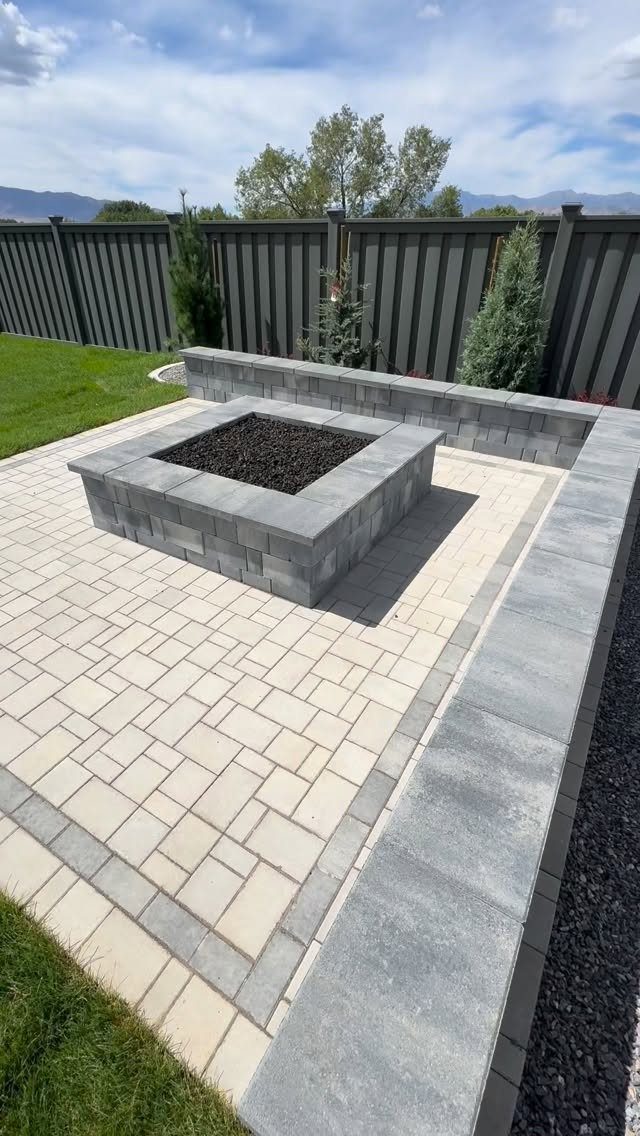
A paver patio with a built-in fire pit gives you a solid, level surface that drains better than bare grass and keeps chairs from sinking after rain.
A pit sunk low with a built-in wall for seating saves buying separate furniture and keeps the whole setup unified.
I would check local codes before digging; most towns specify minimum clearance from structures and require a permit for permanent masonry.
The paver base itself needs a solid bed of compacted gravel under the sand, or the surface shifts in freeze-thaw cycles.
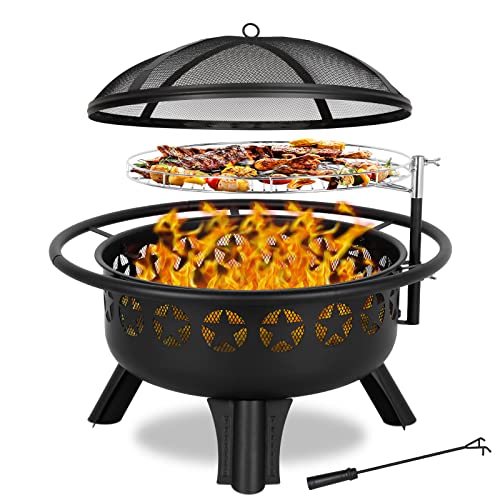
【2 in 1 Outdoor fire pit with grill】: 31” Dia x 24” H, this wood burning fire pit features a multi-functional design ideal for outdoor heating or grilling. The fire pit with cooking grate is designed with an outer ring around the central fire area allowing for easy movement. The creative pentagram vents help increase airflow for the firewood and brings a brighter flame. Air circulation burns longer and vigorously, and a mesh cover can prevent from flying sparks.

PERFECT FOR WINTER FIRE - Great for the family and entertaining or just to sit and to relax during a cold winter night. 22-inch little fire pit is super suitable for a small backyard. Surround it with your family and friends, you will definitely feel considerable warmth from it.

【Modern Design Fire Pit】Panovue 36 inch metal fire pit,The overall dimensions of the fire pit is 36’’D*36’’W*25’’H,round and black, The fire bowl size is 24''*24''*10'',allowing it to hold up to 20 lbs of firewood,The design of the wood fire pit is modern and graceful,featuring a classical lattice around the firepit,this design offers a panoramic 360° view of flickering flames that dance enchantingly from every angle.creating a rippled effect in your yard.
2. Modern Minimalist Fire Pit
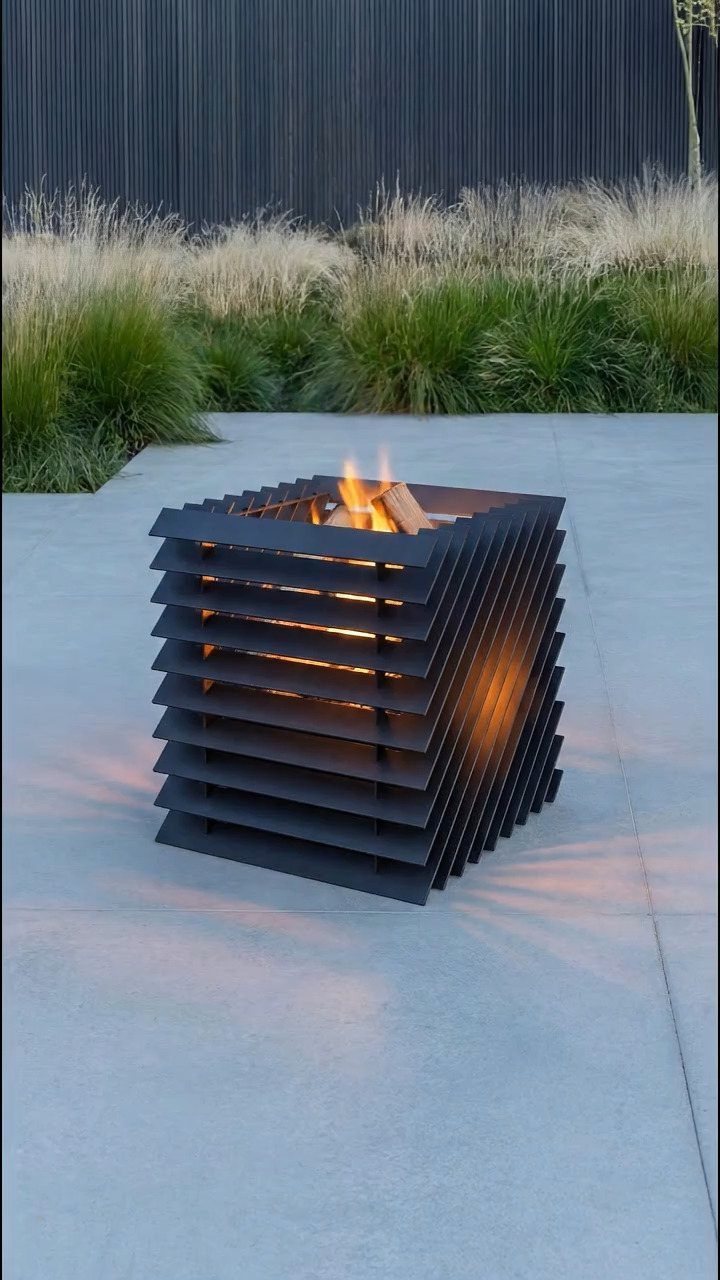
Clean horizontal slats and a black finish make this fire pit read as furniture rather than camping gear. The look suits small patios where something ornate would crowd the space.
I would still confirm the metal gauge; thin steel warps and the paint flakes within a season or two of real heat.
Concrete underneath is the right call; radiated heat can scorch decking or grass below even without direct flame contact.

【10MM SOLID WROUGHT IRON · 10 LB TOTAL SET WEIGHT】Every tool is built on a 10mm-diameter solid wrought iron rod — solid stock, not a hollow tube — and the complete 5-piece set weighs 10 lb (4.5 kg). You feel it the moment you lift the poker: a solid rod resists flexing when you lever a burning log, with no thin wall to dent or crimp. Black powder-coat finish helps resist rust and scuffing from ash and embers.

【Diamond Sparkle – Day & Night】-Precision-cut diamond facets catch sunlight by day and create stunning contrast with flames at night. The deep black finish makes fire appear brighter, turning any fire pit into a dramatic focal point

Longevity & Strength: Constructed from high-quality aluminum, this 43" rectangular fire pit table is built for durability with minimal upkeep; The rust-resistant, all-weather frame features a protective powder coating that prevents corrosion; Reinforced welding and sturdy aluminum tubing provide excellent stability, ensuring a lightweight yet robust structure that stands up to years of use
3. Outdoor Fireplace
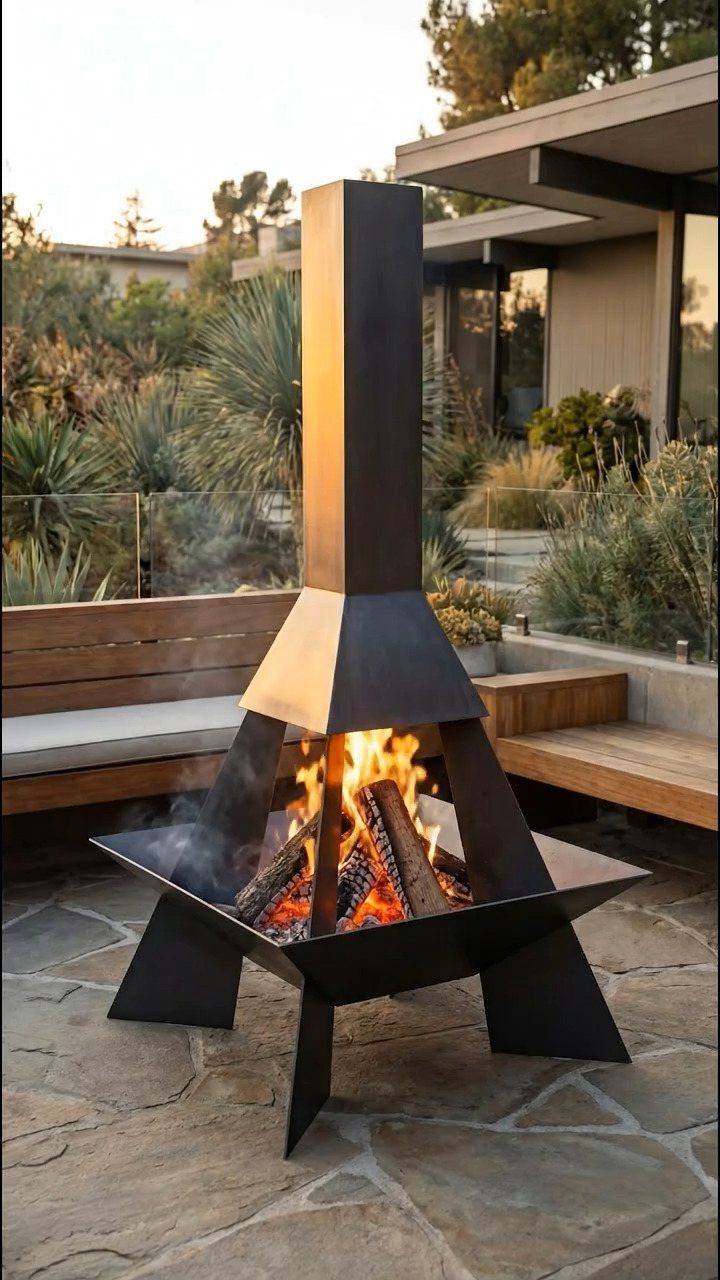
A freestanding outdoor fireplace gives you a chimney that actually draws smoke up and away, which matters if your yard sits still on summer evenings.
A tall box shape blocks wind better than an open bowl, which matters more than people expect on brisk nights.
This still costs more than a basic metal bowl, and it needs a stable pad rated for the weight, but a freestanding metal fireplace runs far less than a full masonry build.
I would build the bench seating after the fireplace arrives so you can measure the social space precisely, too close and the radiant heat becomes uncomfortable, too far and you lose the intimacy.
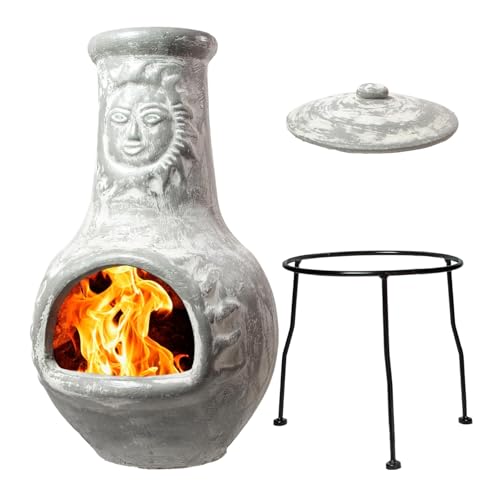
Medium Size: The chiminea comes in a medium 16 x 16 x 32-inch size that can easily fit in your backyard illuminating your outdoor area for evening activities.

Charming Design: Includes side viewing windows, a glass door that really opens, and a brick-style back panel. This stove heater not only enhances your décor but delivers infrared heat in any room up to 1,000 square feet. Easily carry this portable heater to any room you wish.

{Heavy Duty Design}: Panovue fire pit & fire place durable heavy-duty Steel Construction Crafted from thick, high-quality steel, this chiminea is built to endure repeated high-heat use. The firepit is rust-resistant and stable, ensuring long-lasting performance in all weather conditions.
4. Patio Table Fire Pit
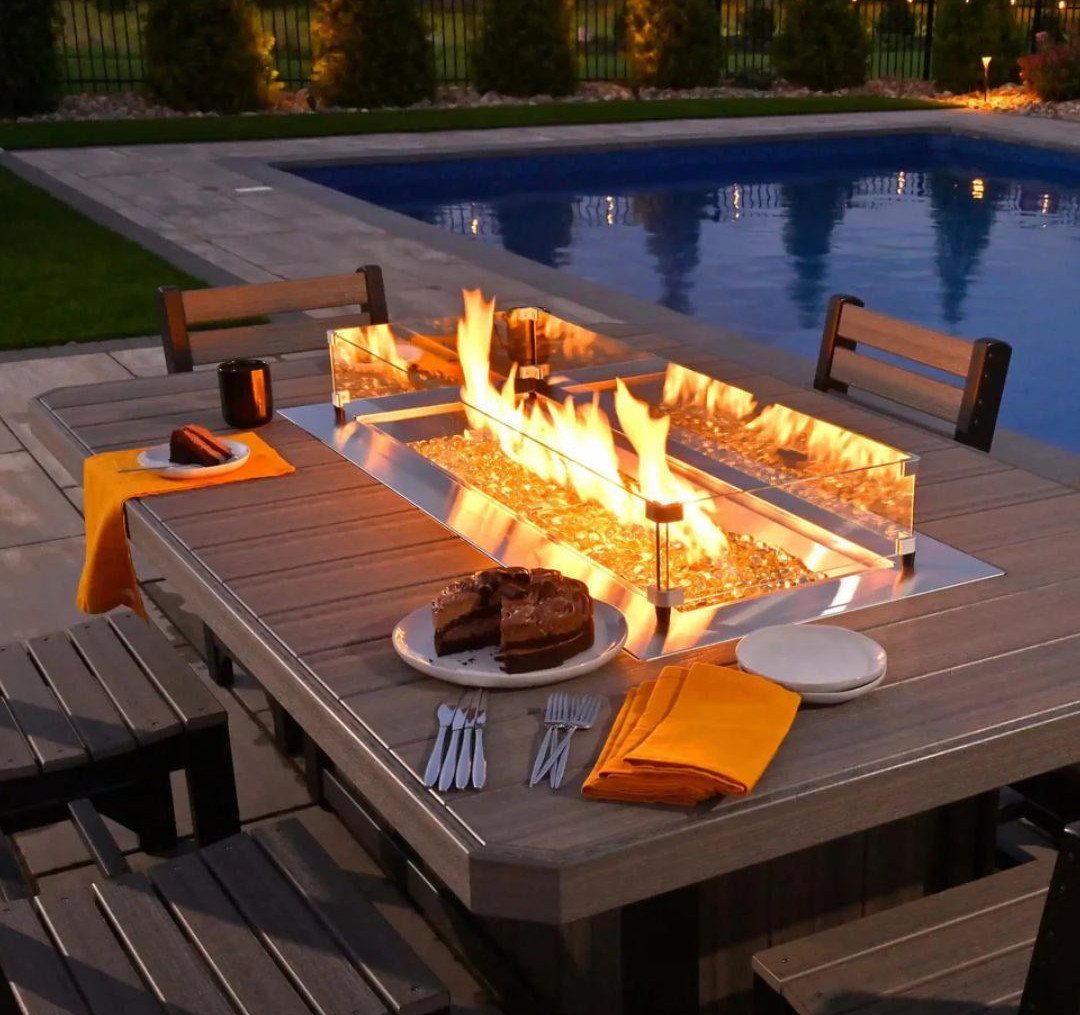
A gas line or propane tank tucked under the table turns the center of dinner into the fire itself, no moving chairs mid-meal.
A glass shield keeps the flame visible without letting a breeze blow napkins or lighter debris into it.
I would confirm the burner output; table units often run 40,000–60,000 BTU, enough for atmosphere but slow for roasting marshmallows.

Wanting a Great Patio Party?: Having a patio party is different from an indoor party. Outdoors you need to consider the coldness and a center of attention to gather everyone. A propane fire pit table can provide the atmosphere needed for a great time!(note:1:use soapy water to check for leaks before use 2:The reminder card contains interface size instructions and interface inspection instructions)

[Durable Material] OutVue fire table are made with iron, rust-proof paint and 304 stainless steel burner which are heat-resistant, water-proof and easy to clean. OutVue fire pit is suit for heating in the garden, having bonfires in yard, entertaining guests and enjoying outdoor living at its finest.
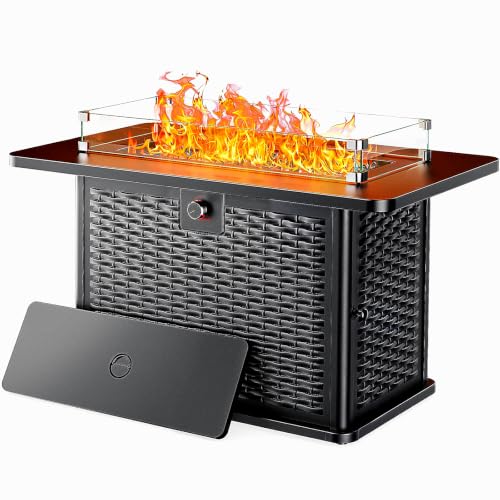
Powerful 60,000 BTU Heating: Enjoy efficient warmth on chilly nights with this high-heat 60,000 BTU output Ciays propane fire pit. The durable 304 stainless steel H-burner creates a denser flame pattern for consistent & effective heating. This gas fire pit will elevate your outdoor experience, reliability and safety.
5. Fire Pit with Seating Areas
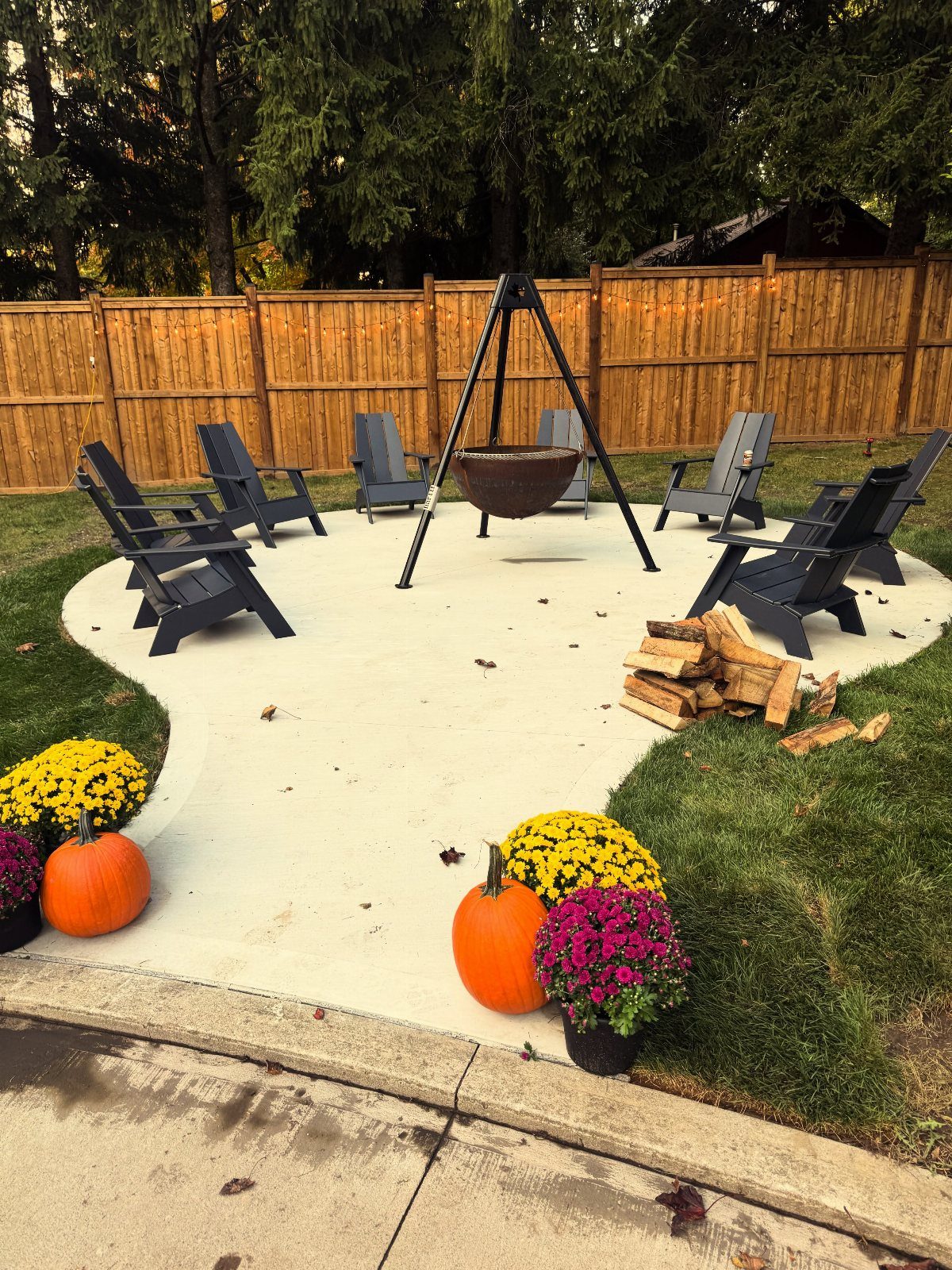
A hanging tripod bowl and Adirondack chairs arranged close enough to prop your feet on the rim turns the fire pit into the room’s coffee table.
The concrete pad keeps embers from starting grass fires and gives you a floor that sweeps clean with a push broom.
I would store the tripod inside or under cover; the chain and hardware rust faster than you’d expect even from coated metal.
The dark chair color here is practical, not just moody, fire soot won’t show against it the way it would on pale cushions.

SMOKELESS FIRE PIT: Designed to create a warm, inviting atmosphere without the smoke, this fire pit is ideal for backyard gatherings or cozy evenings. Its stylish corten steel finish enhances any outdoor space while providing efficient heat. This smokeless fire pit will be the highlight of every gathering.
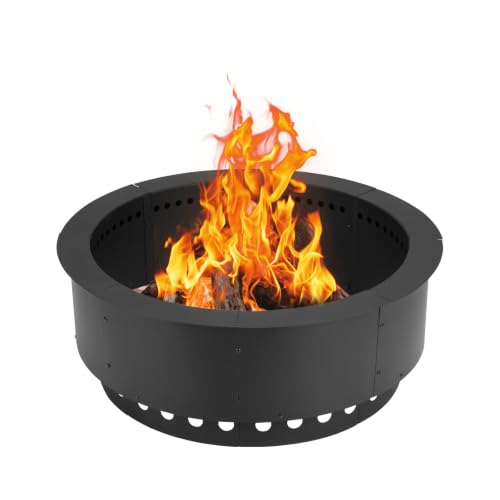
Smokeless Secondary Combustion: Engineered with double-wall construction, this fire ring draws air through the upper layer to ignite a secondary flame when lower-layer gases are incomplete. The result is stronger flames with significantly less smoke, so you can enjoy outdoor gatherings without smelling like a campfire afterward. Perfect for backyard parties, camping, and patio evenings

[4 IN 1]: OutVue smokeless fire pit is equipped with 2 cooking grills, 1 tabletop[No waterproof cover,NO Lid]. When you fix grills and tabletop to the fire pit, you can enjoy the roast and bonfire. When it not make fire, you will get a 42 inch round tabletop to have a meal or coffee .OutVue provide a fire pit has 4 functions:low smoke,bonfire, barbecue and table, which can be used all year for your garden. This's also a very thoughtful gift to friends.
6. Brick Fire Pit
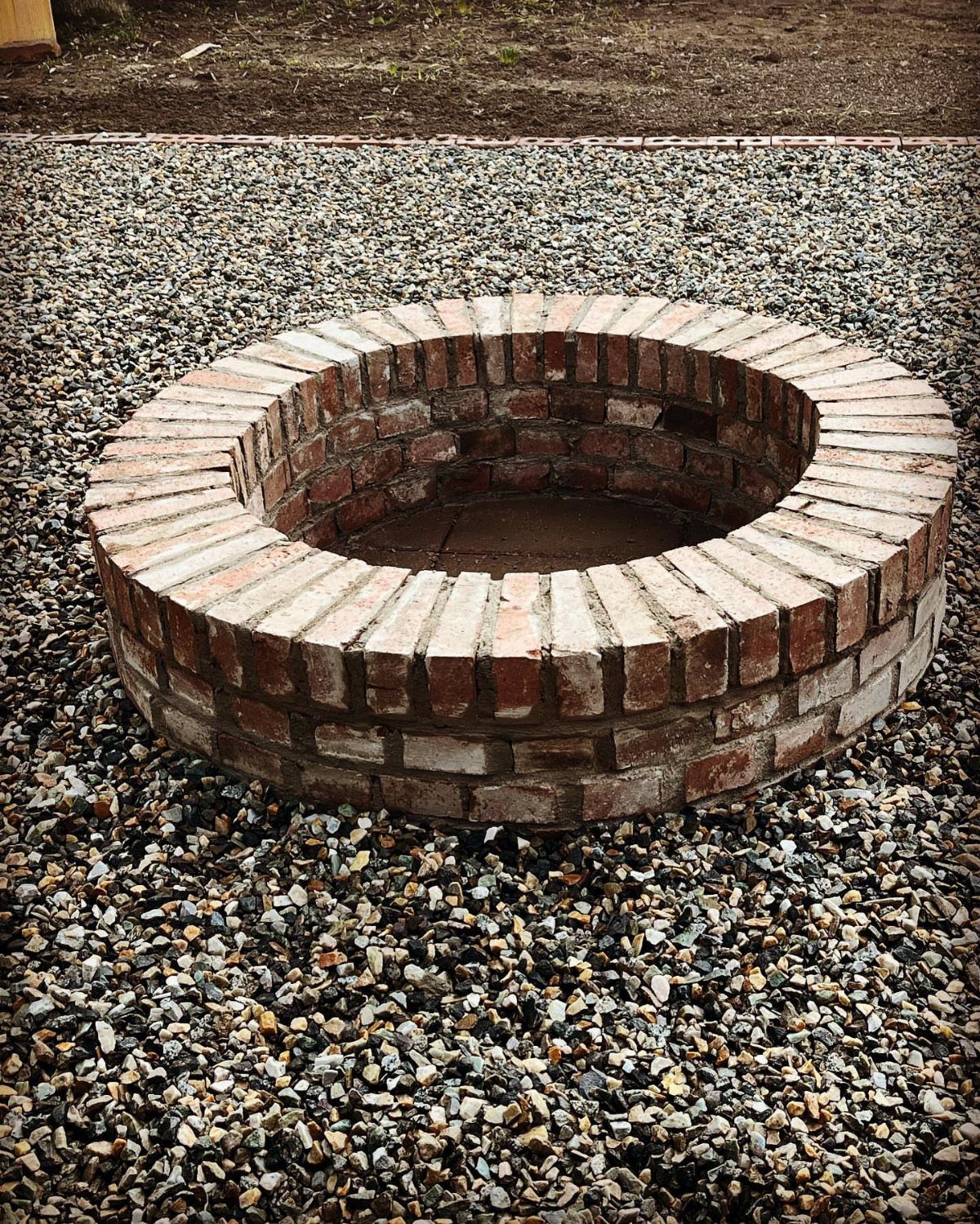
Mortared brick on a gravel bed is the classic weekend project, approachable enough that you finish in a day but permanent enough to stay for decades.
A running bond pattern is forgiving; slight size variation between bricks disappears in the rhythm.
I would use fire brick for the inner ring, standard clay brick spalls and cracks from thermal shock within the first season.
The gravel base needs to extend past the pit itself by at least a foot on every side, sparks travel farther than you think, and bare grass right up to the edge is how backyard fires make the local news.

Embrace the Warmth: The 32″ x 32″ x 25″ propane fire pit generates an impressive 50,000 BTUs of heat to create a comfortable and relaxing atmosphere for your guests. ETL certified for peace of mind, this fire pit table is ideal for bringing everyone together for loads of fun and laughter.

Cozy Outdoor Ambiance: Our CSA-certified propane fire pit can extend your outdoor evenings with inviting warmth. Boasting 60,000 BTUs of heat, this fire pit can transform your patio into a cozy haven. Enjoy the beauty of the outdoors while staying comfortably warm on cooler nights.

Double-Sided Fireproof and Waterproof: 38 inch round Fireproof fire pit mat is made of four layered non-itchy silicone coated fiberglass which stands up the temperature up to 2200℉. It has passed the UL94 -V0/5VA flame retardant test. Fire pit mat is not only fireproof but also waterproof, grease does not stick to them and they are easy to clean. The four layers of material make it last longer. It can perfectly protect your deck, patio, lawn, allowing you to easily enjoy barbecue and outdoors
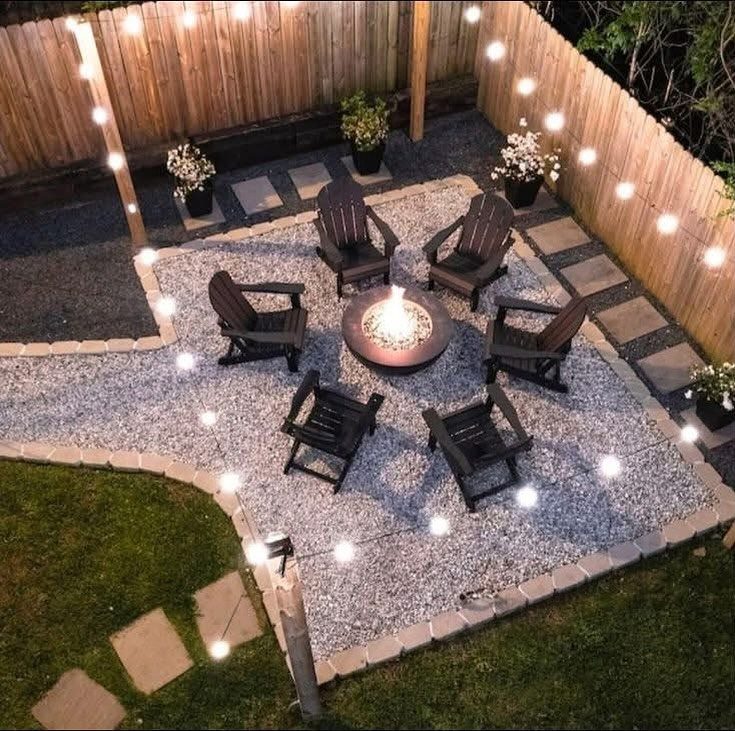
7. Fire Pit Gravel Base with Stepping Stone Pathway
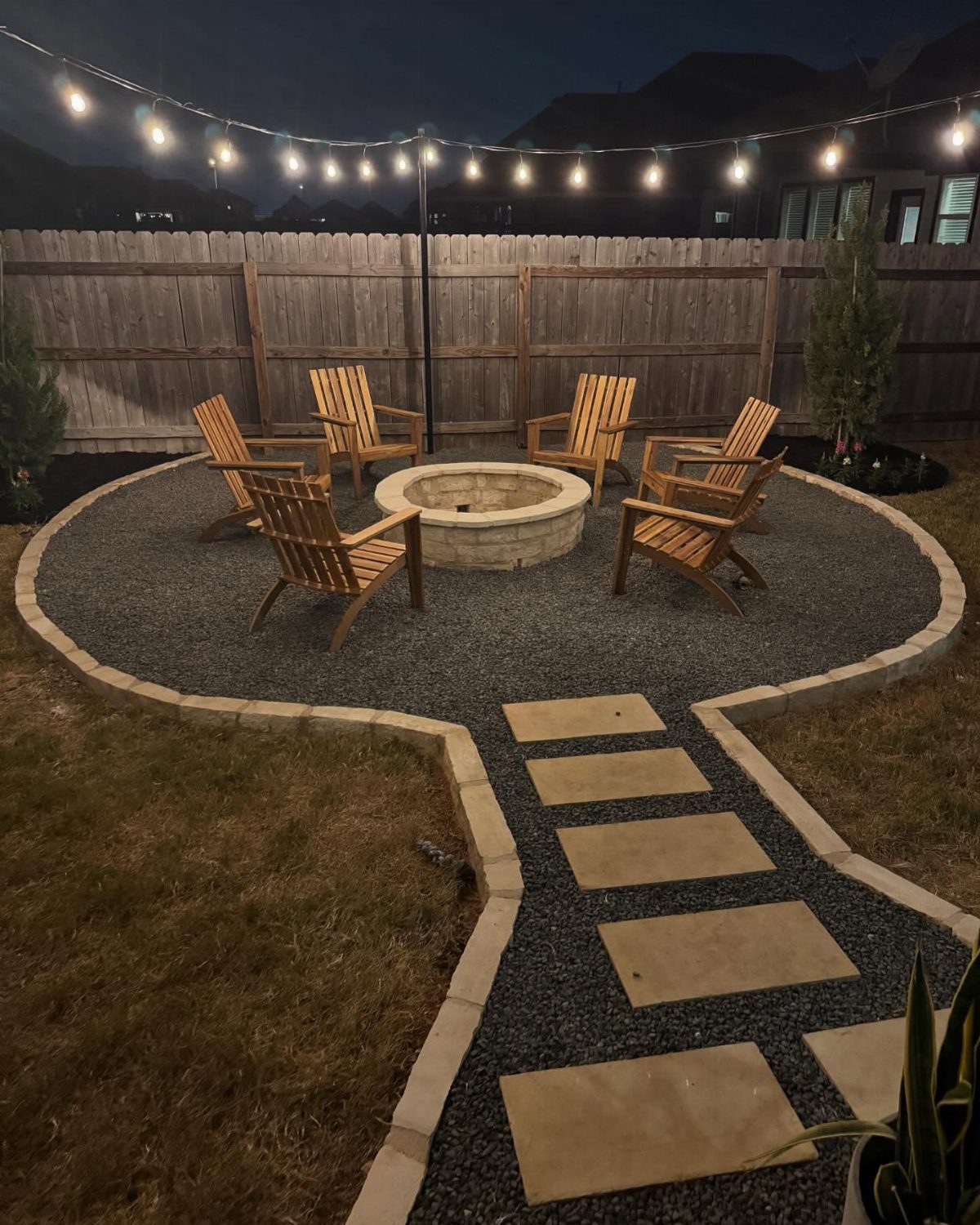
A gravel base gives you drainage, a level surface, and a finished look without pouring concrete. The stepping stone path keeps your feet clean walking out with drinks or s’mores supplies.
I would use crushed limestone or decomposed granite rather than pea gravel; the smaller pieces lock together underfoot instead of rolling like marbles.
The stones need to sit flush with the gravel surface, not perched on top, or they wobble under a chair leg.

[Low Smoke Design]: OutVue smokeless fire pit has unique design and scientific internal airflow system, provides you with a clean flame atmosphere. No more sting the eyes smoke, no more suffocating air - just the enough warmth and ambiance of low smoke fire pit. We send a waterproof cover and a poker to you for using the low smoke fire pit more convenient.Note:Store assembled fire pit in a cool, dry location away from children and pets.Keep the fire pit covered when cooled and not in use.

Durable Construction: The Black Round Galvanized Fire Pit Ring is made from 0.8MM thick high-quality galvanized steel and painted also,ensuring long-lasting durability and resistance to rust or corrosion

Embrace the Warmth: The 28″ x 28″ x 25″ propane fire pit generates an impressive 50,000 BTUs of heat to create a comfortable and relaxing atmosphere for your guests. ETL certified for peace of mind, this fire pit table is ideal for bringing everyone together for loads of fun and laughter.
8. Rustic Stone Fire Pit
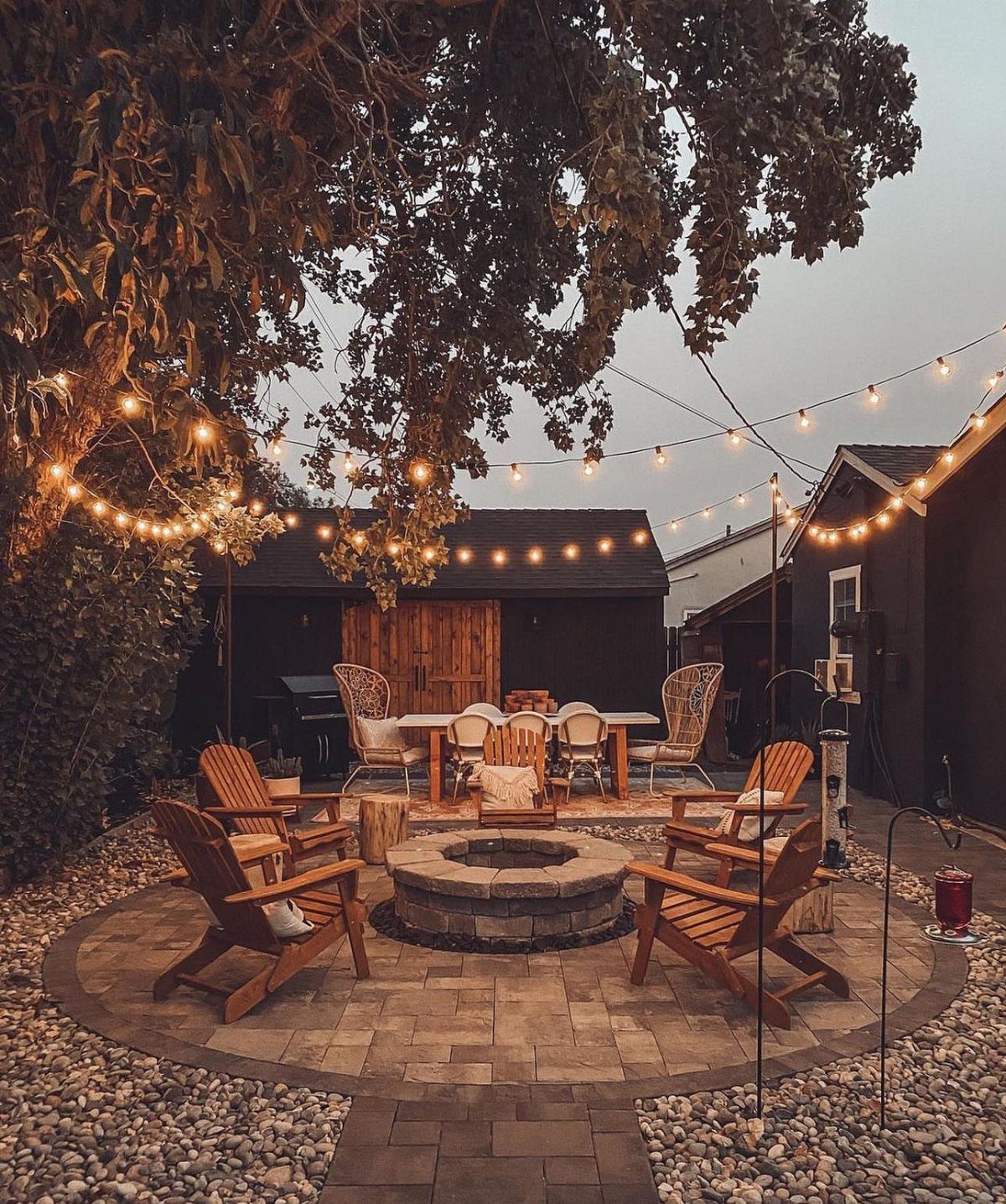
Rounded fieldstone stacked dry, without mortar, lets you adjust the ring after the first few fires as the stone settles and shifts from heat. The irregular shapes catch light at different angles once the fire dies down to embers.
I would sort stones by thickness as I build; one thin edge tipping inward and you are fishing it out of the coals.
A steel fire ring dropped inside the stone circle contains the wood, protects the lowest course from direct flame, and buys you seasons before the pit needs restacking.

Efficient & Clean Burning Design: Our chiminea features a narrow, bulbous chimney that acts as a natural draft, efficiently drawing smoke up and away while funneling heat around, creating a cozy zone for you and your friends. The surrounding mesh screen designensures better combustion, reducing smoke and sparks, making it ideal for patio gatherings

[Compact Chiminea]: This small fire pit for outside features with 17.7 W x 35.5 H inch, weight 33.7lb, having a small but spacious design for small gatherings, parties and reunions in your backyard, deck, porch, garden, camping, RV

Warm your Home: Enjoy a realistic, cozy fire in your home with the Foster Electric Fireplace Heater by Real Flame! This exclusive electric stove heater has a heat output of 4700 BTUs that is perfect for warming rooms up to 1000 square feet.
9. Wood Burning Fire Pit for Cooking
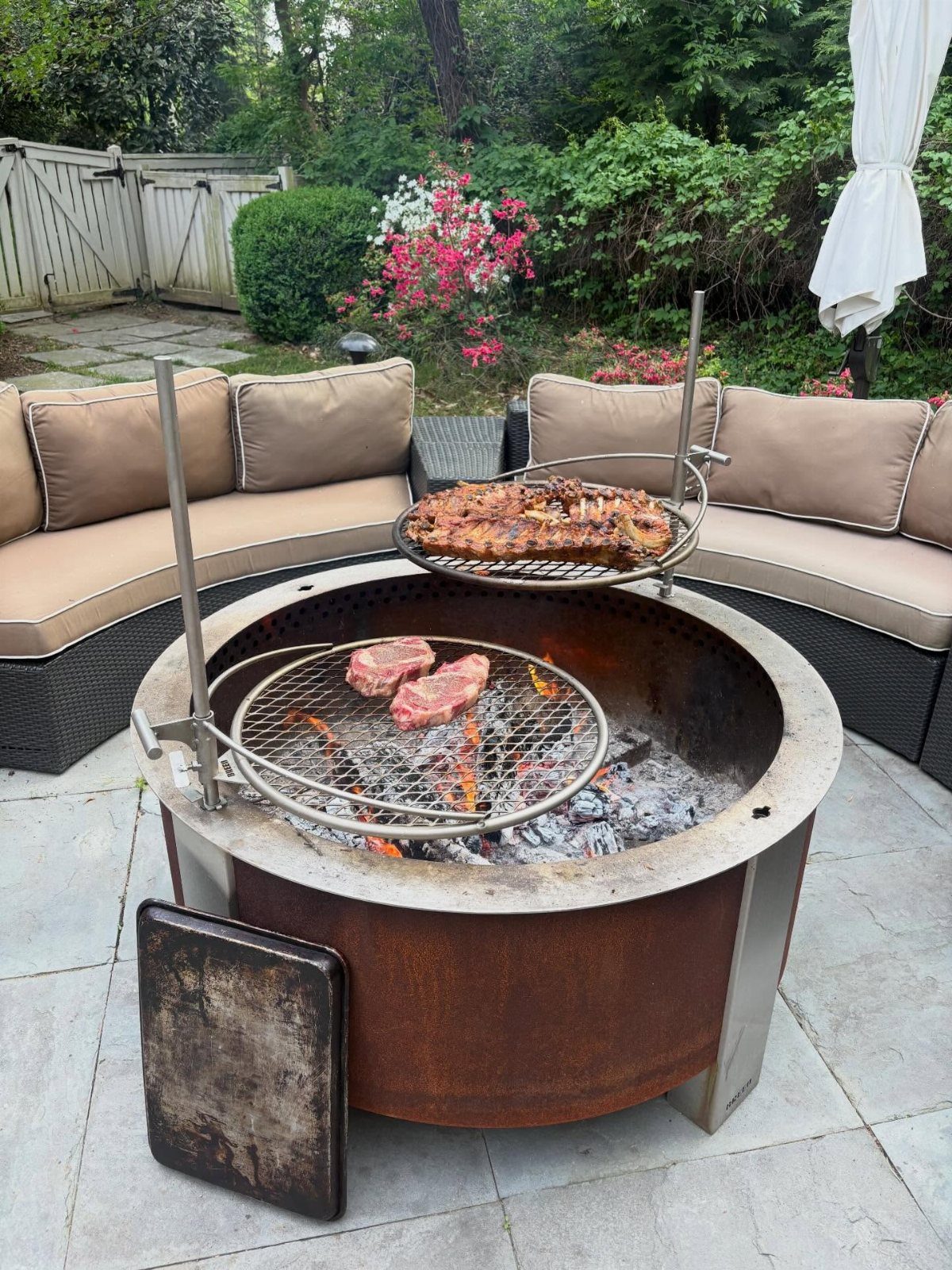
Adjustable swivel grates turn a fire pit into a grill with real wood flavor, not propane approximation. The two-level rig visible here lets you sear over high heat and slide finished meat to a cooler tier to hold.
I would check the grate diameter against the pit; a grate that is too small wastes fuel around the edges, one that is too large tips and drops food into the coals.
My rule is to leave a few inches of breathing room between the grate edge and the pit wall so heat concentrates where the food sits.
Stainless hardware matters, plain steel rusts to the point of binding in one humid summer and the adjustment stops adjusting.

Elegant Ceramic Tabletop: Spacious enough for six people to gather, this 43″ fire pit table creates a cozy outdoor social hub. Its premium four-piece ceramic tabletop is beautiful, durable, and easy to wipe clean, with heat and moisture-resistance. The sleek stone pattern adds a touch of luxury, while the modern design fits seamlessly in your backyard, patio, deck, lawn, or poolside.

Cozy Outdoor Ambiance: Our CSA-certified propane fire pit can extend your outdoor evenings with inviting warmth. Boasting 60,000 BTU of heat, this fire pit can transform your patio into a cozy haven. Enjoy the beauty of the outdoors while staying comfortably warm on cooler nights.(note:1:use soapy water to check for leaks before use 2:The reminder card contains interface size instructions and interface inspection instructions)
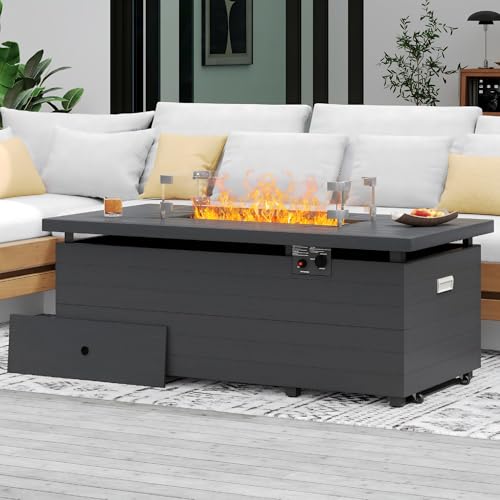
50,000 BTU Heating & CSA Certified: This premium fire pit table delivers robust 50,000 BTU warmth with CSA-certified safety. The windshield protects flames while showcasing a mesmerizing fire display, complemented by decorative crystals that enhance both heat distribution and visual appeal.
10. Firepit with Retaining Wall Backdrop
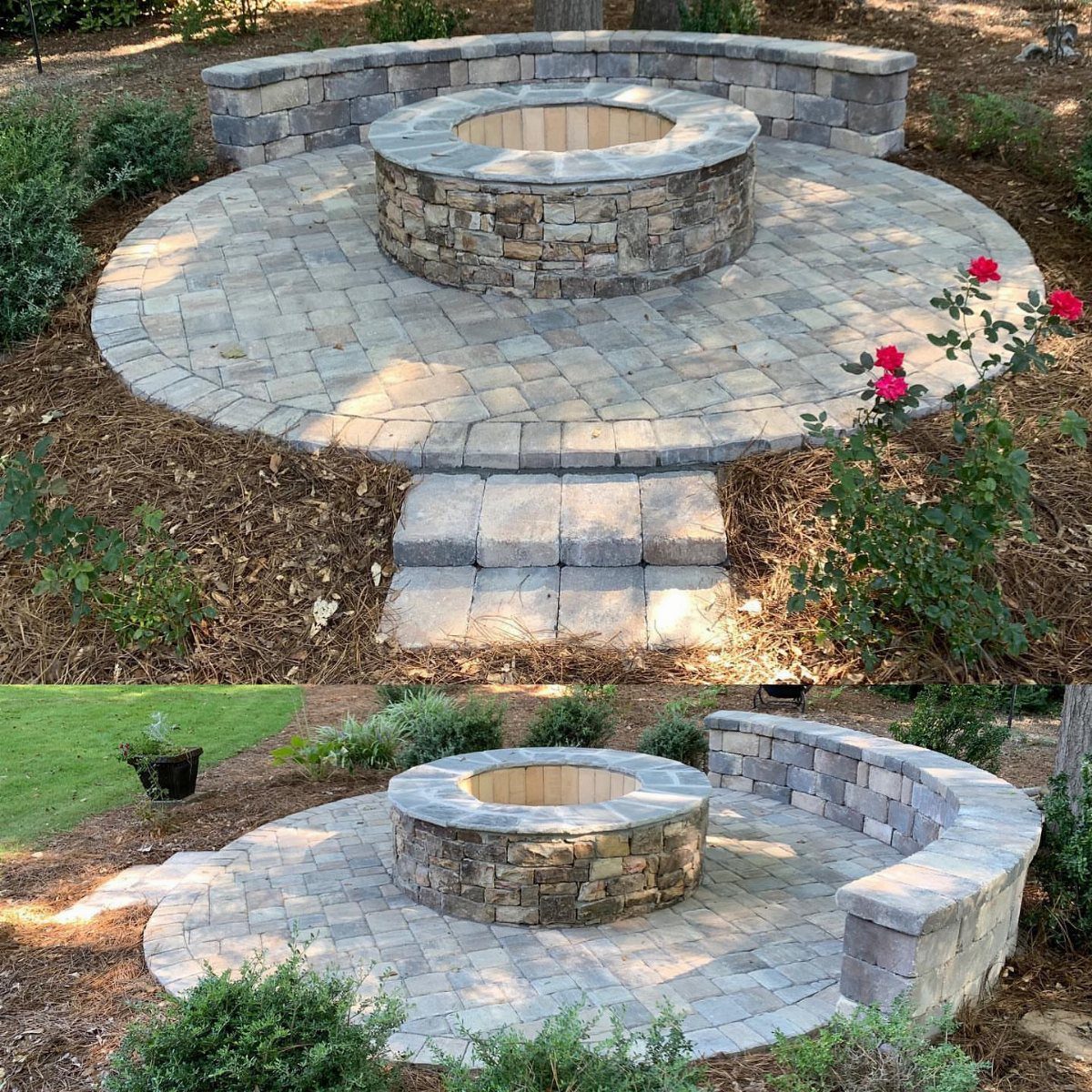
A curved retaining wall behind the pit blocks wind, bounces heat back toward the seating, and gives guests a backrest that does not need storing in October.
The same stone running from wall to paver patio reads as one designed thing rather than assembled pieces.
I would build the wall no higher than seated shoulder height, any taller and it stops feeling like shelter and starts feeling like a pen.
The curve needs a wide enough radius that the middle seat sees the fire straight on, a tight curve puts someone staring at the masonry.

Smokeless Fire Pit: Experience the warmth and ambiance of a campfire without the hassle of smoke with BALI OUTDOORS smokeless fire pit. Designed with advanced airflow technology, outdoor fire pit promotes efficient combustion, minimizing smoke production while maximizing heat output

[Low Smoke Design]: Grovellis smokeless fire pit has unique design and scientific internal airflow system, provides you with a clean flame atmosphere. No more sting the eyes smoke, no more suffocating air - just the enough warmth and ambiance of low smoke fire pit. We send a waterproof cover and a poker to you for using the low smoke fire pit more convenient.Note:Store assembled fire pit in a cool, dry location away from children and pets.Keep the fire pit covered when cooled and not in use.

[Low Smoke Design]: OutVue smokeless fire pit has unique design and scientific internal airflow system, provides you with a clean flame atmosphere. No more sting the eyes smoke, no more suffocating air - just the enough warmth and ambiance of low smoke fire pit. We send a waterproof cover and a poker to you for using the low smoke fire pit more convenient.Note:Store assembled fire pit in a cool, dry location away from children and pets.Keep the fire pit covered when cooled and not in use.
11. Chiminea
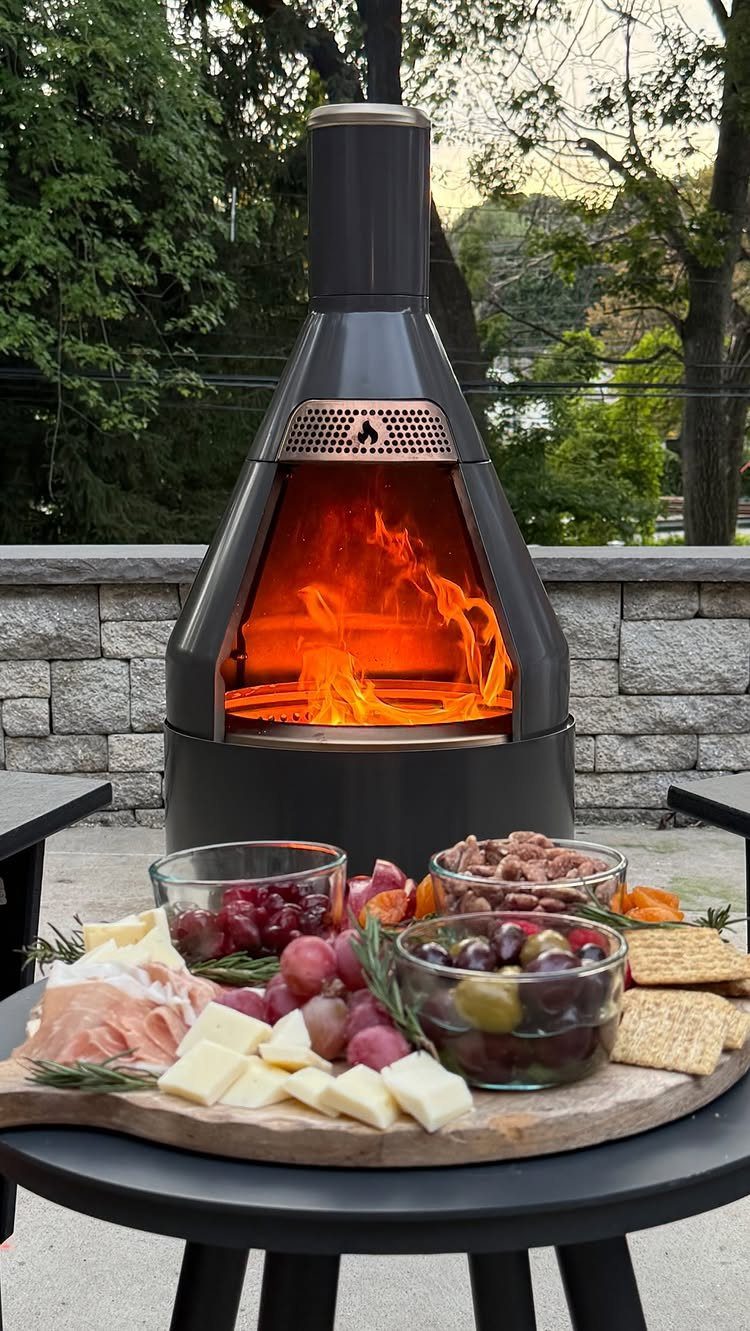
A chiminea’s chimney stack draws smoke up and away, which matters on still evenings when a bowl pit sends guests shifting chairs to stay upwind.
The enclosed belly holds less wood than an open pit but burns it more efficiently, one or two logs lasting an hour.
Clay models crack from thermal shock if you build too big a fire too fast; I would choose cast iron or thick steel for any climate with real winter.
The narrow mouth means cooking is limited to skewers or a small griddle, not a full grate.
12. Cowboy Cauldron Fire Pit
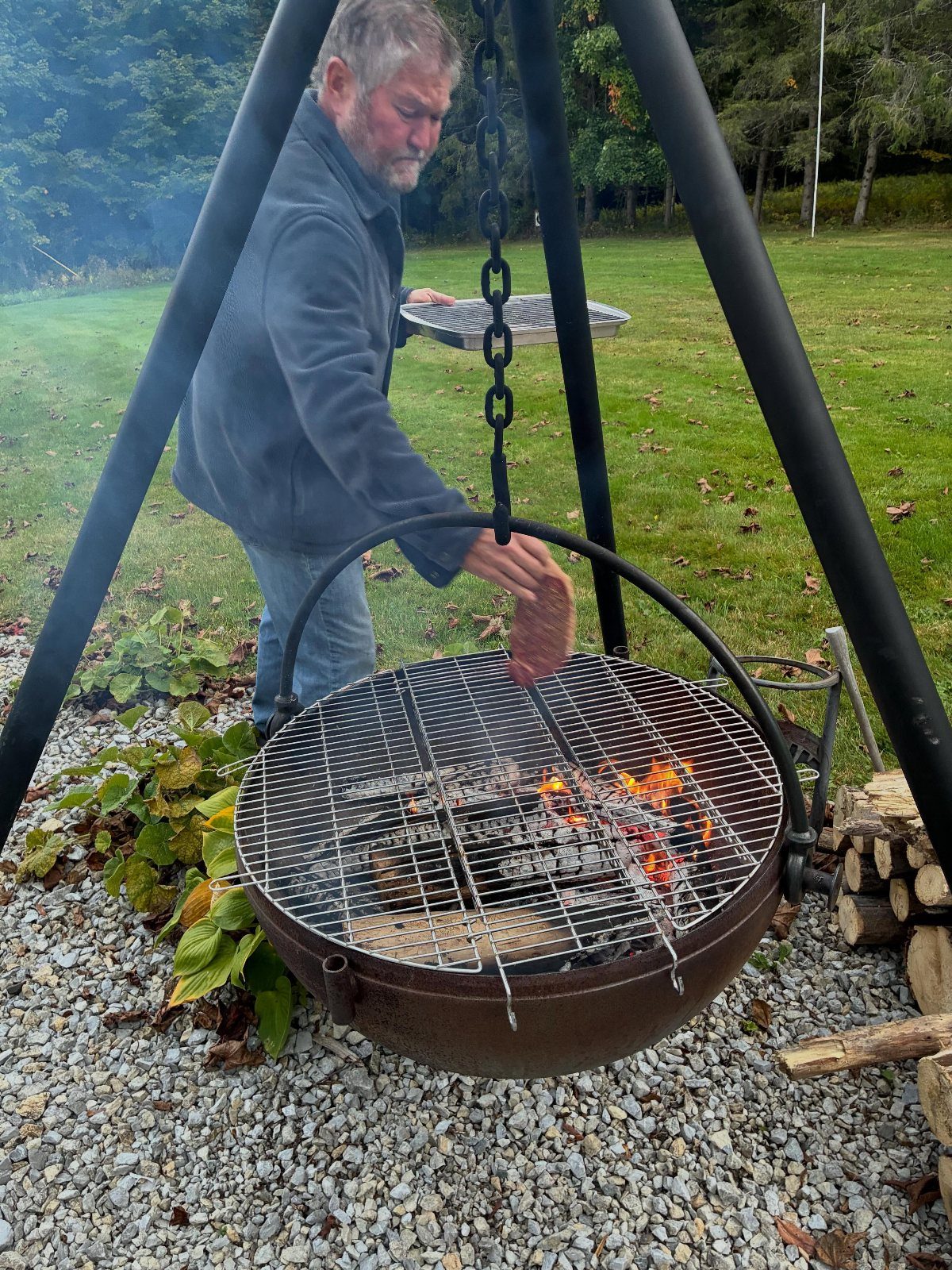
A cauldron hanging from a tripod suspends the fire safely above ground and lets you swing the whole cooking surface off the heat in one motion. The depth holds enough wood for hours of social fire without constant feeding.
I would gauge the chain and tripod rating against the loaded weight; water plus meat plus steel runs heavy, and hardware store decorative chain is not rated for dynamic load.
The tripod feet need to sit on something that will not ignite, gravel or stone, not directly on grass or deck.
13. Portable Fire Pit
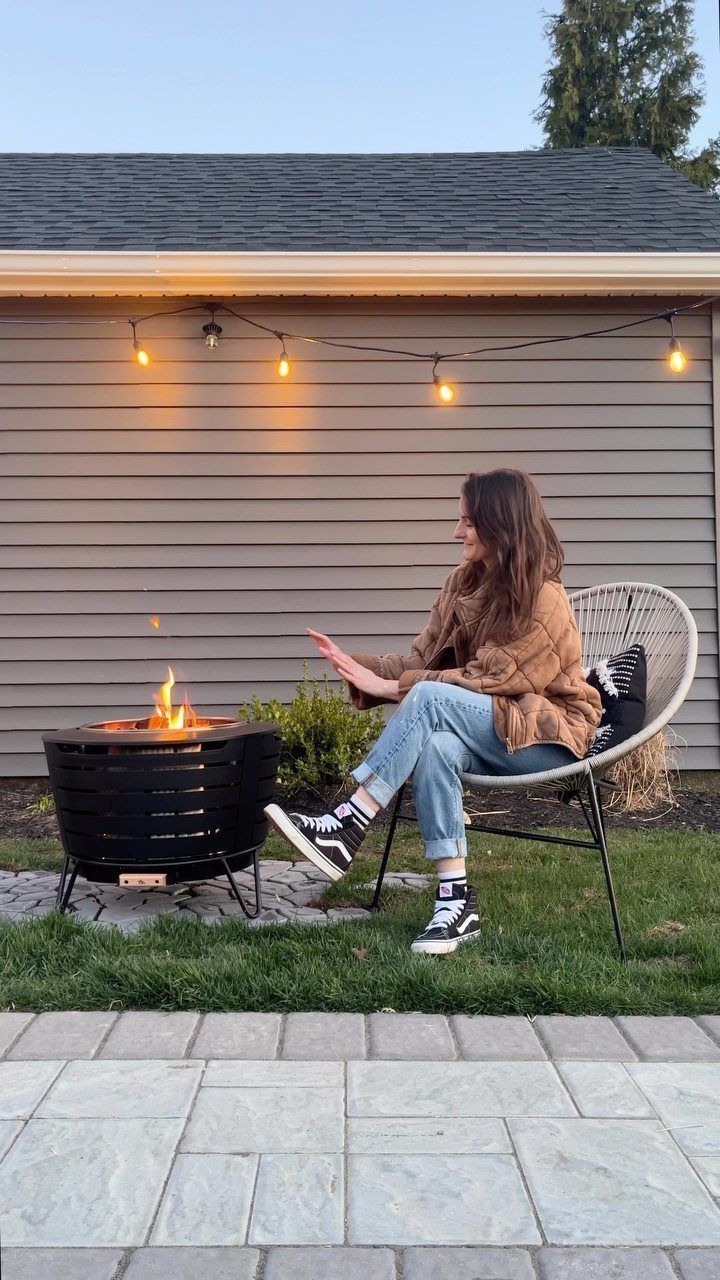
A portable fire pit folds flat or stacks into a carry bag, so you can chase shade in July and sun in October without committing to one spot.
Short steel legs keep this bowl stable on uneven grass, so you can move it anywhere the party lands.
I would check the spark screen is included; open bowls toss embers farther than built-in pits with walls. Store it dry, even coated steel rusts at the seams if it lives outside all year.
14. Flower Power Fire Pit
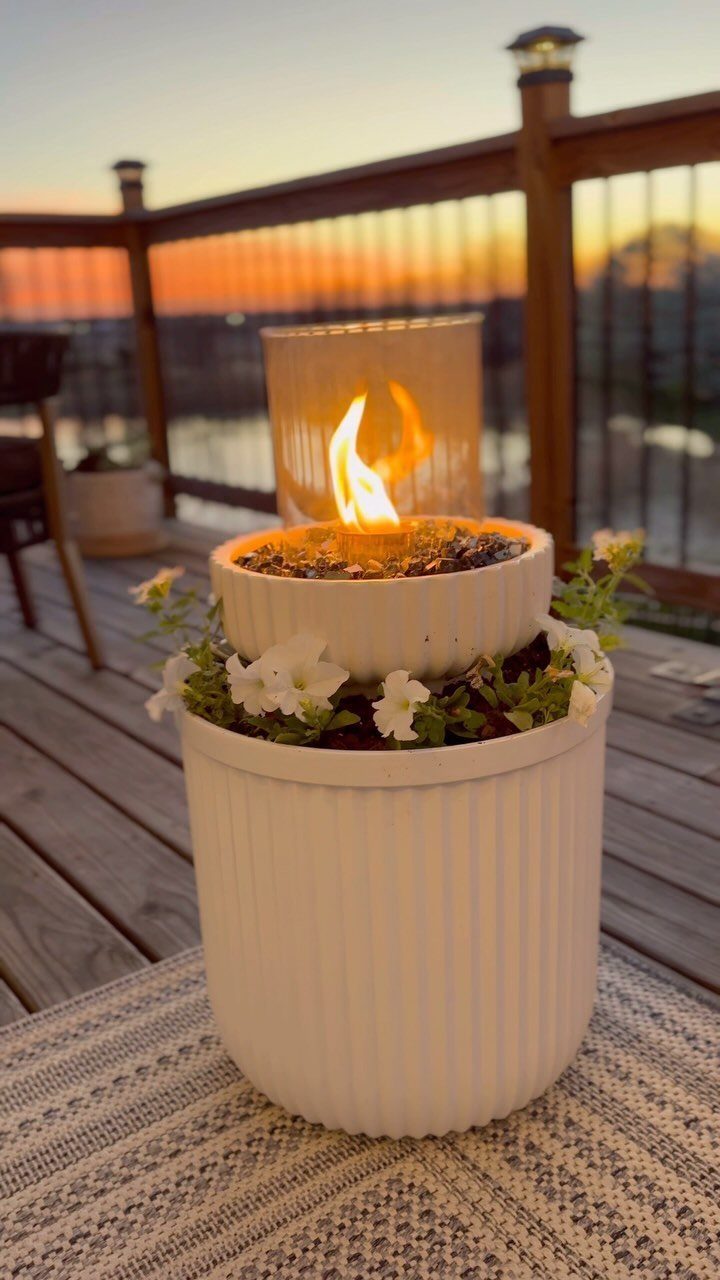
The scale suits renters or anyone whose outdoor square footage is measured in feet, not yards.
I would confirm the fuel; most planter-style bowls run on gel canisters or small propane tanks tucked underneath, and replacement canisters vary in availability.
The white finish shows soot quickly, so I would wipe the rim after each use while it is still warm, cooled wax or grease sets harder than fresh.
15. White Ceramic Fire Bowl
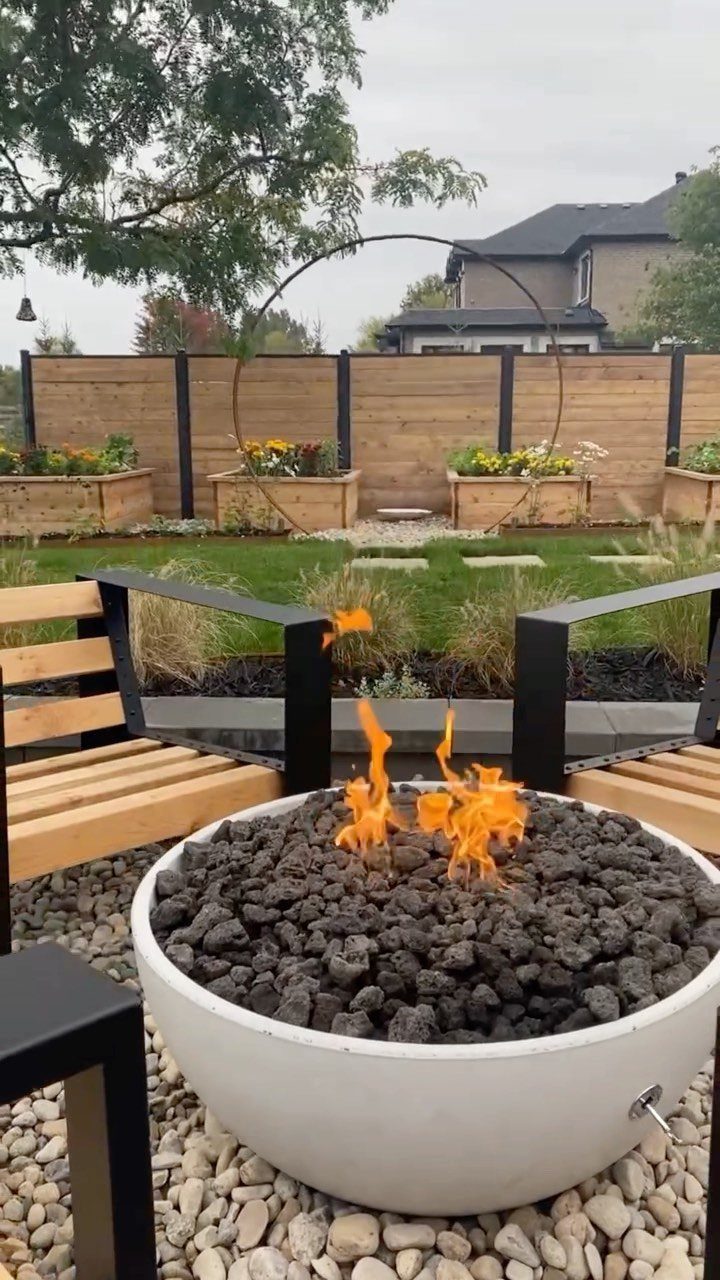
A white ceramic bowl with black lava rocks sits on river stone gravel between modern chairs, reading as sculpture when unlit and as a clean flame when burning.
The ceramic shell still gets hot on the outside, so I would place it somewhere kids or dogs do not brush against it regularly.
I would keep a cover handy; ceramic absorbs water, and a sudden freeze with moisture inside risks hairline cracks.
The lava rocks hold heat and radiate it after the flame drops, which stretches a small gas flame into a longer evening.
16. Perforated Metal Fire Sphere
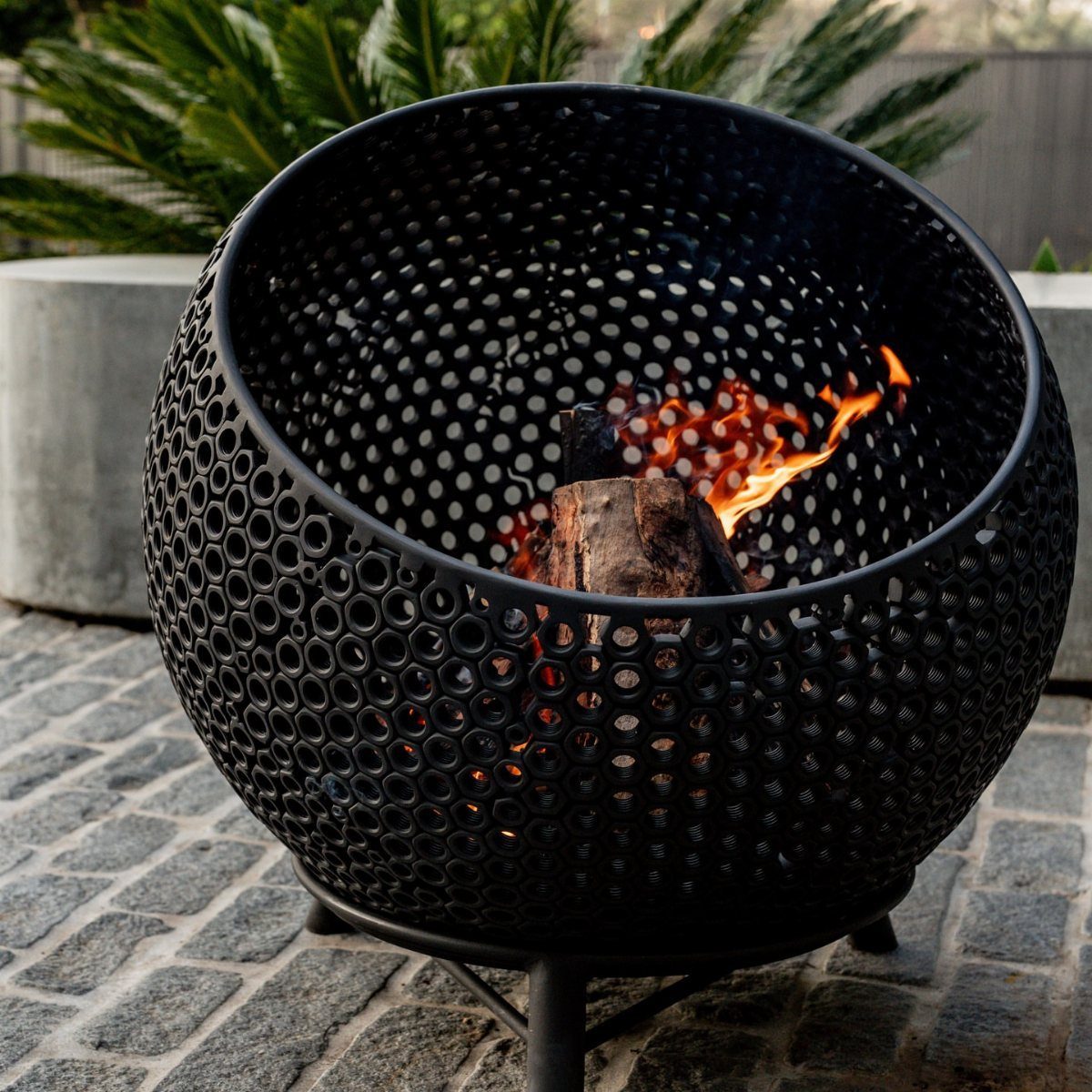
A perforated steel sphere on a stand lets firelight flicker through honeycomb cutouts, throwing patterned shadows across a cobblestone patio after dark.
The open pattern feeds air to the fire from below as well as above, which helps hardwood catch without constant tending.
I would choose a model with a removable ash pan; without one, you are tipping the sphere to dump it. The stand height matters for radiant heat at seated level, too low and the warmth stays at your ankles.
17. Cylindrical Metal Smokeless Fire Pit
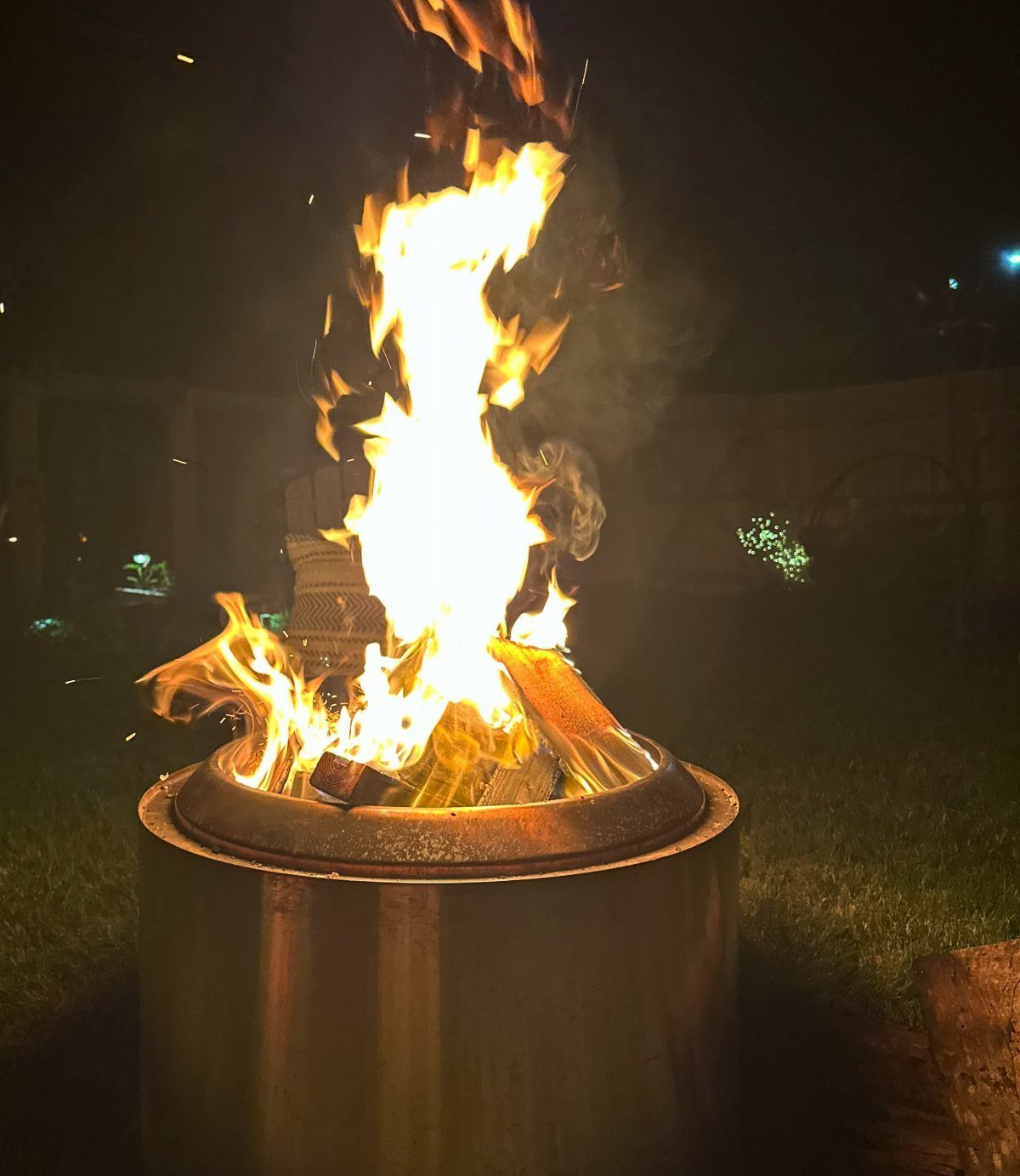
A double-walled cylinder draws air through bottom vents and feeds it to the top ring, burning the smoke before it rises, which means you can sit downwind without the usual eye-watering drift.
That tall, narrow flame is secondary combustion at work, not a pile of wood burning fast.
I would let it cool completely before moving; the insulated walls stay hot longer than single-wall steel suggests. Dry hardwood works best, green or softwood smothers the airflow that makes the system function.
Fire Pit Safety Tips
Place the pit on a surface that will not ignite; gravel, pavers, or concrete are the right choices, not grass or bare wood decking.
I keep a bucket of water or a charged hose close by, not strung out across the yard where I’d have to sprint for it.
Check the wind before lighting. A breeze that feels mild at the door can fan sparks once the fire is going.
Choosing Fire Pit Materials
Stone, brick, and metal each handle heat well, but they fail differently. Mortar between layers should be fire-safe, not standard masonry mix, if your climate swings between freeze and thaw.
Metal pits vary by gauge. Thin steel warps and sheds paint within a season or two; I would look for corten steel or thick cast iron for anything meant to last.
Concrete blocks rated for fire use are the safer prefab route. Avoid regular bricks or untreated stone gathered from the yard; moisture trapped inside can fracture violently when heated.
Fire Pit Maintenance
Ash and debris left in the bowl hold moisture against metal and masonry alike. I empty the bowl after each use once it cools, and check that drainage holes stay open so rainwater does not pool.
A cover pays for itself in a single season. I keep the cover on between fires, not just in winter.
Frequently Asked Questions
How do I install a backyard fire pit?
I start by finding level ground with a 25-foot clearance from the house and anything else that can burn, then mark the outline and excavate a bowl roughly 6–12 inches deep.
Add a gravel base for drainage before building walls with fire-safe materials like fire brick, stone, or metal.
Check local building codes first; most towns require permits for permanent masonry and specify minimum clearances. Compacted gravel underneath pavers or stone keeps the surface from heaving when the ground freezes and thaws.
What is the current trend in fire pits?
Fire pits are getting sleeker and more tailored to outdoor aesthetics rather than reading as camping gear. Smokeless double-walled cylinders, plain metal bowls with clean edges, and gas units built into tables are what I see most often right now.
Gas options in particular are gaining ground because they remove wood smoke restrictions and turn on instantly. The move is toward pieces that function as sculpture or furniture when unlit, not just utilitarian flame containers.
What is a cowboy pit?
A cowboy cauldron fire pit hangs a large steel pot from a tripod, suspending the fire safely above ground level.
I would verify the chain and tripod rating against loaded weight; water plus meat plus cast iron runs heavy, and decorative hardware store chain is not rated for that dynamic load.
What is the best thing to put in the bottom of a fire pit?
Gravel is the right base material for drainage and stability. That depth keeps water from collecting and shields whatever sits below the fire.
What is a fire pit?
A fire pit is a contained structure that holds fire safely above ground, built from metal, stone, brick, or concrete. It ranges from a simple dug bowl lined with rock to elaborate permanent installations with gas lines and built-in seating.
The contained design prevents fire from spreading while drawing people to the radiant heat and light. Fuel options include wood, propane, natural gas, or ethanol gel canisters depending on the model and local restrictions.