These ideas run from free pallets to stone and fixtures, and the one that belongs in your yard depends on whether you need structure first or green first.
A foundation bed of hostas against brick edging fixes one problem; a vertical panel of ferns or pallet planters fixes another.
I would check my local burn ordinance before committing to the fire pit, and I would phone a bulk soil supplier before I built the raised bed, because bagged garden soil from the home center adds up faster than the lumber does.
[link-whisper-related-posts]1. Vertical Gardening
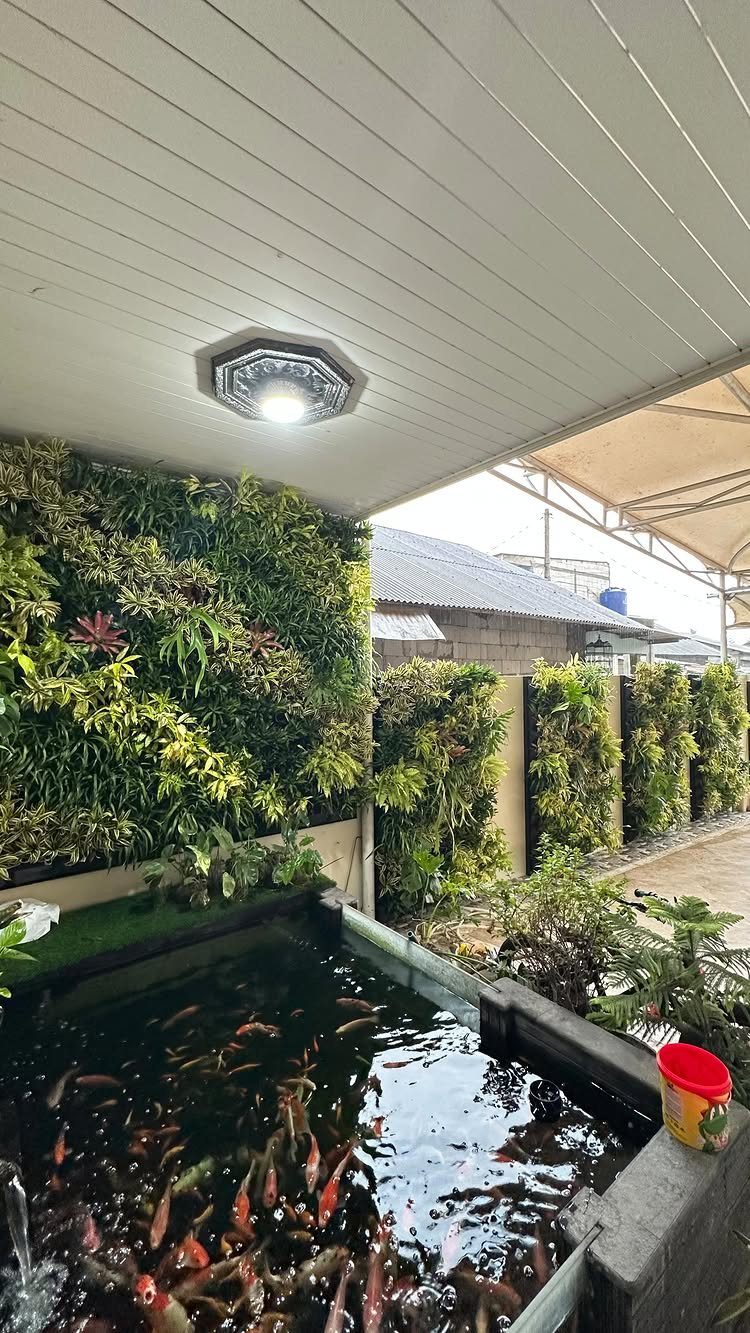
Vertical gardening builds green space upward instead of outward, which matters when your footprint is small or your ground is already spoken for.
Vertical panels mount flat against a wall, so you need a surface that can take the weight of saturated soil plus plants, and a water source close enough that you will actually use it.
I would check whether the wall gets enough light for what I wanted to grow; shade-tolerant ferns and pothos are more forgiving than herbs or strawberries.
A drip line or simple hand-watering works, but the system you choose should match how often you are home.
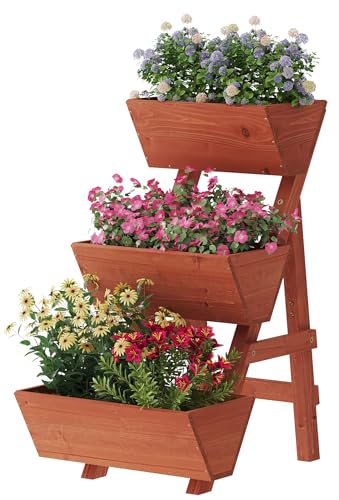
【SIZE】: Vertical garden planter size: 16.5*17*27.8 inches.

【36 Pocket Vertical Garden】Features 36 individual planting pockets, allowing you to grow herbs, flowers, succulents, strawberries, vegetables, and other plants while maximizing vertical space.
2. Gravel Paths
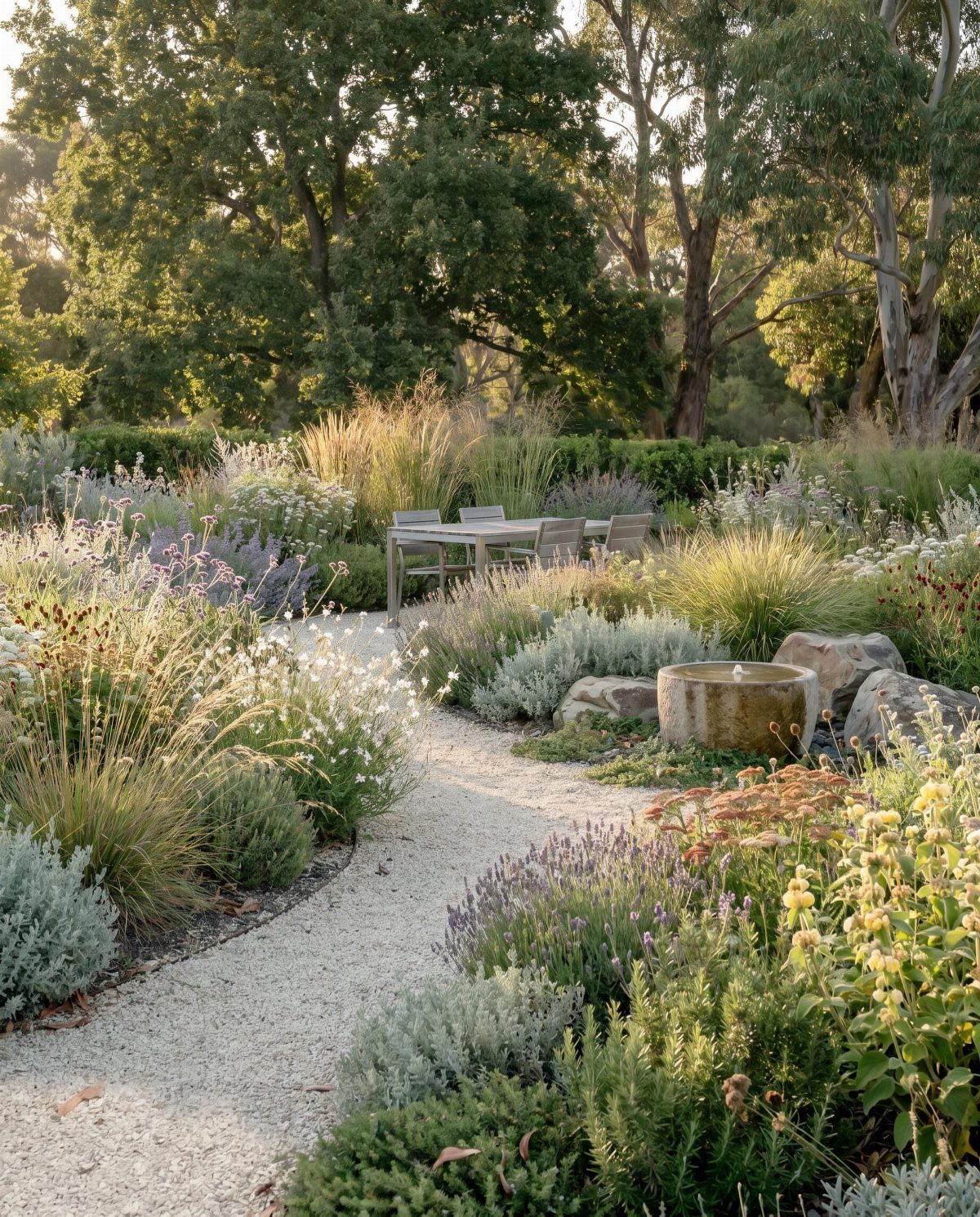
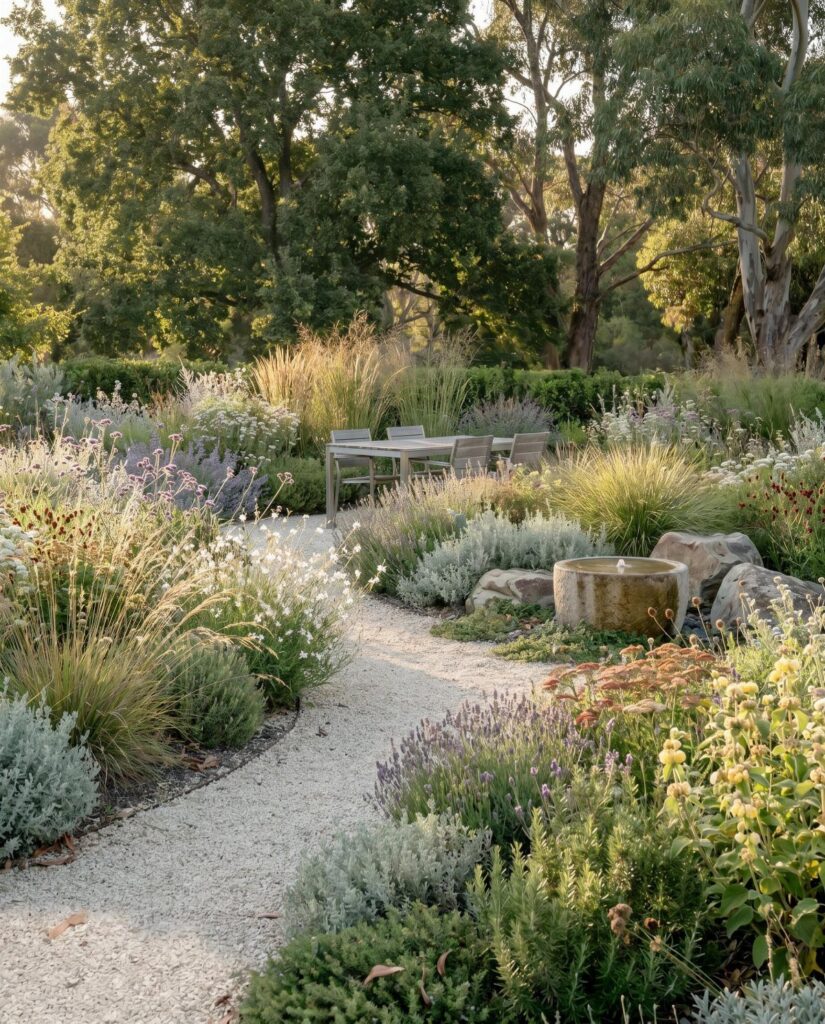
A gravel path gives you a walkway for the cost of the stone and a few hours of spreading.
Light crushed stone sits loose, so I would put down landscape fabric first to keep weeds from coming through in month three.
Edging matters more than people think; without it, the gravel wanders into your lawn and your lawn wanders back. The curve here follows the garden beds rather than cutting straight across, which costs no more and reads as intentional.
Stone this size is cheapest from a local quarry, so I would price both the big-box store and the nearest source before ordering.

Innovative Space-saving Design: maximize your gardening potential with our stackable wall planter system; Each piece measures 9.45" x 5.71" x 5.51" and features two pockets, The overall dimensions are 47.5"x33"x5.5" offering ample growth space for a variety of plants; Nice for Fence Balcony Wall Decor, these vertical wall planters change limited spaces into gardens effortlessly

【Automatic Watering System】: This vertical garden planter has an automatic watering pot that will automatically water the plants every few days, saving you the hassle of daily watering and saving time. Also a thoughtful gift for busy people or working moms.

The GreenStalk Vertical Planter is proud to be designed and manufactured completely in the USA. Made with high quality, BPA-free, UV-resistant plastic with a 5 year warranty.
3. Utilize Mulch
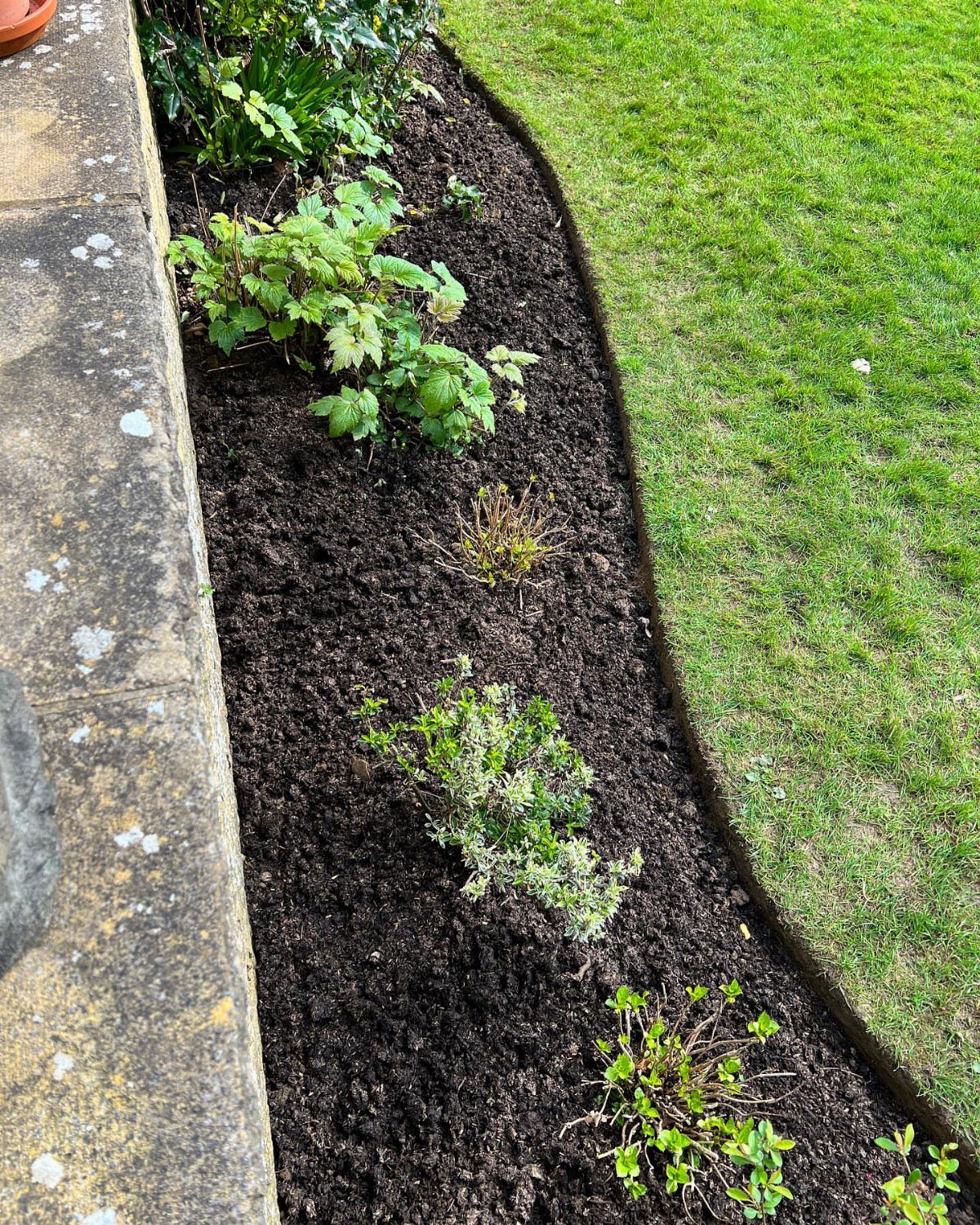
Fresh mulch reads as finished the moment it goes down, and it buys you time on weeding and watering through the season.
A thick enough layer of dark mulch blocks light, but the mistake I see most is piling it against shrubs like a volcano; that traps moisture against stems and invites rot.
I aim for a depth that blocks light but pull back well from any woody base so moisture does not trap against the bark.
I would check what my municipality offers; many compost yard waste into mulch they sell cheap or give away in spring.

【Superior Weed Control】Vanver 3.2 oz heavy-duty landscape fabric is designed to be sturdy and durable to inhibit weed growth, allowing you to eliminate tedious weeding, save more time and labor, and enjoy a hassle-free gardening experience!

Professional Grade Weed Barrier: LAVEVE weed barrier fabric is made of woven polypropylene material. Its high-density and permeable characteristics effectively stop weed growth and protect soil health so your plants can grow well.
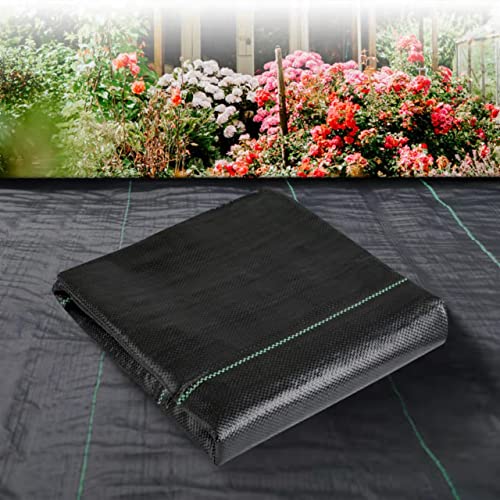
Premium Weed Barrier Fabric:Weed barrier landscape fabric is a type of geotextile fabric that is commonly used in landscaping and construction.With excellent weed control properties, providing a clean and tidy landscape.Very strong and durable,Pro landscape weed barrier will provide you with premium weed protection for a very long time.
4. Inexpensive Perennials
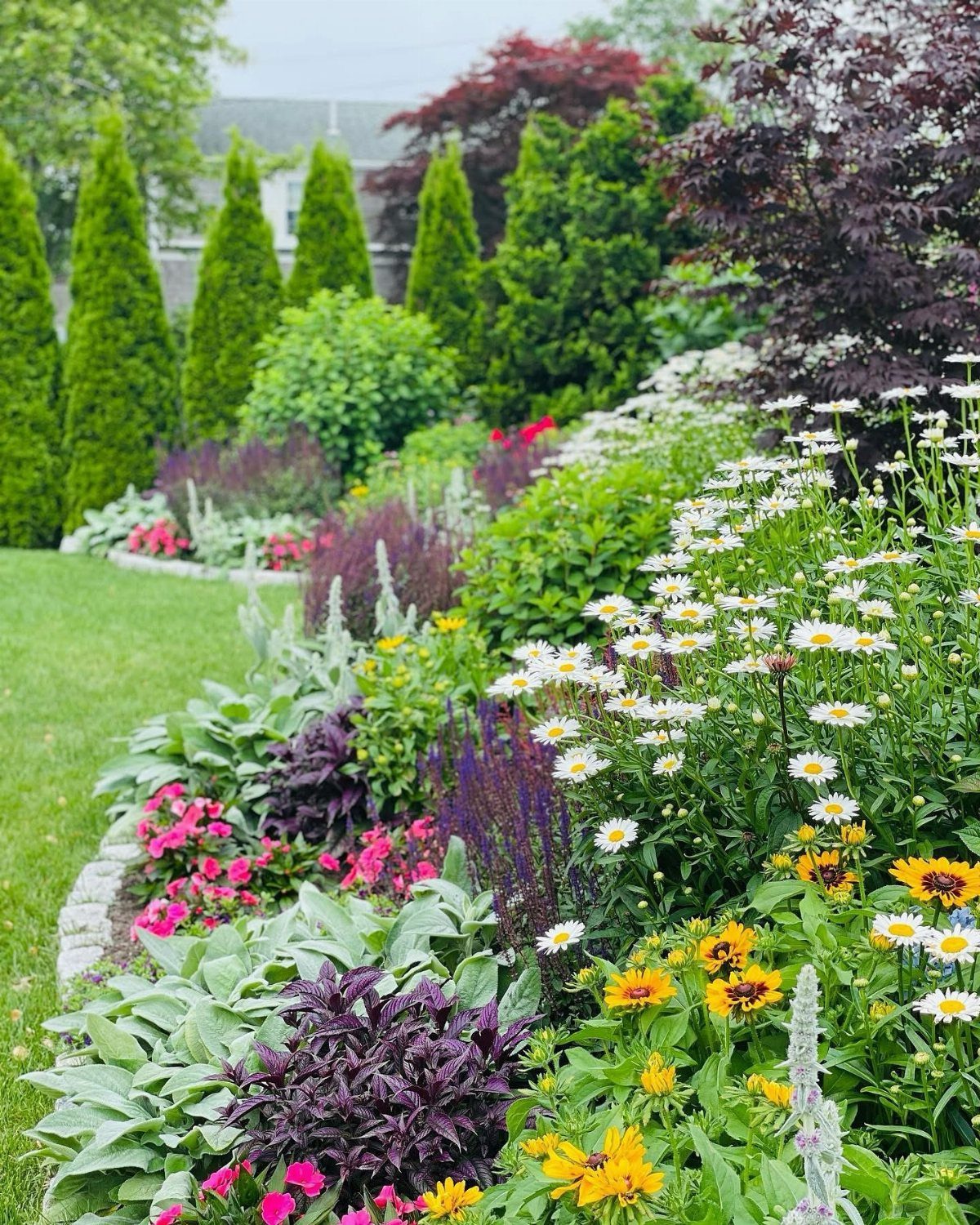
Perennials that come back on their own spread your plant budget across years instead of one summer. Daisies and salvia with lamb’s ear for texture hit a rhythm of early and mid-season bloom so something is always happening.
I would buy small starts rather than gallon pots; they establish faster than people expect and the savings add up across a whole bed.
The arborvitae at the back is the slow-payoff piece, green year-round but not exciting at checkout. I would plant that part first and fill around it with the showier stuff.

Ready-to-Use Formula: No mixing or extra steps required. Simply pour and plant - perfect for gardeners of all experience levels.

Ready to Use, Right from the Bag: No prep required. This raised bed garden soil is packed with organic compost and nutrients, ready to use for quick and easy planting

Specially Crafted for Raised Beds: Formulated to provide the ideal growing environment for vegetables, herbs, flowers, planter boxes, and other container gardens.
5. Incorporate Raised Garden Beds
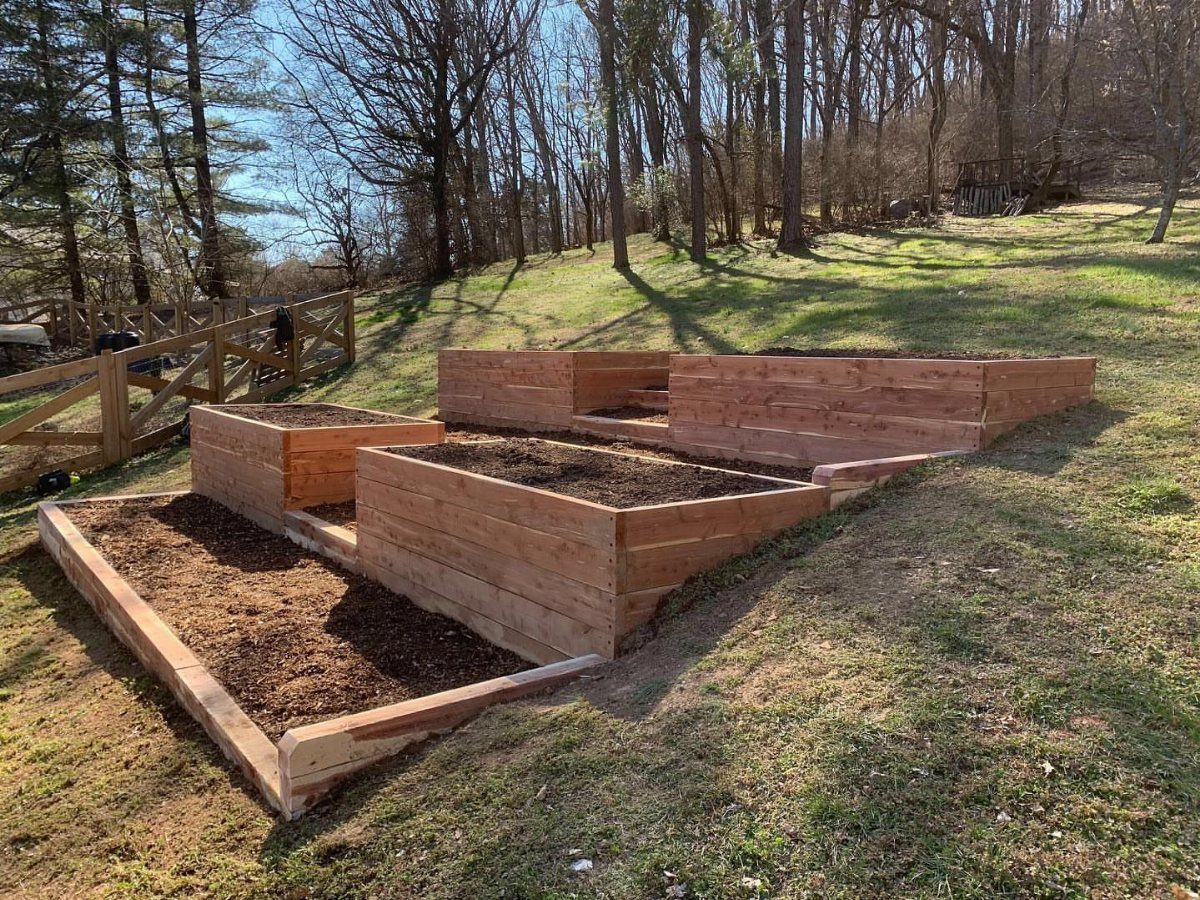
Raised beds lift your growing soil above whatever compacted clay or questionable fill came with the property.
Tiered wood boxes that follow a slope turn a grading problem into planting space; cedar or a rot-resistant composite holds up longest in ground contact. Soil is the hidden cost.
A bed this size needs more cubic yards than I always guess, and bagged garden soil from the home center adds up fast. I would call a local bulk supplier and have a blended mix delivered.

PREMIUM ORGANIC GARDEN STRAW: High-quality organic straw harvested for superior coverage and durability—ideal mulch for gardening, raised garden beds, flower beds, composting, and lawn care projects.

PREMIUM SEEDLESS STRAWS FOR CLEAN GARDENS: High-quality hay designed to reduce weeds while keeping your garden bed neat, healthy, and easy to maintain

6. DIY Stepping Stone Paths
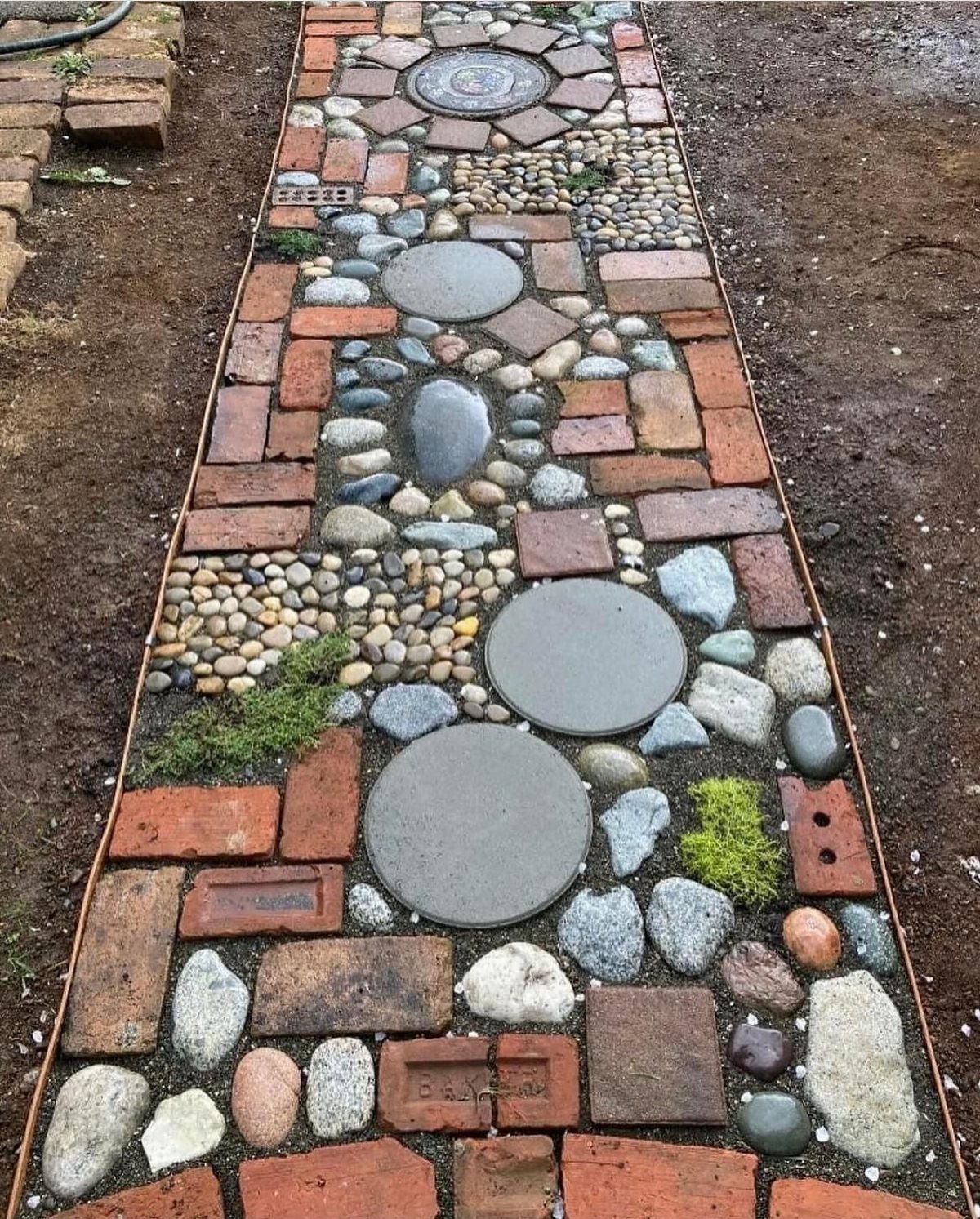
A stepping stone path lets you use found and leftover material instead of buying everything new.
Concrete rounds with salvaged brick and river rock infill work because the pieces are roughly the same thickness; uneven stones mean tripping and puddles. I would lay them out dry first, stepping through the pattern myself, before I set anything.
Metal edging keeps the loose material from migrating, but pressure-treated 4x4s buried on edge are what I would use if I were scrounging the rest.

Space-Saving : This strawberry planter maximizes your gardening space by stacking 5 layers to grow more plants in a compact area. The strawberry tower planter is ideal for patios, balconies, or indoor use

Self-watering system means you can often go weeks without watering plants

【 Vertical Raised Garden Bed with Trellis】Perfect for home gardening lovers, this herb planter outdoor with 4 garden boxes let you plant vegetables, herbs, and flowers in separate plant bed while the 11-inch trellis supports climbing plants like tomatoes, strawberries, vines, and peppers. The balcony raised garden beds outdoor with legs creates an optimal environment for your plants to thrive.
7. Landscape Lighting
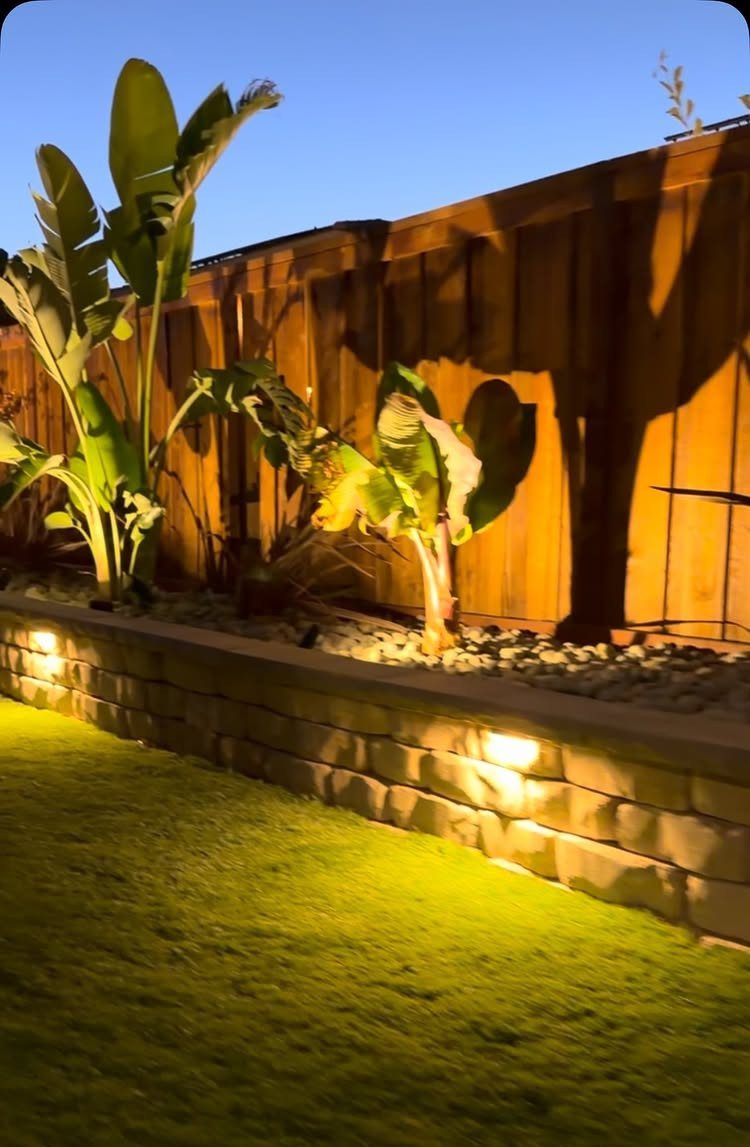
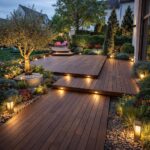
Low-voltage LED fixtures wired into a retaining wall turn after-dark hours into usable time without running new circuits from the house. I would skip solar-only units; they dim out just when I want to be outside.
Warm 2700K bulbs match firelight and do not glare, so I would check the Kelvin rating before buying. Downlighting from a wall washes ground evenly; uplighting into plants draws shadows that make a small yard feel deeper.

MADE IN THE USA – SUPPORTS 3 SMALL BUSINESSES Proudly manufactured in the United States. Every Smart Spring planter purchased directly supports three small U.S. businesses, helping keep jobs and production local.


✅ Versatile Hanging Planters: Ourfence hanging planters or hanging strawberry planter are perfect for adding greenery to any space, whether it's your garden, balcony, or indoor living area.
8. Flower Beds
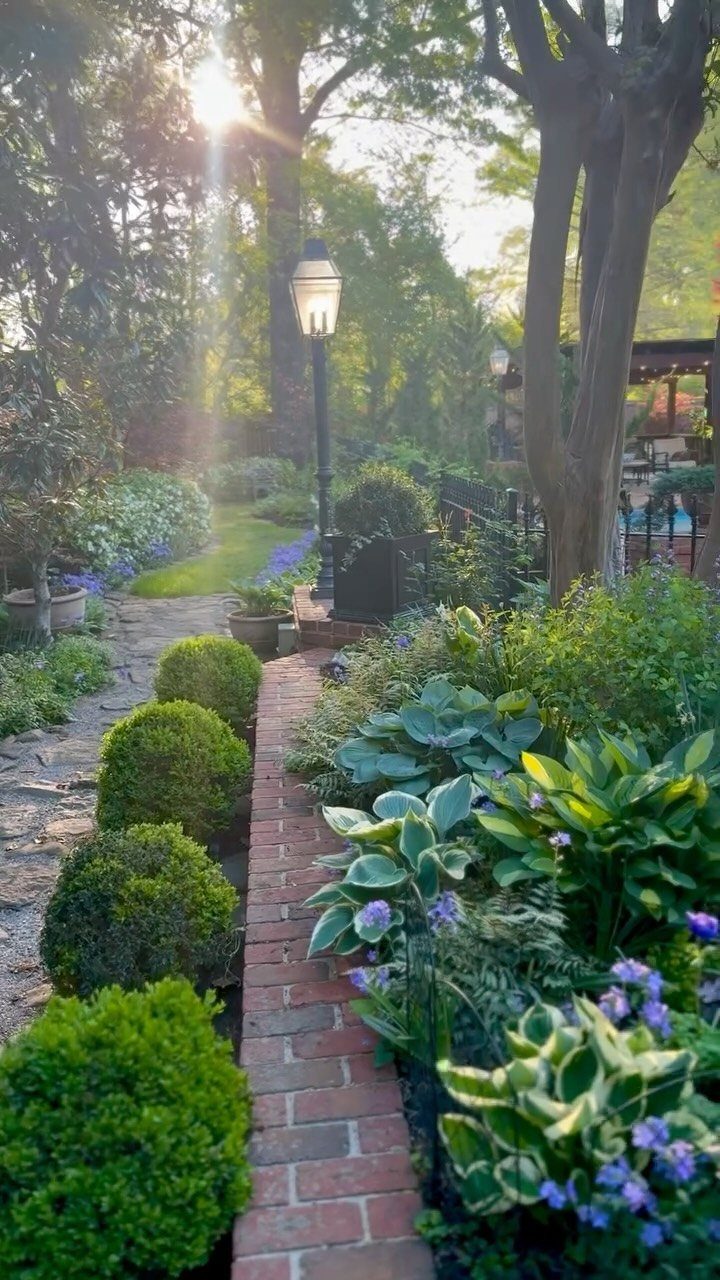
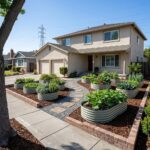
A bed edged in brick keeps lawn and soil from mixing, which means less edge maintenance through the season. Hostas handle the root competition and reflected heat that fry more delicate plants against a foundation or fence.
I would measure the bed against the mature spread of what I am planting, since a perennial start that needs dividing later is cheaper than filling gaps with annuals every spring.
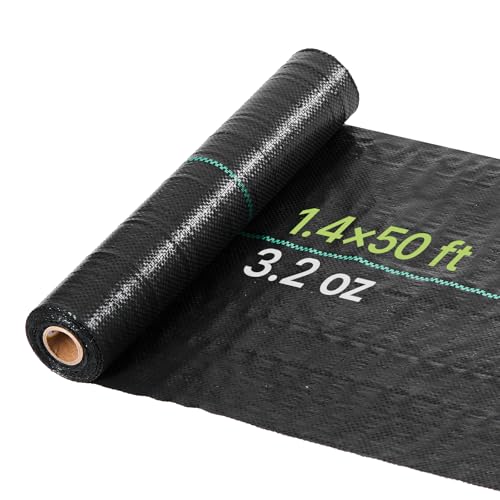
Clean Weed Control: Made from 3.2 oz/90.7g high-density PP woven material, our garden weed fabric blocks sunlight from passing through and limits weed growth without frequent manual removal. By reducing competition for water and nutrients, it supports healthier plants while keeping gardens, beds, and walkways neat.

Weed Blocking Landscape Fabric:Groweco Heavy Duty Weed Barrier Fabric is made of 3.2 oz polypropylene.The use of weeding cloth can provide weed protection for you,make your workplace clean and hygienic,make your work more comfortable and improve your work effciency
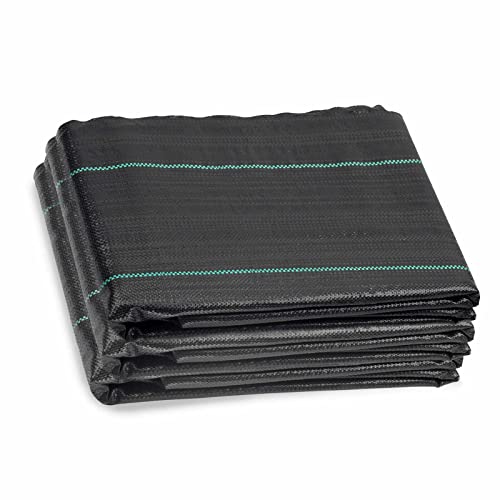
Weed Blocking Landscape Fabric:Groweco Heavy Duty Weed Barrier Fabric is made of 3.2 oz polypropylene.The use of weeding cloth can provide weed protection for you,make your workplace clean and hygienic,make your work more comfortable and improve your work effciency
9. Fire Pits
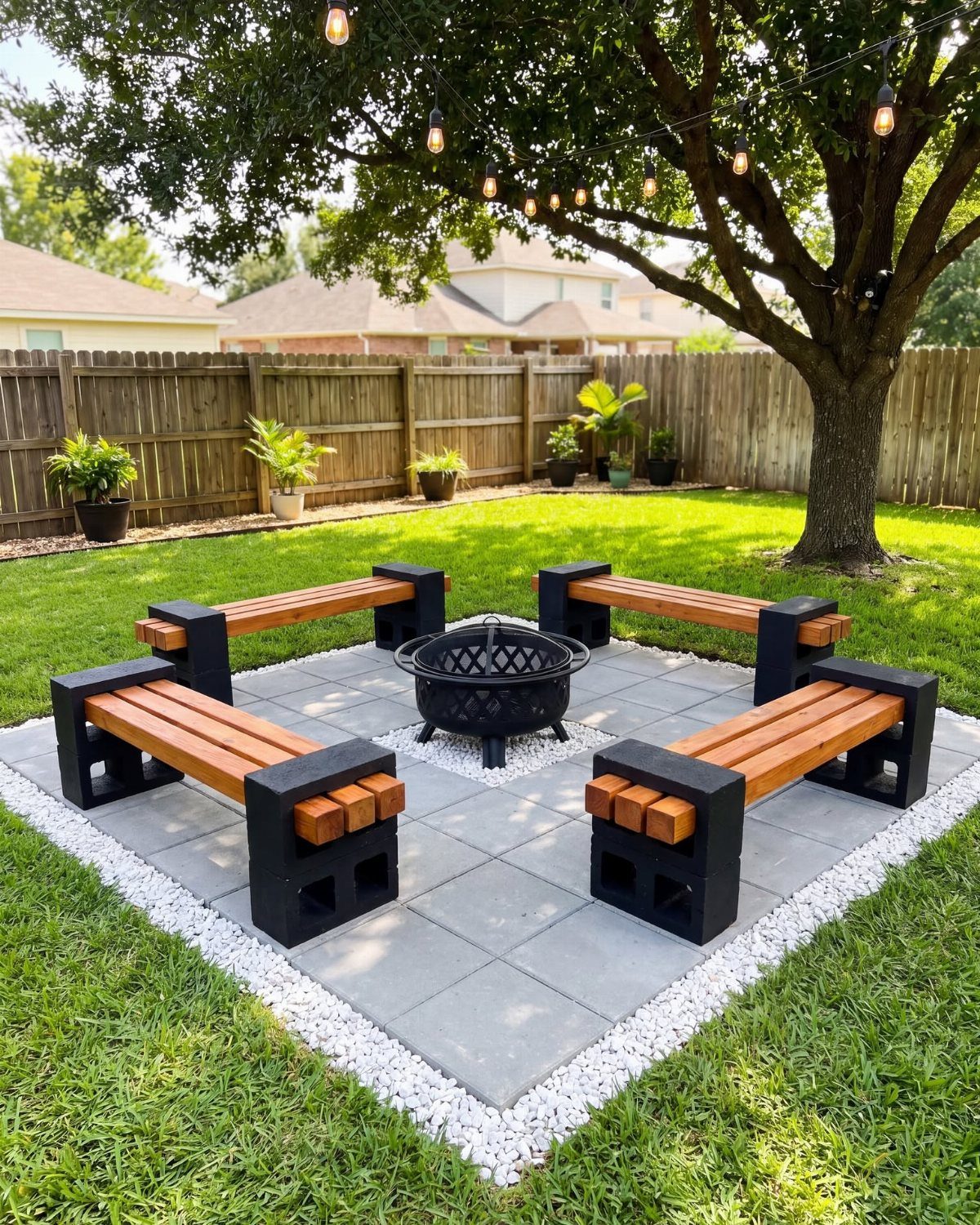
A metal bowl on a stone base gives you a gathering point for the cost of the pit and a few bags of pavers.
I would keep the seating low and lightweight; cinder block benches with wood caps are stable and can be reconfigured when the party size changes.
Check your local burn ordinance before you buy, and keep the bowl well back from any overhang or fence.

100% Organic and Peat-Free: Crafted with upcycled plant matter and wood fines from across the USA, this soil is 100% organic and free from peat — helping preserve vital carbon stores in nature.

FOR USE: Use when planting or transplanting to improve native soil.
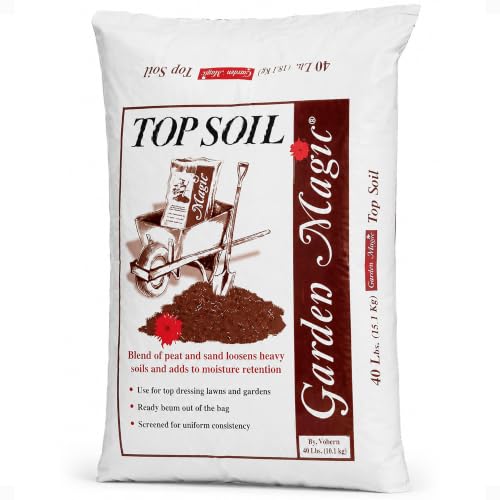
Ready-to-Use for All Planting Needs: This general-purpose potting soil is ready to use out of the bag, perfect for both indoor and outdoor planting without any extra prep
10. DIY Pallet Planters
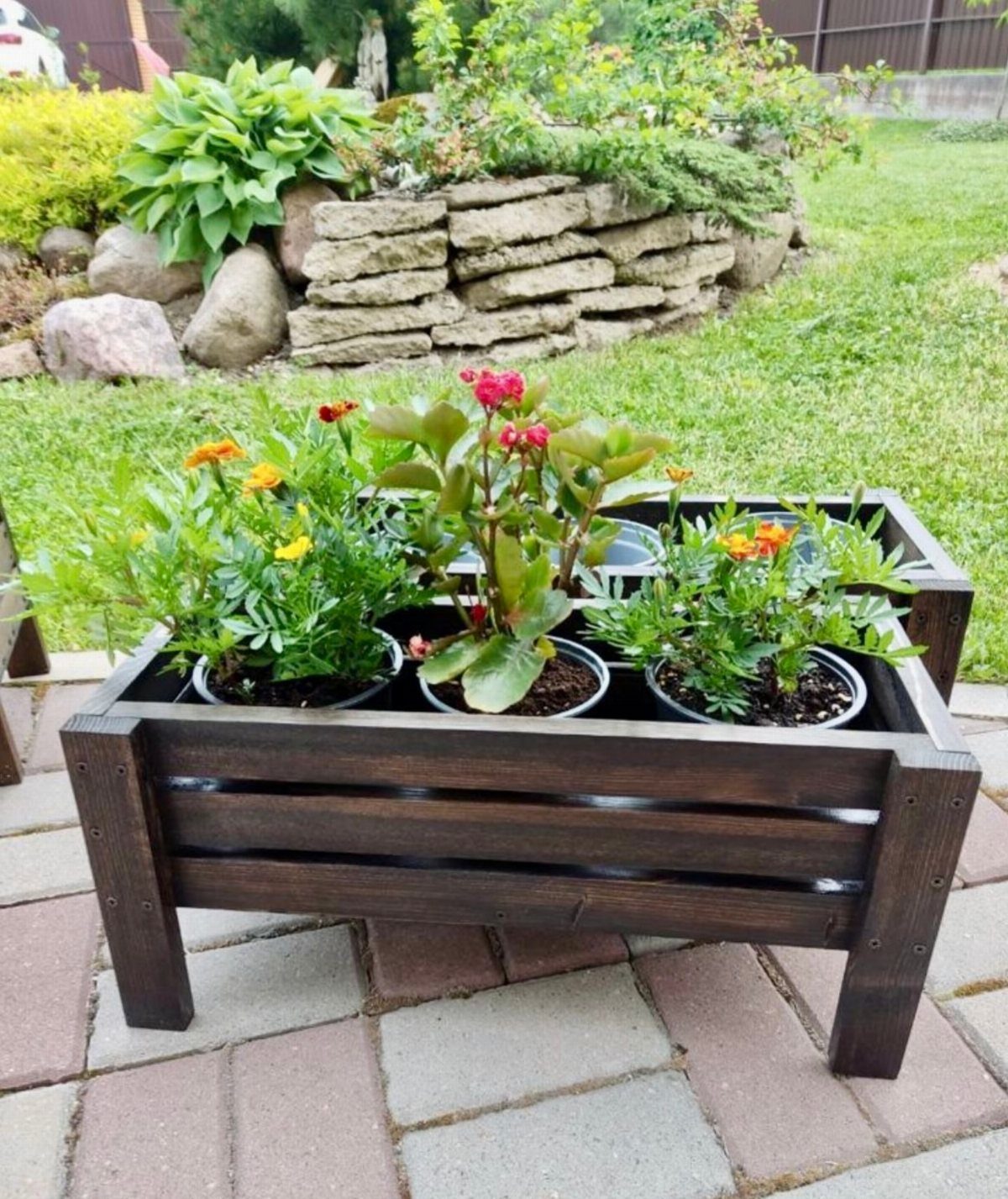
A planter raised on legs saves knees and keeps slugs from the salad greens, and pallets are free if you ask around receiving docks.
I would pull every nail, sand rough spots, and line with landscape fabric so soil does not contact the mystery treatment on pallet wood. A semi-transparent deck stain lets grain show and weathers better than paint on outdoor wood.

What You Get: 1 pound of 100% all-natural wheat straw that has been dried to ensure it is free of weed seeds and will not germinate during use.


PREMIUM ORGANIC GARDEN STRAW: High-quality organic straw harvested for superior coverage and durability—ideal mulch for gardening, raised garden beds, flower beds, composting, and lawn care projects.
11. Build a Rock Garden
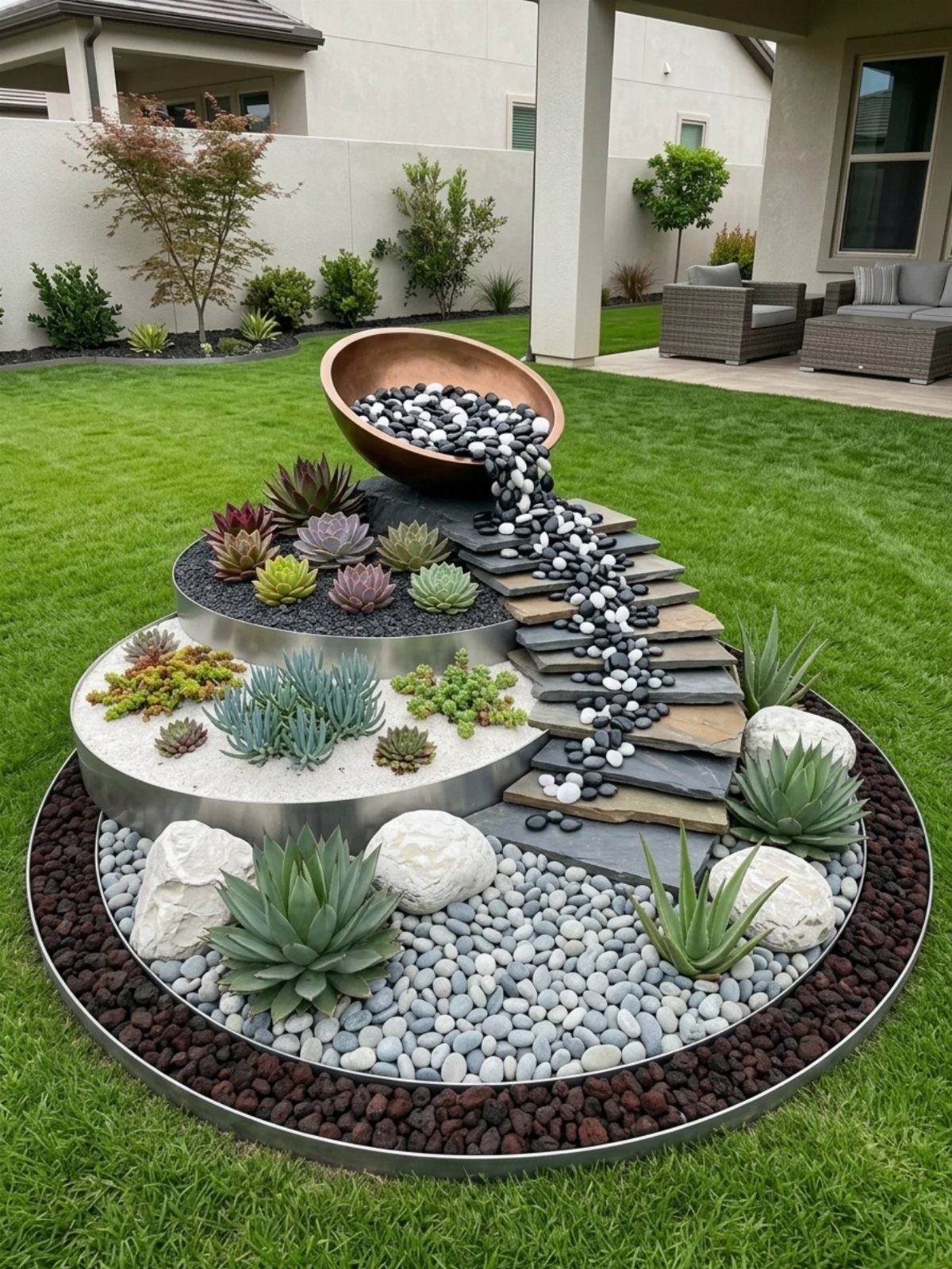
A dry stack of slate or fieldstone with soil pockets between lets succulents drain fast, which matters where summer rain comes hard and humidity rots roots.
I would slope the tiers slightly toward the center so water does not run straight through and vanish.
A copper bowl used as decorative spill needs no pump, which means no cord, no filter, and no ice damage in winter storage.
12. Incorporate Low-Cost Landscaping Materials
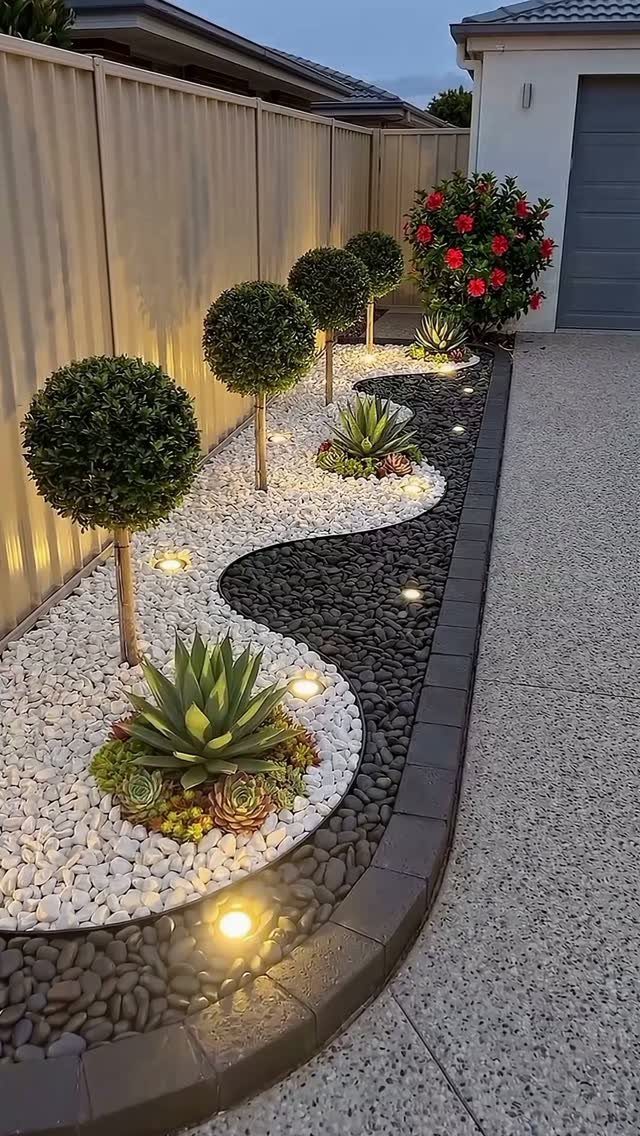
River rock in two sizes and two colors, laid in curved stripes against a fence, gives pattern for the cost of the stone and a Saturday of spreading.
I would put down the same landscape fabric used under gravel paths; without it, pebbles sink into soil in 2 seasons and read as dirt.
Small uplights at the base of each topiary mean the design works after dark, not just in daylight you are at work for.
Plan Your Budget
I divide my landscaping budget into 3 buckets: plants, materials like soil and mulch, and tools I do not already own.
That split keeps me from blowing half the money on impulse buys at the nursery before I remember I need a spade.
Phasing the work matters more than a single weekend plan ever shows on paper. Tackling one bed or one corner at a time spreads the cost across paychecks and lets me adjust when something runs over.
I keep a running note on my phone for local deals: clearance racks after holiday weekends, curbside giveaways in spring, plant swaps through neighborhood groups.
I track what I spend as I go.
It is easy to buy "just one more" flat of annuals and find the plant line doubled without meaning to. Checking the running total against each category catches that before it becomes a problem I solve in October.
“Soil amendments and preparation – raking, tilling and grading – are the most important aspects of budget gardening,” says landscape architect Eric King.
Utilize Native Plants
Native plants earn their keep by needing less of my time and less water than imports that are not built for where I live.
I would stop by my local home improvement store and read the tags for regional guidance rather than guessing from a pretty photo.
Black-eyed Susans, coneflowers and sedum are the perennials I would start with; they come back each year and handle the kind of neglect that happens when work gets busy.
Proper spacing at planting keeps me from redoing it later, since crowded plants fight each other and need division sooner.
Rock gardens or a simple water feature built with natives fit the same low-maintenance plan. The plants are already adapted, so I am not fighting to keep something alive that wants a different climate.
Repurpose and Reuse
Before I head to a store, I walk through my garage and shed to see what is already there.
An old wheelbarrow makes a mobile flower bed I can roll into sun or shade as needed. Broken clay pots become fairy gardens or layered succulent displays with a little soil and rearrangement.
Salvaged bricks can edge a bed or fill gaps in a stepping stone path. Old pallets need the nails pulled and a sanding, but they become planters once I line them against soil contact.
Repurposed trellises, wine barrels cut in half, even curbside finds keep the yard from looking like a catalog. I spend time before I spend money, and let the odd history of a piece read as personality rather than cheapness.
Frequently Asked Questions
What is the least expensive backyard landscaping?
Gravel, mulch, and repurposed materials cost the least and still look finished. A gravel path needs only stone, landscape fabric, and an afternoon of spreading.
Mulch from a municipal compost yard sometimes costs nothing. Old pallets, wheelbarrows, and broken pots become planters with an hour of work and no cash outlay.
What are some ideas for landscaping my side yard on a budget?
A narrow side yard leaves no room for beds that spread out, so I look for ways to grow up instead of out.
Wall-mounted panels or pocket planters let you stack greenery vertically and keep the little ground space you have open for a path or a slim storage bench. Tiered raised beds follow a slope and turn awkward grade into planting area.
A narrow gravel path with buried 4×4 edging costs little and keeps the space walkable. Hostas against a foundation or fence handle the heat and root competition that kills fussier plants in skinny spaces.
What is a realistic budget for landscaping my home?
$300 to $1,000 covers meaningful work if you phase it. Split that amount into plants, materials, and tools you do not already own so one category does not swallow the rest.
Tackle one bed or corner per paycheck instead of the whole yard at once, and buy small perennial starts rather than gallon pots to stretch the plant line further.