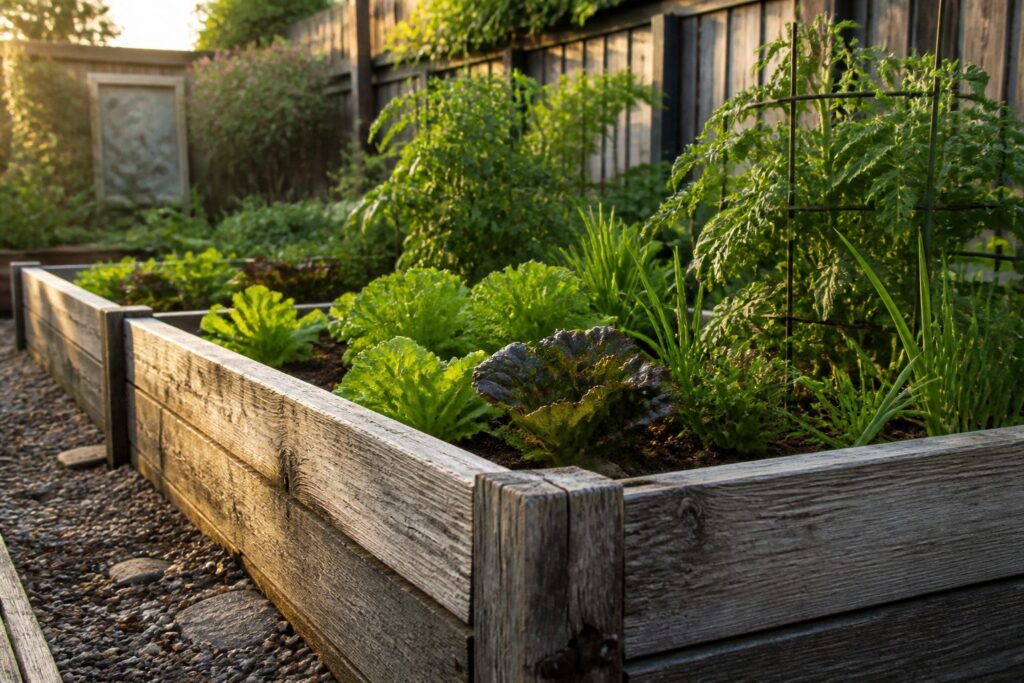
A raised beds vegetable garden is a framed growing space elevated above ground level and filled with a soil mix you control rather than inherit.
Cost bites back: a single 4 by 8 bed built from cedar or redwood can run $500, while the same footprint in concrete blocks costs a fraction of that. The reward is timing.
Because the soil drains faster and warms earlier, you gain weeks on the front of the growing season, and a 60–30–10 blend of topsoil, compost, and soilless medium keeps roots loose enough for straight carrots and early peppers.
[link-whisper-related-posts]Best Vegetables for Raised Beds
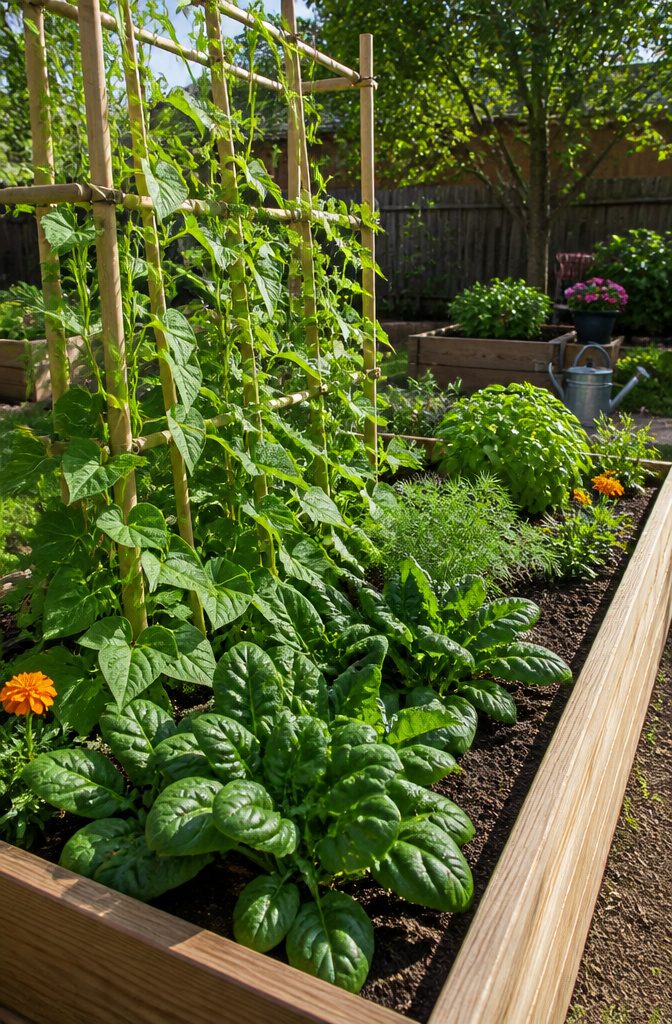
Some vegetables simply perform better when their roots sit in the loose, workable soil a raised bed provides. Here is what I would plant, and why each earns its spot.
- Bush beans mature in 50 to 60 days and stay compact enough to tuck along an edge. After harvest, they leave nitrogen behind for whatever follows them. That turnover matters on a weekend timeline.
- Greens — spinach, kale, lettuce — reward the fast-draining bed with quick growth. I treat them as fillers between slower crops; they are ready to cut before the neighbors need the space.
- Carrots need depth and no stones. A raised bed with 10 to 12 inches of loose mix gives you straight roots instead of the forked ones clay soil produces.
- Herbs such as basil, dill, and parsley thrive in the warm soil. I keep mint and oregano in their own pots; the raised bed is too comfortable for their ambitions.
- Strawberries gain from the elevation. Slugs and some soil-borne pests work harder to reach them.
- Radishes, turnips, and beets are fast root crops that fit tight gaps. You can pull a spring round and replant by early summer.
- Cucumbers and peppers both prefer warm soil, which a raised bed delivers earlier in the season. I run cucumbers up a simple trellis to keep the fruit clean.
- Pole beans stretch the harvest across a longer season if you give them vertical support.
- Marigolds belong here even though you will not eat them. They repel pests and attract the insects you want nearby. I edge at least one bed with them every year.

Ready-to-Use Formula: No mixing or extra steps required. Simply pour and plant - perfect for gardeners of all experience levels.

100% Organic and Peat-Free: Crafted with upcycled plant matter and wood fines from across the USA, this soil is 100% organic and free from peat — helping preserve vital carbon stores in nature.

Specially Crafted for Raised Beds: Formulated to provide the ideal growing environment for vegetables, herbs, flowers, planter boxes, and other container gardens.
Vegetables to Skip in Raised Beds
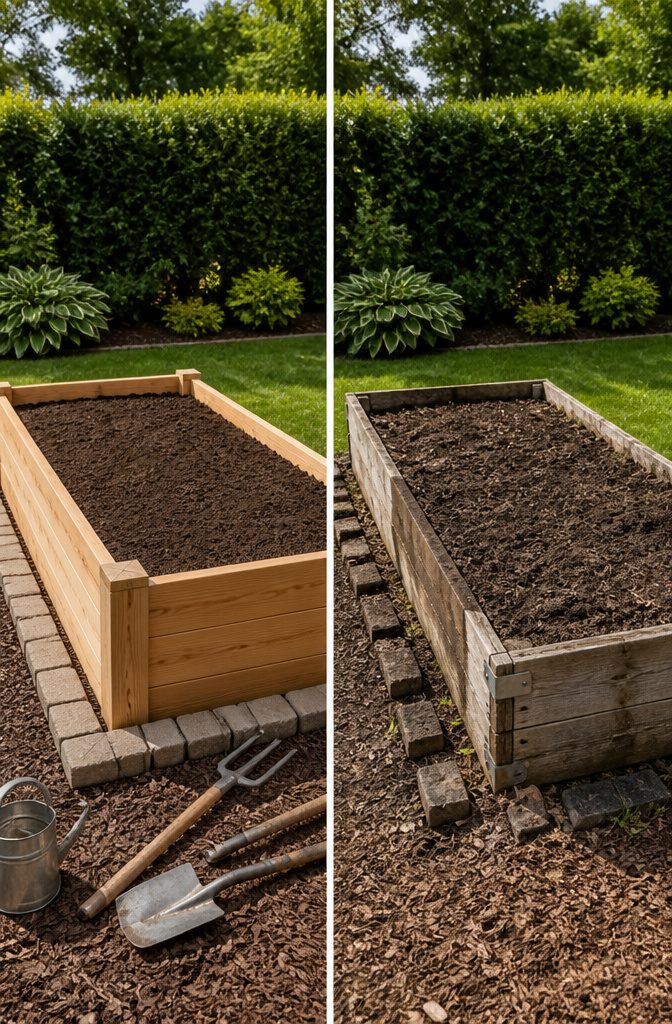
Some vegetables simply fight the format of a raised bed. Skip these three and save your lumber and soil mix for crops that cooperate:
- Corn needs a minimum of four rows planted in a block for adequate pollination. Most raised beds cannot accommodate that footprint, so the ears end up half-empty and stunted. In-ground gardens handle this scale without argument.
- Melons, pumpkins, and other aggressive vines will colonize every inch of bed space, then spill over the sides and smother whatever you planted next door. One plant becomes the whole garden’s problem.
- Asparagus and rhubarb are large perennials that dominate a small bed for years. Once established, they make that soil unavailable for rotation or seasonal replanting. Give them their own corner of an in-ground plot instead.

ULTIMATE PRACTICALITY: The planter box measures 96"(L) x 24"(W) x 12"(H), has a huge capacity, any plants and flowers you want to grow can be planted, happiness is overflowing.

Smart-Soil Efficiency: 12" height is ideal for herbs, lettuce, strawberries, and other shallow-root vegetables. Improves drainage, warms soil faster, and requires less soil to fill than deeper beds, helping reduce setup cost. Perfect for beginners and small garden setups

ULTIMATE PRACTICALITY: The planter box measures 96"(L) x 24"(W) x 12"(H), has a huge capacity, any plants and flowers you want to grow can be planted, happiness is overflowing.
Materials That Hold Up
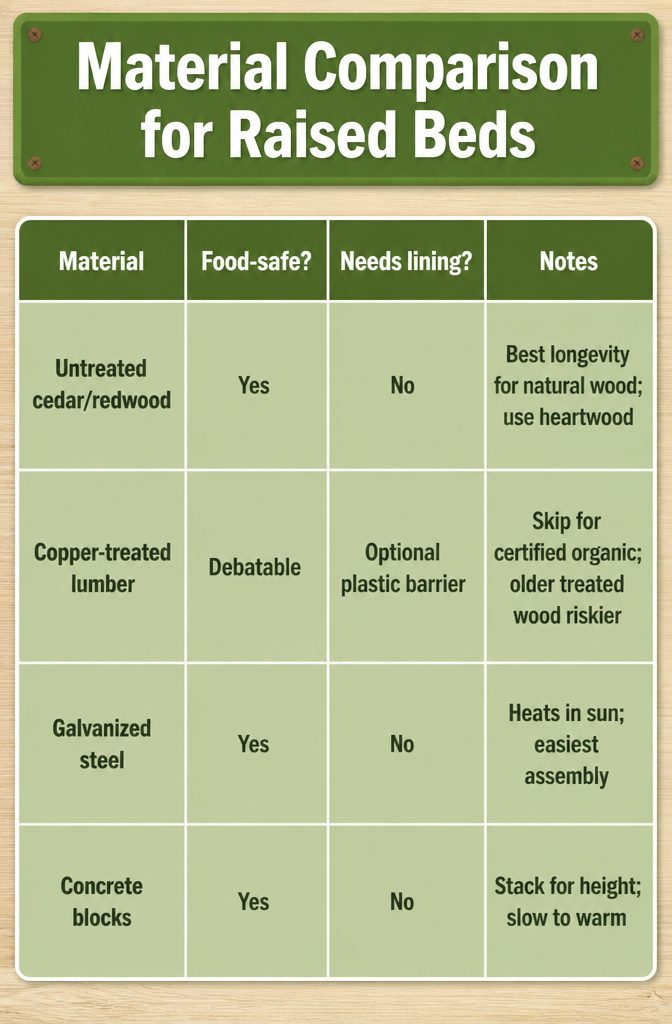
Cedar and redwood heartwood last roughly fifteen years in ground contact without any treatment, and they do not leach anything into vegetables you will eat. That is the baseline I measure other materials against.
Copper-treated lumber has replaced the old arsenic formulas, and the newer chemicals do not carry the same risk.
Still, the treatment leaches; Washington State rules for organic growing forbid any pressure-treated wood touching soil. If you want clean certification, skip it.
Galvanized steel goes together fast, lasts indefinitely, and the zinc coating does not break down into anything harmful in a garden setting.
It heats up in summer sun, which roots notice on the southern face, but the richness of raised-bed soil usually buffers that.
Concrete blocks stack to whatever height you need, and a 4 by 8 bed takes sixteen standard units. They are slow to warm in spring, but once they do they hold steady.
A single 4 by 8 bed, 12 inches tall, lands somewhere from $50 up to $500 depending on which material you choose, which makes the choice matter.
| Material | Food-safe? | Needs lining? | Notes |
|---|---|---|---|
| Untreated cedar/redwood | Yes | No | Best longevity for natural wood; use heartwood |
| Copper-treated lumber | Debatable | Optional plastic barrier | Skip for certified organic; older treated wood riskier |
| Galvanized steel | Yes | No | Heats in sun; easiest assembly |
| Concrete blocks | Yes | No | Stack for height; slow to warm |

A-Frame Design for Plant Growth: The garden trellis is designed to A-shape, allows you plant a row on the both side. And A-Frame design can maximizes the use of garden space

ADJUSTABLE HEIGHT: You can flexibly adjust the height of tomato trellis according to plant growth, from 15.7 inches to 51.2 inches to achieve optimal plant growth and stability.
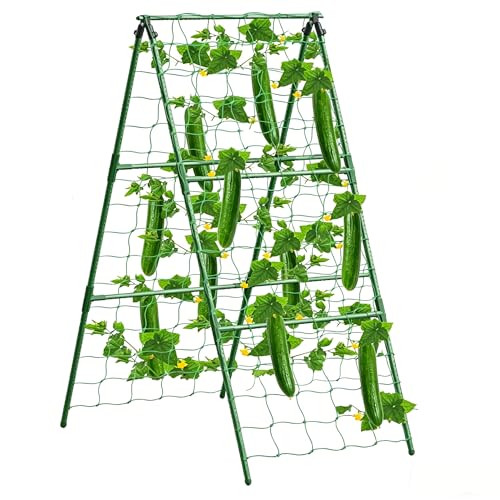
【Package included】:This Trellis for Climbing Plants Outdoor comes complete with everything you need to get started: 17pcs metal stakes, 8pcs T shape connect pipe, 2 A-shaped connectors, and a 0.9x1.8meter plant net.
Soil Mix That Grows Food
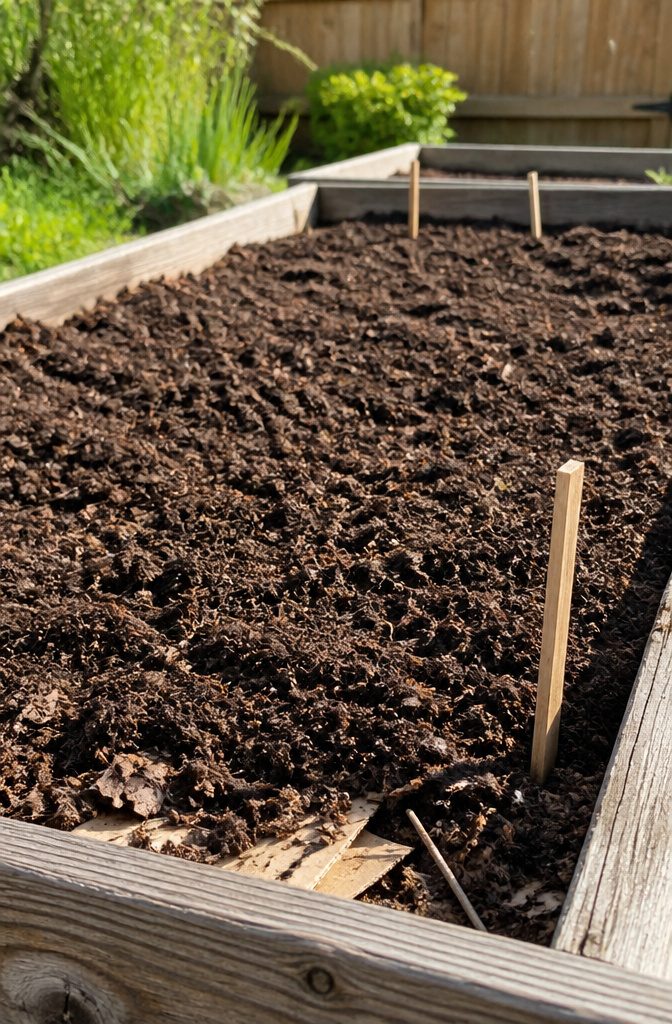
The soil mix in a raised beds vegetable garden starts with a 60–30–10 blend: 60% topsoil, 30% compost, and 10% soilless medium like peat moss or coconut coir.
That last third matters more than most people realize; the soilless portion keeps the mix loose enough for roots to spread and lets water move through instead of pooling.
Too much compost sounds generous but backfires.
Past 30% or so, the nitrogen load grows lopsided, enough to burn seedlings and throw off the nutrient balance you are trying to build. Stick to the ratio and adjust with compost tea later if plants look hungry.
Before any soil goes in, the base needs a layer of cardboard or landscape fabric pressed against the ground. It blocks the weeds already waiting there, then breaks slowly enough that drainage channels stay open through the first season.
Six to twelve inches of depth will grow a fair range of vegetables, and that is the common setup for most beds I see.
Root vegetables like carrots or parsnips want more runway; eighteen to twenty-four inches is the better bet if you are planting for harvest rather than just greens.
The extra fill costs more and the bed walls need to hold, but forked or stunted roots from shallow soil cost you the season.
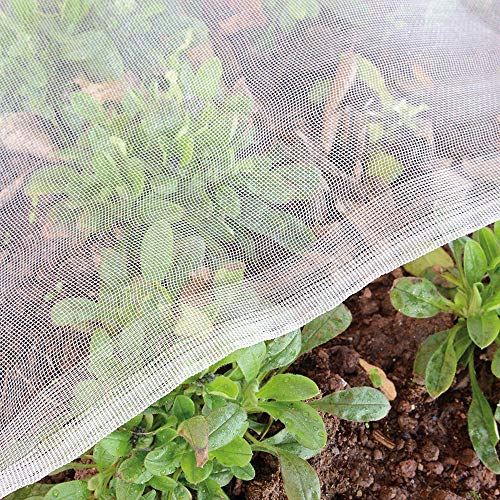
🥬Effective Bug Barrier: Protecting plants and vegetables from a wide range of pest insects and animals, such as cicadas, carrot fly and many species of aphids, you will get a healthier and happier garden

Defend Against Unwanted Visitors: Gardening is a rewarding and fulfilling endeavor, and you'll watch your plants grow from nothing to maturity before you finally harvest them. Once the plants begin to flower and bear fruit, these unwelcome visitors visit your garden and often leave a trail of destruction. Garden netting is the best choice for protecting your plants

Garden Covers for Raised Bed: Includes 2 round mesh garden nettings (garden bed is not included) 29.5" * 29.5" * 17.7" in size is perfect for covering 2 * 2 * 1FT round raised garden beds, flower planter boxes; featuring fine mesh of 0.05in, which keep insects out of the plant while allowing sunlight, air and rain to pass through.
Why Raised Beds Work
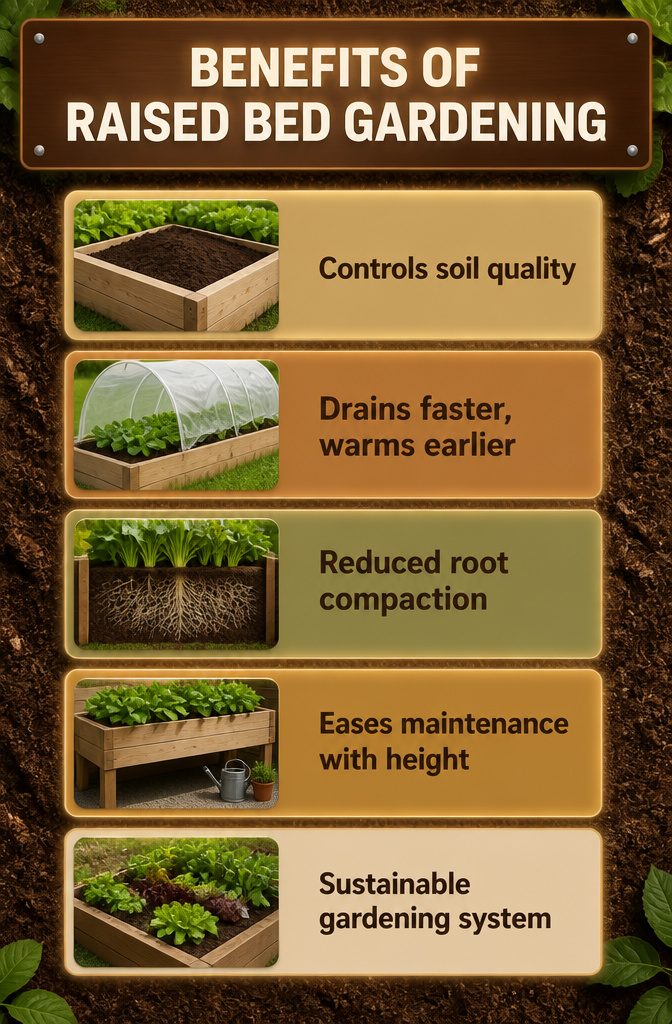
A raised bed vegetable garden starts with soil you control rather than soil you inherit.
If your yard holds compacted clay, buried construction debris, or contamination you cannot identify, you build the bed, fill it with a mix of quality potting soil, compost, and leaf mold, and roots grow through something you chose.
Raised beds drain faster and warm earlier in spring than ground-level soil, which buys you weeks on the front of the growing season. Add hoops and row cover in fall and you pull produce later too.
The same structure that holds the soil defines the path, so you are not stepping where roots need to breathe, and that reduced compaction shows up in water management and root development over time.
The height matters for maintenance. A bed built to 24 inches cuts the bend in half for planting and weeding, and you can go higher if mobility demands it, though fill soil becomes the tradeoff.
Block-style planting at the density raised beds allow means less bare soil, which means fewer weeds to pull in those fifteen-minute windows most of us actually have.
The tidy edges do not hurt if your garden sits where neighbors see it, but the real win is a system that makes the work sustainable across seasons.

WHAT YOU GET: 6 compressed coco peat bricks, each 650 g (1.43 lb) and about 7.8 x 3.8 x 2.4 inches; each brick expands to about 10 quarts (0.33 cubic feet), about 60 quarts of loose, ready-to-use coir in total

Ready to Use, Right from the Bag: No prep required. This raised bed garden soil is packed with organic compost and nutrients, ready to use for quick and easy planting

Specially Crafted for Raised Beds: Formulated to provide the ideal growing environment for vegetables, herbs, flowers, planter boxes, and other container gardens.
Where to Put the Bed
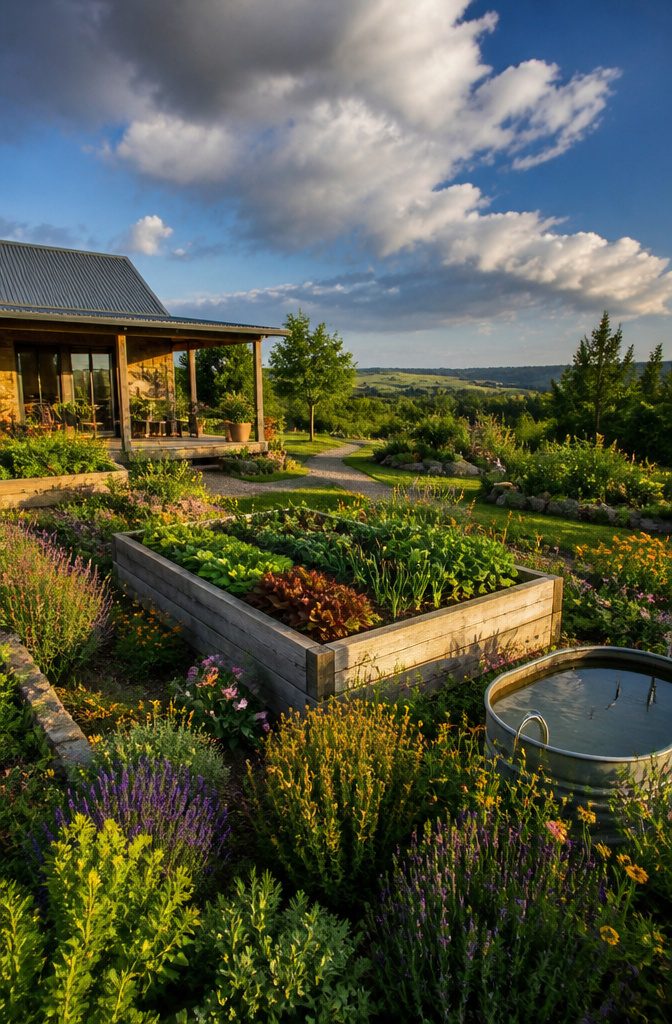
Most vegetables need at least 6 hours of direct sun daily, and a south-facing spot generally delivers this most reliably.
I would walk the yard with a rough time in mind, maybe mid-July morning through mid-afternoon, watching which patches stay lit and which fall under tree shade you might not notice from the window.
Water access matters more than beginners expect.
A bed fifty feet from your spigot means hauling a heavy can twice a week in July, or it means you skip a watering and the tomatoes split. I would put the bed within hose distance, period.
Drainage and wind sit in the same category: not glamorous, but make-or-break.
Low spots where water pools after rain stay cold and sour longer than raised bed height can fix, so I would move uphill even if the flat ground looks tempting.
A wind-tunnel corner between house and fence shreds leaves and dries soil fast; some shelter helps, though full shade does not.
Standard sizes shape where the bed can actually go. A 4×4 foot bed fits most small yards and still lets you reach the center from any side.
The 4×8 foot is the workhorse I would choose if the space allows, giving real growing area without requiring you to step inside.
An 8×8 foot bed forces a choice, since reaching the middle means adding paths or stretching across soil; I would only use that footprint where I had room to walk around all four edges.
I would place the bed closer to the kitchen than I first planned. You will harvest more and weed faster if the route is the one you already walk.

ULTIMATE PRACTICALITY: The planter box measures 96"(L) x 24"(W) x 12"(H), has a huge capacity, any plants and flowers you want to grow can be planted, happiness is overflowing.

ULTIMATE PRACTICALITY: The planter box measures 96"(L) x 24"(W) x 12"(H), has a huge capacity, any plants and flowers you want to grow can be planted, happiness is overflowing.

ULTIMATE PRACTICALITY: The planter box measures 96"(L) x 24"(W) x 12"(H), has a huge capacity, any plants and flowers you want to grow can be planted, happiness is overflowing.
Watering Without Waste
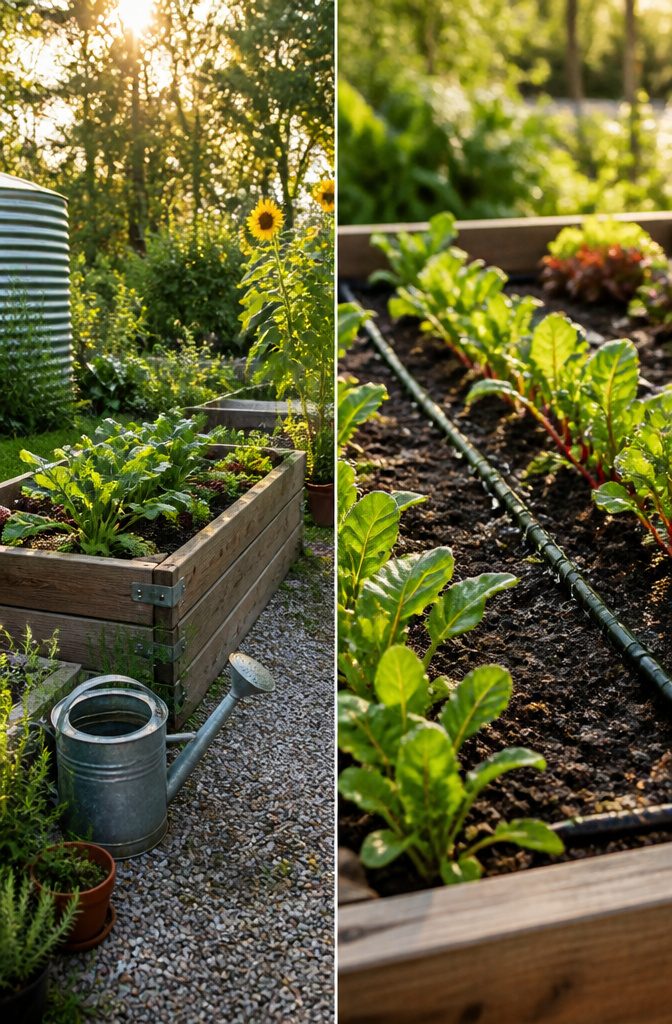
Raised beds drain faster than ground-level soil, which means they also dry out faster and need more frequent watering. I water my beds when the top inch of soil feels dry, but I never rely on a light sprinkle.
Deep watering, done less often, forces roots downward and builds stronger plants than multiple shallow passes that only wet the surface.
Overwatering is the mistake I see most often. Because the soil looks loose and the box sits above grade, people assume it needs daily saturation.
Soggy conditions in a raised bed still invite root rot and fungal disease, the same as anywhere else. I check drainage before I plant: water should move through the mix in a few hours, not pool at the base.
For anyone tired of dragging a hose, drip irrigation is the efficient option worth installing.
It delivers water straight to the root zone with minimal waste, and a simple timer on the spigot removes the guesswork entirely. A screen filter keeps emitters from clogging, which is the maintenance item most people skip and later regret.
Hand-watering with a gentle spray attachment works fine for a single bed, but I would not bother with overhead watering. It distributes unevenly and wastes what the foliage does not need.

【Multi-Function】 Tall Tomato Cage-Each tomato cage can be adjusted from 16inches to 47 inches in height,suit for different growth stages of plants, offering versatile supports for a wide variety of tomato plants, ensuring they grow tall and strong.

【Extra-Large Height & Space for Climbing Plants】Standing at 65 inches tall—3 inches higher than standard versions—this trellis provides generous vertical space for vigorous climbers. The 51×17.7-inch frame with dense netting ensures even plant distribution and maximum sunlight exposure, effectively improving fruit yield and quality.
Keeping Soil Healthy Year After Year
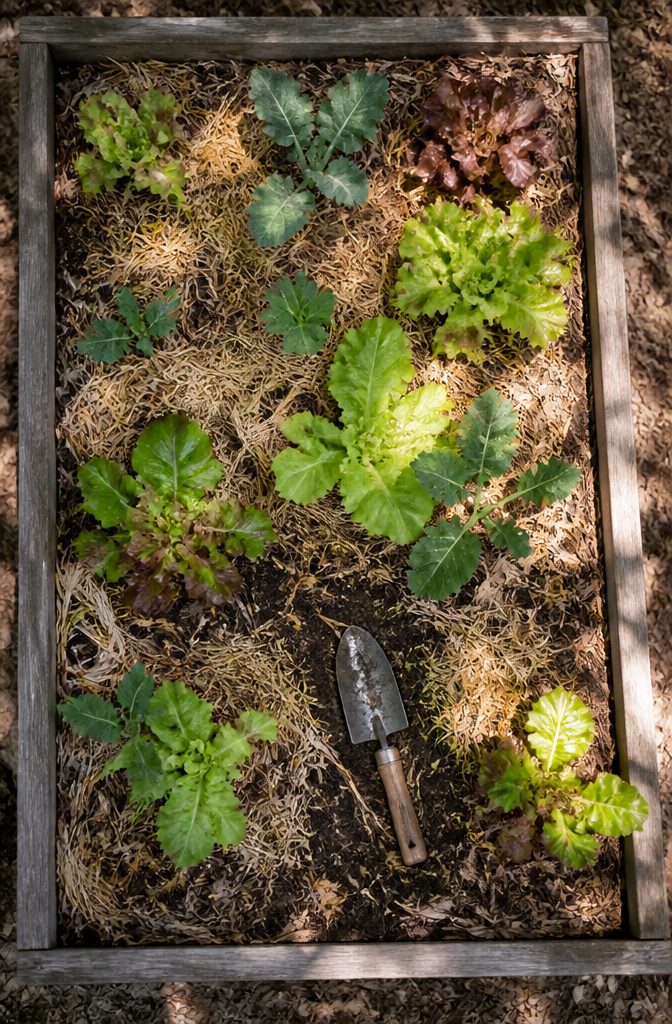
Soil in a raised bed does not stay fertile on its own. Each season, the same vegetable family pulls the same nutrients and invites the same pests back.
I rotate my beds by plant family: legumes follow nightshades, then cucurbits, then brassicas, then back to legumes. The nitrogen legumes fix stays available for the heavy feeders that come after, and moving families around keeps soil-borne diseases from establishing.
Between rotations, I top the bed with a few inches of compost and a layer of straw or shredded leaves.
The mulch keeps moisture from evaporating in summer heat and blocks the weeds that still find their way in. I check the perimeter weekly for pests and pull anything unwanted before it seeds.
Crop rotation by family, not by individual plant, is what actually protects the soil — shuffling tomatoes and peppers alone still feeds the same problems, since both are nightshades.

Effective Protection: The garden net is made of PE material, which is very light but durable, not easy to tear, and has a long service life

2PCS POP UP PLANT COVER:Easy to Install The pop-up folding bird netting mesh is easy to use right out of the box and can be installed in seconds without any tools. The 4 stakes can make you easily secure your tent to avoid being blown away by the wind. When not in use, it can be folded into a small size and comes with a bag for easy storage and space saving.

Product Specification: 1 Piece Garden Netting.Our Netting for Garden Protection Has 3 Sizes: 4Ftx10Ft, 10Ftx20Ft, 10Ftx30Ft. Ultra Fine Plant Netting Mesh Hole 0.8mm x 1mm.
Beds Built for Everyone
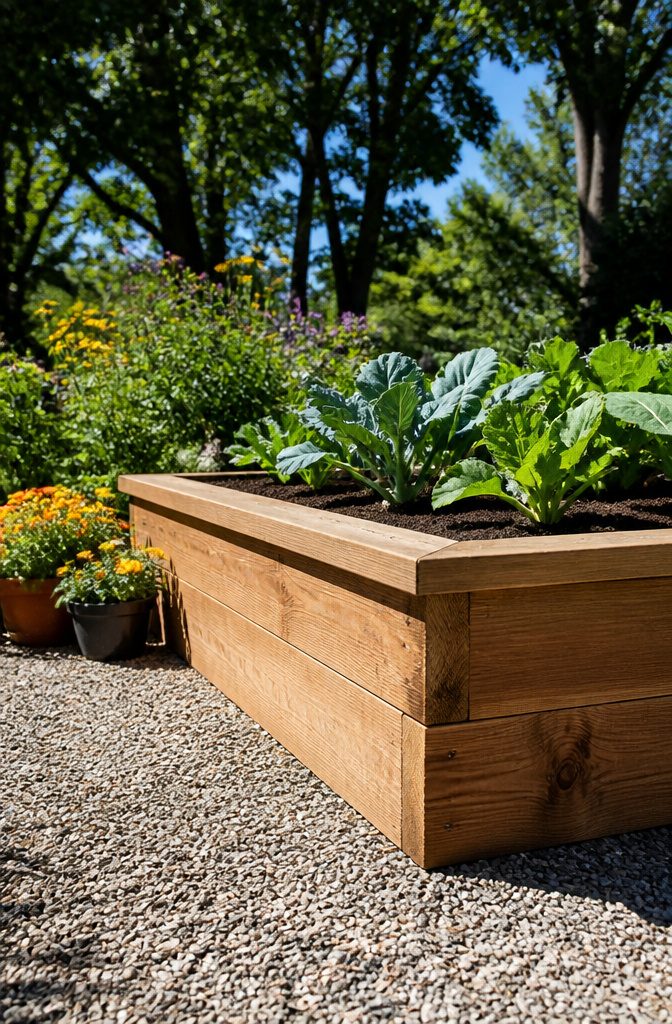
A bed four feet wide lets most people reach the center without stepping in, but 30 to 36 inches of height changes who gets to garden at all.
That is the range where digging and weeding become possible from a seated position, and for a wheelchair user it keeps the soil surface near lap level.
Fill is the price you pay for a bed anyone can reach into. Every extra inch means more soil mix, more weight pressing the bed walls outward, and usually a frame with more bracing.
Cedar 2×6 boards stacked two high gets you to a foot, which catches most back and knee issues. Four gets you to the seated-gardening range, but the frame needs 4×4 posts at the corners and cross-bracing midway or the long walls bow.
I would build on a hard, level base rather than bare ground.
The seated gardener still needs 36 inches of clear path around at least three sides, and the paths should be firm enough for wheels: compacted stone dust over a geotextile layer, not loose mulch.
The bed itself can rest right on that surface. Soil compression over time will settle the mix two to three inches, so I fill slightly proud at first and expect to top off in year two.

This soil mix is specifically design with raised bed gardening in mind and provides long lasting organic nutrition.

Specially Crafted for Raised Beds: Formulated to provide the ideal growing environment for vegetables, herbs, flowers, planter boxes, and other container gardens.

BIGGER PLANTS: Watch your container plants flourish with this potting soil that feed for up to 6 months to grow plants twice as big versus unfed plants
Getting More From the Same Space
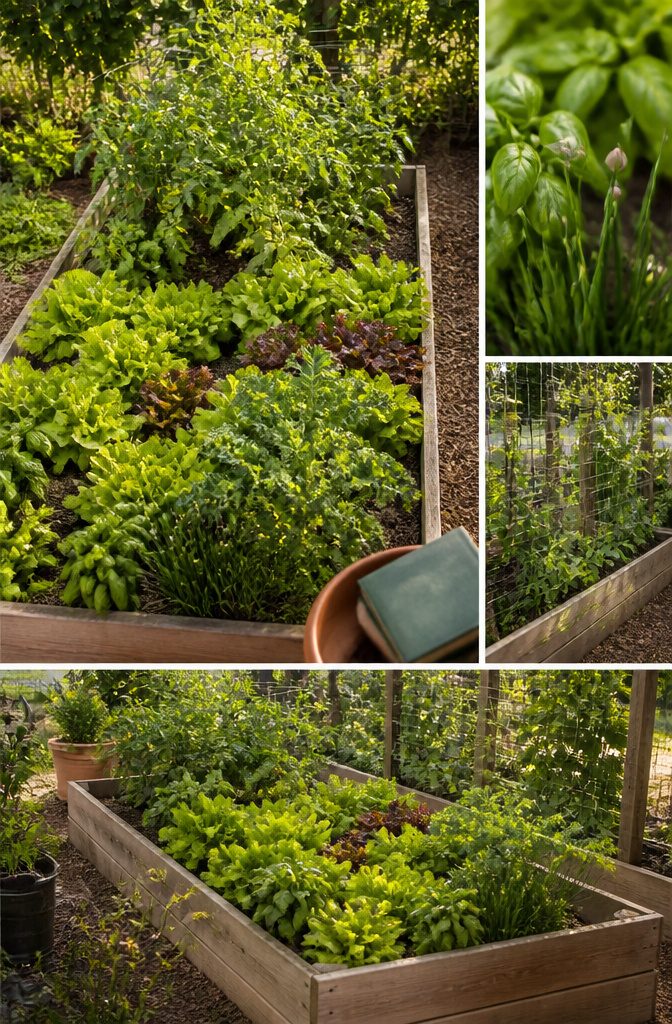
Once your raised beds vegetable garden is producing, intercropping and succession planting are the two techniques that turn the same square footage into noticeably more food.
I would not bother with either until the basics feel automatic, because timing them wrong just creates a crowded mess.
Intercropping means pairing plants that use different layers of the bed at different speeds. A classic pairing is lettuce between tomato seedlings; the lettuce matures and comes out before the tomatoes need that space or that light.
The block-style planting that raised beds allow makes this practical, since you are not locked into row spacing designed for machinery.
Succession planting is the tighter schedule: small batches of the same crop planted every few weeks so you harvest continuously instead of all at once.
In a raised bed with warmer soil, the window for this opens earlier in spring and stays open longer into fall. Vigilance is what you trade for squeezing more out of the same ground.
You have to track what went where, because crop rotation still matters for soil health and blight prevention, and a dense planting schedule makes it easy to accidentally follow tomatoes with tomatoes.
I run succession planting for cut-and-come-again greens and intercropping for the spring overlap, but I keep one bed simple and unscheduled for experiments that fail.
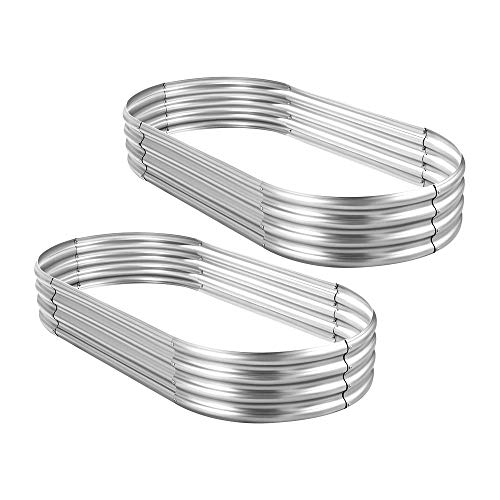
Each raised metal garden bed size: 10×4×1ft ,31.64Cu

Ready to Use, Right from the Bag: No prep required—this raised bed garden soil is packed with organic nutrients and ready to use for quick and easy planting

FOR USE: Ideal for raised garden beds and outdoor containers.
Frequently Asked Questions
What vegetables grow best in raised beds?
Bush beans, greens, carrots, herbs, strawberries, radishes, turnips, beets, cucumbers, peppers, and pole beans all thrive in raised beds.
The loose, workable soil gives carrots straight roots, warms early for peppers and cucumbers, and lets greens drain fast enough to avoid rot. Marigolds also earn their spot along the edges by repelling pests and attracting beneficial insects.
What vegetables should you not grow in raised beds?
Skip corn, aggressive vines like melons and pumpkins, and large perennials such as asparagus and rhubarb. Corn needs block planting for pollination that most beds cannot accommodate, vines smother neighboring plants, and perennials dominate the soil for years, preventing rotation.
What are the disadvantages of raised bed gardening?
Raised beds dry out faster and need more frequent watering than in-ground gardens.
They also require upfront construction and fill costs, ranging from $50 to $500 for a single 4 by 8 foot bed depending on materials. Some crops simply fight the format, limiting what you can plant.
How deep should a raised garden bed be?
Six to twelve inches handles most vegetables, but root crops like carrots and parsnips need eighteen to twenty-four inches for straight, full-sized harvests.
The extra depth costs more in soil mix and requires stronger walls, but shallow soil produces forked or stunted roots.
What materials are best for raised beds?
Untreated cedar or redwood heartwood lasts about fifteen years without leaching anything into food. Galvanized steel assembles quickly and lasts indefinitely, though it heats on the southern face.
Concrete blocks stack to any height but warm slowly in spring. Copper-treated lumber is debatable; Washington State organic rules forbid it touching soil.
What kind of soil do you put in a raised vegetable garden?
Start with a 60-30-10 blend: 60 percent topsoil, 30 percent compost, and 10 percent soilless medium like peat moss or coconut coir.
The soilless portion keeps the mix loose for root spread and drainage. Exceeding 30 percent compost risks nitrogen burn on seedlings, so adjust later with compost tea if plants need more.
Do you need to put anything under a raised garden bed?
Lay cardboard or landscape fabric against the ground before adding soil.
It blocks existing weeds and breaks down slowly enough that drainage channels stay open through the first season. This step prevents the grass and weed seeds already waiting in your yard from colonizing the fresh mix.
How often should you water a raised vegetable garden?
Water when the top inch of soil feels dry, but always water deeply rather than sprinkling lightly.
Deep watering forces roots downward and builds stronger plants; shallow passes only wet the surface. Despite the loose soil and elevated box, overwatering still causes root rot and fungal disease.